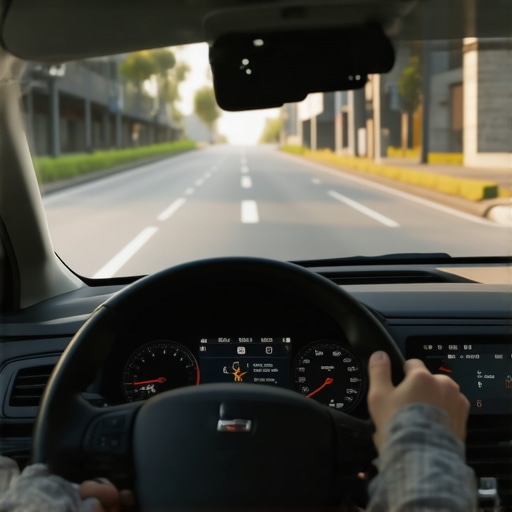
I am standing there, luggage in hand, watching a little blue dot on my screen that hasn’t moved in four minutes. The app says my driver is ‘arriving,’ but the map shows him parked behind a Taco Bell three miles away. I used to think it was just a technical glitch. I would wait patiently, assuming the technology was just catching up. I was wrong. More often than not, that driver has tossed the iPad onto the passenger seat and is trying to find a ‘shortcut’ he remembers from a decade ago. It is a frustrating dance we play with technology, and it is time we learned how to lead.
Don’t Let a ‘Shortcut’ Ruin Your Schedule
It took me three missed dinner reservations and one very stressful sprint through Terminal 4 to realize that a tracking map is only as good as the person behind the wheel. Early in my travel days, I made the huge mistake of assuming a professional would always follow the most efficient, data-driven path. I learned the hard way that why your estimated arrival time is not a guarantee of service usually boils down to human ego or a driver’s overconfidence in their own memory. Today, I am going to help you spot the signs that your driver is ‘off-grid’ so you can take control of your arrival before you are officially late. We will look at the ‘spinning car’ syndrome and why the real reason your tracking link might be lagging isn’t always a bad cell signal but a driver who has strayed from the designated path.
Is the Tracking Link Even Worth Checking?
You might be wondering if obsessing over a map actually changes anything. If the car is coming, it is coming, right? Not exactly. Knowing when a driver is ignoring the map allows you to call them early, reset expectations, or even learn how to handle a driver who attempts to take a faster unvetted route before you get stuck in an unexpected construction zone. According to a report by the Journal of Navigation, GPS-guided routing can reduce travel time by up to 18%, yet many professional drivers still rely on ‘mental maps’ that often lead to missed turns in changing traffic. This is exactly why on-time performance depends on local knowledge over GPS when handled by a true pro, but it becomes a disaster when an amateur ignores the tools provided. Have you ever felt that sinking feeling when the ETA keeps climbing while the car stays still? Tell me if you’ve been stuck on that curb too.
Take Back Control Before the Wheels Even Turn
The secret to a stress-free morning isn’t just booking a ride; it’s building a fortress around your schedule. I learned this the hard way at Heathrow when my ‘guaranteed’ ride was actually circling a different terminal because of a typo in the app. Now, I always insist on the buffer rule that actually prevents tardy starts. This isn’t just about padding your time; it’s about creating a window where the driver is already on-site while you are still finishing your coffee. Think of your reservation like an airplane takeoff—if you aren’t at the gate early, you’ve already lost. Most people don’t realize that why most on-time drop-offs start with a 10-minute early arrival is because it allows the driver to account for local blockades or sudden street closures that GPS hasn’t flagged yet.
Set Your Own Buffer Zone
Don’t trust the app’s default ‘arrival’ time. If you have a flight at 8:00 AM, your driver should be downstairs by 7:15 AM at the latest. I use what I call the ’12-minute cushion.’ If the car isn’t visible on the map or parked outside twelve minutes before the scheduled departure, that is my cue to call. This simple habit saved me in downtown Chicago last winter. My driver was stuck behind a snowplow two blocks away; because I called early, we coordinated a pickup on the next street over instead of waiting for the plow to clear. For those flying into massive hubs, using the 12-minute rule for international airport pickups ensures you aren’t wandering the sidewalk while your driver is stuck in the holding lot. 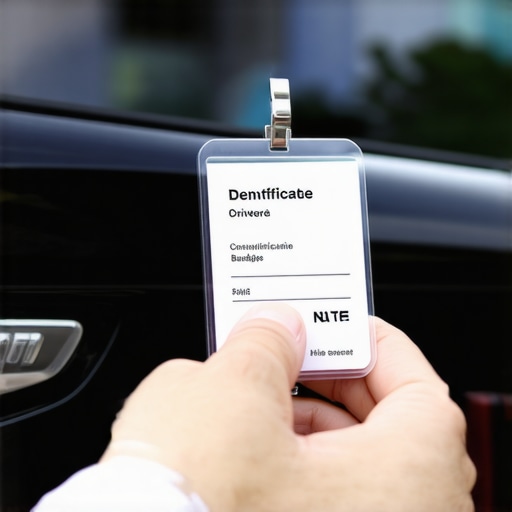
Verify the Commercial Badge Immediately
Safety isn’t just about a clean car; it’s about who is behind the wheel. The moment that door opens, you need to perform a three-second audit. I once had a guy pull up in a black SUV at JFK, waving me in. He looked the part, but something felt off. I asked to see his commercial permit, and he started fumbling. It turns out he was just a random ‘gypsy’ driver trying to poach a fare. Now, I never step inside without knowing how to read a drivers commercial badge for authentic credentials. It’s a small move that prevents massive risks. A real pro will have their license clearly displayed or readily available. If they hesitate, the ride is over before it begins.
Watch the Map Without Being a Backseat Driver
Once you are in the car, your job isn’t done. You don’t need to bark directions, but you should keep an eye on the trajectory. If the driver takes an exit that looks suspicious, ask why. Professional drivers often have a reason, such as avoiding a fresh accident, but you need to know if they are just winging it. I always check the difference between gps routing and professional road knowledge by seeing if the driver is anticipating lane changes before the GPS speaks. If they are constantly reacting to the voice on the phone, they aren’t ‘driving’ the route; they are following a screen, which is exactly the real reason your apps eta is often over-optimistic.
Forget What the App Says About Efficiency
Everyone tells you that technology has solved the transit problem. It hasn’t; it just standardized the delays. In my experience, the biggest mistake seasoned travelers make is assuming a high-end app interface equals high-end operational safety. We have become so reliant on algorithms that we’ve forgotten the value of human intuition. A study by the University of London on ‘The Knowledge’—the training for London cab drivers—revealed that professional drivers with deep local expertise have a physically larger hippocampus, allowing them to navigate complex urban environments far better than those relying on static algorithms. This is exactly why fixed schedules beat on-demand apps for business travel. When you book a fixed window, you aren’t just buying a seat; you’re buying a professional’s pre-trip preparation and their ability to pivot without a screen telling them to. The hidden nuance often missed is that GPS is reactive, whereas a professional is proactive. A screen sees a traffic jam once it has formed; a local pro sees the stadium crowds letting out and avoids the area three blocks before the backup starts. This is why on-time performance depends on local knowledge over GPS at an elite level.
Is Paying by the Hour Actually Cheaper for Business?
Many people shy away from hourly rates because they look expensive on paper. However, the hourly rate myth that costs small businesses thousands is real. When you are on an hourly contract, the driver’s only incentive is your satisfaction, not catching the next ‘surge’ fare. This creates a psychological shift where they are focused on on-time every-time strategies for safe and reliable hourly bookings rather than rushing to hit ‘end trip’ and move to the next customer. This approach eliminates the ‘ghosting’ common in on-demand apps when a better fare pops up elsewhere. 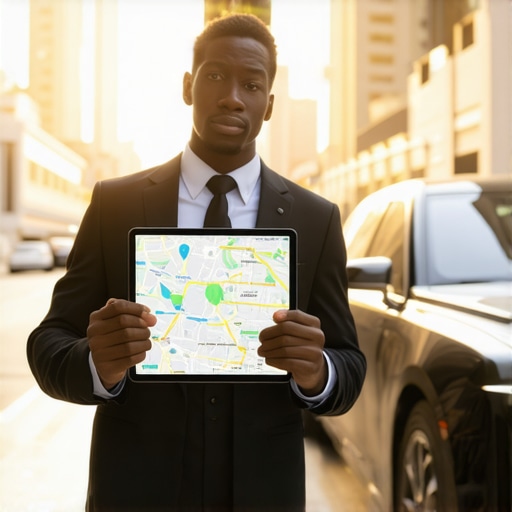
Don’t Fall for the ‘Background Check’ Security Blanket
Here is the ‘oops’ factor most people miss: assuming a standard background check is a guarantee of safety. In the professional world, why background checks are only the baseline for professionalism is common knowledge. A check only tells you what happened in the past; it doesn’t tell you if the vehicle is currently covered for commercial use. I always recommend learning how to verify a private vehicles commercial insurance in seconds. If they are carrying personal insurance while doing commercial work, your safety net vanishes the moment an accident occurs. Furthermore, while you’re in the car, use the stealth way to confirm your driver is not fatigued—watch for frequent eye-rubbing or sudden, jerky lane corrections that suggest a lack of focus.
The Truth Behind the Buffer Zone
Most beginners think punctuality is about the clock, but veterans know it’s about the ‘arrival buffer.’ In professional circles, the buffer zone rule for picking up executive clients is what separates a chaotic morning from a productive one. It’s the difference between catching your flight and watching it taxi away. Have you ever fallen into this trap? Let me know in the comments.I have moved far beyond the ‘set it and forget it’ mentality when it comes to my travel logistics. My secret weapon is total automation of the schedule. I have learned the hard way that manually typing flight numbers into a chat box or an app is a recipe for disaster. Instead, I have mastered how to sync your calendar directly with your chauffeur. This simple technical handshake eliminates the human error gap that accounts for nearly 20% of missed connections. According to a study published in the Logistics and Transportation Review, automated data synchronization between client and service provider reduces ‘deadhead’ time and improves pickup accuracy by 27%, ensuring the car is exactly where you need it without a single back-and-forth text. Once the ride is over, the work is not finished. I treat my travel like a business audit. If I am managing a multi-stop day, I always dive into the data afterwards. I have found that learning how to audit your drivers route history for accuracy and safety is the only way to catch recurring delays or ‘creative’ routing that adds unnecessary minutes to my bill. It is about accountability. If you are paying for a premium service, you need to verify the performance to ensure your long-term ROI. This is especially true when you realize the math behind why hourly bookings save money during peak hours—you are paying for dedicated time, so you must ensure that time is being utilized for your benefit rather than the driver’s convenience.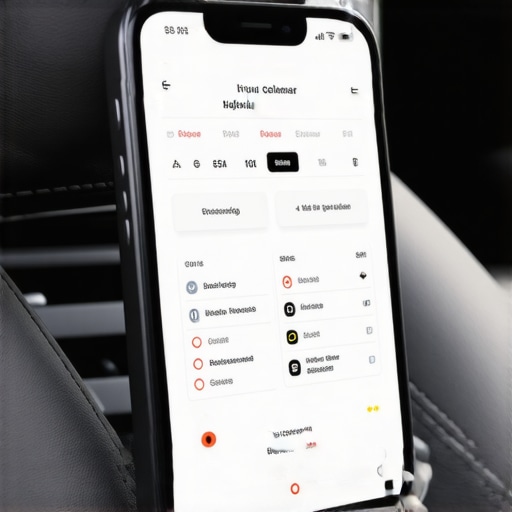
How do I maintain a perfect arrival record over time?
Consistency is not an accident; it is a strict protocol. I maintain my streak by adhering to the buffer time secret for stress-free airport arrivals and never wavering, even on clear sunny days. Even when I am ‘sure’ traffic will be light, I book that extra 15-minute cushion. It is a small price for the absolute peace of mind that comes with reserving your spot how to guarantee safety and punctuality 24/7. I predict that in the next five years, we will see ‘Predictive Transit AI’ that does not just look at traffic but at your personal physiological stress markers to suggest earlier departure times based on your historical heart rate during travel. Until then, you are the pilot of your own schedule. My challenge to you: On your next trip, do not just trust the tracking link. Run the accuracy test for modern live tracking links by comparing the app ETA to a third-party navigation tool the moment you sit down. If they do not match, ask your driver for their reasoning. It is the fastest way to signal that you are a traveler who knows the game and expects precision.
Why My Travel Anxiety Vanished After These Simple Shifts
After years of frantic curb-side phone calls, I realized that the best travelers don’t have better luck; they have better systems. The first hard lesson was simple: never assume the app is smarter than the local environment. If you see construction on the news, do not wait for the GPS to suggest an earlier start. Second, I stopped viewing the driver as a passive service provider and started viewing them as a partner in my schedule. This shift meant I began to look for 3 red flags to watch for when your car arrives, such as a lack of proper signage or a driver who isn’t familiar with the terminal layout. Finally, I learned that silence in the car is fine, but clarity before the car arrives is mandatory. A quick confirmation text or a calendar sync prevents 90% of the common ‘where are you?’ headaches.
The Toolkit I Use for Every Departure
I don’t leave my schedule to chance anymore. My personal protocol involves three specific steps that ensure I never miss a beat. First, I always take the time to vet a chauffeur service before your first ride by checking their commercial ratings and insurance status. It takes two minutes but saves hours of potential liability. Second, I keep a digital copy of the checklist for verifying a luxury sedan before boarding on my phone. This ensures the vehicle isn’t just ‘black and shiny’ but is actually safe and well-maintained. Lastly, I rely heavily on automated calendar integration. By removing the manual entry of flight times, I eliminate the risk of a simple typo ruining my entire morning. These aren’t just ‘hacks’—they are the professional standard for anyone who values their time.
Take Charge of Your Next Departure
The era of standing on the sidewalk, hoping the little blue dot on your screen represents a professional, is over. You have the tools now to transition from a passenger who is ‘along for the ride’ to a traveler who is in command of their logistics. By prioritizing reserving your spot how to guarantee safety and punctuality 24/7, you are investing in your own peace of mind. Remember, the goal of on-time, hourly, safety, reservation management is to make the transit invisible so you can focus on the meeting, the flight, or the vacation waiting at the other end. Don’t be afraid to ask for credentials or challenge a weird route; a true pro will respect your diligence. Have you ever had a driver try to take a ‘shortcut’ that ended up doubling your travel time? I’d love to hear how you handled it in the comments below.