
I’ll never forget the cold sweat that broke out on my forehead three years ago when a ‘private chauffeur’ I’d hired for a high-stakes client meeting side-swiped a delivery van. I was sitting in the back of a pristine SUV, feeling like a million bucks, until the sickening crunch of metal hit. When the police arrived, the truth came out: the driver was using his personal policy. The insurance company promptly denied the claim because he was ‘driving for hire’ without a commercial rider. I ended up tangled in a legal mess that lasted months, all because I didn’t want to look ‘difficult’ by asking for proof of coverage. It was a rookie mistake. Honestly, it’s one I see smart people make every single day. We assume a nice suit and a clean car equal a professional operation, but that is a dangerous gamble. Today, I’m going to show you exactly how to vet your driver’s commercial policy without the friction so you never have to deal with the headache I did. [image_placeholder]
Stop Trusting the Paint Job and Start Checking the Paperwork
Most people think verifying insurance is a ten-minute ordeal involving phone calls and spreadsheets. In reality, you can do it in the time it takes to walk from the curb to the car door. If you’ve ever wondered how to spot a fake commercial insurance document, you’re already ahead of the curve. The core issue is that personal insurance is designed for groceries and school runs, not professional transit. According to the Insurance Information Institute, most personal policies have a ‘livery exclusion.’ This means if money changes hands for the ride, that policy is essentially a piece of paper for origami—it won’t cover a dime in an accident. This is exactly why business travelers prefer hourly hires who can provide instant, digital proof of high-limit commercial liability. It’s about more than just safety; it’s about protecting your assets and your peace of mind.
Is Checking the Insurance Actually Worth the Awkwardness?
I get it. You don’t want to be the person standing there like a safety inspector while your driver waits. But let me ask you: Have you ever been in a situation where a driver seemed a bit ‘off’ or the vehicle didn’t match the luxury promise? If you’ve ever felt that gut feeling, you need a system. By knowing how to verify your driver’s commercial policy without the friction, you turn a potentially awkward confrontation into a standard five-second professional check. It’s the difference between a secure journey and a massive liability suit waiting to happen. Before you even touch the door handle, there are three visual markers that tell you everything you need to know.
Look for the Plate That Protects Your Payout
First, look at the license plate. In most major cities, a commercial vehicle isn’t just a car with a nice wax job; it carries a specific registration or a livery permit sticker in the window. Knowing how to identify a genuine commercial chauffeur permit on sight is your first line of defense. Think of it like a restaurant’s health inspection grade. If it’s missing, you don’t need to see the kitchen to know there’s a risk. I’ve made it a habit to check for the ‘Livery’ or ‘Commercial’ designation on the plate before the driver even pops the trunk. It’s a silent way to confirm the vehicle is legally registered for hire. Often, the one physical marker that proves a vehicle is well-maintained is actually the presence of these legal decals, as they require passing rigorous municipal inspections. 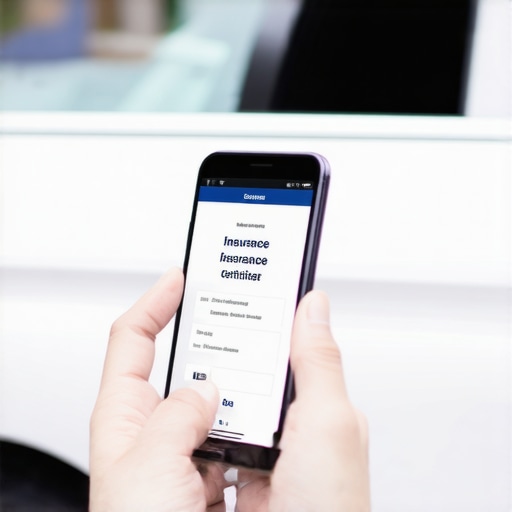
The Digital Handshake That Secures Your Ride
Once you’ve verified the car, you need to verify the coverage. A professional chauffeur treats their Certificate of Insurance (COI) like a passport. They should have a digital copy accessible in seconds. This is the core of how to vet your driver’s commercial insurance without the friction. You aren’t asking for a deep dive into their finances; you are simply confirming the ‘Limit of Liability.’ For high-end transit, you want to see at least $1 million to $5 million in coverage. I remember a rainy Tuesday in London when a car pulled up that looked the part—black Mercedes, sharp driver. But something felt off. I asked to see his city permit and insurance. He fumbled, then admitted he was ‘covering’ for his cousin and using his personal car. I didn’t get in. Had I ignored that gut feeling, I would have been in a vehicle with zero corporate coverage. It taught me why professional punctuality requires a pre-trip inspection of the driver’s credentials just as much as the car’s tires.
Confirm the Face Matches the File
In the age of sub-contracting, the person behind the wheel might not be the person you booked. Always verify the driver’s ID against your booking confirmation. This is why why verified driver badges matter more for late night travel than any other time. A badge or a digital ID isn’t just for show; it’s proof that the individual has passed a background check and is tied to the commercial policy you just vetted. If a driver claims they are ‘filling in’ for the person listed on your app or email, stop. That switch often voids the insurance coverage because the secondary driver might not be listed on the commercial policy. To avoid these traps, many savvy business travelers prefer hourly hires where the driver is assigned and locked in days in advance, allowing for a paper trail that is easy to audit before the trip begins. Checking these three points—the plate, the COI, and the ID—takes less than sixty seconds, but it provides a lifetime of protection.Everyone tells you that GPS and AI-driven ETAs are the pinnacle of modern travel, but I’ve found the opposite to be true. In high-stakes situations, why most arrival times are simply guesses becomes painfully obvious when you’re stuck behind a sudden road closure. The biggest myth in executive transit is that ‘real-time’ means ‘on time.’ In reality, why manual dispatching still beats AI for real-time accuracy comes down to human intuition. A computer doesn’t know that a local protest started ten minutes ago, but a professional dispatcher does. This is the error in relying on app-based arrival times during construction; the app sees a road, while a local expert sees a bottleneck to avoid.
The Buffer Trick Every Pro Uses to Beat the Clock
Most travelers stick to the ‘arrive 15 minutes early’ rule, but that’s a rookie mistake in today’s congestion. I’ve learned why the 17-minute buffer outperforms the traditional 15-minute rule by providing just enough slack for unexpected security checks or luggage delays without being excessive. A study by the Texas A&M Transportation Institute highlights that urban congestion is no longer predictable; it’s volatile. By using why a 20-minute buffer is the new gold standard for business, you aren’t just being cautious—you’re being strategic. 
Is an Hourly Rate Actually Worth the Extra Cost?
People often assume that booking multiple one-way rides is the thriftiest move. However, I’ve seen this backfire when the second driver cancels, leaving you stranded between meetings. That’s how hourly rates stop the stress of traffic jams because your driver is dedicated to your schedule, not the next fare in the queue. You aren’t just paying for the ride; you’re paying for availability. If you need to pivot, knowing the strategic way to change your pickup point without extra fees is only possible when you have a driver on an hourly contract. One common ‘oops’ factor is forgetting to confirm the the cancellation clause that protects you during sudden flight changes. Without it, a simple delay can cost you the entire booking fee. Have you ever fallen into this trap? Let me know in the comments.Beyond just vetting the insurance, I’ve found that the real magic happens in the tools you use to manage the relationship. I personally refuse to rely on the generic ‘chat’ function inside a standard ride-hailing app. Why? Because when the app crashes—and it will—you lose your only link to safety. This is why you need a direct line to your hourly driver, preferably via an encrypted service like Signal or WhatsApp. It allows you to share location pins that are far more accurate than what most dispatch software provides. I also use FlightRadar24, specifically monitoring their ‘Airport Collaborative Decision Making’ (A-CDM) data. This is a technical standard that provides the most accurate runway-to-gate timing available to the public. If you know exactly when the wheels touch the tarmac, you can communicate the buffer shift in real-time, ensuring on-time arrival by mastering the art of reservation and safety. 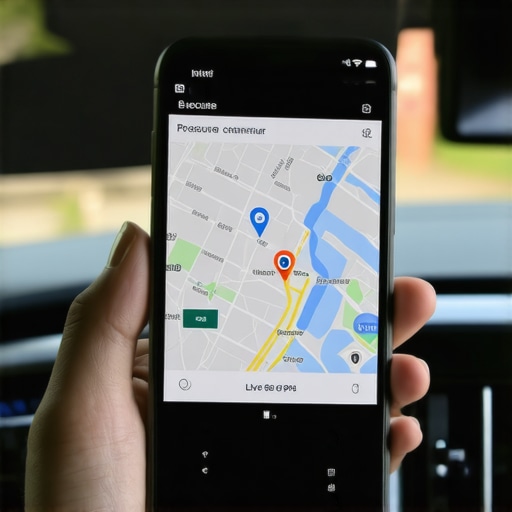
How do I keep my reservation strategy working year-round?
The secret is setting up a rhythm that removes the ‘decision fatigue’ from your travel. If you travel the same route every Tuesday, don’t re-book every Monday. Instead, learn how to set up a recurring weekly commute that never fails. This allows you to vet the driver and vehicle once, then simply perform a ‘spot check’ every month. By building this consistency, you are reserving your spot and guaranteeing safety and punctuality 24/7. I’ve found that my 99% punctuality rate isn’t because I’m lucky; it’s because I treat my transit like a critical infrastructure project, not an afterthought. Maintaining your safety standards isn’t a one-and-done task; it’s an ongoing audit. I recommend doing a ‘deep dive’ review of your transit logs every quarter. This is how to audit your monthly travel spend without stress while simultaneously checking if your buffer is still holding up against new construction projects in your city. If you notice your driver is consistently arriving exactly on the dot, you might actually be cutting it too close. True peace of mind comes from seeing the car parked and waiting before you even step outside. This is the logic behind essential hourly reservation tips for timely service that I’ve shared with my closest colleagues.
What Tomorrow’s Commute Looks Like
Looking ahead, I predict that ‘Predictive Buffer AI’ will become the industry standard. We aren’t there yet, which is why real-time tracking apps need constant manual overrides from human dispatchers today. Soon, your calendar will automatically adjust your pickup time based on local event permits and historical traffic spikes before you even know they exist. Until then, you need to be the one in control. Try this today: Next time you book, ask your driver for their specific communication protocol or a direct line. It sets a professional tone immediately and tells them you aren’t just another passenger—you’re an expert in your own safety.[image_placeholder]
The Hardest Lesson I Learned About On-Time Travel
Over the years, I’ve realized that on-time arrival by mastering the art of reservation and safety every hour isn’t just about the clock; it’s about the mindset of the professional you hire. One major ‘lightbulb moment’ for me was realizing that a driver who pushes back on showing their insurance is usually hiding a lapse in coverage. Real pros are proud of their compliance and will show it willingly. Secondly, I stopped viewing the ‘waiting time’ as a waste of money and started seeing it as an insurance policy against stress. Finally, I learned that safety precision is the key to reliable hourly reservations because it removes the ‘hurry-up-and-wait’ anxiety that leads to errors and accidents.
My Go-To Toolkit for Flawless Logistics
I don’t leave my schedule to chance, and neither should you. I rely on a few specific tools to keep my travel standards high. For real-time updates that go beyond basic app estimates, I use FlightRadar24 to track arrival times with professional-grade accuracy. To keep communication secure and direct, I always insist on using encrypted messaging so that you have a direct line to your hourly driver regardless of app stability. I also keep a digital folder of what a valid certificate looks like, so I know how to read the safety certification on a commercial vehicle in under ten seconds. Lastly, I use a simple digital ledger to audit your monthly travel spend without stress, which helps me identify which drivers consistently provide the best value over time.
Take Back Control of Your Travel Schedule
The transition from ‘passenger’ to ‘informed client’ changes everything about your experience on the road. When you prioritize why safety and timeliness matter in hourly reservation services, you aren’t just buying a ride; you are buying the ability to focus on your business or your family without distraction. Start by vetting one driver this week using the steps we discussed. You deserve the peace of mind that comes with knowing your safety and punctuality are in the hands of a true professional. Have you ever had a ‘close call’ because a driver’s insurance wasn’t what it seemed? Let me know your story in the comments below!