I stood there, staring at the empty curb at Heathrow while the cold drizzle soaked through my blazer. My plane had sat on the tarmac for ninety minutes—a classic ‘on-time arrival’ that turned into a logistical nightmare. Because I’d booked a rigid, non-refundable transport service, my driver had already clocked out. I was out eighty pounds and stuck in a two-hour taxi queue. It was the moment I realized that in the world of international travel, a fixed schedule is actually a trap. You can’t control the weather, the air traffic control strikes, or the slow-moving customs lines. If your transport plan doesn’t have a ‘bend-but-don’t-break’ policy, you aren’t just traveling; you’re gambling. Today, I’m going to show you how to stop losing that bet. We’ll look at why flexible cancellations are essential for modern business and how you can protect your wallet and your sanity. Have you ever found yourself stranded at an airport because your ‘guaranteed’ ride vanished the moment your flight hit a delay? Let me know in the comments, because I’ve been there too.
Does the Price of Flexibility Really Justify the Peace of Mind?
The biggest mistake I made early in my career was hunting for the absolute lowest price without reading the fine print. I thought I was being a savvy traveler. In reality, I was ignoring the cancellation clause that protects you during sudden flight changes, which ended up costing me triple in last-minute fees later. Skeptics often argue that ‘flexible’ is just a code word for ‘more expensive.’ But when you consider that, according to FlightAware, nearly 20% of flights worldwide experience some form of delay or cancellation, that extra few dollars is actually the cheapest insurance policy you’ll ever buy.
Stop Relying on Luck and Start Using Hourly Reservations
When you are hopping across time zones, the idea of a fixed pickup time is almost laughable. I’ve learned to pivot toward choosing a professional chauffeur over on-demand apps because they understand the volatility of international arrivals. A rigid booking assumes everything goes right. An hourly booking assumes things might go wrong. By utilizing reliable hourly reservations for peace of mind, you create a buffer that handles the chaos for you. Remember, most arrival times are simply guesses, and treating them as gospel is the fastest way to ruin a high-stakes trip. If you want to arrive on time while mastering the art of safety, you have to build flexibility into the very foundation of your itinerary. It’s about moving from a mindset of ‘hope for the best’ to ‘prepared for the delay.’
Build a Buffer That Actually Survives Traffic
To get this right, you need to think like a professional dispatcher, not a casual commuter. Most people book a ride for exactly when they think they will need it, which is the logistical equivalent of walking a tightrope without a net. If you want to survive a Friday in London or a rainy afternoon in Manhattan, you have to embrace the math of delay. I’ve found that the 17-minute buffer outperforms the traditional 15-minute rule because it accounts for that extra cycle of traffic lights and the time it takes to actually locate a vehicle in a crowded terminal. When you are booking for corporate needs, a 20-minute buffer is the new gold standard for business because it buys you the one thing money usually can’t: time to breathe. 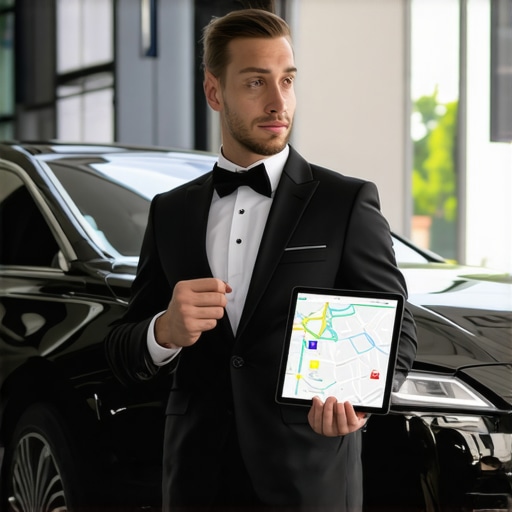
Verify the Vehicle Before You Touch the Door Handle
I once made a massive mistake in Berlin. I was so stressed about a keynote presentation that I saw a black sedan, assumed it was mine, and started to pull the handle. The driver looked terrified, and I realized I was about to hijack a private family car. That awkward moment taught me to never skip the basics. You need to run through the checklist for verifying a luxury sedan before boarding every single time. It takes five seconds but saves you hours of potential security headaches. I now religiously perform the 3-point door handle check every passenger must perform, which involves checking the plate, the driver’s face against the app, and the child-lock status. It’s also the perfect time to execute the specific driver verification move that prevents identity theft by asking the driver who they are picking up rather than giving them your name first.
The Tech Behind the Safety
It’s not just about the car; it’s about the paperwork that keeps you protected. If you’re ever in doubt, ask to see the credentials. Knowing how to verify a private vehicles commercial insurance in seconds is a skill that separates the amateurs from the pros. If the driver hesitates, the ride isn’t safe.
Trust the Driver but Verify the Route
Even the best professional drivers can be led astray by a faulty GPS update or unexpected roadwork. This is why why real-time tracking apps need constant manual overrides. You shouldn’t be a backseat driver, but you should be an informed passenger. When I travel, I keep my own map open—not because I don’t trust the chauffeur, but because I want to be aware of any deviations before they turn into a missed meeting. This level of precision is why strategies for safe and reliable hourly bookings are so effective. You aren’t just paying for a seat; you’re paying for a dedicated professional who is committed to your specific timeline, regardless of what the city throws at you. By utilizing precise reservation timing, you shift the burden of punctuality from your shoulders to a system designed to handle it.Let’s dig deeper into the one thing everyone gets wrong: the belief that GPS is infallible. Most people think that because their phone shows a blue dot, they are safe and on time. But in the world of professional logistics, local knowledge consistently beats GPS algorithms. I’ve seen drivers blindly follow a ‘faster’ route right into a dead-end street blocked for a local parade. That’s why a driver who understands the city’s pulse is more reliable than any app. If you aren’t questioning the route, you’re letting an algorithm gamble with your schedule.
Why Your Smartphone is Lying About Your Arrival Time
One massive trap is trusting the ‘estimated time of arrival’ during major infrastructure projects. There is a fundamental error in relying on app-based arrival times during construction. These apps often update every 60 seconds, which isn’t fast enough to account for a sudden police detour or a lane closure. This is exactly why your estimated arrival time is not a guarantee of service. Have you ever fallen into this trap where the ‘5 minutes away’ message stays there for twenty minutes? Let me know in the comments.
Why Do Your Real-Time Tracking Links Often Lag Behind Reality?
It’s a sophisticated frustration: you click the link, and the car looks like it’s floating over a building. This happens because your real-time tracking link might have a 30-second lag due to server pings. This is precisely why real-time tracking apps need constant manual overrides from a human dispatcher who can see the ‘ghost’ traffic that data hasn’t caught yet. A study by the Massachusetts Institute of Technology (MIT) on urban mobility found that sensor-based traffic data can have a ‘shadow period’ of up to three minutes in dense urban canyons. Relying purely on the screen without a professional backup is a recipe for anxiety. #IMAGE_PLACE_HOLDER_C#
The Hidden Cost of Booking Point-to-Point
The logic is simple: when you pay by the hour, you aren’t paying for a trip; you’re paying for availability. Many travelers think they are saving money by booking point-to-point, but they forget the ‘hidden cost of waiting.’ If a meeting runs long, a point-to-point driver leaves. An hourly driver stays. This is why hourly rates are the only way to handle multiple client meetings without a nervous breakdown. It’s the difference between being a customer and being a client.
Don’t Be the Passenger Who Mistakes a Badge for Safety
When it comes to safety, don’t just look for a badge. You need to know how to verify if a ride confirmation email is legitimate before you even leave your house. Phishing isn’t just for bank accounts anymore. Before you sit down, you must vet your driver’s commercial insurance without the friction of an awkward confrontation. Following top tips for on-time reservations at any hour means looking beyond the surface level and demanding real transparency. Mastering on-time arrival while mastering safety every hour is about preemptive control. It’s about knowing how to stay safe during late-night pickups when the platform is deserted and the app is glitching. True expertise is knowing when to trust the tech and when to trust the human behind the wheel.I don’t just rely on the notification from my airline’s official app because, frankly, those are often the last to update. My personal logistics stack starts with FlightRadar24. By tracking the specific tail number of my incoming aircraft, I can see if the plane is actually in the air or still sitting on a taxiway three countries away. When I spot a discrepancy, I immediately leverage the fact that manual dispatching still beats AI for real-time accuracy. I contact my chauffeur’s dispatch team to adjust my pickup window before the ‘delayed’ sign even hits the airport monitors. This proactive approach is how I maintain reliable hourly reservations for peace of mind, ensuring my driver isn’t timing out just as I’m clearing customs. 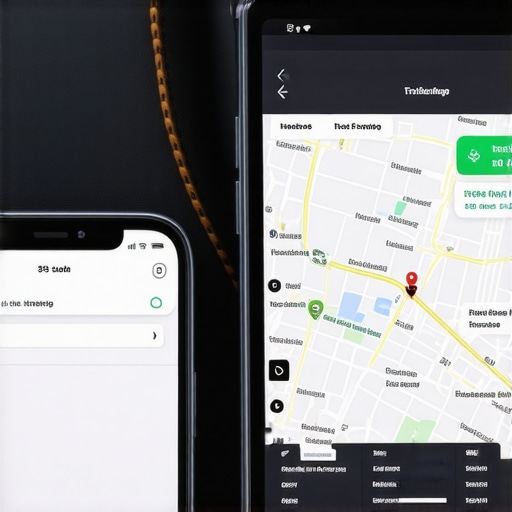
How do I keep my itinerary on track for the long haul?
Maintaining a seamless travel schedule over months or years of business trips requires more than just good luck; it requires a commitment to auditing your providers. Every quarter, I take the time to audit my driver’s route history for accuracy and safety. I look for consistency in their timing and whether they adhere to professional standards. According to the International Air Transport Association (IATA) Ground Operations Manual (IGOM), standardized communication protocols are the single most important factor in reducing ground handling delays. I apply this same rigor to my transport by ensuring my booking service offers safety and punctuality 24/7 through a dedicated communication channel. If a service doesn’t allow me to speak to a human dispatcher during a 4 AM flight change, they don’t stay in my toolkit.
Verifying the Professionalism Behind the Wheel
Even the best tools fail if you don’t use them. I’ve learned that hourly rates are the only way to handle multiple client meetings because they give me the tool of ‘standing time.’ This allows me to focus on my notes rather than watching the clock. However, I never let my guard down during the pickup. I religiously perform the 3-point door handle check every passenger must perform to ensure I’m entering the correct, vetted vehicle. This isn’t just about paranoia; it’s about maintaining a system where safety is an automated habit rather than an afterthought.
The Future of Ground Travel Safety
Looking toward the future, the industry is moving away from simple app notifications and toward blockchain-backed driver credentials and biometric pre-clearance. Imagine a world where your car’s maintenance records and the driver’s verified rest hours are sent to your phone as an encrypted token before you even land. Until that becomes the standard, we have to rely on our own verification methods. If you want to elevate your travel game today, I highly recommend performing a manual route check on your next ride. Don’t just sit in the back; stay engaged with the process. Try performing the driver verification move I mentioned earlier on your very next trip—it’s the fastest way to separate a true professional from a casual driver.
Hard Lessons From 500 Airport Pickups
If there is one thing I have learned after years of traversing international hubs, it is that the cheapest ride is often the most expensive mistake. We often focus on the car, but we should be focusing on the contract. I now realize that why safety and timeliness matter in hourly reservation services isn’t just a marketing slogan; it’s a survival guide for the frequent traveler. When you book by the hour, you aren’t just buying a ride; you are buying a dedicated professional’s loyalty to your schedule. I’ve also learned that essential hourly reservation tips for timely service usually involve one key habit: over-communicating with the dispatcher. Don’t assume the app has the right gate; verify it yourself and ensure they are watching your flight tail number. #IMAGE_PLACEHOLDER_E#
My Go-To Kit for Global Punctuality
I never leave home without a few specific tools that help me manage the chaos of ground logistics. First, I use a dedicated flight tracker like FlightRadar24 to see exactly where my plane is in real-time. Second, I always ensure I have reservation security measures to book safely, which includes using a VPN whenever I’m on public airport Wi-Fi. Finally, I only trust services that provide direct access to a human-led dispatch team rather than just an automated chatbot. I trust these methods because they have saved me from being stranded in London, Tokyo, and New York during record-breaking storms. For those long days with back-to-back appointments, there is a logical reason to hire a chauffeur for full day meetings: it removes the cognitive load of navigating, allowing you to stay focused on the work that matters.
Take Control of Your Arrival
Travel will always have its share of unpredictability, but your ground transport doesn’t have to be one of the variables. By shifting to a mindset of precision and verification, you reclaim both your time and your safety. Before you head out for your next big trip, take a moment to spot a fake ride confirmation and double-check your driver’s credentials against the official paperwork. Real professionalism is about being prepared for the 20% of things that go wrong, rather than just hoping for the 80% that go right. Have you ever missed an important meeting because your ride didn’t show up after a minor delay? Let me know in the comments below.