I’ll never forget standing outside O’Hare at 11 PM, the wind whipping through my coat while I stared at a dead link on my screen. I’d ‘booked’ a car, received the email, and felt totally prepared. But when I tried to use the live tracking, the page timed out, and I realized my mistake. I had handed over my credit card info to a ghost. It wasn’t just about the money; it was the gut-punch of knowing I’d been fooled. I was lucky I was at a major airport with other options, but it taught me a lesson I won’t forget. Today, I’m going to show you exactly how to peel back the curtain on these emails so you never have to stand on a cold curb wondering if your ride is actually coming. We are going to make sure your reservation is solid and your data stays yours.
Spotting the Red Flags Before You Tap That Link
The first thing I learned after that disaster? Scammers love your urgency. They count on you being in a rush to catch a flight or a meeting. I once made the rookie mistake of assuming a professional-looking logo meant a legitimate service. It didn’t. You need to look for the signs of a professional booking confirmation email that go beyond just a pretty header. If you aren’t seeing your specific pickup zone or a clear breakdown of the hidden fees in your ride confirmation, something is likely wrong. Most legitimate hourly services will provide a direct way to reach the staff. If you find yourself clicking around and can’t find a way to contact your hourly driver directly, that is a massive red flag. Trust me, the convenience of an app is great, but the security of a verified human dispatcher is what keeps you safe.
Is double-checking every single email really worth the hassle?
I get it. You’re busy. You just want to get from A to B without a headache. But consider this: the FBI’s Internet Crime Complaint Center (IC3) consistently reports that phishing—which includes these fake ride emails—is the leading type of cybercrime, accounting for hundreds of millions in losses annually. Taking thirty seconds to spot a professional dispatcher via email is a lot faster than spending three hours on the phone with your bank’s fraud department. Have you ever received a reservation that felt just a little bit off? I’d love to hear if you caught it in time or if, like me, you learned the hard way. We’re going to dive into the technical safety checks next, including how to secure your data when sharing tracking links so you stay safe from the moment you hit book to the moment you step out of the car.
Why the Wait and See Strategy Fails at 2 AM
Think of your ride confirmation like a flight manifest; if your specific details aren’t perfectly aligned, you aren’t actually on the plane. I learned this the hard way in a Denver blizzard when a black SUV pulled up exactly when my app said it would. The driver waved me in, but something felt off. I checked the plate—it didn’t match. Had I hopped in, I would have been in a car with no commercial coverage and no record of my journey. You must learn why you should never enter a vehicle without a license plate match, even if the driver knows your name. Scammers often use scanners to intercept names from airport greeting boards. Your first move is to verify the ‘Internal Manifest’ of your email. This includes a unique booking ID and a link to a secure portal, not just a static text message. If you are dealing with delays, you need to know how to handle a late flight arrival with your car service by confirming their grace period policy in writing before the wheels even touch the tarmac.
Verify the Commercial Credentials Without the Awkwardness
Most people feel too shy to ask a driver for their insurance papers. You don’t have to be that person if you do the legwork upfront. When you receive your confirmation, look for the carrier’s DOT or permit number. A legitimate service makes it easy to find how to verify your drivers commercial policy without the friction of an interrogation. If the email contains a dead link or a generic ‘we are insured’ statement without a policy number, you are likely looking at the hidden risk of using non-verified booking links. Genuine professional services operate like a bank; every transaction and safety certification is logged and transparent. If they can’t prove they are covered, you aren’t covered either.
Secure Your Data Before You Share Your Location
Once the reservation is confirmed, the next step is the ‘Live Handshake.’ This is where you monitor the vehicle’s approach. However, there is a massive gap between a ‘GPS estimate’ and actual telemetry. Understanding the difference between live tracking and estimated progress is the key to not standing on the curb for twenty minutes. While you track them, ensure the platform you are using is encrypted. I always tell my clients that knowing how to secure your data when sharing tracking links with family is just as important as the ride itself. You want your spouse to see where you are, but you don’t want that link accessible to the entire internet. 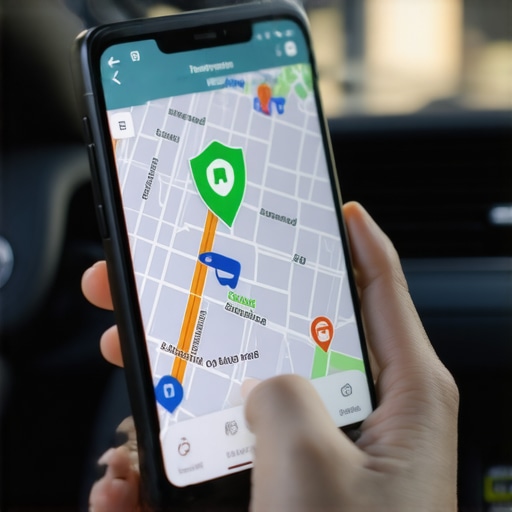
The Manual Verification Every Rider Needs to Perform
Punctuality isn’t just about being on time; it’s a safety metric. A driver who is rushing to make up for a late start is a driver who is taking risks with your life. This is why on-time performance is the only metric that matters when vetting a long-term transit partner. When the car arrives, perform a ‘Three-Point Check’: match the plate, verify the driver’s face against the provided ID, and ask them who they are picking up before you offer your name. This simple flip of the script puts the security burden on them, where it belongs. I once caught a driver who was ‘subcontracted’ without my knowledge simply by asking for his company ID, which didn’t match the reservation. It saved me from a ride with zero corporate oversight.
The Myth of the Smart Arrival Timer
Most travelers believe that more technology automatically leads to more safety. It’s a comforting lie. I’ve seen countless people trust a ‘3-minute away’ notification while the vehicle was actually trapped behind a utility leak three blocks over. In my experience, a human dispatcher’s intuition and local knowledge beat an algorithm every single time because AI struggles with ‘contextual noise’ like sudden road closures or unmapped events. According to the Texas A&M Transportation Institute’s annual mobility study, urban traffic delay variables are increasing faster than consumer GPS APIs can recalibrate. This is exactly why the 17-minute buffer outperforms the traditional 15-minute rule. It’s not just a padding of time; it’s a strategic safety net that accounts for the latency inherent in modern tracking software. When you rely solely on a phone screen, you’re outsourcing your safety to a developer in another time zone rather than a professional on the ground. 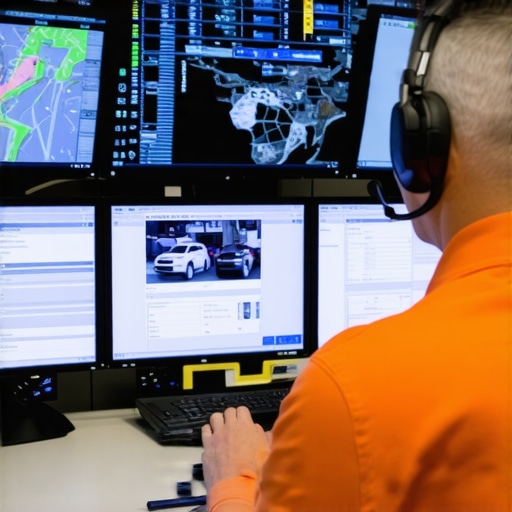
Stop Falling for the Construction Time-Suck
One major ‘oops’ I see even the most seasoned business travelers make is assuming that a ‘Live Map’ accounts for real-world physics and local ordinances. If your reservation doesn’t involve a pre-vetted route, you’re susceptible to the error in relying on app-based arrival times during construction. I once saw a colleague miss a multi-million dollar closing because they trusted a dynamic pricing app that ‘guaranteed’ an arrival, only for the driver to be blocked by a parade route the app didn’t know existed. A true professional doesn’t just react to the GPS; they anticipate the gridlock. This is why your driver should never ask for directions. If they are fumbling with a mount on the dashboard to figure out where they are going, they aren’t focusing on your security or the road. High-end service relies on why a human dispatcher outperforms an AI every time, as they can communicate these real-world obstacles to the driver before the wheels even turn.
Is your driver truly alert or just following the blue line?
A high app rating doesn’t mean your driver isn’t currently running on four hours of sleep. Fatigue is the most overlooked safety risk in hourly transport, and the automated ‘safety checks’ in most apps are easily bypassed. You need to know how to verify your driver is not exhausted the moment you exchange greetings. Look for the ‘Lagged Response’—if they take more than a second to process a simple change in destination or a question about the weather, their reaction time behind the wheel is likely compromised. Safety is a proactive choice, not a passive result of booking. Have you ever fallen into this trap where the app promised a ride that never materialized or arrived with a driver who seemed totally out of it? Let me know in the comments.Once you have survived the initial learning curve of spotting scams, the real challenge begins: consistency. I do not just want one safe ride; I want every ride to be a non-event. I started keeping a personal ‘Transit Audit’ on my laptop. It sounds tedious, but it is the only way to audit your monthly travel spend without stress while keeping a sharp eye on which services actually deliver. If a provider drops below a 95% on-time rate over three months, they are out of my rotation. This data-driven approach is the only reason I now enjoy safety precision the key to reliable hourly reservations for peace of mind. I stopped guessing and started measuring, and the results have saved me both thousands of dollars and dozens of missed connections.
Can you really automate your weekly commute without the risk?
The answer is a resounding yes, but only if you move away from the ‘on-demand’ mindset. I have transitioned most of my regular professional needs to a system where I set up a recurring weekly commute that never fails. This removes the volatile variable of ‘who is available’ and replaces it with ‘who is assigned.’ The National Highway Traffic Safety Administration (NHTSA) highlights in their drowsy driving research that being awake for 18 hours is comparable to having a blood alcohol concentration (BAC) of 0.05%. By using a recurring reservation system with a dedicated company, you allow the dispatch office to proactively schedule your driver’s rest periods around your specific needs, significantly lowering the risk of encountering an exhausted operator. Looking toward the future, I predict we will soon see ‘Smart Manifests’ that integrate directly with passenger biometrics to adjust vehicle environment settings before you even step inside. For now, however, the most powerful tool in your pocket is the ability to track your drivers real-time progress without an app. I personally prefer browser-based telemetry links because they do not require invasive background permissions on my phone, keeping my location data private once the trip is over. 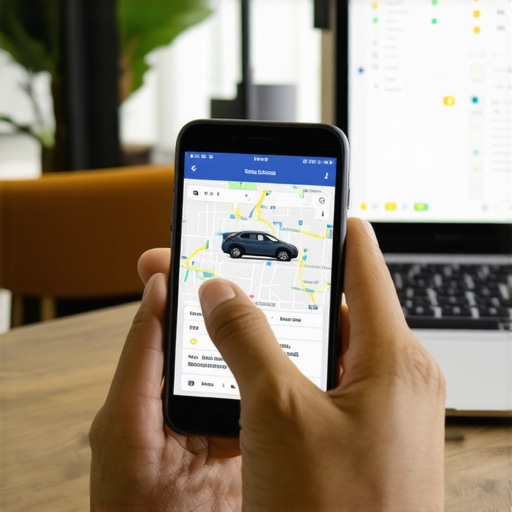
How to keep your travel logistics running smoothly every month
Maintaining this level of control requires a ‘Sunday Night Check-In Routine.’ Every Sunday, I spend exactly five minutes verifying the upcoming week’s bookings. This is exactly why hourly booking is the secret to stress-free event planning; you are not fighting for a car when the concert ends or the meeting breaks—you already own that time block. If you have not done it yet, my challenge to you is this: for your very next high-stakes trip, perform that ‘Three-Point Check’ (plate, face, name) we discussed. It is a tiny habit, but it shifts the entire security power balance back to you, the passenger.
The Hardest Lesson I Learned About Trusting My Phone
I used to believe that a high-tech app meant a high-safety experience, but my freezing night at O’Hare proved otherwise. The biggest lightbulb moment for me was realizing that technology is a tool, not a guardian. I learned that human accountability is the only thing that doesn’t glitch when the cell towers are overloaded. Now, I never trust an ‘estimated’ time; I trust a confirmed dispatcher who knows the local road closures. Another massive realization was that why safety and timeliness matter in hourly reservation services goes far beyond just getting home; it’s about protecting your mental energy for the things that actually matter. If you aren’t auditing your rides, you’re leaving your safety to chance.
My Personal Safety Gear for the Road
I don’t leave my logistics to luck anymore. First, I always keep a reference for how to verify your drivers commercial policy without the friction so I can check credentials in seconds. I also recommend keeping a physical note of your dispatcher’s direct line; phones die, but numbers on paper don’t. For my regular routes, I’ve found that learning how to set up a recurring weekly commute that never fails is the ultimate ‘tool’ because it builds a relationship of trust with a specific team. Finally, I use carrier safety databases to stay informed on fleet ratings—knowledge is your best armor.
Take Back Control of Your Transit
Safety isn’t a feature you buy; it’s a standard you demand. By following these steps, from the three-point check to the 17-minute buffer, you are transforming yourself from a passive passenger into a prepared traveler. You deserve the safety precision the key to reliable hourly reservations for peace of mind that comes with professional service. Don’t let another ‘ghost’ booking leave you stranded on a dark curb. Have you ever caught a major red flag in a ride confirmation before getting in the car? Let me know in the comments below!