
I’ll never forget that 4 AM pickup in the middle of a rainy November night. I was exhausted, but the man behind the wheel looked significantly worse. His eyes were bloodshot, and he was gripping the steering wheel like it was the only thing keeping him from face-planting onto the dashboard. I made a classic mistake: I stayed silent. I didn’t want to be “that passenger.” Five minutes into the ride, the car drifted toward the shoulder. That jolt of adrenaline changed my approach to private travel forever. Today, I’m going to show you exactly how to verify your driver is fit for the road so you never have to feel that gut-punch of fear again.
Why Your Safety Depends on More Than Just a Confirmed Booking
Driving while tired isn’t just a minor inconvenience; it is statistically as dangerous as driving under the influence. According to the National Sleep Foundation, being awake for 17 to 19 hours can produce impairments equivalent to a blood alcohol concentration (BAC) of 0.05%. When you prioritize safety and precision for reliable hourly reservations, you aren’t just paying for a vehicle; you’re paying for a professional who is physically prepared for the job. Early on, I assumed every “pro” had their sleep schedule dialed in perfectly. I was wrong. I learned the hard way that you have to be your own advocate. Whether you are using a 3 AM pickup blueprint or a simple midday shuttle, your life depends on their alertness. Have you ever stepped into a car and immediately felt like the driver was on autopilot?
Can You Actually Tell If a Professional is Too Tired to Drive?
It’s a valid fear. Most of us aren’t doctors, and we certainly don’t want to start a confrontation at the curb. But there is a massive difference between a quiet, focused driver and one who is struggling to stay present. You need to know how to tell if your driver is properly rested before the doors lock and the tires move. This isn’t about being paranoid; it’s about ensuring safety first on every single trip you take.
Watch for These Immediate Curbside Red Flags
The moment that vehicle pulls to the curb, your safety audit begins. Don’t just look at the make and model; look at the person behind the glass. A driver who is struggling to stay awake often exhibits subtle physical cues that are easy to miss if you’re buried in your phone. Look for frequent blinking, eye-rubbing, or a slumped posture. Professionalism is a package deal, and you can often judge a driver’s readiness by how they maintain their environment. I always perform the floor mat check; a driver who keeps a pristine cabin usually applies that same discipline to their sleep schedule and vehicle maintenance. If the car is cluttered with energy drink cans or fast-food wrappers, take it as a sign that they are likely running on fumes rather than proper rest. When reserving your spot to guarantee safety and punctuality 24/7, you are entitled to a driver who is as sharp as their suit.

Try the Five-Second Verbal Response Test
Cognitive lag is one of the first signs of exhaustion. Before you let the driver pull away, engage them in a brief, specific conversation. Avoid generic greetings. Instead, ask a question that requires a bit of processing, such as asking for their opinion on a specific route or verifying how to handle a route change mid-trip without confusion. I remember a rainy pickup in Seattle where I asked the driver if he preferred the tunnel or the surface streets. He stared at me for nearly four seconds before blinking and asking me to repeat the question. That delay was all I needed to know his reaction times were compromised. I didn’t get in. It felt awkward for thirty seconds, but that is a small price to pay for your life. If you want to know how to ensure your driver is not fatigued during a late-night trip, listen for the speed and clarity of their speech. Slurring or repetitive phrases are major warnings.
Demand Transparency Through Real-Time Monitoring
In the modern era of private travel, you shouldn’t have to guess about a driver’s behavior. A legitimate service will have internal systems to monitor their fleet’s performance. For instance, why driver speed alerts are the backbone of passenger safety is simple: it prevents the erratic, jerky movements typical of a tired driver trying to make up for lost time. When you are in the car, pay attention to their lane discipline. A rested driver makes smooth transitions; a tired one often over-corrects or drifts toward the lines. You are also within your rights to ask about the company’s dispatching limits. Professional services ensure their drivers aren’t pulling double shifts, which is exactly how to tell if your driver is properly rested before you even step off the curb. By observing how they interact with their GPS and their mirrors, you can gauge whether they are truly present or just operating on muscle memory.
Most travelers believe that seeing a little car icon crawling across a map on their smartphone is the ultimate proof of an on-time arrival. This is one of the most dangerous myths in modern travel. In my years of managing high-stakes logistics, I’ve seen how refreshing your tracking app might give you false arrival times, leading to a cascade of missed flights and ruined meetings. You think you’re seeing reality, but you’re often seeing a predictive algorithm that doesn’t account for road construction or the fact that the driver just stopped for fuel. This is the ‘oops’ factor that separates the amateurs from the elite. Real safety and precision for reliable hourly reservations come from human oversight, not just a GPS ping.
Stop Trusting the ETA on Your Phone Screen
Everyone says technology has solved the punctuality problem, but in my experience, over-reliance on automation is exactly where things go wrong. When you book a ride, you aren’t just buying a seat; you’re buying a time slot. Many people make the mistake of thinking an ‘on-demand’ app is just as good as a pre-arranged service. However, on-demand apps often struggle with prompt airport pickups because they rely on whoever happens to be nearby, rather than a driver who has been specifically assigned and rested for your trip. According to the National Safety Council, fatigue-related accidents are often the result of erratic scheduling—something that happens far more frequently with ‘gig’ drivers than with professional hourly chauffeurs. 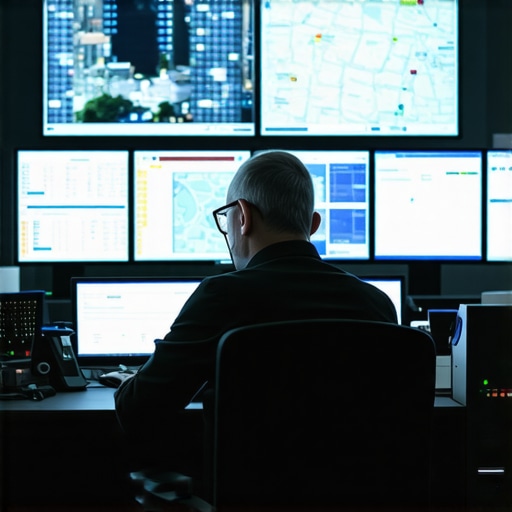
Can an Automated Dispatch System Really Understand Real-World Gridlock?
The short answer is no. While AI is great at calculating the shortest distance between two points, it lacks the intuition of a local expert. I always tell my clients that manual reservation checks outperform automated bots every single time. A human dispatcher knows that a local festival or a sudden rainstorm will quadruple travel times in a way an algorithm might miss until it’s too late. If you want top tips for on-time reservations at any hour, look for services that prioritize human communication. Have you ever fallen into the trap of trusting a ‘5-minute’ ETA only to have it turn into twenty? Let me know in the comments. This transparency is vital because safety and timeliness matter more than a sleek interface.
The Math That Proves Hourly is Actually Cheaper
A common misconception is that booking a driver by the hour is an unnecessary luxury. On the contrary, the hidden math behind why hourly chauffeurs save executives money is undeniable when you factor in the cost of lost productivity and the risk of being stranded. When you have a dedicated professional, you eliminate the ‘wait-and-see’ anxiety of one-way bookings. This is especially true for complex schedules where one-way bookings often lead to unnecessary stress. By securing a driver for the duration of your needs, you ensure they are not rushing from another job to get to you. This reduces the urge for the driver to speed, which is how to ensure your hourly driver stays within safe speed limits while still getting you to your destination with time to spare. Don’t settle for the illusion of punctuality; demand the real thing by reserving your spot to guarantee safety and punctuality 24/7.
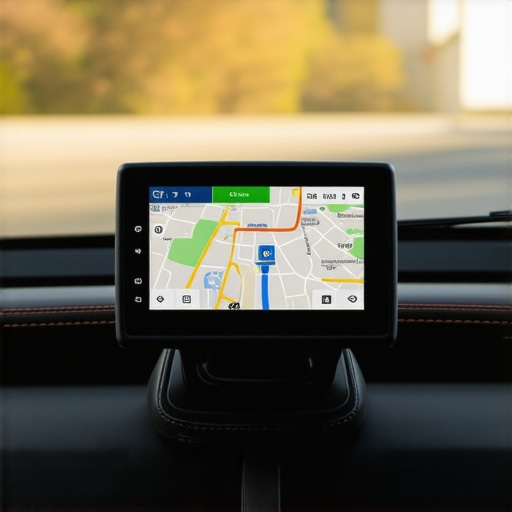
It’s one thing to have a driver who is wide awake, but it’s another thing entirely to have one equipped with the right tools to stay that way. I’ve seen too many ‘professionals’ relying on a cracked smartphone suction-cupped to the glass. If you see that, you should be worried. A phone is a distraction machine—notifications, personal calls, and signal drops are recipe for disaster. That is exactly why we use dedicated GPS hardware instead of smartphone apps. Dedicated units like the Garmin Fleet series don’t lose signal when a call comes in, and they provide far more accurate lane guidance in dense urban environments.
Spot the Equipment That Actually Matters
When you step into a vehicle for reliable hourly reservations, take a quick glance at the dashboard. You want to see integrated systems. I personally look for real-time telemetry monitors. These tools track everything from hard braking to rapid acceleration. It’s not about micro-managing the driver; it’s about having an objective record of performance. This data is far superior to any app because why real-time vehicle data is more accurate than estimated times comes down to its direct connection to the car’s computer. It knows the exact fuel level and engine health before a light even flickers on the dash.
Speaking of engine health, the best tools are sometimes the simplest ones. I always tell my clients to look at the ‘small’ maintenance. I call it the windshield wiper test; if a driver hasn’t replaced a ten-dollar blade, they haven’t checked the brake pad squeal you should never ignore before a long trip either. Maintenance isn’t a suggestion; it’s the foundation of staying secure and punctual. According to the Geotab ‘State of Commercial Transportation’ report, companies utilizing real-time engine diagnostics reduce roadside breakdowns by up to 20% through predictive maintenance alerts. If your car service isn’t using these tools, they are just guessing.
How do I maintain consistent safety for every booking?
Consistency comes from a repeatable audit. I never assume a car is ready just because it was fine yesterday. You should look for services that integrate on-time every time strategies for safe and reliable hourly bookings by using automated pre-trip checklists. This ensures that why real-time fuel monitoring prevents unexpected roadside stops is a reality, not just a marketing slogan. In the near future, I expect vehicle-to-everything (V2X) communication to make ETAs virtually perfect by letting cars ‘talk’ to traffic lights, but until then, we rely on why automatic re-routing is essential for city travel to bypass gridlock manually. My best advice? Next time you book, ask the company what specific GPS hardware they use. If they say ‘an iPhone,’ keep looking. Try the windshield wiper test on your next ride—it’s the fastest way to see if the company cares about the details before you trust them with your schedule.
After years of managing high-stakes logistics, I have realized that safety is not a passive experience; it is an active partnership between you and your service provider.
The Hard Lessons Learned from 4 AM Pickups
First, never ignore the subtle cues of a driver’s demeanor—if they seem physically drained, they probably are. I have found that the hidden math behind why hourly chauffeurs save executives money is rooted in the fact that these drivers are not incentivized to squeeze in one last fare before your pickup. Second, always verify the company’s background before the car arrives. Knowing how to background check your private transport company in minutes gives you an immediate layer of defense that most passengers skip. Lastly, remember that a reservation is only as effective as the timing behind it. I always look to maximize your safety and satisfaction with our precise reservation timing so that there is never a reason to rush through traffic.
Tools That Transformed My Travel Security
When I am planning complex travel, I rely on a specific set of frameworks to ensure nothing is left to chance. I always use a 3 AM pickup blueprint to vet late-night services and ensure the person behind the wheel is truly rested. I also highly recommend investigating how to audit your online booking for hidden security vulnerabilities to ensure your personal data is just as secure as your physical safety. For overall operational excellence, nothing beats on-time every time strategies for safe and reliable hourly bookings. These are the tools that have kept me on schedule for global meetings while others were left waiting on the curb.
Demand More from Your Next Private Driver
You should never have to compromise on your well-being just to reach your destination. By demanding safety and precision for reliable hourly reservations, you are setting a standard that ensures excellence across the industry. Travel should be a seamless bridge to your next success, not a source of stress. Trust your instincts, use the right equipment, and keep ensuring safety first as your top priority on every trip. Have you ever stepped into a vehicle and immediately felt like the driver was too exhausted to be driving? Let me know your experience in the comments below.