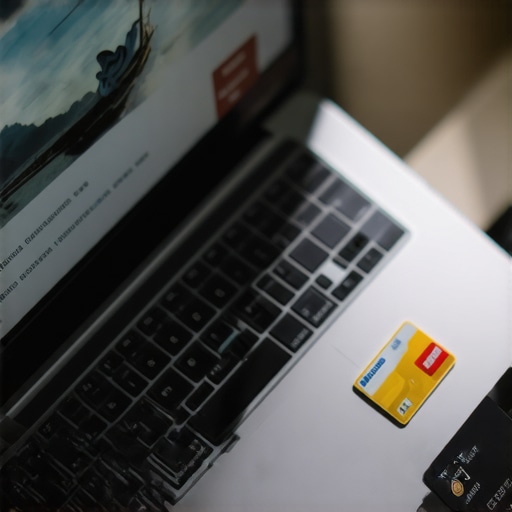
I was standing on a curb in Chicago, shivering as a bitter November wind whipped through my coat while I stared at a smartphone screen that promised a car was five minutes away. I had used a discounted link I found on a travel forum, thinking I was being savvy. The screen said confirmed, but the car never showed up, the support line was a dead end, and I was effectively ghosted. It wasn’t just about the fifty dollars I lost; it was the realization that some unknown entity now had my credit card details and my exact location at 11 PM.
My $200 Lesson in Digital Deception
I made a massive mistake early in my travel career by prioritizing a small discount over actual security. I used to think a booking link was just a link, but I quickly learned that the gateway you use determines your safety. Using unverified sources doesn’t just risk your schedule; it puts your sensitive information on a silver platter for scammers. Today, I am going to show you how to spot these red flags and why verified reservation security measures are the only way to travel. We will look at how to protect your data and ensure that when you book a ride, a professional driver actually pulls up.
Does the Booking Source Really Matter That Much?
You might think I am being a bit paranoid, but the rise in travel-related phishing is staggering. According to a report by the Federal Trade Commission, travel and vacation-related scams cost consumers hundreds of millions of dollars annually, and many of these scams start with a simple, illegitimate link. If you aren’t sure how to verify your payment is processed via a secure gateway, you are essentially gambling with your bank account. Have you ever clicked a link for a service that seemed just a little too cheap to be true?
The Real Cost of a Cheap Reservation Link
When you use a non-verified link, you lose the on-time arrival guarantee that professional services provide. I remember another time I tried to save money and ended up missing a flight because the third-party site did not actually sync with the driver’s dispatch system. This is exactly why the danger of relying on verbal confirmations for important travel is so real. You need a digital paper trail, a secure platform, and a verified provider to ensure reservation security measures are actually in place. Beyond just the money, you have to consider how to secure your personal data when booking airport transfers so you are not dealing with identity theft months later. It is about more than just the ride; it is about protecting your life and your schedule from unnecessary chaos.
Confirm the Secure Gateway Before You Type
Thinking of a booking link as ‘just a URL’ is like thinking of a bank vault as ‘just a door.’ If the hinges are rusty and the lock is made of plastic, you wouldn’t put your life savings inside. When you are looking for how to verify your payment is processed via a secure gateway, look for the ‘https’ and the padlock icon, but go deeper. Check if the site uses recognized processors like Stripe or PayPal, which act as a shield between your card and the provider. I once ignored a slightly misspelled URL for a ‘discounted’ car in London; twenty minutes later, I was hit with three fraudulent charges and no ride to the airport.
Look for These Encryption Red Flags
Beyond the padlock, a secure site will never ask for your PIN or social security number just to reserve a ride. If the checkout page feels clunky or redirects you to a third-party site you don’t recognize, close the tab immediately. This human-led vigilance is why a human dispatcher outperforms an ai every time when it comes to technical safety.
Demand a Physical Paper Trail for Every Booking
Digital ghosts are the nemesis of travel. You click ‘book,’ a screen flashes ‘success,’ and then… nothing. You need to know why you must demand a physical copy of your trip reservation via email or PDF immediately. This is your insurance policy. If a driver claims they don’t have you on the schedule, that document is your leverage to get the service you paid for.
The 3 AM Blueprint for Early Morning Certainty
Last winter, I had a 4 AM pickup for a crucial business meeting. Instead of hoping the app would find someone awake, I used the 3 am pickup blueprint ensuring your driver is awake and ready. I confirmed the ride the night before and ensured the dispatcher had a secondary contact number. This extra five minutes of effort meant I was sipping coffee in the terminal while others were stranded on the curb. 
Use This 5-Point Safety Check Before Boarding
Once the car pulls up, your job isn’t over. You need to perform the routine for inspecting your ride before boarding. First, check the plates against your booking. Second, verify the driver’s name—never offer yours first; ask them who they are picking up. Third, take a quick look at the interior. I always use the floor mat check a simple way to judge driver professionalism; if the mats are filthy, the driver likely cuts corners on maintenance. Fourth, how to verify the commercial validity of a transit schedule involves checking for the proper city permits or livery stickers. Finally, sit behind the front passenger seat—it’s the safest spot and gives you the best exit path. Following these steps turns a gamble into a calculated, secure journey.Many travelers assume that point-to-point hailing is the height of efficiency. In reality, it is a gamble with your time and safety. The most common mistake I see experienced travelers make is believing that a ‘confirmed’ status on an on-demand app is the same as a professional reservation. It isn’t. When you hail a car in real-time, you are at the mercy of whoever happens to be closest, regardless of their training or vehicle condition. This is precisely why hourly booking is more reliable than ride-hailing apps; you are securing a dedicated professional whose sole focus is your specific itinerary.
Why Your App’s GPS is Basically Science Fiction
We have all been there: staring at the little car icon on our screen as it dances around the block, seemingly moving in circles while the ‘ETA’ stays stuck at three minutes. This ‘oops’ factor is more than just a glitch. The industry calls it ‘ghosting’ or signal lag, and it creates a false sense of security. I’ve learned that why gps lag can ruin your meeting schedule is often due to the platform prioritizing quantity of rides over the accuracy of the data shown to the user. Professional dispatchers, on the other hand, use high-frequency telematics that don’t rely on a driver’s spotty cell signal. 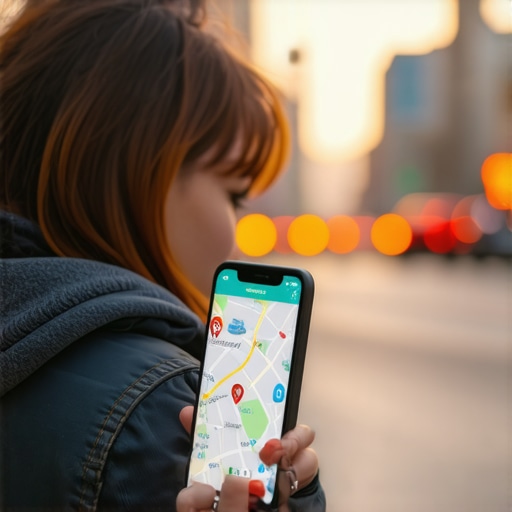
How do you spot a fatigued driver before it is too late?
This is the advanced question every solo traveler should be asking. According to a study by the National Safety Council, driver fatigue is a factor in up to 20% of motor vehicle crashes, yet most app-based platforms have surprisingly loose enforcement of rest periods. When you book a dedicated service, you should ask about their shift-limit policies. Knowing how to ensure your driver is not fatigued during a late night trip is a vital skill. I always look for heavy eyelids or a lack of verbal response when I first enter the vehicle. If the driver seems ‘out of it,’ I cancel the ride immediately. Your life is worth more than a cancellation fee.
The Hidden Nuance of the Multi-Stop Buffer
Another nuance that beginners miss is the ‘dead-head’ time between appointments. If you are booking point-to-point for a series of meetings, you are resetting your risk profile with every new driver you hail. By using a single hourly provider, you ensure that why on-time performance is the only metric that matters remains the priority for the entire day. You aren’t just paying for the miles; you are paying for the driver to wait and protect your perimeter. Have you ever fallen into the trap of thinking a quick ‘hail’ would be faster than a reservation, only to be left standing in the rain? Let me know in the comments.Wait, did I actually get what I paid for? I ask myself this after every long-haul trip because I’ve realized that the end of the ride isn’t the end of the transaction. To stay ahead of the game, I treat my travel logs like a professional audit. I never just close the app and forget about the trip; that is how small, ‘accidental’ fees become permanent line items on your bank statement. I compare my initial quote with the final charge to ensure total transparency. Knowing how to audit your final ride bill for hidden fees is a skill that has saved me hundreds of dollars over the last year alone. But it is not just about the money; it is about data hygiene. I make it a point to know how to store your trip data securely away from third-party apps by using encrypted storage solutions rather than leaving PDFs in my ‘Downloads’ folder where any malware could find them. This proactive approach ensures my personal history and location patterns stay my own.
How do I keep my reservation security tight year after year?
The secret is to stop being a passive passenger and start demanding hard data. I always ask for a direct link to the vehicle’s internal tracking system, because I have learned why real-time vehicle data is more accurate than estimated times provided by standard consumer apps. When you know how to track your drivers real-time progress without an app, you bypass the lag and the marketing fluff, seeing exactly where the wheels are hitting the pavement. This level of technical oversight is why I prioritize services that align with the National Highway Traffic Safety Administration (NHTSA) standards for Electronic Logging Devices (ELDs), which ensure that the professional behind the wheel is not pushing past their legal and physical limits. 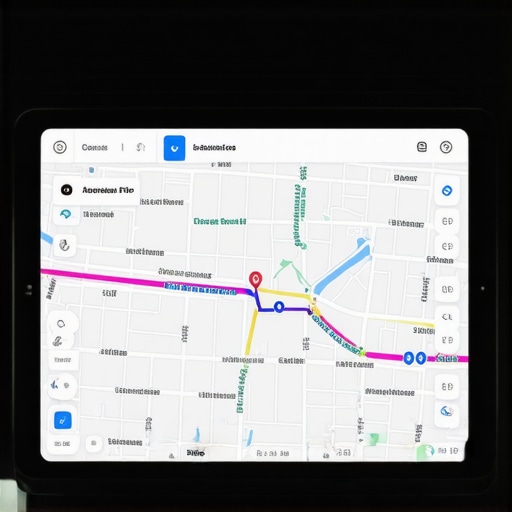 Looking ahead, I see the industry moving toward ‘zero-wait’ models where your car is essentially a secure, mobile extension of your office. We are already seeing the integration of predictive AI that doesn’t just react to traffic but anticipates it based on historical city-wide data. To navigate this future safely, you have to understand why safety and timeliness matter in hourly reservation services today. My best advice for scaling your personal travel security? Layer your digital habits. Use a hardware security key for any account linked to your travel payment methods. By layering physical security with digital vigilance, you create a fortress around your itinerary. Start by checking out these stay secure and punctual-the-essential-hourly-reservation-tips-for-timely-service and take five minutes after your next ride to verify your data and your bill. It is the difference between being a target and being a traveler who is truly in control of their schedule.
What Pro Travelers Know About the ‘Ghost Car’ Myth
After thousands of miles logged, I have realized that ‘cheap’ is usually the most expensive way to travel. The hardest lesson was accepting that digital convenience often disguises physical risk. I used to think I was winning by saving ten dollars, but I was actually sacrificing my peace of mind. One lightbulb moment for me was realizing that if a platform does not offer a direct line to a dispatcher, you are not a client—you are just a data point. Another realization? Punctuality is not about driving fast; it is about the logistics behind the scenes. Professionals do not ‘find’ a car for you; they assign one, which is exactly why on-time performance is the only metric that matters when your schedule is on the line.
The Gear That Keeps My Itinerary Bulletproof
I do not just hope for the best anymore; I use a specific stack of resources to stay safe. First, I always check the National Highway Traffic Safety Administration (NHTSA) guidelines to ensure the companies I hire meet federal standards. For my own records, I have mastered how to audit your final ride bill for hidden fees so I never pay for ‘ghost’ surcharges. I also rely on hardware security keys like Yubico for my travel accounts to prevent session hijacking. Most importantly, I have learned how to store your trip data securely away from third-party apps using local encrypted folders, ensuring my movements are not being tracked by unknown entities long after the trip is over.
#IMAGE_PLACEHOLDER_E#
Take the Reins of Your Next Arrival
The transition from a passive passenger to an empowered traveler starts with one simple choice: prioritizing verification over speed. By applying these stay secure and punctual-the-essential-hourly-reservation-tips-for-timely-service, you are not just booking a ride; you are securing a guarantee. You now have the blueprint to vet your driver, verify your gateway, and audit your results. Travel should not be a gamble. When you understand why safety and timeliness matter in hourly reservation services, the anxiety of the ‘unknown car’ disappears. Your time is your most valuable asset—treat it with the respect it deserves. Have you ever caught a hidden fee or a safety red flag just in the nick of time? Let me know in the comments below!