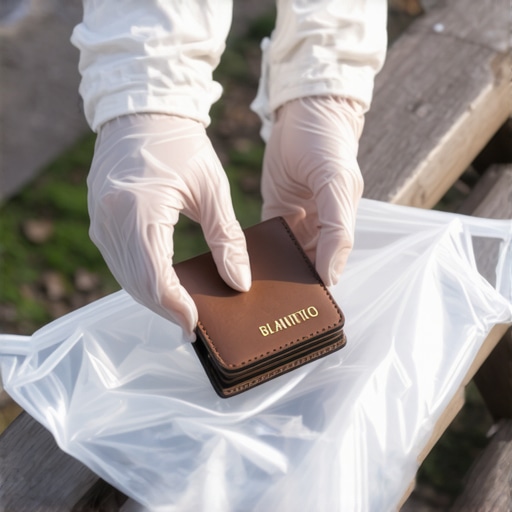
I still remember the ice-cold pit in my stomach when I realized my briefcase, packed with my laptop and travel documents, was sitting in the back of a car that was already three blocks away. My first instinct was to panic and start broadcasting my location and personal details to anyone who would answer the phone. It was a massive mistake that I see people make far too often. We get so desperate to get our stuff back that we completely forget that our data and physical safety are worth way more than a piece of hardware. In that moment of crisis, I almost gave away my home security codes just to prove the bag was mine. I learned the hard way that how you handle a lost item is just as important as finding it in the first place.
I Made the Rookie Mistake of Trusting the Wrong Channels
When I first started traveling for high-stakes meetings, I thought any ride-hailing app would do. But after that briefcase incident, I realized that the hidden risk of using non-verified booking links or platform-based messaging is that you lose control of your privacy the second something goes missing. I spent three hours arguing with a bot while my sensitive data sat in a stranger’s trunk. Today, I want to show you how to bypass that stress by using professional logic that keeps your identity under lock and key. We are going to dive into why why hourly hires minimize the risk of lost items by providing a direct, secure line of communication that doesn’t involve a third-party support ticket. Have you ever felt that frantic wave of panic after closing a car door and realizing you left your phone behind? Drop a comment or reach out because I’d love to hear how you handled it.
Is a strict recovery protocol really worth the extra effort?
You might think I’m being paranoid, but the statistics back me up. According to the Identity Theft Resource Center, physical device loss remains a significant contributor to unauthorized data access, especially when users bypass secure channels to facilitate a quick return. Early in my career, I once shared my gate code with a driver I didn’t know just to have him drop off a forgotten tablet. Looking back, that was a huge security breach on my part. Now, I always advocate for the secure way to store your home address in a booking app so that even in a rush, you aren’t leaking your private life to the world. When you book a professional service, you aren’t just paying for the car; you’re paying for a chain of custody. Professionalism isn’t just about a clean suit; it’s about knowing that why on-time performance is the only metric that matters when it comes to meeting you at a safe, neutral location to return your property. Let’s look at the actual steps to ensure your next recovery is as boring and safe as possible.
[image_placeholder_1]
Lock Down Your Communication and Privacy First
Once you realize something is gone, the clock starts ticking, but rushing into a desperate text exchange is how you get burned. Think of your booking app like a high-security vault; once the ride ends, the vault door often slams shut. If you’ve used a standard app, you’re stuck behind a support ticket wall. This is exactly why why you need a direct line to your hourly driver. Last year, I left my iPad in a car during a multi-stop trip in Chicago. Because I was on an hourly contract, I didn’t have to wait for an AI to ‘review my case.’ I simply called the driver directly, and we coordinated a return without any third-party lag.
Verify Who Is Actually Behind the Wheel
Security isn’t just about the item; it’s about the person returning it. Before you even agree to a meetup, you need to be certain you’re dealing with a professional. I always recommend that passengers verify every driver’s identity before they arrive. In my Chicago mishap, I knew exactly who my driver was because the agency provided a full profile beforehand. This level of transparency prevents the ‘lost item scam’ where a random person claims to have your gear just to lure you into a vulnerable spot.
The Safe Way to Execute the Hand-off
Never, under any circumstances, invite a driver you don’t know personally to your front door for a recovery. It’s like giving a stranger the keys to your life. Instead, treat the recovery like a business transaction. Pick a neutral, high-traffic location like a hotel lobby or a well-lit coffee shop. This is where how to identify a safe drop-off point in an unfamiliar city becomes a vital skill. When I met my driver in Chicago, we met at the concierge desk of a Hilton. It was professional, recorded on CCTV, and kept my home address completely out of the equation.

Build a Buffer into Your Schedule
Recoveries take time, and if you’re rushing to a flight, you’ll make sloppy security choices. Punctuality isn’t just for arrivals; it’s for peace of mind. I’ve found that why a 20-minute buffer is the new gold standard because it gives you the breathing room to check the backseat properly before the car even pulls away. If I had just taken ten extra seconds to scan the floor mats in that Chicago ride, I wouldn’t have needed the recovery at all. Now, I use the routine for inspecting your ride not just when I get in, but especially when I get out.
Why Hourly Logistics Protect Your Property
Point-to-point rides are designed for volume, not security. The driver is already looking for their next fare before you’ve even unbuckled. In contrast, why hourly drivers provide the best security for high-value goods is simple: you are their only priority for that block of time. They aren’t in a hurry to clear the car for the next stranger. This dedicated focus is the key to reliable hourly reservations. When you aren’t just another ‘ping’ on an algorithm, the driver takes personal responsibility for the cabin’s integrity. It turns a chaotic search into a structured, professional hand-over.
Let’s dig deeper into the psychology of modern travel. Most people assume that because they can see a little blue dot moving across their phone screen, they are safe and on schedule. I used to believe this too, until a ‘ghost car’ in London cost me a partnership deal because the GPS signal was spoofed to keep me from canceling. This is the biggest myth in the industry: the idea that ‘instant’ equals ‘reliable.’ In my experience, relying on the algorithm of a mass-market app is a gamble where the house always wins, not the passenger. Real security comes from reserving your spot through a dedicated service that values human accountability over a line of code.
The Blue Dot Illusion and Why It Fails You
The contrarian truth that high-level executives know is that live tracking is often a psychological pacifier rather than a technical guarantee. We see the car on the map and we stop worrying, but the difference between live tracking and estimated progress can be as much as ten minutes depending on the cellular network’s refresh rate. When you are in a high-stakes environment, ten minutes is the difference between leading the meeting and apologizing at the door. Research from the MIT Center for Transportation and Logistics suggests that algorithm-based dispatching often prioritizes platform profit and ‘surge’ availability over individual passenger reliability, leading to higher cancellation rates exactly when you need the ride most. This is why why fixed schedules beat dynamic pricing every time; you aren’t fighting an algorithm for a driver’s attention.
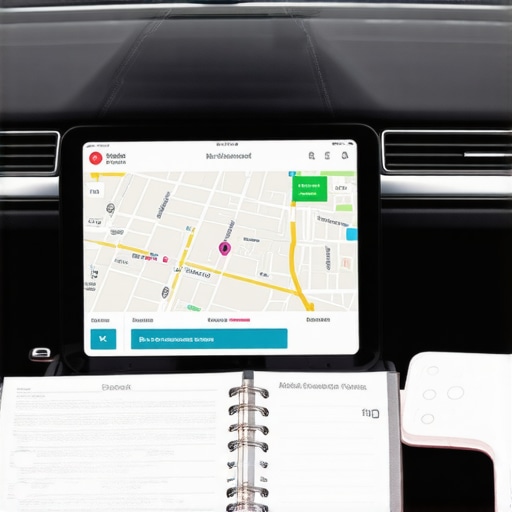
Why does your real-time tracking link sometimes lie to you?
It’s a sophisticated question that most travelers never ask. The reality is that standard apps use ‘predictive positioning,’ which estimates where the car should be based on speed, rather than where it actually is. If that driver hits a sudden road closure, the app might not reflect it for several minutes. This is why GPS lag can ruin your meeting schedule. A professional chauffeur service handles this differently. They use a human-in-the-loop system where why a human dispatcher outperforms an AI every time. While the AI is guessing, a dispatcher is looking at real-time traffic feeds and communicating directly with the driver to reroute before the delay even happens.
Stop Treating Instant Booking Like a Guarantee
The most common ‘oops’ factor I see with business travelers is the ‘five-minute trap.’ They think booking a car five minutes before they need to walk out the door is efficient. But why last-minute reservations often result in poor quality is simple: you get the driver who was closest, not the driver who was best prepared. For early morning flights, this mistake is magnified tenfold. I’ve learned that why a 4 am reservation needs extra planning is about ensuring the vehicle has been pre-inspected and the driver is fully rested, something you can never verify with a random ‘ping’ on an app. Have you ever fallen into this trap and had a driver cancel on you at the last second? Let me know in the comments because I’ve been there, and it’s a hard lesson to learn. True on-time arrival is a discipline, not a lucky break.
Scaling your personal safety protocols means moving beyond simply ordering a car to managing a transit asset like a professional. I personally use a dedicated travel log—a simple spreadsheet or a shared Notion page—to keep track of driver names, vehicle plates, and punctuality records. This allows me to how to audit your monthly travel spend without stress and identify which services are actually keeping their promises versus which ones are just lucky. According to the Global Business Travel Association (GBTA), ‘traveler friction’—the fatigue and stress caused by poor logistics and safety concerns—is a major drain on executive performance, potentially reducing productivity by up to 30%. By treating my transit like a boardroom meeting, I eliminate that friction before it even begins.
The Exact Toolkit I Use to Stay Sharp
One tool I never travel without is a secondary offline map app like Organic Maps or Maps.me. Even though why our drivers never use unverified navigation apps, having my own verified route allows me to how to get your driver to use the safest highway route if I notice we are heading into a known bottleneck that the driver’s GPS might miss. It’s about being an active participant in your safety, not just a passenger. I also recommend a physical ‘driver verification’ card in your wallet that lists the top three things to check before you open the door. It sounds old-school, but in a world of digital distractions, physical backups are your best friend.

How can I maintain this level of precision on every single trip?
The secret is repetition and reserving your spot well in advance. For my regular routes, I how to set up a recurring weekly commute that never fails. This creates a predictable ‘slot’ in a professional’s schedule that is insulated from market fluctuations. When you are a regular client, you aren’t just a number; you are a priority. This is why safety and timeliness matter in hourly reservation services—it builds a relationship of mutual respect and accountability. Over time, your driver learns your specific preferences, from the protocol for requesting a silent ride after a long flight to the exact temperature you like the cabin, which further reduces travel-related decision fatigue.
The Future of Ground Transit is Human
Looking ahead, I predict a massive shift away from ‘mass-market’ mobility for anyone who values their time. As urban congestion worsens and app algorithms become more profit-focused, the wise will lean harder into why hourly rates are the only way to handle multiple client meetings. We are moving toward a ‘reservation-first’ economy where the ability to maximize your safety and satisfaction with our precise reservation timing becomes the ultimate luxury. My challenge to you is simple: for your next high-stakes day, bypass the standard app and try booking a dedicated hourly professional. Experience the mental clarity of why hourly drivers offer better mental clarity for busy executives and see if you ever want to go back to the ‘blue dot’ gamble. It’s time to stop hoping for an on-time arrival and start on-time arrival mastering the art of reservation and safety every hour.
Hard Lessons from a Decade in the Backseat
One of the biggest shifts in my mindset happened when I stopped viewing car service as a commodity and started seeing it as a security layer. First, I learned that your digital footprint is far more vulnerable than your physical wallet; never unlock your phone for a stranger to help them find an address. Second, I realized that on-time every time strategies for safe and reliable hourly bookings are the only way to prevent the panic that leads to sloppy security mistakes. Finally, I’ve seen that true reliability isn’t about the car’s brand—it’s about the driver’s vetting. If you aren’t using ensuring safety and punctuality top tips for on-time reservations at any hour, you are essentially gambling with your schedule.
My Personal Kit for Stress-Free Movement
I don’t leave my travel success to chance, and neither should you. I rely on Organic Maps for offline navigation because cell towers fail, but human-led routes don’t. I also recommend the Global Business Travel Association (GBTA) whitepapers to understand the real cost of traveler friction on your performance. Most importantly, I keep a digital log in Notion of every professional I hire; this helps me understand why hourly rates are the only way to handle multiple client meetings with a crew I already trust. For those truly high-stakes days, I always go through a vetted portal to ensure reserving your spot is backed by a real human dispatcher who knows my itinerary as well as I do.
Start Demanding Better for Your Next Trip
The transition from a reactive traveler to a proactive executive doesn’t happen overnight, but it starts with one better choice. You deserve to arrive at your destination with your data secure, your mind clear, and your schedule intact. By choosing professionals who value accountability over algorithms, you are investing in your own peace of mind. It is time to embrace on-time arrival mastering the art of reservation and safety every hour as your new standard for travel. Have you ever had a travel mishap that forced you to change how you book rides? Let me know in the comments below.