
I remember standing on a rain-slicked curb at 4:00 AM, clutching my laptop bag and watching a dark sedan pull up. The license plate matched, but when the window rolled down, the person inside looked absolutely nothing like the smiling face on my app. I was exhausted, stressed about a flight, and I made the mistake of getting in anyway. Ten minutes into the ride, when the driver started taking ‘shortcuts’ through unlit alleys, my stomach dropped. That experience was a wake-up call. It wasn’t just a glitch in an app; it was a total failure of identity verification. I realized then that a name on a screen is just pixels unless there is a rigorous, human-led process standing behind it. Today, I’m going to pull back the curtain and show you exactly how we make sure the person opening your door is exactly who they claim to be, every single time.
Why a Simple Profile Photo Isn’t a Security Guarantee
Most people assume that because they see a picture on their phone, the driver has been thoroughly vetted. I used to think the same thing until I saw how easy it is for unverified individuals to ‘rent’ accounts from legitimate drivers. This is a massive loophole in the gig economy. To combat this, we don’t just rely on digital uploads. We implement the protocol for verifying your chauffeurs permit through official municipal databases. It’s about creating a chain of custody for that driver’s identity that starts long before you book your hourly reservation. I’ve learned the hard way that skipping even one step in this process can lead to unnecessary anxiety. That’s why we also teach our clients how to spot a fake ride-sharing sticker from the sidewalk, because your safety starts before you even touch the door handle.
Is rigorous identity checking actually worth the hype?
You might wonder if we are being over-cautious. However, according to data from the National Safety Council, verifying professional credentials and identity is the single most effective way to reduce incidents in private transportation. When you see a driver from our team, you aren’t just seeing a face; you are seeing the result of a multi-factor authentication process that includes biometric checks and manual document review. We refuse to let our service fall into the trap of why on-demand apps often struggle with prompt airport pickups and safety—we prioritize the person over the platform. Have you ever felt that ‘gut feeling’ that your driver wasn’t who they were supposed to be? It is a terrifying position to be in, and it is exactly what we are here to prevent. We are moving beyond the basic ‘swipe and go’ mentality to ensure that how to verify your driver is not exhausted or misrepresented is part of our daily routine. This isn’t just about a ride; it’s about the peace of mind that comes with knowing your safety is being managed by professionals who actually care about the details.
Verify the permit before you verify the person
The first step in any legitimate verification process isn’t checking the driver’s face against a tiny thumbnail on your screen; it is verifying the vehicle’s right to be on the road. Professional chauffeurs must carry a physical or digital municipal permit that links them directly to the local regulatory body. When you approach a vehicle, you should look for the official licensing sticker—often located in the front or rear window. I always recommend that you the protocol for verifying your chauffeurs permit involves asking the driver to show their credential if it isn’t visible. This simple act acts as a filter. A legitimate pro will appreciate your diligence, whereas an impostor will likely get defensive or make excuses about ‘forgetting it at home.’ I once had a 3:00 AM pickup where the driver claimed his permit was ‘being renewed,’ but a quick check of the municipal database showed the car wasn’t even registered for commercial use. I cancelled on the spot. Avoiding that ride likely saved me from a major safety incident, and it’s why the 3 am pickup blueprint ensuring your driver is awake and ready starts with documentation, not just a confirmation text.
Why municipal databases beat digital uploads
Digital photos can be manipulated, but a live registration in a city database cannot. We use a three-way cross-check: the driver’s state ID, their chauffeur’s permit, and the vehicle’s commercial insurance policy. If any of these don’t align, the driver doesn’t move. You can replicate this by taking sixty seconds to how to background check your private transport company in minutes before you ever confirm a booking. It’s like checking the seal on a bottle of medicine—if it’s broken, you don’t use it.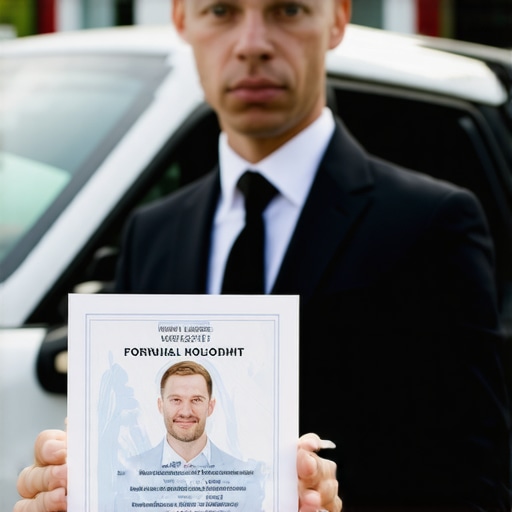
Don’t trust an app that lacks a human dispatcher
Algorithms are great for calculating traffic, but they are terrible at spotting a fraud. A human dispatcher is the ultimate safety net because they know the driver’s voice, their habits, and their history. When you book, ensure the company uses a real person to oversee the fleet. This is exactly why we prioritize human dispatchers over pure AI scheduling. If a driver tries to swap accounts or use a different vehicle, a human dispatcher catches the anomaly instantly. During a high-stakes trip for a corporate client last year, our dispatcher noticed a driver’s GPS was pinging from a personal sedan instead of the booked SUV. Because we had a human eye on the data, we intercepted the driver before he reached the client, preventing a massive security breach. This level of oversight is essential for ensuring safety-first your guide to on-time reservations at any hour.
Spotting the red flags in seconds
Beyond the paperwork, there are immediate physical cues you should look for. A professional driver will never lead the conversation by asking for your name; they will identify themselves and the company first. This is one of the most effective reservation security measures how to book safely and arrive on time. Also, take a moment to look at the vehicle’s maintenance. I always suggest the windshield wiper test a quick way to check fleet maintenance as a proxy for how the driver treats their professional responsibilities. If the equipment is failing, the driver’s commitment to your safety likely is too. By combining these manual checks with why real-time vehicle data is more accurate than estimated times, you create a shield of security that no ‘rented’ account can penetrate.
Let’s dig deeper into a hard truth that most on-demand apps won’t tell you: the ETA (Estimated Time of Arrival) you see on your screen is often a mathematical fantasy. Most people assume that if the app says ‘8 minutes away,’ the driver is actually 8 minutes away. In reality, those algorithms frequently ignore the ‘human lag’—the time it takes for a driver to finish a previous drop-off, find a safe legal U-turn, or even clear a security gate. This is a common trap because it lures you into a false sense of security, leading to a frantic dash when those 8 minutes turn into 18. I have found that why hourly booking is more reliable than ride-hailing apps comes down to the fact that the driver is already stationed in your ‘zone’ before the clock even starts ticking.
Why do so many ‘on-time’ reservations still end in a sprint to the gate?
The answer lies in what logistics experts call ‘non-recurring congestion.’ According to a study by the Texas A&M Transportation Institute, over half of all traffic delays are caused by random events like accidents or weather, which standard consumer apps are notoriously slow to pick up. If you are relying on a basic algorithm for a high-stakes meeting, you are essentially gambling with your schedule. This is why we emphasize safety precision the key to reliable hourly reservations for peace of mind. We don’t just look at the current traffic; we look at the historical patterns and active dispatch feeds that apps ignore. If you have ever been burned by an app that ‘lost’ your driver right before a flight, you know exactly what I mean. Have you ever fallen into this trap? Let me know in the comments.
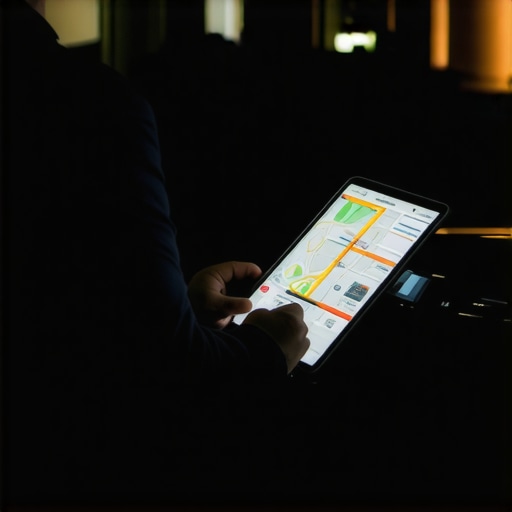
One of the biggest ‘oops’ factors I see with savvy travelers is the temptation to hedge their bets. I’ve seen clients try to mitigate risk by hiring two different services at once, but why double-booking a backup ride is a sign of a planning failure is simple: it fragments your focus and creates a chaotic pickup environment where security protocols are easily bypassed. Instead of doubling up on mediocre options, the pro move is to ensure you know how to verify the commercial validity of a transit schedule and the credentials of your specific provider. Real security isn’t about having a ‘Plan B’ that is just as flawed as ‘Plan A’; it’s about a single, robust chain of custody for your safety.
The secret math that separates pros from amateurs
The nuance that beginners miss is the ‘buffer logic.’ A professional chauffeur doesn’t just aim to be ‘on time’; they aim to be ‘early enough to fail.’ This means having a the 3 minute buffer that saves you from missing the train even after a luggage delay or a slow elevator. Furthermore, we look at vehicle readiness as a security metric. For instance, why real-time fuel monitoring prevents unexpected roadside stops is something most passengers never think about until they are sitting on the shoulder of a highway while their driver puts in five gallons of regular. By understanding how hourly rates protect you during unpredictable traffic, you aren’t just paying for a ride; you are buying a dedicated logistical team that has already solved the problems you haven’t even thought of yet.
The leap from a one-off safe ride to a consistent, high-performing transport system is where most people fail. I’ve seen enthusiasts get it right once, but scaling that level of reliability requires moving away from consumer-grade tools and into a professional mindset. For example, relying on a smartphone for navigation is a common rookie mistake that I learned to avoid years ago. Phones overheat, lose signal in dense urban canyons, and get interrupted by incoming calls at the exact moment you need to know which exit to take. This is exactly why we use dedicated GPS hardware instead of smartphone apps to keep our operations running smoothly. It is about building technical redundancy so that your commitment to being on-time arrival mastering the art of reservation and safety every hour is never at the mercy of a battery-draining software update. 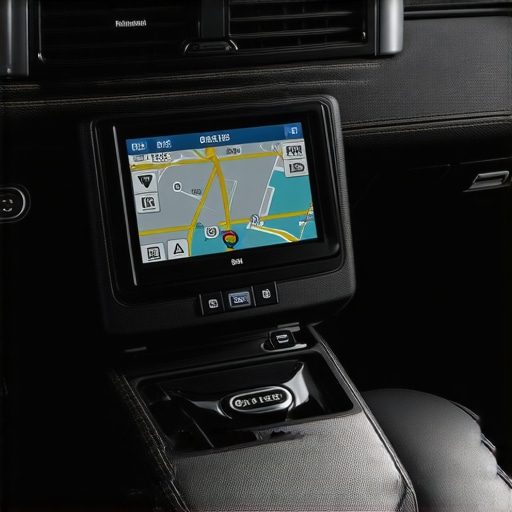
How do I maintain elite safety standards over the long haul?
Maintenance isn’t just about checking the oil; it’s about a relentless audit of the paperwork and the people. I personally review our fleet’s commercial policies every quarter because the proper way to audit your drivers commercial insurance changes as municipal regulations evolve. According to the National Highway Traffic Safety Administration (NHTSA), consistent vehicle maintenance combined with active driver monitoring can reduce mechanical-related accidents by over 20%. I take this a step further by implementing why driver speed alerts are the backbone of passenger safety. It ensures that every driver stays within the ‘goldilocks zone’ of speed—fast enough to be prompt, but never enough to risk a ticket or a traction loss. This long-term discipline is what separates a professional service from a gig-economy gamble.
Predictive tools for the next generation of travel
When I’m managing a complex multi-car pickup for a corporate event, I look for how to spot a professional dispatch center from a call center because the logistical software they utilize is on a completely different level than what the public sees. This level of sophistication allows for why geofencing is the best way to keep your family safe during transit—automatically alerting a central hub the moment a vehicle deviates from a pre-planned route. Looking ahead, I expect this trend to move toward hyper-local predictive AI that identifies traffic bottlenecks before they even appear on standard map apps. Before your next high-priority trip, I want you to try one specific advanced tactic: ask your provider about their hardware redundancy. If they tell you they simply rely on a driver’s personal phone for everything, that is your cue to reconsider the booking.
What I Finally Realized About Real Security on the Road
After years of managing high-stakes logistics, I’ve learned that safety is never a ‘set it and forget it’ feature. One of the most important lessons is that if the price feels too good to be true, the security protocols are likely the first thing being cut. I now know that why safety and timeliness matter in hourly reservation services goes far deeper than just getting from point A to point B; it’s about the silent work happening in the background. I’ve also realized that the physical state of a car is a direct window into the driver’s psyche. If they don’t care about a clean cabin, they likely haven’t performed the 5 point safety check for every nighttime ride. Lastly, never underestimate the power of human intuition. If something feels off, even if the paperwork looks correct, you have every right to step away. Professionalism is earned through transparency, not just a flashy app interface.
Tools That Helped Me Master the Logistics Game
I didn’t become an expert overnight; I relied on a few key resources to sharpen my standards. First, I always keep the NHTSA Safety Ratings bookmarked to check vehicle integrity before a long-term contract. Second, for my own peace of mind, I use how to verify the commercial validity of a transit schedule as my primary audit tool for any new provider. I also highly recommend the book ‘The Checklist Manifesto’ by Atul Gawande; it changed how I view the ‘small’ steps in driver vetting. Finally, I never book a trip without knowing how to background check your private transport company in minutes. These tools turn you from a passive passenger into an active manager of your own safety.
#IMAGE_PLACEHOLDER_E#
Your Next Move Toward Total Travel Security
The transition from stressful commuting to seamless travel happens the moment you decide to stop settling for ‘good enough’ algorithms. You now have the blueprint to verify permits, audit insurance, and spot red flags before they become problems. By choosing a service that values human dispatchers and rigorous hardware standards, you are investing in your own productivity and peace of mind. Remember, on-time arrival mastering the art of reservation and safety every hour is not a luxury—it is a standard you deserve. Don’t be afraid to ask the hard questions before you step into a vehicle. Your safety is worth the extra sixty seconds of due diligence. Even if you need to how to handle a route change mid-trip without confusion, a true professional will be ready to adapt without compromising your security. Safe travels are built on the foundation of preparation. Have you ever caught a driver using a different vehicle than what was listed on your app? Share your story in the comments below.