
I was standing outside an airport terminal last November, luggage in hand, shivering as the wind whipped through the sliding doors. My phone screen confidently flashed “Arriving in 2 minutes,” yet I’d been watching that same message for nearly a quarter of an hour. The little car icon on the map was frozen like a statue, even though the countdown timer kept teasing me with a false promise of warmth. It was a classic “estimated time” lie, and it nearly cost me a critical business meeting. That was my lightbulb moment: an algorithm’s guess is not the same as reality.
The Moment I Stopped Trusting the Countdown Clock
The truth is, I spent years thinking those ETAs were gospel. I would plan my on-time and reliable hourly bookings down to the second, only to be left stranded on the curb. One big mistake I made early on was assuming that a prediction was the same thing as a vehicle’s actual location. It is not. Predictions are just math based on historical averages; real-time data is the pulse of the street. Today, I am going to show you why real-time vehicle data is your best defense against lateness and how to stop being a victim of optimistic software.
Is this level of tracking really necessary?
You might think I am being a bit over-the-top. Does a three-minute discrepancy really matter in the grand scheme of things? When you are managing a 3 AM pickup blueprint for a flight you can’t miss, it matters immensely. According to research from the AAA Foundation for Traffic Safety, urban traffic variables can cause congestion to fluctuate by over 40% in just a few minutes, rendering static “estimates” practically useless. The problem is that many consumer apps rely on cached information, which is exactly why refreshing your tracking app might give you false arrival times. You see a ghost car while the real one is stuck three blocks away behind a double-parked delivery truck. If you have ever felt that specific spike of “where is my driver?” anxiety, you know exactly what I am talking about. Have you ever missed a life event because an app’s ETA was just plain wrong?
Moving From Mathematical Guesses to Actual GPS Pings
When we talk about real-time data, we are not talking about a “best guess” calculated by a server in another state. We are talking about dedicated hardware sending a signal every few seconds to give an exact coordinate. I realized the importance of this when I investigated why we use dedicated GPS hardware instead of smartphone apps; consumer phones lose signal, overheat, and their location services often “drift” by dozens of feet. Understanding the reason your real-time map sometimes lags in the city is the first step toward reclaiming your schedule. It is about more than just a moving icon on a screen; it is about the safety and peace of mind that comes from knowing exactly where your ride is before you ever step out the door. We are going to dive into the tech that makes this possible and how you can use it to ensure you are never left waiting in the cold again.
Look for the Signal Instead of the Clock
The first step in taking control is demanding transparency. Most people just open an app and hope. I changed my strategy after a nightmare in Chicago where a “five-minute” wait turned into forty because of a local street festival the app didn’t recognize. Now, I look for services that provide a direct link to the vehicle’s hardware. I realized why professional drivers avoid the shortest routes on GPS; they are looking at the flow of the city, not just the blue line on a screen. When you have access to a live map, you aren’t guessing. You are watching the car clear a specific intersection. This is exactly how how an hourly chauffeur can save your business trip productivity—by letting you finish those last three emails in the lobby instead of standing on a drafty corner.#IMAGE_PLACE_HOLDER_B#
Why Fixed Hourly Rates Keep Your Sanity Intact
We need to talk about the “Meter Anxiety” syndrome. Every time the car stops in traffic, you see the dollars ticking up, and your stress levels follow. It is a terrible way to travel. I have found that why fixed hourly rates are smarter than metered fares for executives is simple: it removes the incentive for the driver to take the “long way” and removes your fear of the “slow way.” When I am on an hourly booking, the driver is my partner, not a contractor trying to squeeze an extra five dollars out of a traffic jam. This is especially true when you use the math behind scheduling a ride during local rush hour. You are not just paying for the seat; you are paying for the driver’s patience.
Use the Buffer Time Formula That Actually Works
I used to think a ten-minute cushion was enough. It is not. The pros use the buffer time formula for city travel that actually works, which accounts for the “last mile” lag. This is the time it takes to get from your high-rise office door to the actual curb. If you want to be perfect, you need to learn how to time your exit from a high-rise to meet your driver perfectly. In my experience, adding 20% to any GPS estimate is the only way to stay calm and ensure on-time arrival by mastering the art of reservation and safety.
Look for These Three Red Flags Before You Get In
Execution is not just about the app; it is about the physical vehicle. Before I ever put my bags in the trunk, I perform a five-second audit. First, I check the plates—knowing how to spot a genuine commercial license plate instantly is your best safety filter. Second, I look at the maintenance. I use the windshield wiper test to judge the overall care of the fleet. If the blades are cracked, what do the brakes look like? Finally, I rely on the fact that the specific way local knowledge beats GPS algorithm timing is through the driver’s eyes. If they can tell you why they are taking a side street before you even ask, you are in good hands.
Why Your Reservation Might Just Be a Suggestion
Most travelers believe that once they receive a confirmation email, their ride is a mathematical certainty. In my years of navigating corporate travel, I have learned the hard way that this is a dangerous assumption. Many on-demand platforms treat a ‘reservation’ as nothing more than a high-priority request sent to a pool of drivers five minutes before your pickup. This is exactly the difference between a reservation and a confirmed booking. A true confirmation means a specific vehicle and a specific human being have been assigned to your route hours in advance. I have seen countless executives stranded because they fell for the ‘reservation’ label on a standard app, only to find no drivers were nearby when the clock struck 4 AM. This is why why on-demand apps often struggle with prompt airport pickups; they lack the accountability of a dedicated dispatch system.
The Trap of the Double-Booked Backup Plan
I often hear people brag about booking two different rides from two different apps as a safety net. This is a massive mistake. Not only does it create chaos at the curb, but why double-booking a backup ride is a sign of a planning failure that actually increases your risk. When you split your focus, you are more likely to miss the security details that matter, like verifying the driver’s identity or checking the vehicle’s condition. Instead of double-booking, focus on reserving your spot and how to guarantee safety and punctuality 24/7 through a single, reputable provider that uses dedicated tracking. According to a study by the Texas A&M Transportation Institute, ‘micro-delays’ in urban environments are most frequently caused by poor coordination at the pickup point, not just traffic on the highway. This supports the idea that why most transit delays happen between the curb and the door. If you aren’t synced with one driver, you’re just adding to the noise.#IMAGE_PLACE_HOLDER_C#
How can you verify a driver’s safety status without an awkward interrogation?
You don’t need to be an investigator to ensure you’re in good hands. Beyond the plates, look for physical cues of professionalism. I always recommend the floor mat check. It sounds trivial, but a driver who maintains a spotless interior is statistically more likely to maintain the engine and brakes. Furthermore, the way a company handles your information is a massive safety indicator. I always look for reservation security measures and how to book safely before I even enter my credit card. If a service doesn’t prioritize how we secured our booking portal against personal data theft, they likely aren’t prioritizing your physical safety on the road either. Finally, always ensure you know how to ensure your driver is not fatigued during a late-night trip by asking about their shift start time. Have you ever fallen into the trap of assuming a reservation was a guarantee only to be left waiting? Let me know in the comments.I’ve learned that the ‘secret sauce’ of a stress-free trip isn’t just a good driver; it’s the tech stack they use behind the scenes. For my own peace of mind, I now refuse to use services that don’t implement active geofencing. I’ve written before about why geofencing is the best way to keep your family safe during transit, but for me, it’s about the automatic alert I get when the car is 500 yards away. It eliminates that awkward dance of standing on the sidewalk peering at every black SUV. Another tool I swear by is real-time telemetry. If a company can’t tell me their fuel levels or tire pressure remotely, they aren’t maintaining their fleet to my standards. This is specifically why real-time fuel monitoring prevents unexpected roadside stops—something I once had to endure on the way to a crucial keynote speech. 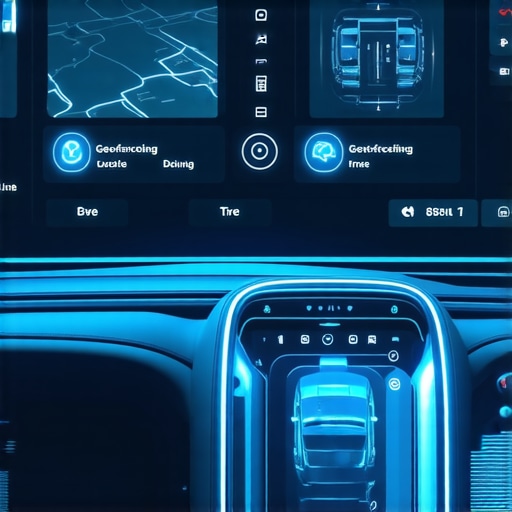
How do I keep this reliability from slipping over time?
Consistency is the hardest part of travel. To maintain this level of service, I treat my travel planning like a professional audit. Once a month, I review my upcoming dates and apply these essential hourly reservation tips for timely service. I also make it a point to audit your online booking for hidden security vulnerabilities because data safety is the foundation of physical safety. If they can’t protect my credit card, they won’t protect my schedule. I also look for providers that protect your personal phone number during the booking process, ensuring that my private data doesn’t end up on a third-party list.
Why My Phone Is Never My Primary Navigation Tool
While smartphone apps are great for finding a coffee shop, they are remarkably poor at managing high-stakes professional travel. The Intelligent Transportation Systems (ITS) Joint Program Office highlights in their technical documentation that low-latency V2X communication is the only way to truly solve the ‘last-mile’ ambiguity that plagues city centers. That’s why I always check that my driver is using integrated vehicle hardware instead of a retail phone. It’s a major part of why we prioritize human dispatchers over pure AI scheduling; a human knows that the ‘shortest path’ on a screen might be blocked by a local parade or a double-parked truck. Looking forward, the industry is moving toward ‘predictive maintenance’ where the car schedules its own service before a part fails. Until then, you need to be the one asking the hard questions. If you want to maximize your safety and satisfaction with our precise reservation timing, you have to be proactive. My challenge to you: before your next trip, take five minutes to audit your online booking for hidden security vulnerabilities. It’s the single most effective way to ensure the company you’re hiring is as professional as they claim to be.
Hard Truths I Learned About Booking When Every Minute Counts
After years of navigating chaotic city centers, I realized that true reliability isn’t a feature of an app—it’s the result of a deliberate process. One of my biggest lightbulb moments was realizing that proximity is not the same as availability. Just because a car is nearby doesn’t mean it’s ready for you. I now follow top tips for on-time reservations at any hour to ensure my plans aren’t left to chance. Another lesson? The cheapest option often costs the most in terms of missed opportunities and stress. This is exactly why safety and timeliness matter in hourly reservation services more than a low fare. Finally, I’ve learned that safety precision is the key to reliable hourly reservations. If you aren’t looking at the hardware and the maintenance, you’re only seeing half the picture.
The Strategic Toolkit for Staying Punctual
To keep my travel schedule bulletproof, I rely on a few specific resources that go beyond standard GPS. First, I always check the local Department of Transportation (DOT) live feeds for real-time construction updates that consumer maps often lag behind on. Second, I never consider a trip valid until I have a hard record of the terms; demanding a physical copy of your trip reservation is my non-negotiable rule for avoiding ‘lost’ bookings. For corporate trips, I also look for the specific security clause to look for in your transport contract. These tools transform you from a passive passenger into an active manager of your own time.
Reclaiming Your Time Without the Stress
Travel shouldn’t be a gamble. When you move away from the ‘hope for the best’ mentality and embrace these technical audits, you regain the mental space to focus on what actually matters—your meeting, your family, or your vacation. By on-time arrival mastering the art of reservation and safety, you aren’t just getting from point A to point B; you are protecting your peace of mind. I hope these insights help you navigate your next journey with total confidence. Have you ever had a travel reservation fail you at the last possible second? Let me know in the comments below.