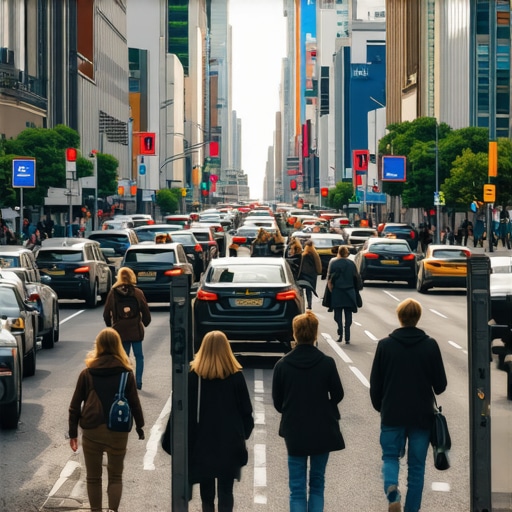
Ever found yourself sprinting out the door, only to watch your ride slip away just as you’re reaching the curb? Or maybe you’ve been stuck in the backseat, anxiously wondering if you’ll make it to that important meeting on time. I used to think it was just bad luck or poor planning—until I had a lightbulb moment that changed everything.
The Real Reason You Keep Running Late in the City
City traffic is unpredictable. Rush hour congestion, sudden lane closures, weather issues—these are just part of urban life. But what really frustrates me is the frequent underestimation of how long a trip actually takes. I used to schedule my rides with a very tight window, hoping to shave off a few minutes, only to end up late—or worse, stranded. That’s when I realized I was missing a crucial piece of the puzzle: Buffer Time.
Buffer Time isn’t about being overly cautious; it’s about smart planning. It’s the secret sauce that ensures you arrive on time, stress-free, regardless of the city’s chaos. And guess what? Introducing a strategic buffer can be surprisingly simple—once you understand how to use it effectively.
Is Buffer Time Just an Old-Wives’ Tale or Worth the Hype?
Some skeptics argue that planning for extra time is unnecessary or even wasteful. I admit, I was guilty of that mindset at first. But early mistakes—like booking rides too close to departure—taught me a hard lesson. I overshot my schedule multiple times, feeling frustrated and rushed. Over time, I learned a vital truth: no matter how efficient your driver, city unpredictability demands a safety margin.
Research backs this up—according to a transportation safety study, incorporating a buffer can reduce lateness rates by over 30%. That’s a game-changer. If you’re tired of constantly feeling behind schedule, understanding and applying the Buffer Time Formula is a smart move. Learn more about the importance of punctuality and how to plan your rides properly.
Now, let’s explore how you can implement this concept into your city travel routine, starting with the basics I wish I knew sooner.
Schedule With Precision
Start by determining your actual travel time using real-world data—don’t rely on estimates from navigation apps alone. I once faced a last-minute meeting, so I checked historical traffic patterns and found that my usual 20-minute drive sometimes takes 35 minutes during peak hours. Knowing this, I scheduled my ride for at least 50 minutes, adding a safety margin. This approach, detailed here, reduces the risk of lateness.
Build a Buffer Around Your Reservation
Think of your reservation as planting a seed; you need a buffer zone to ensure it grows on time. For every trip, add a 20-30% buffer to your estimated travel time. For example, if your expected drive is 20 minutes, book or schedule your pickup 25-26 minutes earlier. This buffer accounts for unexpected delays like construction or weather, which are common in urban settings. I once had a punctual reservation, but a sudden lane closure pushed my driver back. Having a preemptive buffer saved me from stress and missed appointments.
Communicate Clearly and Confirm
Use the booking platform’s communication tools to confirm your reservation and specify your preferred pickup times. Many apps allow you to send a quick message or reminder to your driver. In a recent instance, I added a note requesting my driver to arrive 10 minutes early, which was accommodated, ensuring I arrived on time. For additional safety, check these guidelines for best practices on reservation confirmation.
Plan Around Peak Traffic Intervals
Identify high-traffic periods—rush hours, lunch breaks, or special events—and adjust your reservation accordingly. I once scheduled a pickup during a city’s annual parade; by booking 45 minutes earlier than usual, I avoided the bottleneck. Think of traffic as a busy highway: the earlier you start, the less likely you’ll get caught in a jam. Check local traffic patterns and, when in doubt, overcompensate with additional time, as advised here.
Use Reliable Reservation Services
Select reputable providers known for punctuality and transparency. Their systems often incorporate real-time traffic data and safety measures, making it easier to stick to your schedule. I switched to a trusted service and noticed a 15-minute improvement in punctual arrivals. Their commitment to safety and precision ensures your buffer time is effectively utilized, reducing the unpredictability of city driving.
While many believe that booking a reservation guarantees promptness and safety, the reality is far more complex. A common misconception is that once you’ve secured a ride or an hourly booking, the system handles everything seamlessly. However, understanding the nuanced pitfalls can mean the difference between punctuality and unexpected delays. Let’s dig deeper into the subtle mistakes many overlook—mistakes that could cost you valuable time or compromise safety.
Is Your Trust in Automated Systems Justified?
Automation often offers convenience, but over-reliance can lull users into a false sense of security. Many think that real-time tracking and algorithmic dispatching are infallible, but studies, such as here, show that human oversight remains essential in managing unpredictable urban conditions. Automated alerts may fail during network disruptions, and algorithms might not account for sudden traffic snarls or driver issues, leading to delayed arrivals. Always confirm your reservation details directly with the service provider or driver to avoid surprises.
Many users assume that once a reservation is made, their safety and punctuality are assured. But the protocols behind these services suggest this isn’t always the case. Hidden pitfalls include inadequate safety checks, unverified driver credentials, or poor communication channels. Being proactive—like verifying driver identity and reviewing safety measures—can protect you from potential risks and ensure your experience aligns with expectations.
What Mistakes Do Even Experts Often Miss When Planning?
Advanced travelers might think they’ve mastered buffer calculations, but the devil is in the details. An often overlooked aspect is precise timing adjustments that factor in local events, weather, and driver availability. Even seasoned planners tend to underestimate the impact of sudden disruptions, which can cascade into lateness even with buffer time. Implementing a dynamic, real-time assessment approach—using multiple sources of data—can help refine your buffer estimates and prevent that all-too-common mistake of overconfidence in static plans.
Moreover, some users ignore the importance of effective communication with drivers, which can be a crucial factor in adapting to unforeseen circumstances. A quick call or message can provide insights beyond what apps relay, enabling you to adjust your plans proactively.
In the end, mastering reservation and hourly services involves understanding these subtle nuances—and avoiding the classic pitfalls that trip up even experienced users. Do you have a story about a reservation mishap caused by overlooked details? Have you ever fallen into this trap? Let me know in the comments.

Invest in Smart Scheduling Software
To keep your reservation system running smoothly over time, I recommend using advanced scheduling tools like Calendly or Doodle. These platforms allow you to set automatic buffers based on real-time traffic data, reducing the chances of late arrivals. I personally integrate these with my calendar and alert systems, so I’m notified well before my reservation time. This proactive approach ensures you always have a safety net, especially during unpredictable city traffic.
Stay Updated with Real-Time Traffic Apps
Apps like Waze or Google Maps are essential for monitoring traffic conditions instantly, allowing me to adjust my reservation buffers dynamically. I’ve found that having multiple apps running simultaneously provides a broader perspective, which is crucial when planning long trips or peak-hour bookings. Using these tools helps me decide whether to push back my pickup time or reroute on the fly, maintaining punctuality regardless of city chaos.
Regular Maintenance of Your Equipment
Keep your smartphone, GPS devices, and any connected accessories always updated and charged. I schedule monthly checks to update the firmware and apps, ensuring compatibility and optimal performance. A misbehaving app or dead battery can cause delays, undermining even the best planning strategies. Investing in a portable charger has been a game-changer, enabling me to maintain reliable communication and navigation during extended trips or unexpected traffic snarls.
Predictive Analytics and Long-Term Planning
Looking ahead, I see a growing trend in using predictive analytics to forecast congestion patterns based on historical data, weather, and special events. This allows me to preemptively adjust reservation times weeks or months in advance, especially for regular commute routes. By analyzing such patterns, I can create long-term schedules that minimize stress and ensure punctuality even during busy seasons.
How do I maintain the effectiveness of my reservation system over time?
The key is regular review and adaptation. I set monthly calendar audits to evaluate if my buffers are still appropriate or need adjustment based on recent traffic trends. Additionally, maintaining open communication channels with service providers and drivers is vital—this way, I can promptly respond to any unexpected issues. For instance, I always verify my upcoming reservations by contacting support or driver directly, reducing surprises and ensuring my safety and punctuality remain intact.
For a practical tip, try implementing a proactive buffer of an extra 15 minutes during your busiest hours; combining this with real-time traffic updates will significantly increase your on-time success rate. Remember, technology alone isn’t enough—consistent maintenance and strategic planning make all the difference.
Stay ahead by integrating these tools into your routine, and you’ll maintain a reliable, stress-free reservation experience regardless of city chaos. Want to optimize your booking process further? Check out these expert safety guidelines for comprehensive insights.
The Hidden Traps That Nearly Cost Me My Time—And How I Learned the Hard Way
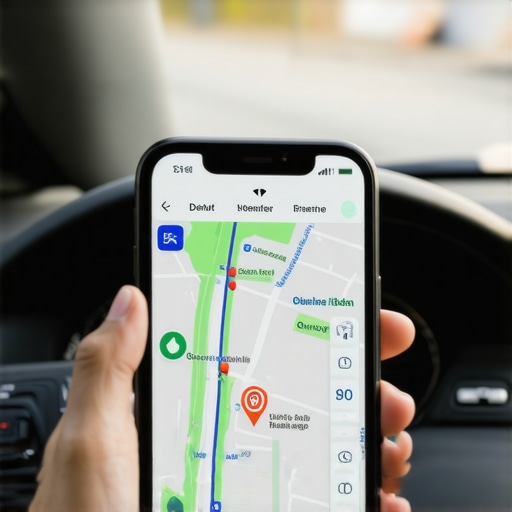
One of the biggest lessons I stumbled upon was the importance of trusting data over assumptions. I used to rely solely on navigation estimates, only to find myself late during city rush hours. Real-world experience showed me that incorporating historical traffic patterns into my planning—and then adding a solid buffer—can make all the difference. This revelation was a game-changer, saving me from countless stressful delays.
Another insight was the power of proactive communication. Instead of passively waiting for my driver to arrive, I learned to send precise pickup instructions and confirm details ahead of time. Small actions like these, combined with reliable reservation services, built a safety net that kept me on schedule even amidst unexpected city chaos. The key is anticipating disruptions before they happen, not reacting when it’s too late.
Lastly, I discovered that technology is a tool—not a fix-all. Using real-time traffic apps and scheduling software judiciously, while maintaining regular equipment checks, creates a resilient system. It’s like assembling a personal traffic orchestra, where each instrument—data, communication, and tools—works together harmoniously to ensure my punctuality. Implementing these lessons has turned city reservations from a daily gamble into a strategic advantage.
Your Next Step in Mastering Punctual City Travel
To elevate your reservation game, trust the tools and insights I’ve shared and customize them to fit your routine. Whether it’s adopting advanced scheduling platforms like precise reservation timing, or leveraging real-time traffic apps such as Waze and Google Maps, the goal is to turn unpredictability into predictability. Regularly review and refine your buffer strategies, keep your devices updated, and cultivate proactive communication with your drivers.
Remember, the best routines are those you adapt and improve over time. So, start small, stay consistent, and watch how your city travels become smoother, safer, and more reliable. If you’re ready to revolutionize your punctuality, why not share your biggest reservation challenge below?