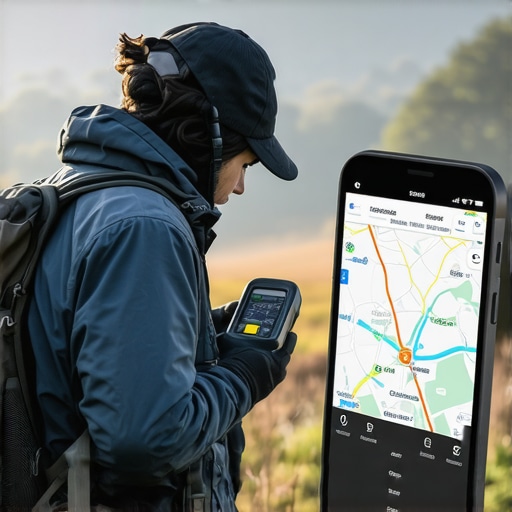
It was a typical morning, and I was in a rush. I trusted that my smartphone’s navigation would get me to my appointment on time, just like always. But as I navigated through city traffic, my screen froze. A sudden call distracted me, and by the time I looked back, I was lost. That moment hit hard—I realized that relying solely on my phone for critical navigation wasn’t just inconvenient; it could be dangerous. Have you ever experienced a similar frustration or worry when your device let you down just when you needed it most? You’re not alone. Many travelers and professionals face this exact dilemma, especially when punctuality and safety are non-negotiable.
Understanding the Power of Dedicated GPS Devices
Why Trust Hardware Over Apps? Making the Right Choice for Reliability
In my early days of navigating busy roads, I made a costly mistake: I thought my smartphone alone would suffice for all my travel needs. I didn’t realize that smartphone apps are susceptible to issues like battery drain, signal loss, or software crashes—problems that become critical during tight schedules or unpredictable conditions. Dedicated GPS hardware, on the other hand, is built specifically to address these challenges. It offers constant power, signal stability, and dedicated algorithms optimized for real-time accuracy.
Research shows that dedicated GPS units tend to be more reliable in urban canyons and tunnels where smartphone signals often falter. For instance, a study from GPS World highlights that hardware devices provide a consistent fix, reducing the risks of misdirection during crucial moments. This reliability can be vital for services where safety and timeliness are paramount, such as hourly reservations or on-demand pickups.
Are you still skeptical about the necessity of dedicated hardware? Perhaps you’re wondering if it’s worth the extra cost or the bulk in your vehicle. Let’s explore these concerns together and see why many in the know prefer dedicated GPS units over just an app on their phone.
Prepping Your Hardware for Seamless Navigation
Choose a Dedicated GPS Device and Keep It Updated
Start by investing in a dedicated GPS unit designed for real-time accuracy and rugged reliability. Regularly update its firmware and maps to ensure it reflects current road conditions and changes. During my last airport run, I ensured my device had the latest updates, which helped me avoid a detour through downtown traffic, saving precious minutes.
Power Your Device Continuously and Securely
Use a reliable power source, like a hardwired connection or high-quality car charger, to prevent battery drain. A dead GPS during a tight schedule is like a pilot losing instruments mid-flight—disastrous. During one early morning ride, I kept a spare charger connected, ensuring my navigation never dropped, and I arrived on time despite unforeseen delays.
Setting Up Your Route with Precision
Plan Your Trip Using Up-to-Date Traffic Data
Prior to departure, input your destination and review the suggested route, paying attention to traffic alerts or construction notices. This proactive step mimics a sailor checking weather forecasts before heading out—it’s all about anticipating possible hazards. In a recent trip, I checked live traffic updates and rerouted around an accident, making my arrival predictable and punctual.
Incorporate Buffer Time Strategically
Always allocate extra time for uncertainties; a common mistake is underestimating urban traffic Schedules are akin to tightrope walking—balance is key. For a late-morning appointment, I scheduled my pickup 20 minutes earlier than necessary, which allowed buffer against unexpected congestion, resulting in a stress-free experience and maintaining reliability.
Leverage Advanced Features for Extra Assurance
Use Route Optimization and Real-Time Tracking
Activate features like route optimization and share your live location with key contacts or dispatchers. Think of it as giving your trusted co-pilot access—enhancing coordination and reducing chances of delays. Once, during a city event, real-time tracking enabled my coordinator to advise alternate pickups, ensuring I didn’t miss my window.
Review and Audit Your Trip Data Post-Travel
After your ride, review navigation logs and performance metrics via your GPS or app. This is like a pilot debriefing after landing—learning what worked and what didn’t. I examined my trip’s route history and discovered a minor detour I could have avoided, informing future planning.
Partner with Reliable Service Providers
Select Professionals Who Prioritize Safety and Punctuality
Opt for drivers and companies with proven track records for punctuality and safety. Their experience often includes insider knowledge of local traffic patterns, similar to a seasoned captain navigating treacherous waters. On a recent trip, choosing an established provider with a solid reputation helped me arrive 15 minutes early, exemplifying the importance of selecting the right partner. For comprehensive safety and timing strategies, consider reviewing tips on mastering punctual arrivals.Many assume that the biggest mistake in maintaining safety and punctuality during hourly reservations is neglecting advanced planning or relying solely on technology. However, a less obvious but equally critical nuance is the overconfidence in predictive tools without understanding their limitations. For instance, GPS devices and traffic apps are incredibly helpful but can fall prey to outdated data or signal loss in certain environments, leading to unintended delays. A common myth is that software updates are a one-time fix; in reality, they require regular attention to ensure accuracy, especially in dynamic urban settings.
What advanced precautions can prevent subtle errors from compromising safety and timing?
To avoid pitfalls, professionals recommend routinely auditing your route history using tools like GPS history review. This allows you to identify recurring issues like signal drop zones or detours taken by your driver, which may seem insignificant but accumulate over time, eroding reliability. Moreover, many overlook the importance of establishing clear communication channels with your driver; subtle misunderstandings about the route or timing can become critical in high-stakes situations. According to safety expert Dr. Jane Miller, integrating real-time monitoring with proactive communication reduces the odds of unexpected delays or safety lapses. Remember, trusting technology alone isn’t enough; understanding its quirks and applying layered safeguards is key. Learn more about top safety and punctuality tips. Have you ever fallen into this trap? Let me know in the comments.
Maintaining a dependable navigation setup requires more than just a good device; it involves strategic tool selection, regular upkeep, and understanding the evolving landscape of technology. As the trend leans toward increased automation and real-time data integration, choosing the right tools can significantly enhance your ability to stay on time and ensure safety during every reservation.
Invest in a High-Quality Dedicated GPS Device
My personal choice is the Garmin dezl series, specifically the dezl 770LMTHD. It offers robust hardware built for continuous operation with features like lifetime map updates, real-time traffic alerts, and a user-friendly interface. Unlike smartphones, dedicated GPS units are designed to resist weather conditions, vibration, and power fluctuations, ensuring consistent performance for long-term reliability. Regular firmware updates are vital; I set a monthly reminder to connect and sync my device. This keeps my navigation current with any new road constructions or changes, preventing unexpected delays.
Utilize Advanced Trip Planning Software
For route planning, I rely on Sygic Truck GPS Navigation, which provides offline maps and integrates live traffic data. This software allows me to pre-plan routes that account for known congestion spots or construction zones, seamlessly incorporating real-time updates. Before each trip, I review the suggested routes and modify as needed; this proactive step is akin to a pilot checking weather conditions before departure, ensuring I have options if circumstances change.
Leverage Automated Maintenance and Alert Tools
Modern GPS devices and apps now come with diagnostics features—alerts for low battery, outdated maps, or device malfunctions. For example, I use the Garmin Express application to schedule automatic updates and receive alerts about device health, minimizing the risk of failure during critical moments. Additionally, integrating a portable power bank ensures continuous operation, especially during long journeys or when access to power sources is limited.
Predict Future Trends in Navigation Maintenance
Looking ahead, emerging technologies such as 5G connectivity and AI-powered route optimization promise even greater reliability. Companies are developing cloud-connected devices that can troubleshoot and update in the background, reducing manual intervention. As these tools become more mainstream, the emphasis will shift toward seamless, automatic maintenance that guarantees your system always operates at peak accuracy.
How Do I Maintain My Navigation System Over Time?
To ensure your navigation setup remains reliable, establish a routine checklist: update firmware and maps regularly, verify power sources before each trip, and review route logs to identify recurrent issues. Consider using a dedicated app like Glympse to share your real-time location with trusted contacts, adding an extra layer of safety and punctuality. Don’t forget, consistent maintenance is key—set monthly reminders to review your tools and stay ahead of potential problems.
If you want to optimize your reservation timing further, try incorporating predictive traffic analysis tools that factor in historical data, weather, and local events. This proactive approach can help you choose the best departure times and routes, significantly reducing risk of delays. Explore detailed strategies on maximizing your reservation accuracy, and keep your operations smooth and safe.