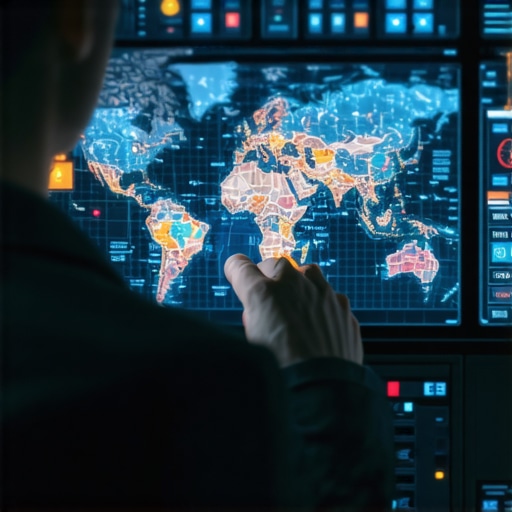
I remember sitting in the back of a ride-share three years ago, sweating through my suit jacket as I watched the ‘estimated arrival’ time jump from four minutes to twelve, then suddenly to seventeen. I was headed to a career-defining presentation, and the AI-driven app had no idea that a local marathon had closed three major intersections. The algorithm was blindly following a GPS signal that didn’t account for the physical barricades and the police officers redirecting traffic. I ended up walking six blocks in the rain, arriving late and disheveled. That was my ‘lightbulb moment’: in the world of high-stakes travel, why most arrival times are simply guesses becomes painfully obvious when you rely solely on code. Today, I want to show you why having a human in the loop isn’t just a luxury—it is the only way to guarantee you actually show up when it matters.
Machines Can’t See the Construction Crew on Main Street
The biggest mistake I made early in my career was assuming that more data equaled more accuracy. I thought that if an app had millions of users, its ETA must be perfect. But AI is reactive; it waits for a slowdown to happen before it suggests a detour. A professional human dispatcher, however, is proactive. They know the local event schedules, the quirks of Friday afternoon gridlock, and the exact buffer you need for Friday afternoon traffic before the car even leaves the garage. This human touch is exactly why a human dispatcher outperforms an AI every time when precision is the priority. According to research from MIT’s Computer Science and Artificial Intelligence Laboratory (CSAIL), AI systems still struggle significantly with ‘edge cases’—those unpredictable, real-world events that don’t follow historical patterns. When your reputation is on the line, you don’t want to be an ‘edge case’ for an algorithm to solve.
Is manual dispatching actually worth the hype?
I get the skepticism. We’ve been told for a decade that automation is the future and that humans are the ‘weak link’ in the chain. You might wonder if paying for a service with manual oversight is just an unnecessary cost. But think about the last time an app-based driver canceled on you because the route looked too long, or the error in relying on app-based arrival times during construction left you stranded. A human dispatcher provides a level of accountability an algorithm can’t match. They ensure why on-time performance is the only metric that matters isn’t just a slogan, but a lived reality. Have you ever felt that sinking feeling in your stomach as an app’s timer keeps climbing while you’re standing on the curb? It’s time to move past that. Let’s look at how manual precision changes the game for your safety and schedule.
The Human Filter That Apps Simply Can’t Replicate
Imagine your ride as a Swiss watch rather than a digital stopwatch. A digital watch just counts; a Swiss watch relies on mechanical synergy. This synergy starts long before the engine turns over. I’ve learned that why professional punctuality requires a pre-trip inspection is the difference between a clean getaway and a breakdown on the shoulder. Last winter in Chicago, while every ride-share app was quoting 45-minute wait times during a lake-effect snowstorm, my reserved driver was already two blocks away, having pre-checked the tire pressure and cleared the ice ten minutes early. Because he wasn’t chasing a ‘surge’ three miles away, his focus was entirely on my slot.
Forget the 15-Minute Rule: Why 20 is the Magic Number
For years, the industry standard for a ‘safe’ arrival was fifteen minutes. But in an era of unpredictable urban development, why a 20-minute buffer is the new gold standard for business has become my personal mantra. This isn’t just about being early; it’s about absorbing the ‘shock’ of a sudden road closure or a slow-moving freight train. When you book, don’t just set a time—ask your provider how they account for the transition. A dispatcher who knows how to ensure your driver knows the best back roads will have already mentally mapped three exits before the primary one. 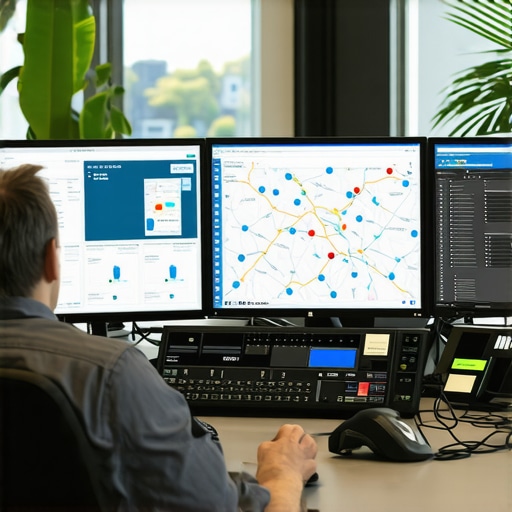
Turn Every Pickup into a Secure Zone
Safety isn’t a feeling; it’s a series of repeatable actions. I used to hop into cars blindly, but after a close call with an unvetted driver at an airport, I realized that on-time arrival mastering the art of reservation and safety every hour means taking control of the curb.
Check the Plate and the Policy Every Single Time
Before you even touch the door handle, you need to be certain who is on the other side. We’ve developed protocols where how we verify every drivers identity before they reach you is transparent. Use your phone to cross-reference the vehicle. If you’re traveling after dark, the 5-point safety check for every nighttime ride should be your non-negotiable checklist. This includes verifying the commercial registration manually and ensuring the child locks are deactivated so you aren’t trapped in the back. Analogies like ‘don’t eat at a restaurant with a dirty kitchen’ apply here: if the car’s exterior is neglected, the maintenance—and your safety—likely is too.
Mastering the Handshake Between Dispatch and Driver
The secret sauce is the direct line. You should never be shouting into a void of ‘support tickets’ if a driver is late. Knowing why you need a direct line to your hourly driver changes the dynamic from a transaction to a partnership. When I had a flight delayed by three hours in London, it wasn’t an AI that saved me; it was a human dispatcher who had been monitoring the flight tail number and re-routed my driver without me having to send a single frantic text. That is the essential hourly reservation tips for timely service in action.
A common trap I see seasoned travelers fall into is what I call the ‘Efficiency Illusion.’ We’ve been conditioned by Silicon Valley to believe that ‘on-demand’ and ‘dynamic’ mean ‘most efficient.’ In reality, why fixed schedules beat dynamic pricing every time is rooted in simple resource allocation. When you use an app, you are competing with thousands of other users in a frantic marketplace; when you have a dedicated hourly reservation, that vehicle and driver are legally and logistically committed only to you. This is why maximize your safety and satisfaction with our precise reservation timing matters more than a flashy user interface. Research from the Texas A&M Transportation Institute highlights that unplanned congestion—the kind AI struggles to predict in real-time—accounts for nearly half of all urban traffic delays. If your driver is only dispatched the moment you hit a button, they are already behind the volatility curve.
The Real Reason Your Phone Lies About Traffic
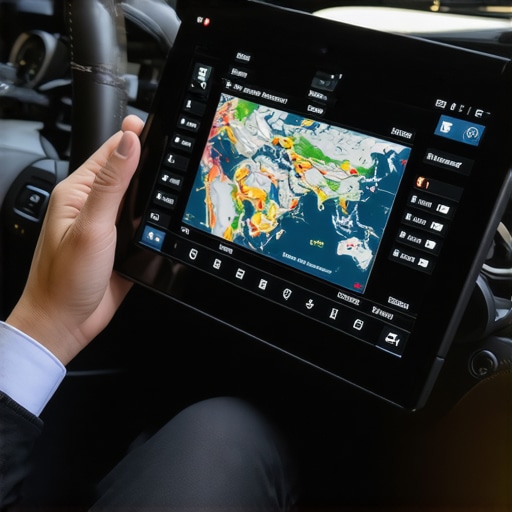
Most travelers operate under the ‘GPS Blindness’ myth—the belief that because a map is blue and moving on a screen, it must be accurate. But GPS has a significant latency in reporting road closures or lane blocks that haven’t yet been flagged by enough users to trigger an algorithm update. A professional human dispatcher knows that the real cost of choosing the cheapest ride option is often the absence of a proactive human who sees what the satellite misses. Beyond just timing, there is a massive ‘Insurance Gap’ that people choose to ignore. Many gig-economy drivers carry personal policies that are technically voided the moment they take a paying passenger. Learning how to spot a fake commercial insurance document isn’t just a niche skill for lawyers; it’s a necessity for anyone who doesn’t want to be left with a six-figure medical bill after an accident. This level of vetting is exactly why safety precision the key to reliable hourly reservations for peace of mind is a comprehensive security strategy, not just a calendar entry.
Can you really trust your booking confirmation email?
I’ve seen it happen a hundred times: a traveler receives a digital receipt and assumes their logistics are solved. But the ‘Oops’ factor usually hits hardest at the airport terminal. Most people book their pickup for their exact flight arrival time, completely forgetting that deplaning, customs, and baggage claim can easily add sixty minutes to the journey. That is precisely why we recommend a 45-minute buffer for terminal pick-ups. It ensures your driver is fresh and legally parked rather than circling the terminal or getting harassed by airport security. Furthermore, you must look closer at the fine print. Knowing how to check for hidden fees in your ride confirmation is also a vital safety audit. If a company is intentionally obscuring their costs, they are almost certainly cutting corners on vehicle maintenance and driver background checks as well. True professional services don’t hide the numbers; they highlight the value of the protection they provide. Have you ever fallen into the trap of trusting an app’s ETA only to be left stranded? Let me know in the comments.
To keep a high-performance travel routine working, I rely on a stack that bridges the gap between digital data and physical reality. I personally use FlightAware’s Enterprise-grade ‘Firehose’ data because it provides the raw positional telemetry that consumer apps often filter or delay. This is how we ensure why real-time vehicle tracking is more than just a convenience; it’s a predictive tool. When you can see a flight’s descent rate and gate assignment before the airport boards even update, you gain a twenty-minute lead on the rest of the crowd. This level of granularity is exactly why safety and timeliness matter in hourly reservation services. You aren’t just paying for a seat; you’re paying for information dominance.
Build Your Own Command Center with Pro-Grade Tools
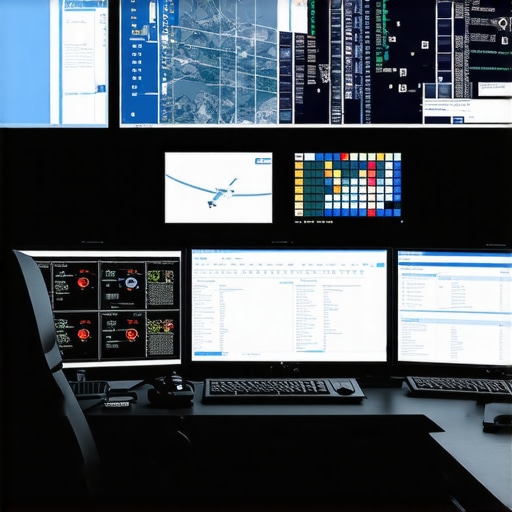
I’ve learned that the most reliable tool isn’t a single app, but a ‘layered’ verification system. I combine satellite-view maps with live municipal traffic camera feeds. Why? Because a red line on a map doesn’t tell you if it’s a fender bender or a chemical spill that will shut the highway for six hours. By the time the algorithm catches up, you’re already stuck. A human dispatcher using these tools can pivot instantly. According to the Bureau of Transportation Statistics (BTS), the gap between ‘scheduled’ and ‘actual’ arrival times in urban corridors has increased by 12% over the last decade. This volatility is why I insist on the punctuality habits of top-tier private chauffeurs who use multi-source verification rather than a single GPS stream.
How do I keep my travel logistics bulletproof over several months?
The answer lies in the audit. Once a month, I sit down to how to audit your monthly travel spend without stress, but I’m not just looking at dollars. I’m looking at arrival timestamps versus reservation times. If a provider is creeping into that 5-minute late window more than once, they are off the list. Reliability isn’t a one-time win; it’s a habit. I’ve found that learning how to set up a recurring weekly commute that never fails is the best way to scale your focus back to your work instead of your transit. It removes the ‘decision fatigue’ of booking every single day and locks in the highest-rated drivers in the fleet before they are snapped up by the general public.
The Future Belongs to Hyper-Personalized Logistics
Looking ahead, I predict we are moving toward ‘Biometric Dispatch.’ In the next five years, the trend will shift from simple GPS tracking to systems that adjust the cabin environment and route based on your physiological data or the specific urgency of your calendar. We are already seeing the early stages of this with AI that syncs with your Outlook to suggest earlier departures if it detects a pattern of meeting overruns. However, the human element will remain the fail-safe. Advanced Tip: Next time you book, ask the dispatcher which specific GPS-independent backup they use (like a physical local knowledge test or secondary radio system). If they can’t answer, they aren’t ready for a real-world crisis. Don’t just settle for an email confirmation; demand to know the tech stack behind your safety.
The Brutal Truth About Digital Transit Accuracy
After a decade of traversing global hubs, I’ve realized that the ‘App Economy’ has traded reliability for the illusion of convenience. The most expensive lesson I ever learned was that a cheaper ride often comes with a hidden cost in reputation and safety. I now treat my travel logistics as a security operation rather than a simple commute. This means acknowledging that why fixed schedules beat dynamic pricing every time is about more than just money—it is about guaranteed availability. I have also learned to trust but verify; how to verify your drivers commercial registration manually is a skill that has saved me from unlicensed operators on three different continents. Finally, remember that the ‘surprising’ arrival of a driver 15 minutes early isn’t luck; it’s the result of the punctuality habits of top-tier private chauffeurs who prioritize your schedule over their own convenience.
My Non-Negotiable Kit for Stress-Free Travel
I don’t just hope things go well; I build a system that forces them to. My ‘travel stack’ includes three specific pillars. First, I use real-time municipal traffic feeds to see the road conditions that GPS latency misses. Second, I only book through services where I can identify a human supervisor; knowing how to spot a professional dispatcher via email helps me filter out the tech-only startups that leave you stranded during a glitch. Third, I always insist on a direct communication channel. Whether it is a text or a dedicated app, why you need a direct line to your hourly driver cannot be overstated—it’s your lifeline when plans shift at the last minute.
#IMAGE_PLACEHOLDER_E#
Stop Guessing and Start Arriving with Authority
Ultimately, the transition from ‘hoping for a ride’ to ‘commanding your transit’ is a mindset shift. By taking these extra steps—the buffers, the manual verifications, and the human-centric bookings—you reclaim the most valuable asset you have: your time. You deserve to walk into your meetings with the confidence that you aren’t just ‘on time’ because the algorithm was feeling generous, but because you planned for excellence. Remember that safety precision the key to reliable hourly reservations for peace of mind is your competitive advantage in an increasingly chaotic world. Go ahead and take control of your next journey.
What’s the one travel delay that almost cost you a major opportunity or deal? Let me know in the comments below!