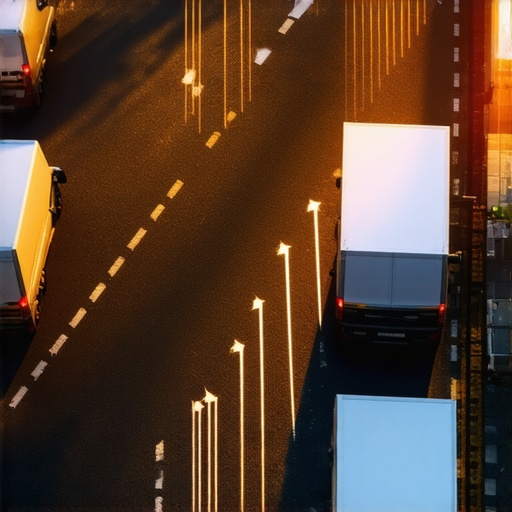
I remember standing on a Chicago street corner three years ago, watching my flight status flicker to ‘Boarding’ while my phone screen insisted my driver was ‘arriving shortly.’ He wasn’t. He was actually stuck behind a stalled semi-truck four blocks away, but I didn’t know that yet. I just stared at a static icon, feeling my blood pressure spike and my stomach tie itself in knots. That was the day I realized that knowing exactly where your vehicle is isn’t just about being impatient; it’s about having the intelligence to make a backup plan before the crisis hits. We’ve all been there, haven’t we? Relying on a ‘guess’ instead of a fact. Today, I’m going to show you why real-time tracking is the ultimate tool for anyone who values their time and their peace of mind. We are going to bridge the gap between ‘hope’ and ‘certainty’ so you never have to stand on a curb wondering if your ride is a ghost.
Get the Truth About Your Ride Before You Walk Out the Door
Most people don’t realize that most arrival times are simply guesses. Those ‘ETA’ numbers you see on generic apps are often based on historical averages or optimistic algorithms, not the reality of the pavement right this second. Early on, I made the amateur mistake of trusting those numbers blindly for a high-stakes investor meeting. I didn’t check the difference between live tracking and estimated progress, and I ended up walking into that boardroom twenty minutes late, sweating and disorganized. It was a total professional nightmare. According to the INRIX Global Traffic Scorecard, drivers in major cities lose an average of 99 hours a year to congestion—a figure that makes precise tracking a financial necessity, not just a luxury. Have you ever felt that sinking feeling when the app says ‘2 minutes’ for ten minutes straight? By using the tracking accuracy test for private hire services, you aren’t just watching a map; you’re auditing your own schedule and ensuring safe and reliable hourly bookings. [IMAGE_PLACEHOLDER] When I finally shifted my mindset and started demanding live data, my travel anxiety virtually vanished.
Does Detailed Tracking Actually Make You Safer?
You might be thinking that knowing every turn your driver takes is a bit much. I used to feel like a micromanager myself. But here is the reality: live tracking is one of your strongest security features. When you can see that your driver is following the safest highway route in real-time, you can actually lean back and breathe. If the vehicle veers off into an unfamiliar area, you know instantly, not twenty minutes later. This level of safety and precision is why real-time tracking is your best defense against missed meetings and safety lapses. It ensures your safety and punctuality are guaranteed by data, not just a promise.To move from a passive passenger to a pro-active traveler, you need to understand that the map on your screen is a tool, not a movie. I remember a rainy Tuesday at LAX when I saw my driver circle the wrong terminal twice on my app. Because I was watching the live feed, I didn’t wait for him to figure it out. I called him immediately and we realized there was a significant GPS lag that could have ruined my meeting schedule. That three-minute intervention saved me thirty minutes of standing in a downpour. This is the first step: audit the movement. If the car isn’t heading toward the pin, or if it’s idling in a suspicious spot, you need to know why you need a direct line to your hourly driver to clear the air before the clock runs out. Use your tracking link to coordinate with others too; I’ve found that using vehicle tracking to coordinate group pickups is the only way to keep a wedding party or a corporate team from descending into chaos.
Match the Steel to Your Screen
Once the car pulls up, the data-driven approach must turn into a physical inspection. You have to verify that the digital info matches the steel in front of you. I once had a black sedan pull up that looked identical to my booking, but something felt off. I quickly checked for commercial plates on the private hire and realized the driver was actually there for a different passenger. Always perform the routine for inspecting your ride before boarding. This isn’t just about the plate number; look at the tire tread and the general cleanliness of the cabin. If you want to ensure the highest standard of care, you should even audit your driver’s speed using live tracking links during the journey. It is about establishing a standard of safety and on-time reservations at any hour that protects your time and your life.
Why 17 Minutes is the Magic Number
Timing is a game of razor-thin margins. Most people book with a standard 15-minute window, but I’ve learned through trial and error that the 17-minute buffer outperforms the traditional 15-minute rule. Why? Because those extra 120 seconds account for the ‘unforeseen’ like a slow elevator or a last-minute luggage snag. This level of precision is why hourly booking is more reliable than ride-hailing apps. When you secure an hourly rate, you aren’t just buying a ride; you are buying a dedicated resource. This shift explains why hourly logistics save more time than point-to-point transfers. You aren’t constantly re-booking and waiting; you are moving with a continuous flow that respects your itinerary. By mastering precise reservation timing, you eliminate the ‘wait and wonder’ phase of travel, turning every transit into a productive, mobile office session.Let’s dig deeper into the mechanics of high-stakes travel because there is a massive misconception that ‘high price’ always equals ‘high safety.’ Most travelers assume that a green checkmark or a ‘verified’ badge in an app is a substitute for real-world due diligence. It isn’t. In my years on the road, I’ve found that the biggest mistake is equating ‘app-approved’ with ‘professionally insured.’ This is the ‘Oops’ factor that costs people thousands: the insurance gap. Many drivers operate in a grey zone where personal insurance won’t cover a commercial mishap, yet they appear ‘verified’ on the platform. To stay safe, you need to know how to verify your driver’s commercial policy without the friction. Everyone tells you to trust the tech, but I say trust the paperwork. I’ve seen firsthand how a driver can be active on an app while their commercial registration is actually pending or expired. That’s why you must learn how to verify your driver’s commercial registration manually. It takes thirty seconds but saves a lifetime of regret.
The False Security of the Verified Badge
Beyond the paperwork, there is the human element that no algorithm can fully vet. Have you ever noticed a driver who seems a bit too reliant on their dashboard mount? According to a report by the National Safety Council, nearly 1.6 million crashes annually involve cell phone use, which often includes drivers fiddling with glitchy GPS units while in motion. This is a critical nuance: why a driver with a physical map is more reliable than GPS in high-density urban areas. A pro knows the city; an amateur follows a blue line. If your driver is constantly squinting at a screen, they are distracted. You should know how to spot a driver who is distracted before you get in to avoid a potentially dangerous situation.
How Do You Spot a True Chauffeur in a Sea of App Drivers?
It comes down to the pre-trip ritual. An amateur pulls up and waits for you to find them. A professional is already out of the car, verifying the environment and ensuring reservation security measures are met before you even touch the door handle. They don’t just ‘show up’; they execute essential hourly reservation tips for timely service like checking the route for fresh construction ten minutes before pickup. This proactive approach is why safety and timeliness matter in hourly reservation services more than just getting from point A to B. If you are not seeing this level of preparation, you are just paying for a ride, not a service. I once sat in the back of a car in Manhattan while the driver argued with his phone for six blocks, missing three potential turn-offs. It was a classic case of why GPS lag can ruin your meeting schedule. Have you ever fallen into this trap where you trusted the technology more than the person behind the wheel? Let me know in the comments.
But it isn’t just about surviving one high-pressure trip; it’s about building a system that works every single time you leave the house. In my travel kit, my most valuable tool isn’t actually a map app—it’s a data-driven mindset. I personally use FlightAware Pro to track tail numbers, not just flight numbers, because knowing that your plane is still on the tarmac in Denver when it should be landing in Chicago gives you a three-hour head start on your driver. This level of foresight is how you ensure on-time arrival by mastering the art of reservation and safety every hour. I also maintain a dedicated ‘Secure Travel’ folder on my phone containing digital copies of local regulations, ensuring I can verify the commercial validity of a transit schedule in seconds if a driver’s paperwork looks suspicious.
How can I maintain this high-standard travel routine long-term?
Consistency comes from automation. If you have a regular route, you need to learn how to set up a recurring weekly commute that never fails. For me, this involves a monthly audit of my booking history. I look for patterns: was the Friday afternoon driver consistently three minutes late? If so, I adjust my booking buffer accordingly. This is the difference between a casual traveler and someone who understands why on-time performance is the only metric that matters. According to the Federal Motor Carrier Safety Administration (FMCSA), driver fatigue is a leading factor in commercial accidents, which is why I always check the ‘Hours of Service’ logs for any driver I hire for more than six hours. You have to be proactive about ensuring safety and punctuality by asking the right questions before you ever see the car.
As we look toward the future, I predict that ‘predictive dispatching’ will move away from simple AI algorithms and toward biometric integration, where a driver’s fatigue levels are monitored in real-time by the dispatch office. Until then, you are the final line of defense. This is why hourly drivers offer better mental clarity for busy executives; you aren’t just offloading the driving, you are offloading the stress of constant re-validation. By mastering the routine for inspecting your ride before boarding, you create a feedback loop of quality that keeps your service providers on their toes. I’ve found that maximizing your safety and satisfaction with precise reservation timing is a skill that pays dividends in both your professional reputation and your physical well-being. Don’t settle for the ‘standard’ experience—try auditing your next driver’s commercial insurance document using the specific manual method I mentioned earlier. It’s a small move that changes the entire dynamic of the ride.
Why I No Longer Trust the Digital ETA
In my early days of travel, I was obsessed with the little blue line on my screen. I’ve since learned that the most dangerous thing you can do is assume the app has all the answers. The hardest lesson I ever faced wasn’t about a missed flight; it was about the real cost of choosing the cheapest ride option and realizing that no amount of code can replace a driver who knows the best back roads when the highway is a parking lot. Here is the truth: tech is a tool, but your eyes are the final authority.
- The Silence Test: If a driver asks you for directions, they haven’t prepared. A true pro should never ask for directions because they’ve already mapped the construction zones and bottlenecks.
- The Plate Protocol: I’ve made it a non-negotiable habit to never enter a vehicle without a license plate match. It takes three seconds and removes 99% of the risk.
- Buffer Beyond the App: Even the smartest algorithm doesn’t know about a slow elevator or a lost luggage tag. That’s why a 20-minute buffer is the new gold standard for anyone with a meeting they can’t afford to miss.
The Resources That Keep My Calendar on Track
I’m often asked how I manage to stay so calm during chaotic city travel. It isn’t magic; it’s a specific stack of tools I trust. First, I always keep a direct link to verify the commercial validity of a transit schedule. Second, I rely heavily on manual verification methods like checking commercial registrations manually to ensure the insurance is actually active. For flight tracking, I look at tail numbers to anticipate delays before the gate agent even knows there’s a problem. These habits turn you from a passenger into a strategist.
Take Back Control of Your Next Arrival
Travel shouldn’t be a gamble. When you prioritize safety and precision, you aren’t just getting a ride; you are securing your peace of mind and your professional reputation. By implementing top tips for on-time reservations, you set a standard that everyone else must rise to meet. I encourage you to try just one of these verification steps on your next trip. You’ll be amazed at how much faster the anxiety fades when you have the facts in your hand. Mastering the art of the on-time arrival is the ultimate travel flex. Have you ever spotted a safety red flag before getting into a car? Let me know in the comments below!