
I was standing on a rain-slicked corner in downtown Chicago, clutching a damp briefcase while my phone screen mocked me with a ’12-minute wait’ for a ride that should have been there five minutes ago. I had three back-to-back meetings, and by the time I finally crawled into that third separate car of the day, I was forty minutes behind schedule and completely frazzled. That was the moment it clicked for me: I wasn’t saving money by booking individual trips; I was losing my professional sanity in the gaps between them. We have been taught to think of travel as a series of starts and stops, but if you actually value your productivity, that model is a trap. Today, I am going to show you how shifting to hourly logistics isn’t just a luxury—it is a strategic move to reclaim hours of your life that usually vanish into the ether of waiting. [image_placeholder_1]
The Point-to-Point Trap That Sucks Your Day Dry
Honestly, I made the same mistake for years. I thought I was being savvy by only paying for the miles I moved. But the reality is that one-way bookings often lead to unnecessary stress because you are at the mercy of a dispatch algorithm that doesn’t care about your 2:00 PM deadline. When you book point-to-point, you are effectively firing your driver every time you step out of the car. Then, twenty minutes later, you have to start the whole hiring process over again with a total stranger. This ‘ride-hailing gamble’ is where your time disappears. According to data from the traffic analytics firm INRIX, drivers in major urban centers lose an average of 50 to 100 hours a year just dealing with congestion and the search for parking—time that an hourly chauffeur handles while you are still inside finishing your coffee. Have you ever missed the start of a presentation because your ‘three minutes away’ driver suddenly decided to take a U-turn and head the opposite direction?
Is Paying by the Hour Really Worth the Extra Cash?
It is the question everyone asks, and I get it. Your gut says ‘paying for a car to sit still is a waste.’ But I learned the hard way that hourly booking is more reliable than ride-hailing apps because it eliminates the ‘re-acquisition’ time. When you have a dedicated driver, you remove the five to fifteen-minute wait for every single leg of your journey. Over a day with four stops, that is an entire hour saved. Plus, hourly transportation eliminates the stress of finding parking or navigating confusing drop-off zones. You step out, the car stays, and you step back in the second you are ready. It transforms the car from a taxi into a mobile office where your focus remains unbroken. Most on-demand apps struggle with prompt airport pickups and tight schedules because they lack the commitment of an hourly reservation. By the end of this guide, you will see exactly how the math of ‘wasted’ stationary time actually adds up to a massive win for your schedule.Moving from the chaos of on-demand apps to a structured hourly service requires a shift in how you plan your day. The goal is to create a seamless transition where the car becomes an extension of your office rather than a separate chore to manage. I remember a particularly brutal Tuesday in Seattle when I had four site visits across the city in four hours. In the past, I would have spent thirty minutes total just staring at my phone waiting for drivers to find the ‘correct’ side of the building. By booking an hourly chauffeur instead, I kept my laptop open and my focus sharp, hitting every deadline without once checking a map. To get this right, you need to follow the essential hourly reservation tips for timely service which prioritize planning over spontaneity. 
Kill the Guesswork with a Locked-In Reservation
The first step is acknowledging that ‘on time’ is a subjective term for most apps, but a hard requirement for professionals. You should always implement the 3-minute buffer that saves you from missing the train or a vital flight. This isn’t just about being early; it is about building a wall against the unexpected. When you book, ensure you receive a physical or digital confirmation that includes the vehicle type and the driver’s name. I once caught a major error when I noticed the confirmation for a 4 AM airport run didn’t include the specific terminal gate—a small detail that would have cost me ten minutes of wandering. Always verify that your service uses human dispatchers over pure AI scheduling, as a person can account for a sudden protest or a broken water main in a way an algorithm simply cannot.
Spot a Real Pro at the Terminal Instantly
When you arrive at a crowded pickup zone, you shouldn’t be playing ‘Where’s Waldo’ with a license plate. You need to know how to spot a professional vehicle fleet at a glance. Look for clean, late-model sedans or SUVs that lack the cluttered dashboard of a part-time gig worker. A real pro will never ask for your personal contact details because your driver should never ask for a personal phone number; all communication should go through the secure dispatch channel. Before you even sit down, perform a quick ‘maintenance audit.’ I personally use the windshield wiper test to judge the fleet’s upkeep. If the equipment is worn out, the safety standards likely are too.
Keep Your Data and Your Person Secure
Safety isn’t just about how the car is driven; it is about who has your information. You must verify that the service uses modern security protocols in their booking software to prevent your travel patterns from being sold to third parties. While in transit, you can maintain peace of mind by confirming the vehicle uses driver speed alerts. This technology ensures that even if you are buried in an email and the driver is tempted to rush to make up for traffic, the system keeps the ride within safe, legal limits. This level of oversight is why having a dedicated driver is better for confidential business talks. You aren’t just paying for the seat; you are paying for a secure, private environment where your schedule is the only priority.Most travelers believe that having a ‘real-time’ map on their phone is the gold standard for punctuality, but this is a dangerous myth I had to unlearn the hard way. While you are watching a little digital car crawl across your screen, you are likely looking at data that is three to ten seconds old. In a dense city center, that delay is the difference between catching a green light and being stuck behind a delivery truck for five minutes. I’ve found that refreshing your tracking app might give you false arrival times because of signal latency in ‘urban canyons.’ To combat this, elite services move beyond consumer tech; it is exactly why we use dedicated GPS hardware instead of smartphone apps. These professional-grade systems provide a raw telemetry feed that doesn’t rely on the same saturated cellular towers as every other person on the sidewalk. A study published in the Journal of Navigation highlights that multipath interference in cities can throw off standard GPS by over 30 meters—enough to put your driver on the wrong side of a one-way street. 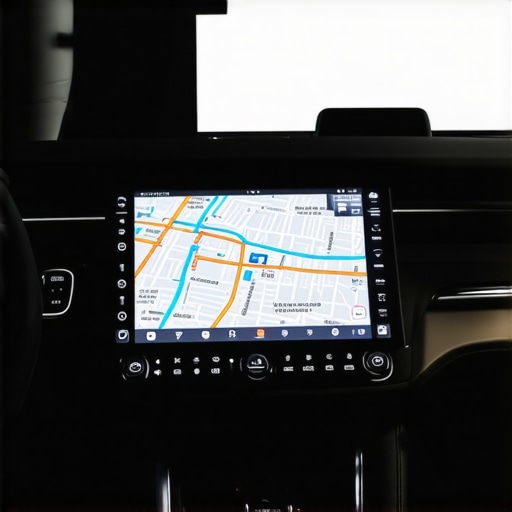
Stop Trusting the Little Moving Car Icon
The ‘oops’ factor usually hits when you are leaving a skyscraper. I once sat in an elevator in Midtown Manhattan, watching my phone say the car was ‘arriving now,’ only to reach the lobby and find the street empty. The driver had circled the block because I wasn’t there at the exact millisecond. You have to learn how to time your exit from a high-rise to meet your driver perfectly. It is a choreographed dance, not a wait-and-see game. If you wait for the ‘I’m here’ text, you’ve already lost the battle against city traffic. This is where on-time arrival mastering the art of reservation and safety every hour becomes a lifestyle rather than a chore.
Can You Really Guarantee a 5 AM Pickup Every Time?
It is the ultimate test of any service. Most people think a reservation is just a line in a database, but for a 4:00 or 5:00 AM run, it requires a specific operational blueprint. I always look for services that can explain how we guaranteed an on-time arrival for a 5 am flight through manual dispatcher wake-up calls to the driver. Relying on an automated alarm is a amateur mistake that leads to stranded passengers. Furthermore, safety at these hours isn’t just about the driver being awake; it is about the car’s behavior. We ensure peace of mind by confirming why driver speed alerts are the backbone of passenger safety, preventing a rushed driver from taking risks to make up for a late start. If you’ve been on a long-haul flight, you also know the value of a quiet cabin; mastering the protocol for requesting a silent ride after a long flight is the final touch of a true professional. Have you ever fallen into the trap of trusting an app’s ETA only to be left standing on the curb? Let me know in the comments.Maintaining a high-performance schedule isn’t just about the first booking; it’s about the systems you put in place to ensure that 100% reliability isn’t a fluke. When I shifted to hourly logistics, I realized that I couldn’t just ‘set it and forget it.’ You need a proactive maintenance phase for your travel plans. This starts with moving away from a total reliance on software. I’ve seen enough glitches to know that manual reservation checks outperform automated bots every single time, especially when your reputation is on the line. I make it a habit to learn how to audit your online booking for hidden security vulnerabilities once a month to ensure my payment data hasn’t been cached in a way that leaves me exposed. 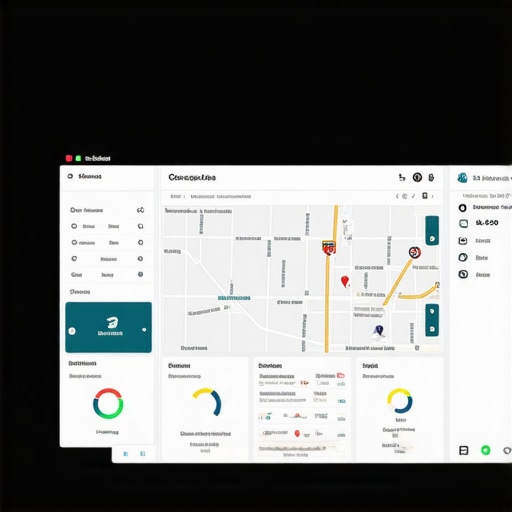
Manual Oversight Beats the Best Algorithms
The biggest mistake I see executives make is assuming the tech will catch the human errors. I’ve found that reserving your spot to guarantee safety and punctuality 24/7 requires a layer of human verification that an app simply cannot replicate. For example, professional telematics systems using the SAE J1939 protocol provide raw data directly from the vehicle’s engine bus, which is why I always insist that real-time vehicle data is more accurate than estimated times provided by consumer-grade maps. This hardware-level data ensures that if a car has a mechanical hiccup or a tire pressure warning, the dispatch center knows before the driver even feels a vibration.
Keep a Physical Anchor in a Digital World
You might think it’s old-fashioned, but knowing why you must demand a physical copy of your trip reservation is a safety tip I will never stop preaching. In ‘dead zones’ where 5G fails or during a sudden OS update on your phone, that paper is your boarding pass and your security clearance. It prevents any confusion about why flexible policies are vital for business meeting delays because the terms are right there in black and white. I also look for services that prioritize internal safety triggers, such as why driver speed alerts are the backbone of passenger safety, ensuring that even as I scale my travel frequency, the risk profile stays flat.
How do I maintain these high standards month after month?
Reliability is a muscle. To keep it strong, you have to treat every trip like a case study. I predict that in the next few years, we will see ‘Logistics Passports’ where your preferences and safety requirements are instantly ported between global fleets via blockchain verification. Until then, you must be your own advocate. My challenge to you: The next time you book an hourly car, ask the dispatcher specifically how they handle ‘hardware-level’ vehicle tracking. It will tell you instantly if you are dealing with a pro or just a fancy app wrapper. If you want to see how we handle these details, feel free to check our privacy policy or get in touch through our contact us page.
What I Discovered After 500 Hours in the Back Seat
Reflecting on my shift to professional logistics, the biggest lightbulb moment wasn’t about the car—it was about the mental bandwidth. When you stop worrying if a driver will show up, you suddenly have the space to solve actual problems. I realized that why safety and timeliness matter in hourly reservation services isn’t just about the clock; it is about protecting your cognitive load. Here are the hard truths I’ve gathered:
- The ‘Just-in-Time’ Myth: If you are arriving ‘on time,’ you are already late. A pro-level schedule requires that three-minute cushion to avoid the rush.
- Cheap is Expensive: The money I ‘saved’ on standard apps was always spent later in stress-relief or missed opportunities during those transit gaps.
- Data is King: Relying on hardware-level vehicle data rather than phone apps changed how I viewed reliability, ensuring the fleet is actually being tracked properly.
#IMAGE_PLACEHOLDER_FINAL#
The Three Tools I Use to Audit My Travel
I don’t just hope for a good ride; I verify it. First, I always check the payment portal to verify your payment is processed via a secure gateway. This prevents the nightmare of identity theft during a high-stakes business trip. Second, I keep a digital copy of the SAE J1939 protocols reference sheet handy just to know what real telemetry looks like when a company claims to have real-time monitoring. Finally, I trust safety precision the key to reliable hourly reservations for peace of mind when vetting a new provider. These aren’t just details; they are the foundation of maximizing your safety and satisfaction with our precise reservation timing.
Your Schedule Deserves More Than a Gamble
Transitioning to a high-reliability model is the ultimate act of self-respect for your career. You are no longer at the mercy of a random driver’s morning mood or an app’s glitchy server. By mastering your hourly, reservation, safety, on time protocols, you are taking ownership of your most finite resource: time. It is about ensuring safety and punctuality every single time you step out the door. Don’t be afraid to demand more from your transportation partners—your productivity depends on it. Have you ever missed a major life event because of a ride-hailing app’s ‘ghost’ driver? Let me know in the comments below.