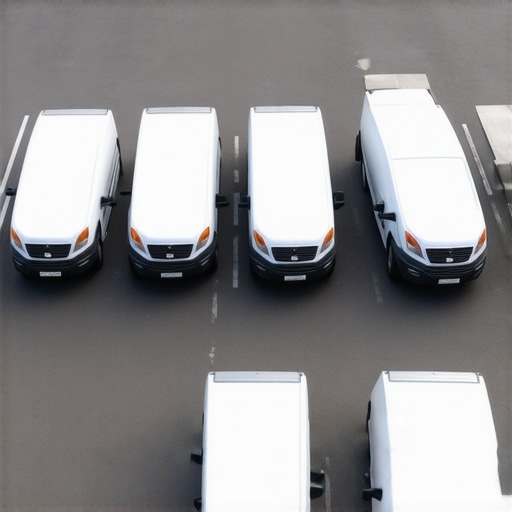
I will never forget the smell of burnt transmission fluid on a rainy Tuesday morning. I was standing on a curb in downtown Chicago, three heavy suitcases at my feet, watching my flight departure time creep closer on my phone. The car that pulled up for my reservation looked decent enough from twenty feet away, but as it idled, the rhythmic clicking of a failing belt told a different story. I got in anyway—a mistake I still kick myself for—and we didn’t even make it to the expressway before the engine gave up the ghost. I spent the next two hours on a greasy shoulder, realizing that a shiny website doesn’t guarantee a safe ride. Since that disaster, I’ve made it my mission to help others avoid the same trap by learning the subtle, almost invisible signs of a true pro operation. Today, I am going to show you exactly how to vet a fleet in under sixty seconds so you never have to worry about whether you’ll actually make it to your destination. Have you ever felt that sinking pit in your stomach the moment you saw your ride pull around the corner?
Stop Looking at the Logo and Start Looking at the Tires
When a company claims to offer elite hourly reservation services, the first thing I look at isn’t the driver’s suit—it’s the rubber on the road. A professional fleet manager treats maintenance like a religion, not a chore. If you see mismatched tire brands or low tread, it’s a massive red flag that they are cutting corners where it counts most. You can often judge the entire maintenance philosophy by the windshield wiper test; if they can’t be bothered to replace a ten-dollar blade, they certainly aren’t checking the transmission fluid. According to the National Safety Council, mechanical failures contribute to thousands of avoidable accidents every year, and most of these start with deferred maintenance that is visible to the naked eye. Before you even open the door, listen for a brake pad squeal or look for a commercial license plate to ensure the vehicle is actually registered for for-hire work.
Is a clean car actually a safe car?
It’s tempting to think that a freshly waxed exterior equals a top-tier service, but I’ve seen plenty of “polished turds” in my time. A professional fleet shows its true colors in the high-traffic areas. I always perform the floor mat check the second I step inside. If the carpets are frayed or the interior smells like a cheap air freshener trying to hide cigarette smoke, it’s a sign of a high-turnover, low-standard operation. Professionals take pride in the details because they know their reputation is built on the tiny things that most passengers take for granted.Now that you’ve looked at the tires and the floor mats, we need to talk about the digital bones of the operation. I once booked a ride in London for a 4 AM flight, and instead of just hoping for the best, I used the 3 AM pickup blueprint to ensure the company was actually awake. I called the dispatch line at 3:15 AM just to see if a human would answer. They did, and they confirmed the driver was already ten minutes away from my hotel. If an automated bot had answered, I would have spent the next forty-five minutes sweating over my luggage.
Verify the Paperwork Before You Step Off the Curb
Most people assume that a confirmation email is a legal contract, but there is a massive difference between a reservation and a confirmed booking. A real professional service will provide a physical or digital trip sheet that includes the driver’s name, the vehicle’s commercial insurance details, and a specific pickup zone.
Demand a Concrete Confirmation That Actually Protects You
Never settle for a vague ‘we will see you soon’ text. You should demand a physical copy of your trip reservation or a detailed PDF that lists the dispatch contact info. This document is your leverage if things go sideways. I learned this the hard way in Miami when a driver claimed he wasn’t ‘allowed’ to go to the terminal I needed; if I had my reservation copy handy, I could have proven the pre-agreed route instantly.
Stop Giving Out Your Personal Phone Number
Privacy is the most overlooked part of travel safety. When you book, a top-tier firm will use technology to shield your identity. There is a massive security benefit of masking your phone number with your driver. If the driver asks for your personal cell number directly, it’s a sign they are trying to bypass the company’s oversight. This isn’t just about spam; it’s about making sure your data stays within secure booking software protocols rather than a stranger’s contact list. 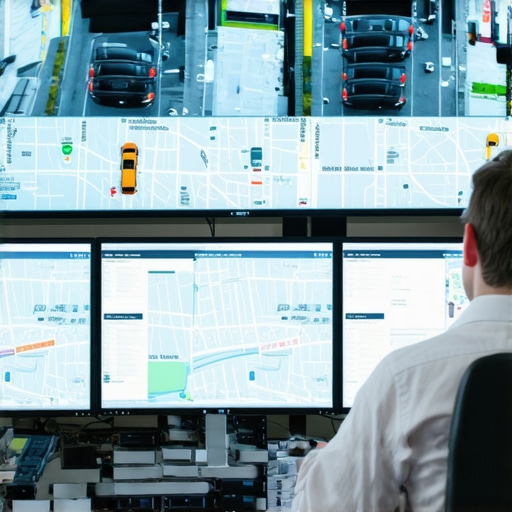
Why a Human Dispatcher Is Your Best Safety Net
We live in the age of AI, but in the world of high-stakes transportation, human dispatchers outperform pure AI scheduling every single time. An algorithm doesn’t know that a local parade just shut down three blocks of the main artery, but a local dispatcher does. This human element is what ensures on-time and reliable hourly bookings.
Audit the Driver’s Credentials Without Feeling Like a Jerk
You have every right to know who is behind the wheel. You can easily verify a driver’s safety certification by simply asking, ‘Is this a commercially insured vehicle?’ or checking for the permit sticker on the windshield. A pro will be proud to show you; a ‘gig worker’ pretending to be a pro will get defensive. Real safety relies on real-time vehicle data and verified credentials, not just a nice-looking car and a smile.Most travelers live and die by the progress bar on their smartphone, but here is the cold, hard truth: the ETA shown on a standard ride-sharing app is often a marketing tool, not a mathematical certainty. I’ve seen people miss international flights because they trusted a ‘6-minute away’ notification that stayed frozen for nearly a quarter of an hour. This happens because most consumer apps rely on reactive data that only accounts for where a car was thirty seconds ago. According to a study by the Texas A&M Transportation Institute, urban traffic volatility can swing as much as 40% within a single ten-minute window, meaning if your service isn’t using predictive modeling, they are already late. This is exactly why on-demand apps often struggle with prompt airport pickups; they simply don’t have the human oversight or the temporal buffer built into their algorithms.
The ETA Myth That Ruins Most Travel Plans
In my years of vetting fleets, I’ve found that real-time vehicle data is more accurate than estimated times provided by a consumer-grade map. A pro operation uses fleet-wide telematics to see exactly where a car is, not just where a phone’s GPS thinks it is. If you want to avoid the ‘ghost car’ phenomenon, you need a service that understands the 3-minute buffer that saves you from missing the train. The common ‘trap’ many travelers fall into is the ‘tight turn’—booking a pickup for exactly when a meeting ends or a flight lands. A novice booking makes you feel rushed, whereas a professional will advise you that the 12-minute rule for stress-free airport pickups is the only way to actually stay on schedule.
Can you trust a driver who uses a standard smartphone for navigation?
Most people think a phone on a dash mount is the peak of modern tech, but for a professional chauffeur, it is a massive liability. Smartphones overheat, lose signal in ‘concrete canyons,’ and—most dangerously—serve as a constant source of distraction. A truly elite service will explain why we use dedicated GPS hardware instead of smartphone apps. These units are hardwired into the vehicle, have significantly superior antenna strength, and don’t ping the driver with social media notifications or personal calls in the middle of a high-speed merge. 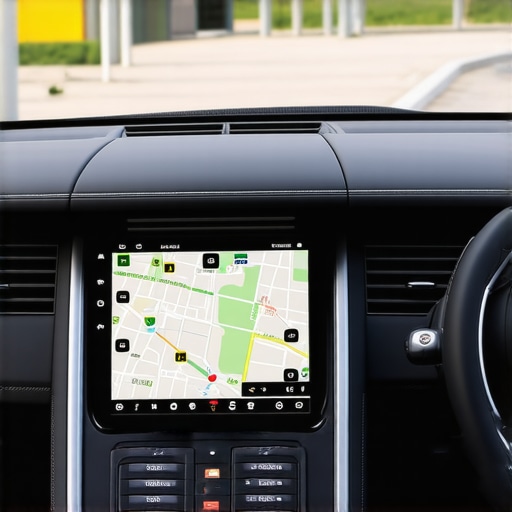
Stop Thinking One-Way and Start Thinking Hourly
Here is a contrarian take: for most business trips, a one-way booking is actually a gamble you shouldn’t take. Everyone thinks they are saving money by booking point-to-point, but why one-way bookings often lead to unnecessary stress is simple—you lose your ‘priority status’ the moment you step out of the car. If your meeting runs twenty minutes over, you are back at the bottom of the queue with an entirely new driver who might be miles away. With an hourly reservation, that driver is your dedicated safety net, waiting on your timeline. It is about maximizing your safety and satisfaction with precise reservation timing rather than crossing your fingers. Have you ever fallen into this trap where a ‘simple’ one-way trip left you stranded in the rain? Let me know in the comments.Maintaining that level of precision isn’t just about hard work; it’s about the tools under the hood and the software in the dispatch office. I personally rely on deep telematics data because a simple GPS doesn’t tell the whole story of a vehicle’s health. For instance, why real-time fuel monitoring prevents unexpected roadside stops is something I learned the hard way when a ‘low fuel’ light turned into a two-mile walk in 90-degree heat. Today, I look for systems that use the SAE J1939 protocol to pull engine data directly. This technical standard allows us to see exactly how to ensure your hourly driver stays within safe speed limits by monitoring throttle position and braking force, rather than just relying on generic satellite speed data which can lag in tunnels or urban canyons.
How can I keep my travel safety standards high over the long term?
Consistency is the ultimate enemy of complacency. I recommend you perform a periodic audit on any service you use regularly. You should know the proper way to audit your drivers commercial insurance and ensure their coverage hasn’t lapsed or been downgraded. A professional operation will have a transparent portal for this. It’s the same logic behind how to background check your private transport company in minutes; don’t just do it when you first sign up. Re-verify every few months to ensure they haven’t started cutting corners on their vetting process as they scale. 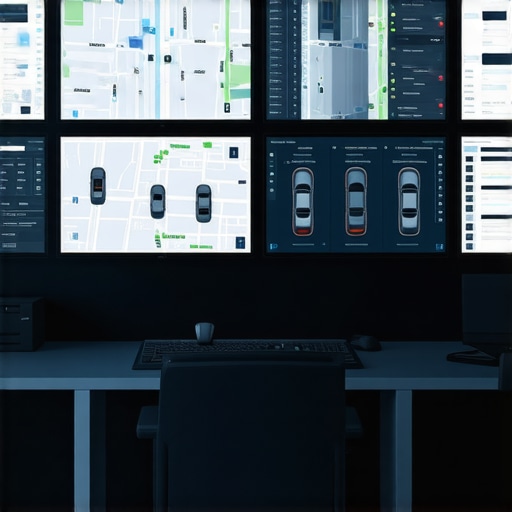 I’ve also found that scaling these services for larger groups requires a digital backbone that can handle chaos. You need a system that knows how to manage family travel with flexible reservation edits without losing the original safety protocols. This is where why driver speed alerts are the backbone of passenger safety becomes clear; it allows a central dispatcher to intervene before a driver starts rushing to make up for a late flight. Looking ahead, the next frontier is predictive maintenance where a vehicle ‘calls in sick’ to the dispatcher before a part even fails. We already see shades of this in how we guaranteed an on-time arrival for a 5 AM flight by using sensors to verify battery health in freezing temperatures the night before. If you want to achieve on-time arrival by mastering the art of reservation and safety, you have to demand this level of technical oversight. For your next trip, I challenge you to ask your provider what specific telematics hardware they use; a truly on-time and every time strategy depends on it.
Hard Lessons from a Decade on the Passenger Side
Reflecting on years of travel, I’ve realized that the most expensive ride isn’t the one with the highest rate—it’s the one that leaves you stranded. One of my biggest lightbulb moments was realizing that you should never take a driver’s word for their status; instead, you should always follow the protocol for verifying your chauffeurs permit before you even load your luggage. I also learned that “just-in-time” scheduling is a myth. Now, I always look for on-time and reliable hourly bookings to ensure I have a buffer for the unexpected. Finally, safety is a physical reality, not a digital promise. I’ve started paying attention to whether a driver seems alert, often using subtle cues to see how to ensure your driver is not fatigued during a late night trip before we pull onto the highway.
The Essential Toolkit for Professional Transit
To keep my travel standards high, I rely on a few specific tools and methods. First, I always cross-reference my booking with how to check a vehicles safety rating before you book your ride via independent databases. For my own peace of mind, I’ve stopped using my phone for navigation and now demand that my providers use high-grade telematics. #IMAGE_PLACEHOLDER_E# I also swear by the 3-minute buffer that saves you from missing the train, which is a simple mental rule that has saved me more times than I can count. I trust these methods because they shift the power from the service provider back to the passenger.
Take Back Control of Your Next Departure
Travel shouldn’t be a gamble. By vetting the fleet, checking the paperwork, and prioritizing human dispatchers, you are investing in your own peace of mind. You deserve a service that views your schedule as a commitment, not a suggestion. As you plan your next trip, remember that on-time arrival by mastering the art of reservation and safety is within your reach if you look for the right signs. Don’t be afraid to ask the hard questions—a true pro will always have the answers. Have you ever been stranded because of a ‘ghost car’ in a ride-sharing app? Let me know in the comments below.