
I’ll never forget the rainy Tuesday I nearly missed a board meeting because I was too polite to speak up. I’d made a late-night hourly reservation and was so focused on being on time that I ignored the fact that my driver was fumbling with three different GPS devices before I even sat down. Halfway through the trip, he almost clipped a cyclist while checking a notification. That’s when it hit me: the signs of a distracted or ill-prepared driver are usually there the moment they pull up to the curb. Today, we are going to fix that. I’m going to show you exactly how to protect your peace of mind and your safety by identifying these red flags early so you never have to feel unsafe in a vehicle again.
Watch the Dashboard Before You Step Inside
It starts with the approach. When you use a high-end service, you expect professionalism, but even the best-laid plans for reservation security can be undermined by a driver who hasn’t quite locked in. I used to think that as long as the car arrived, the rest was out of my hands. That was a huge mistake that led to some very white-knuckled rides. Now, I perform a quick pre-trip inspection of the driver’s focus before I ever put my luggage in the trunk.
Is it actually possible to judge a driver in thirty seconds?
You’d be surprised how much you can see through a windshield. According to the National Highway Traffic Safety Administration (NHTSA), distracted driving claimed over 3,500 lives in 2021 alone—it is a split-second issue that demands your attention. Look at the dashboard. Is there a ‘phone tree’ of multiple devices? Is the driver wearing bulky headphones? These are immediate indicators that their attention is divided. I once ignored a driver who was visibly rubbing his eyes and yawning—a classic sign of being too tired to drive safely—and it resulted in the most harrowing forty-minute ride of my life. Trust your gut. If the driver is more interested in their phone than in verifying your identity, that is your cue to pause. Have you ever felt that sinking feeling in your stomach the moment a car door opened? I’d love to hear how you handled it in the comments. We’re about to dive into the specific visual cues that will save you from a dangerous commute.
Take Command Before You Open the Door
Once the vehicle pulls up, do not just rush in. This is the critical window where you perform the routine for inspecting your ride before boarding. Walk around the back first. Check the license plate. Does it match your app? If not, do not get in. I once had a driver tell me his other car was in the shop while driving a beat-up sedan that did not match the luxury SUV I booked. It turns out he was not even the registered driver for the company, and his lack of preparation was a massive red flag I am glad I noticed before the doors locked.
Look for the Excessive Screen Trap
A professional driver is like an airline pilot; they should have a sterile cockpit designed for focus. If you see more than one device mounted on the dashboard, or a phone resting on the driver’s lap, you are looking at a distracted driving disaster waiting to happen. You need to know how to ensure your driver is not using a personal phone while driving by observing where their hands go the moment they think you are not looking. 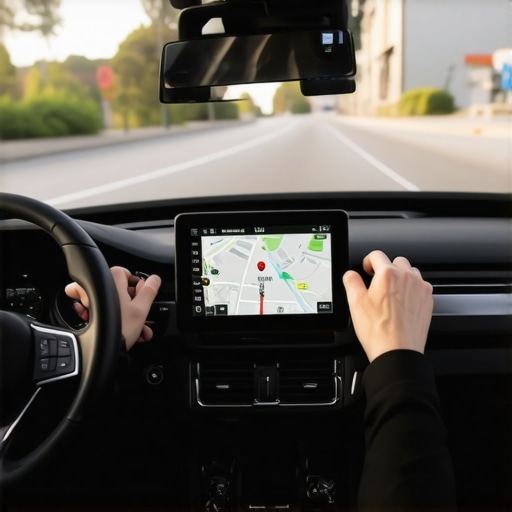
Confirm Identity Without the Friction
Before you sit down, ask the driver who they are picking up. Never volunteer your name first. This simple trick forces them to engage with their dispatch system or app. While you are at it, a quick glance at the windshield or side window should reveal a commercial permit or registration sticker. If you are ever unsure, you can learn how to verify your drivers commercial registration manually to ensure the vehicle is actually insured for hire and meets local standards. I remember a particularly tense pickup in London where the driver could not produce any ID and did not even know my destination despite the reservation security protocols I expected. I canceled on the spot, and it was the best decision I made that day.
The Art of Silent Observation During the Ride
Once you are inside, the assessment does not stop. Pay attention to how they handle the navigation. There is a reason why your driver should never ask for directions; it shows a lack of preparation and a reliance on live GPS that can fail in tunnels or high-traffic areas. A true professional has already mapped the route before you even touch the door handle.
Watch the Speedometer and the Mirror
Use your own phone to keep things honest and maintain your peace of mind. By using certain apps, you can understand how to audit your drivers speed using live tracking links without having to lean over their shoulder. If they are consistently 15 mph over the limit, or worse, if they are braking abruptly because they were looking at a notification, you need to speak up. I have found that a polite, I am in no rush, I would prefer we keep it at the speed limit, usually resets the driver’s focus. If you are traveling at night, always perform the 5-point safety check for every nighttime ride to ensure the child locks are not engaged and you have a clear exit path. Safety is not about being paranoid; it is about being the most informed person in the car.Most travelers believe that a confirmed arrival time is a sacred contract. In reality, why most arrival times are simply guesses is a truth that many services hide behind sleek interfaces. A study by the AAA Foundation for Traffic Safety highlights how urban congestion can fluctuate by as much as 300% within a single hour, making automated ETAs almost worthless in high-stakes situations. If you are relying on a machine to tell you when your driver will arrive, you are already behind the curve.
Stop Trusting the Standard Fifteen Minute Window
Everyone tells you to arrive early, but the standard buffer is a trap. I have found why the 17-minute buffer outperforms the traditional 15-minute rule, and it comes down to the way traffic lights and airport security gates are synchronized. That extra two minutes is not just a cushion; it is a tactical advantage that accounts for the ‘first-mile’ delays that most apps ignore. When you make an hourly reservation, you aren’t just paying for a seat; you are paying for the driver’s ability to manage these micro-delays. 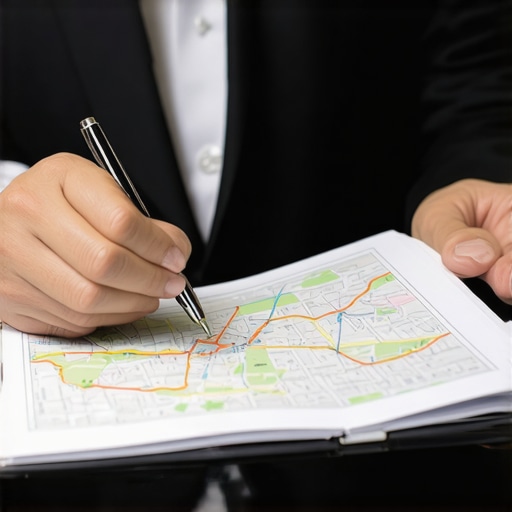
Is your driver a professional or just an app-user?
This is the nuance most people miss. There is a the hidden difference between app drivers and private chauffeurs that manifests in their documentation. A professional chauffeur will have a commercial insurance policy specifically for ‘livery’ or ‘for-hire’ services. Before you settle in, know how to verify commercial plates on a private hire. If the plate does not signify a commercial vehicle, you are likely in a personal car with personal insurance that may not cover you in the event of an accident. It’s an advanced mistake that even frequent flyers make.
The Myth of the Perfect Algorithm
We’ve been conditioned to think that AI knows best, but why a human dispatcher outperforms an ai every time becomes obvious during a summer storm or a sudden road closure. An algorithm sees a delay and adds ten minutes; a human dispatcher sees a delay, knows the local backroads, and reroutes the driver before the traffic even builds. This human-centric approach is why hourly booking is more reliable than ride-hailing apps for anyone who cannot afford to be late. Have you ever fallen into this trap of over-relying on an app’s estimated time? Let me know in the comments. By shifting your focus from the digital screen to the physical evidence of professional logistics, you ensure that your reservation security is handled by experts, not just code.Maintaining a high-stakes schedule isn’t just about the occasional lucky booking; it is about building a system that scales with your needs. When I transitioned from occasional rides to a full-time corporate schedule, I realized that I needed more than just a phone app. I needed a framework. I started by learning how to set up a recurring weekly commute that never fails, which moved my logistics from a daily chore to a background process. For me, the secret sauce is combining high-end human dispatch with my own digital audit. I use a dedicated calendar layer that syncs with my driver’s tracking link, allowing me to see the physical location of the car thirty minutes before I even walk out the door. This isn’t just about being punctual; it is about the fact that why on-time performance is the only metric that matters when you have back-to-back board meetings.
How do I maintain consistent safety and reliability over time?
Consistency is born from data. Once a month, I take ten minutes to review my ride history. I’ve learned how to audit your monthly travel spend without stress, but more importantly, I look for patterns in driver behavior. If a service consistently sends cars that fail safety precision standards, I cut them. I also lean heavily on the IRU (International Road Transport Union) guidelines for driver fatigue management. I actually ask my regular drivers how many hours they’ve been on the clock. If they are pushing the IRU’s recommended limits for daily driving without a significant break, I’ll request a driver swap. It might seem over the top, but professional logistics require professional oversight. 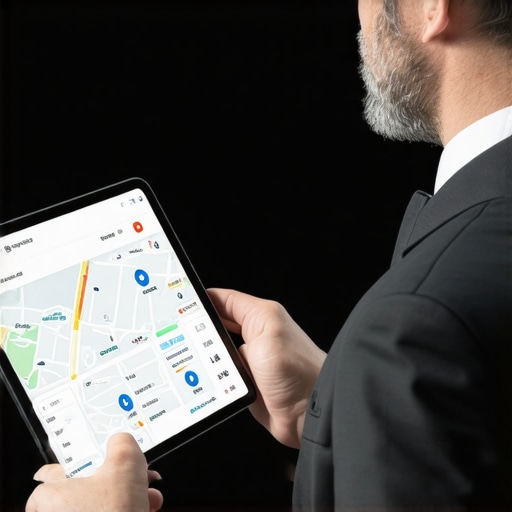
Put Your Recurring Commute on Autopilot
Looking toward the future, I see a major shift away from ‘on-demand’ chaos toward ‘predictive’ hourly services. As urban centers become more congested, the ability to lock in a single professional for the day will become a status symbol of efficiency. I’ve already seen why hourly logistics save more time than point-to-point, especially when you can leave your laptop and documents in a secure, attended vehicle between stops. This isn’t just a luxury; it’s a productivity tool that gives you back two to three hours of work time every single day. If you really want to level up your travel game, I challenge you to try the ‘Commercial Plate Audit’ on your next three rides. Don’t just get in—check the registration against the app and see how many ‘professional’ services are actually cutting corners. Once you see the difference in quality, you’ll never go back to basic ride-hailing again.
What Years of High-Stakes Travel Taught Me About Trust
The most profound realization I ever had wasn’t about the technology; it was about the psychology of the professional behind the wheel. I spent years thinking that a higher price tag automatically guaranteed safety, but the truth is that your security depends on your willingness to look for the small things. I learned that reservation security isn’t just a digital checkbox—it’s a physical reality you verify the moment you see the car. When I started performing the routine for inspecting your ride before boarding, my anxiety levels dropped because I was no longer a passive passenger. I was an informed traveler who knew why safety and timeliness matter in hourly reservation services. The biggest lesson? Never be afraid to cancel a ride that feels wrong; your life and time are worth more than a cancellation fee.
A Hand-Picked Guide for the Frequent Flyer
If you want to move from being stressed to being strategic, I recommend focusing on these few pillars. First, ditch the generic 15-minute rule and embrace why the 17-minute buffer outperforms the traditional 15-minute rule to account for those micro-delays that standard apps miss. Second, make it a habit to check the paperwork; knowing how to verify your drivers commercial registration manually is a skill that separates the pros from the amateurs. Finally, at the end of every month, take a moment to audit your monthly travel spend without stress. This isn’t just about the money—it’s about spotting the services that consistently deliver on safety precision and those that do not.
Take Back Your Peace of Mind
You deserve to arrive at your destination feeling refreshed and ready for whatever the day brings, not exhausted from a stressful commute. By applying these visual checks and logistical buffers, you are ensuring an on-time arrival that feels effortless. High-stakes travel doesn’t have to be a gamble. It is a system you can master, one ride at a time. I want to see you succeed, and it starts with the very next car you book. Have you ever noticed a subtle red flag that made you cancel a trip on the spot? Let me know in the comments below!