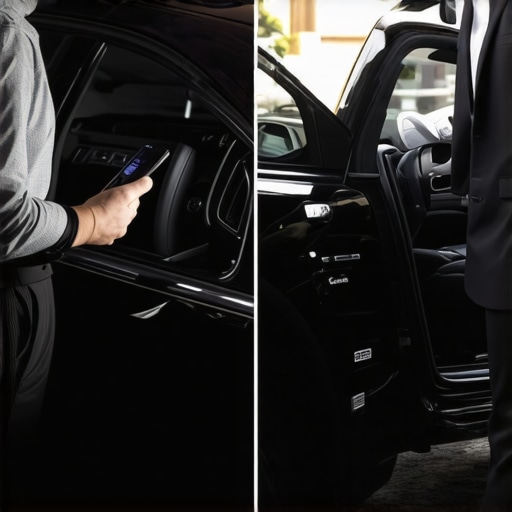
I remember standing on a soaked Chicago curb three years ago, watching a tiny blue sedan icon on my phone screen spin in frustrated circles while I was already ten minutes late for a career-defining presentation. I had fallen for the convenience trap. I assumed that ‘on-demand’ was the same thing as ‘on-time,’ and that mistake cost me a major client and a lot of sleep. It was a brutal realization that for the moments that actually matter, ‘close enough’ just isn’t good enough. Today, I want to pull back the curtain on why hourly booking is more reliable than ride-hailing apps and why the hidden mechanics of the transportation world can either make or break your professional reputation. We are going to solve that ‘will they show up?’ anxiety once and for all.
You deserve more than a ‘recalculating’ notification
The fundamental problem with most app-based services isn’t actually the drivers; it is the ecosystem. You are essentially bidding for someone’s time in a chaotic real-time market, which is a massive gamble when you have a flight to catch or a keynote to deliver. When I finally made the switch to professional services, I learned that on-time performance is the only metric that matters, and it completely shifted my travel stress levels. Early in my journey, I made the amateur mistake of booking a ride only 15 minutes before I needed to depart, thinking the algorithm had my back. It didn’t. Interestingly, a report by the Economic Policy Institute highlights that the gig-economy model often forces drivers to prioritize quantity of rides over the quality of a single passenger’s experience, leading to those all-too-common last-minute cancellations.
Is a private chauffeur actually worth the extra cost?
I hear this all the time from skeptical neighbors: ‘Why pay more when I can just tap an app?’ It is a fair question until you consider what you are actually buying with that premium. You aren’t just paying for the four wheels and the engine; you’re investing in reliability and peace of mind. A private chauffeur operates on a strict reservation basis, meaning they are committed to your specific itinerary, not the next person with a higher surge multiplier. They utilize professional tools like real-time speed alerts to ensure you arrive safely, rather than rushing to squeeze in one more fare before your pickup. Have you ever felt that sinking feeling in your stomach as your ride-share driver took a wrong turn while you were already behind schedule? I’d love to hear your story and how you handled it. We are about to dive into the practical steps to ensure that never happens to you again.
Shift your mindset from requesting to reserving
Booking a ride through a standard app is a lot like trying to find a seat in a crowded food court during lunch hour; it is a frantic, luck-based scramble. Conversely, an hourly booking is more like having a table at a Michelin-star restaurant with your name already on the manifest. To make this work, you need to understand the precise pickup window for ensuring you never wait on the curb. I learned this the hard way during a rainy winter in Seattle. By shifting to a fixed-time reservation, I stopped being a victim of ‘driver nearby’ lies and started controlling the clock. The trick is to treat your transportation like a flight booking—secure it at least 24 hours in advance to ensure the logic of the dispatch system prioritizes your route over the chaos of real-time demand.
Demand a digital paper trail for every trip
In the world of professional transit, if it isn’t in writing, it doesn’t exist. One of the biggest mistakes I see travelers make is relying on a verbal ‘we’ll be there’ from a local dispatch office. You should always demand a physical copy of your trip reservation via email or a secure portal. This document acts as your insurance policy. I once had a driver claim he was at the wrong terminal, but because I had my digital reservation clearly stating ‘Terminal B, Gate 4,’ the company was able to instantly re-route a backup vehicle at no extra cost to me. This level of accountability is why manual reservation checks outperform automated bots every single time.
Verify the person behind the wheel before you buckle up
Safety isn’t just about the car; it is about the credentials of the person operating it. Before I even open the door, I perform a quick mental checklist. It is vital to know how we verify every driver’s identity before they reach you so you aren’t guessing who is pulling into your driveway. I remember a particularly sketchy encounter in Atlanta where the car matched the description, but the driver seemed hesitant. I insisted on seeing the protocol for verifying your chauffeur’s permit, and it turned out he was ‘borrowing’ his brother’s account. I didn’t get in. A professional driver will expect you to ask and will have their commercial credentials ready to display without hesitation.
Leverage the hourly buffer to beat the clock
One of the secret weapons of the hourly model is that you aren’t paying for a distance; you are paying for dedicated availability. This means that if traffic jams up, the driver isn’t incentivized to take dangerous shortcuts to get to their next fare. In fact, how hourly rates protect you during unpredictable traffic is the primary reason why corporate travelers prefer it. Because the driver is already ‘on the clock’ for you, they utilize real-time speed alerts and professional navigation to find the safest, most efficient path rather than the fastest, most aggressive one. This turns the backseat from a place of high-speed anxiety into a mobile office where you can actually get work done.We often think that staring at a map on our phones makes the driver arrive faster. It’s a psychological safety net, but it’s often a lie. You see, why refreshing your tracking app might give you false arrival times is actually a technical limitation of cell tower triangulation and packet latency. If you’re betting your 9:00 AM presentation on a pixel that’s jumping blocks every thirty seconds, you’ve already lost the battle. This is where why GPS lag can ruin your meeting schedule becomes a very real problem for people who live by their calendars. Have you ever fallen into this trap? Let me know in the comments.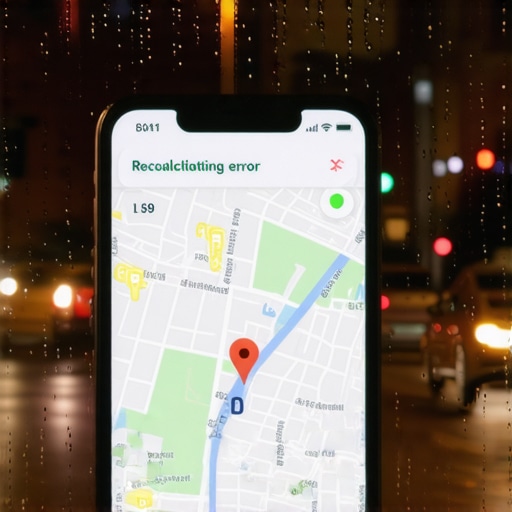 Let’s challenge a common belief: most travelers assume that the ‘Point A to Point B’ model is the most efficient way to get around a city. In my experience, that’s rarely true for a busy day. In fact, why hourly logistics save more time than point-to-point is the secret known by the most productive people I know. By booking the car for a block of time, you eliminate the re-booking delay at every stop. You aren’t waiting for a new driver to find you in a crowded alleyway; your driver is already there, having scouted the exit and the next turn. This isn’t just about luxury; it’s about the hidden math behind why hourly chauffeurs save executives money by protecting their most valuable asset: time.
Why does a 5-star rating mean less than a commercial permit?
This is the sophisticated question every traveler should ask. We’ve been conditioned to believe that a high rating equals safety. However, a rating is often just a measure of how ‘nice’ the driver was or how clean the seats looked. It says nothing about their training in defensive driving or their insurance coverage. You must know how to verify your driver’s commercial registration manually because a professional permit implies a level of vetting that a standard gig-economy background check simply doesn’t touch. The ‘Oops’ factor I see most often is the fatigue trap. Many part-time drivers are burning the candle at both ends—driving after an eight-hour shift at a different job. According to a study by the AAA Foundation for Traffic Safety, driving while drowsy can be as dangerous as driving under the influence. This is why I always check how to verify your driver is not fatigued and perform the routine for inspecting your ride before boarding. Look at the small details—is the driver’s reaction time sharp? Is the vehicle’s interior maintained? These are the real safety signals. I’ve learned that on-time arrival mastering the art of reservation and safety every hour requires more than just hope; it requires a 5-point safety check for every nighttime ride.Maintaining this level of precision isn’t a one-off event; it is a lifestyle change in how you value your own energy. I have found that the best tool in my arsenal isn’t a flashy app, but a rigorous habit of verification and professional oversight. For instance, I always cross-reference my driver’s internal tracking with independent flight data. This proactive stance is essential for how to handle a late flight arrival with your car service before you even touch the tarmac. Research published in the Journal of Navigation indicates that ‘urban canyon’ signal degradation can cause GPS offsets of up to 50 meters in high-rise districts, which is exactly why GPS lag can ruin your meeting schedule if you rely solely on automated pings without human verification. 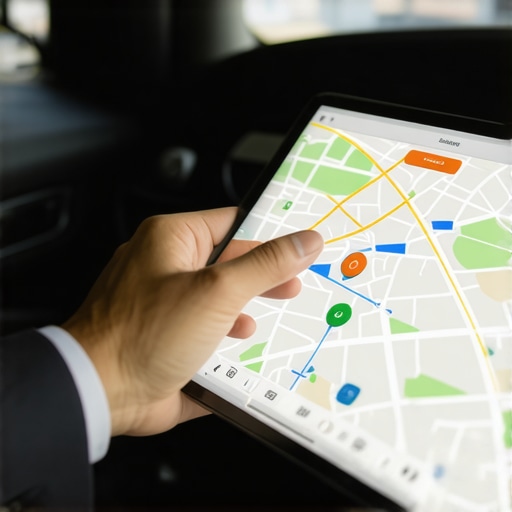 Looking ahead, I predict a massive ‘flight to quality’ in the transportation industry. As automated driving and basic ride-sharing become more commoditized and chaotic, the value of a professional human intermediary will skyrocket. This human touch—someone who can navigate the nuances of a security gate or a sudden VIP entrance change—is why a human dispatcher outperforms an AI every time. They possess the situational intuition that raw data points simply cannot replicate.
How do I maintain this level of travel precision over time?
The secret is in the post-trip audit. After every journey, I take three minutes to review the logistics. Did the driver utilize the red light strategy to avoid known city-center bottlenecks? Was the pickup actually within the precise pickup window for ensuring you never wait on the curb? I also make it a point to learn how to audit your final ride bill for hidden fees to ensure the service remains transparent and professional. If a company fails these small tests of consistency, they don’t get a second chance to handle my itinerary. You should stop being a passive passenger and start acting like a logistical manager of your own time. My advanced tip for your next booking: ask the dispatcher specifically about their ensuring safety first protocols and if they perform a windshield wiper test on their fleet weekly. It sounds nitpicky, but it signals to the provider that you are a client who demands on-time arrival mastering the art of reservation and safety. By setting this standard early, you ensure they dispatch their most seasoned driver to your door. You aren’t just buying a ride; you are securing a guaranteed outcome.
The brutal truth about arrival times that nobody talks about
After a decade on the road, I have realized that the ‘estimated time of arrival’ on a smartphone is often a work of fiction. Real-world transit involves variables that code simply cannot predict—like a sudden protest or a broken water main. This is why safety and timeliness matter in hourly reservation services more than any flashy UI ever could. One of my biggest lightbulb moments was realizing that driver fatigue is the silent killer of punctuality; a tired driver makes mistakes, misses exits, and lacks the sharpness to pivot. That is why I always check how to ensure your driver is not fatigued during a late night trip before I even open my car door. You have to be your own advocate because the algorithm certainly won’t be.
My personal toolkit for a stress-free itinerary
I don’t leave my reputation to chance anymore. My ‘travel bible’ includes three things: a printed copy of my trip manifest, a reliable verification protocol, and a commitment to hourly bookings for anything involving a deadline. I strongly suggest you stay secure and punctual by following essential hourly reservation tips that I’ve honed over the years. Before the wheels turn, I also take ten seconds to verify commercial plates on a private hire to ensure the insurance is actually valid. These aren’t just extra steps; they are the moat around your productivity.
Reclaim your schedule from the chaos of the algorithm
The transition from being a passive passenger to a proactive traveler is one of the most empowering shifts you can make. When you choose to stop relying on luck and start reserving your spot to guarantee safety and punctuality 24/7, you aren’t just booking a car; you are buying back your sanity. You deserve to walk into your meetings with clarity and confidence, not drenched in sweat because you were chasing a blue dot on a screen. Start small with your next high-stakes trip and watch how your focus improves. Have you ever missed a life-changing event because a ride-share driver canceled at the last second? Let me know in the comments below so we can share strategies on how to never let it happen again.