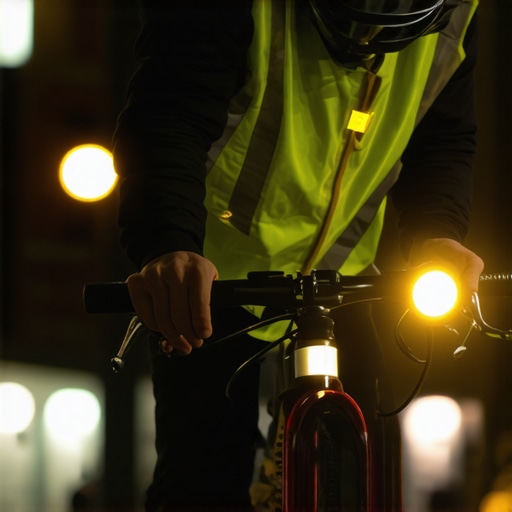
It was 2:14 AM on a rainy Tuesday in Chicago, and I was standing under a flickering streetlamp, clutching my phone like a lifeline. When a black sedan rolled up, I didn’t look at the plate. I didn’t even check the driver’s face through the window. I just wanted to be home in bed. That split-second of laziness almost turned into a disaster when I realized halfway through the trip that the car was veering away from my neighborhood and the driver refused to answer simple questions. I got out safely at a red light, shaking and drenched, but that moment of vulnerability changed my perspective on private transport forever. I realized that the convenience of a quick booking shouldn’t override the necessity of a personal protocol. We treat these apps and services like they are foolproof, but the human element is where things go sideways. [image placeholder]
Stop gambling with your late-night transport
Living in a city where everything moves at 100 miles per hour, it’s easy to treat a car reservation like a pizza delivery. You click a button and expect the best. However, my early mistake taught me that relying solely on a ‘verified’ icon is a dangerous game. I was so focused on finding an on-time arrival that I ignored the person behind the wheel. Whether you are using an hourly reservation for a high-stakes business event or just trying to get home after a late dinner with friends, the responsibility for your safety starts before you even touch the door handle. We often get distracted by the fancy leather seats or the promise of a quiet ride, but the real priority should be safety and precision. I’m going to show you exactly what I check now to ensure I never feel that 2 AM panic again. This isn’t about being paranoid; it’s about being prepared. I once ignored a squealing brake sound because I was in a rush, only to end up stranded on the shoulder of the highway twenty minutes later. Never again.
Is a thirty-second check really worth the hassle?
You’re tired, it’s cold, and your bed is calling your name. I totally get the urge to just dive into the backseat, check your emails, and tune out the world. But the reality of nighttime travel is sobering and requires a different level of vigilance. According to the National Safety Council, the risk of fatal accidents is significantly higher after dark due to compromised visibility and increased driver fatigue. Taking a few seconds for a routine ride inspection isn’t being ‘extra’—it’s being smart. For those of us who travel alone, knowing that hourly chauffeurs are safer for late-night solo travelers provides a layer of protection that standard, high-turnover apps just can’t match. It’s about the peace of mind that comes with knowing who is driving you and that the vehicle is up to par. Have you ever jumped into a car and immediately felt that ‘gut feeling’ that something was off? Tell me in the comments if you’ve ever ignored your intuition just to get home faster. Before we dive into the specific five points, we need to talk about how to verify your driver is not exhausted, because a tired driver at 3 AM is just as dangerous as a drunk one.
Spot the red flags before you open the door
Thinking about safety starts the moment the vehicle enters your line of sight. I treat the approach like a pre-flight inspection. You can how to spot a professional vehicle fleet at a glance just by looking at the consistency of the exterior. If the car has mismatched body panels or visible grime, it’s a sign that maintenance is an afterthought. I learned this lesson the hard way during a heavy storm in New Jersey. I had booked a car for a wedding and was so rushed I didn’t notice the tires were almost completely smooth. Ten minutes into the trip, we hit a puddle and hydroplaned across two lanes. That terrified silence in the cabin afterward was enough to make me a permanent critic of vehicle condition. Now, I perform the windshield wiper test and a quick glance at the tread every single time. It takes ten seconds, but it ensures my on-time arrival isn’t derailed by a preventable mechanical failure. #IMAGE_PLACE_HOLDER_B#
Verify the driver is actually ready for the road
Once the car is stationary, your focus must shift from the machine to the human. At 3 AM, the biggest threat isn’t just traffic; it’s exhaustion. I always initiate a brief, specific conversation to how to ensure your driver is not fatigued during a late-night trip. Ask about their shift or how long they’ve been on the road. If their responses are slurred or delayed, do not get in. Professional services that prioritize safety and precision will have strict logging for their drivers, but you are the final auditor. During that same wedding trip, I noticed the driver kept rubbing his eyes and drifting toward the rumble strips. I ended up asking him to pull over at a gas station so I could buy him a coffee, but really, I was just making sure he was lucid enough to finish the journey.
Check for these maintenance shortcuts
Beyond the tires, listen for the brake pad squeal you should never ignore before a long trip as the car slows down to meet you. High-pitched screeching indicates that the pads are worn to the indicators, which significantly increases stopping distances. A car that can’t stop quickly is a rolling liability. Inside the cabin, I look for professional equipment. One of the reasons I prefer premium services is that they generally use why we use dedicated GPS hardware instead of smartphone apps. A driver fumbling with a cracked iPhone mounted to a vent is a distracted driver. You need to know how to ensure your driver is not using a personal phone while driving because that split-second distraction is how accidents happen in dense city traffic.
Choose the seat that protects you best
Most people dive for the seat directly behind the passenger to have more legroom, but from a security standpoint, you should consider the seating position in a luxury sedan that offers most safety. Usually, the rear passenger side is preferred because it allows you to exit toward the sidewalk rather than into traffic. When I was in Chicago that night, being on the right side allowed me to jump out at that red light and immediately be on a safe walkway. If I had been behind the driver, I would have stepped directly into the path of an oncoming bus. Safety isn’t just about the booking; it’s about the geometry of your exit strategy.Most travelers believe that on-demand hailing is the pinnacle of efficiency, but this is a fundamental misunderstanding of urban logistics. In my experience, relying on a “nearby” car is actually a gamble with your time. This is why hourly booking is more reliable than ride-hailing apps, especially when you have back-to-back commitments. When you book by the hour, you aren’t just paying for a ride; you are securing a dedicated asset that is already in position. This is particularly evident when you consider why on-demand apps often struggle with prompt airport pickups. The driver is often miles away, navigating the same congestion you are trying to escape.
The trap of the refreshing ETA
We have all been there: staring at the screen, watching the little car icon dance around the same three blocks. This is a common trap. You think you have time because the screen says four minutes, but why refreshing your tracking app might give you false arrival times often comes down to the software’s inability to account for one-way streets or sudden construction. Instead, why real-time vehicle data is more accurate than estimated times is because it relies on actual telemetry rather than a predictive algorithm. I have learned that why your real-time ETA should account for pedestrian traffic is the missing piece for most city travelers. If you are in a high-foot-traffic area like Midtown Manhattan or the Chicago Loop, that four-minute wait can easily double. 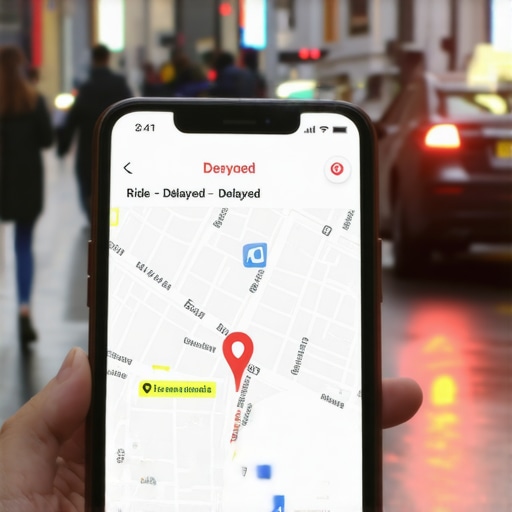
Will your app’s ETA actually get you to the airport on time?
Advanced travelers know that the biggest risk to an on-time arrival isn’t the traffic—it is the driver’s state of mind. A study by the Governors Highway Safety Association (GHSA) highlights that driver fatigue can be just as impairing as alcohol, yet most apps prioritize proximity over driver rest cycles. This is why I always check how to verify your driver is not exhausted before a long-haul trip. Professional services maintain safety standards that automated platforms simply ignore in favor of efficiency.
Why human dispatchers beat algorithms every time
There is a prevailing myth that AI scheduling is flawless. However, AI cannot sense the tension of a city on the verge of a protest or a sudden local event that is not on the digital map. That is why we prioritize human dispatchers over pure ai scheduling. A human can pivot, call the driver, and adjust the route based on real-world intuition. To truly maximize your safety and satisfaction with our precise reservation timing, you need a system that blends data with human oversight. Have you ever fallen into this trap of trusting the app blindly, only to watch your flight depart without you? Let me know in the comments.
The gear that separates pros from side-hustlers
Dealing with a driver who is squinting at a tiny, cracked phone screen is more than just an annoyance; it’s a massive safety hazard. That’s why we use dedicated GPS hardware instead of smartphone apps. A standalone unit doesn’t receive text messages or social media notifications that can distract the person in the front seat. Beyond the dashboard, why instant vehicle tracking is a requirement for modern business isn’t just about knowing where the car is—it’s about accountability. I personally prefer services that allow me to see telemetry data, ensuring that my on-time every-time strategies for safe and reliable hourly bookings aren’t just empty promises. 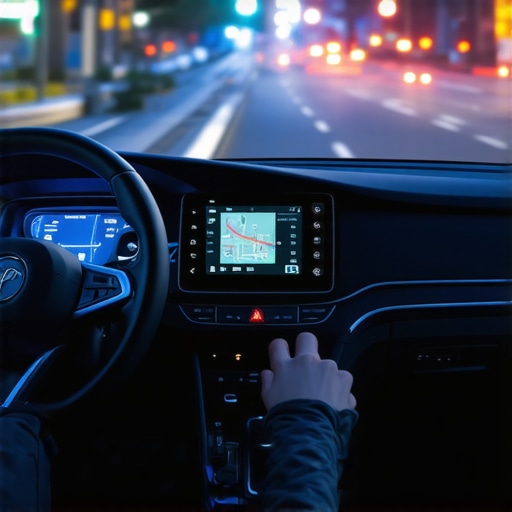
How do I maintain my travel standards over the long haul?
To keep your travel experience at a high level, you have to look for consistency in the mechanical fleet. I’ve developed a sixth sense for the brake pad squeal you should never ignore before a long trip. If I hear it, I cancel the ride immediately. I also keep an eye on the little things, like running the windshield wiper test the second rain starts falling. If the blades are streaking, the owner is cutting corners on maintenance. This level of scrutiny might seem high, but it’s how you guarantee reservation security measures actually mean something. According to technical reports from Geotab, fleets that utilize predictive maintenance software reduce unexpected breakdowns by nearly 20%. That’s a statistic I want on my side when I’m heading to a critical client meeting.
Predicting the shift toward biometrics and predictive maintenance
We are moving toward a world where your driver’s fatigue levels will be monitored by biometric sensors in real-time. I’m already seeing high-end services implement why real-time fuel monitoring prevents unexpected roadside stops to remove the human error of an empty tank. This is the future of luxury travel: total transparency. When I use a service that understands how an hourly chauffeur can save your business trip productivity, I’m not just buying a ride; I’m buying a managed environment. For my most sensitive trips, I’ve started asking how to store your trip data securely away from third-party apps because digital safety is just as vital as physical safety. Before your next big reservation, try this one advanced tip: ask the company for a copy of their most recent vehicle safety inspection report. A true professional will have it ready in minutes. It’s the ultimate way to maximize your safety and satisfaction with our precise reservation timing.
Hard-Won Truths from a 2 AM Traveler
After years of navigating city streets after midnight, I’ve realized that safety isn’t just a checklist—it’s a mindset. One of the biggest shifts in my logic was learning why a 4 am reservation needs extra planning compared to a midday trip. The environment is different, and the margin for error is razor-thin.
I also stopped assuming a driver was vetted just because they had an app. Now, I know exactly how to background check your private transport company in minutes before I even put my luggage in the trunk. It’s about being proactive rather than reactive. Finally, I never ignore the small signs of neglect, like a dirty floor mat or a squeaky door, because those often point to larger mechanical risks.
My Personal Safety Arsenal for Late Nights
I don’t leave my security to chance anymore. I always make sure I can audit your drivers commercial insurance if something feels off; a professional company will never hesitate to provide proof of coverage. It is also vital to have a tangible trail of your journey, which is why you must demand a physical copy of your trip reservation or at least a formal digital PDF that isn’t tied to a volatile app interface.
Lastly, I rely on services that prioritize human oversight. Knowing that a dispatcher is watching the clock as much as I am allows me to maximize your safety and satisfaction with our precise reservation timing. These aren’t just “extra” steps; they are the tools that ensure I get home every single time.
Take Back Control of Your Urban Commute
You shouldn’t have to feel anxious every time you book a car. By choosing a high-quality hourly reservation and performing your own quick safety checks, you move from being a passive passenger to an empowered traveler. Your on-time arrival is important, but your peace of mind is paramount. Don’t settle for “good enough” when your safety is on the line. Have you ever spotted a vehicle maintenance issue before getting in, and did you have the courage to walk away? Share your story below.