
I remember standing on a rain-slicked curb in downtown Chicago, watching a garbage truck block the only exit of a one-way street while my ‘safe’ 15-minute buffer slowly bled out. I had a flight to catch, a presentation in my bag, and a heart rate that was rapidly hitting triple digits. I missed the gate by exactly two minutes. That day, I realized the standard 15-minute rule is a trap designed for a perfect world that simply does not exist. Since that failure, I’ve sworn by the 17-minute buffer. It sounds like a tiny, almost arbitrary change, but it is the secret to keeping your cool when the rest of the world is spiraling into chaos. Today, I am going to show you how to stop living on the edge of a nervous breakdown and why those two extra minutes are your new best friend for every reservation you make.
Stop Trusting the 15-Minute Myth
We have all been conditioned to think in quarter-hour increments. It is a round, comfortable number that feels right on a calendar. But that is exactly why it fails us. It does not account for the ‘micro-delays’ like the driver missing a turn, a sudden downpour, or an elevator that decides to stop on every floor. By understanding why most arrival times are simply guesses, I started adding those two extra minutes to my routine as a non-negotiable rule. It was the move that guaranteed my arrival before the gate closed on my very next trip, even when the highway was a parking lot. [image_placeholder_1] Early in my career, I made the mistake of assuming the GPS was gospel. I learned the hard way that technology cannot predict a double-parked delivery van. Now, I prioritize ensuring safety first: your guide to on-time reservations at any hour by building a buffer that actually breathes.
Is two extra minutes really worth the trouble?
You might think I am being a bit obsessive. I get it. But those 120 seconds are what logistics experts call the ‘margin of sanity.’ According to researchers at the Texas A&M Transportation Institute, traffic variability in urban areas has increased by nearly 20% over the last decade, making traditional buffers functionally obsolete. When I look at why a 20-minute buffer is the new gold standard for business, I see the 17-minute mark as the absolute minimum for survival. It creates a psychological reset. Instead of sprinting to the car, you are walking. Have you ever felt that sinking feeling in your stomach when the GPS suddenly adds three minutes to your ETA? That is the feeling we are going to eliminate today by changing how you look at the clock.
Calculate Your Real Arrival Time Before You Book
Execution starts with the ‘Backwards Audit.’ Most people look at the GPS, see 30 minutes, and book for 30 minutes prior. That is a recipe for disaster. I start at the hard deadline—say, the moment the boarding gate closes—and subtract my 17-minute buffer immediately. Then I subtract the actual travel time. I realized why GPS lag can ruin your meeting schedule when my phone insisted I was five minutes away, yet I was stuck behind a stalled bus for twelve. By performing this audit, you aren’t just guessing; you are creating a timeline that absorbs shocks.
Audit Your Dead Zones
The biggest threat to your punctuality isn’t the highway; it is the ‘Dead Zones.’ These are the three to five-minute gaps spent waiting for an elevator, walking through a massive parking garage, or even just the time it takes to check the safety features of your ride. Last winter, I missed a crucial Amtrak connection in New York because I forgot to account for the walk from the curb to the platform. It took exactly four minutes longer than I thought. Since then, I have used the reliable way to time your commute during peak hours by adding a three-minute ‘friction tax’ for every transition point. 
Switch to Hourly Hires for Real Control
If your day involves more than one stop, point-to-point bookings are a gamble you will eventually lose. I shifted my strategy to hourly services for any day with back-to-back meetings. It is a game changer because the driver is already there, circling or parked nearby. I found that why hourly booking is the best move for multiple-site visits is largely due to the elimination of the ‘re-booking’ wait time. You also gain a massive safety advantage. You can verify your driver’s commercial registration manually once, and then you are set for the day. This level of on-time arrival mastering the art of reservation and safety every hour is what separates the professionals from the people sprinting through terminals.
Master the Art of the Pre-Trip Verification
The final step in the 17-minute method is the 5-minute pre-check. Five minutes before my scheduled pickup, I check the live tracking link. If the car hasn’t moved in ten minutes, I am on the phone. This proactive stance is part of ensuring safety first: your guide to on-time reservations at any hour. It is much easier to solve a logistics hiccup when you still have 12 minutes of buffer left than when you are already late. I also take this time to ensure I know how hourly transportation eliminates the stress of finding parking by confirming the exact drop-off point with the driver through the app or direct line.
Let’s talk about the mistake that nearly cost me a keynote slot in Austin last spring. I thought I was being smart by booking through a major app with a scheduled ride. I fell for the biggest myth in modern transport: that a digital reservation is the same thing as a logistical guarantee. It is not. Most apps just ping a driver ten minutes before your time; they do not actually reserve a specific human being. This is why safety and timeliness matter in hourly reservation services—you need a dedicated professional, not a gig worker who just finished a 12-hour shift. One of the ‘oops’ factors I see constantly is the assumption that a clean car means a safe car. I have learned to look deeper. Have you ever checked for a commercial permit? Or wondered how to verify your driver is not exhausted? According to a study by the National Sleep Foundation, drowsy driving is just as dangerous as driving under the influence, yet most people prioritize the lowest price over the driver’s rest cycle. When you choose the real cost of choosing the cheapest ride option, you are not just saving twenty bucks; you are increasing your risk profile.
Why does your GPS estimate ignore the human element?
It is because AI cannot see the ‘human friction’ on the ground. This is why a human dispatcher outperforms an AI every time. A human knows that a protest is planned for Main Street or that the local stadium is letting out early. If you want true on-time arrival mastering the art of reservation and safety every hour, you have to stop trusting the little blue line on your phone and start trusting localized expertise. I have seen people lose thousands in missed flights because they did not know how to spot a fake commercial insurance document or how to verify commercial plates on a private hire. These details seem small until you are sitting on the side of the road during a spot inspection by local authorities. 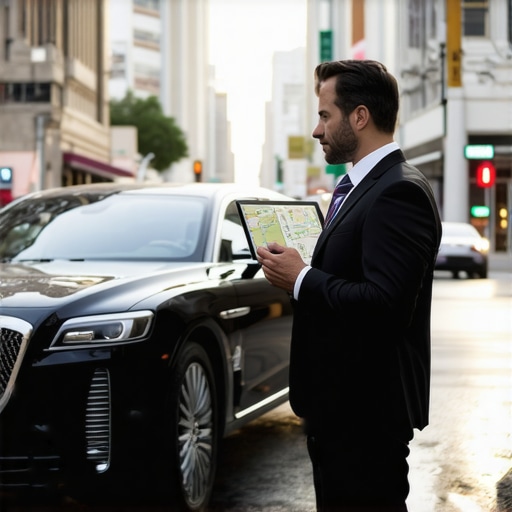
Look for red flags before you open the door
I have moved toward a much stricter vetting process. Before I even step into a vehicle, I perform the routine for inspecting your ride before boarding. It takes thirty seconds but saves hours of regret. Have you ever fallen into this trap of blind trust? Let me know in the comments below. For those of us who travel for a living, ensuring safety and punctuality: top tips for on-time reservations at any hour is not just a corporate slogan—it is the difference between a successful deal and a logistical nightmare. When you are booking your next trip, remember that the most expensive ride is the one that never shows up or leaves you stranded at the TSA checkpoint because of a technicality. Take control of your schedule by demanding professional standards over algorithm-based guesses.
Maintaining this level of punctuality over a long career isn’t about being lucky; it is about building a system that can scale with your needs. When I moved from managing my own travel to overseeing a team’s transit, I had to formalize my methods. I stopped treating every trip like a new puzzle and started using a standardized stack of tools. One of my non-negotiable rituals is using professional-grade flight tracking software. While most people wait for an airline notification, I use tools like FlightAware to monitor the ‘tail’—the actual physical aircraft—to see where it is three stops before it even reaches me. This proactive approach allows me to maximize your safety and satisfaction with our precise reservation timing by adjusting pickups hours before the ‘delayed’ alert hits my phone.
Build a Personal Transit Map That Actually Works
For my regular routes, I don’t rely on a fresh GPS search every morning. I have spent time building a custom transit schedule for my office and my frequent client sites. This involves mapping out the ‘friction points’ I mentioned earlier—gate codes, security desks, and those confusing parking garages. By documenting these, I ensure that my 17-minute buffer remains intact regardless of which driver is behind the wheel. I’ve found that why reliable schedules are better for your sleep cycle is simple: when you have a documented plan, your brain stops running ‘what-if’ scenarios at 3 AM. I highly recommend keeping a simple digital notebook with these ‘entry protocols’ for every major destination you visit.
How do I maintain this level of precision over time?
The key to long-term success is the ‘Weekly Friction Audit.’ Every Sunday, I look back at my travel logs. If a specific 5-mile stretch of highway took longer than usual three times in a row, I update my base travel time. According to the Bureau of Transportation Statistics (BTS), urban congestion patterns can shift significantly within just a six-month period due to local construction and zoning changes. If you are not auditing your data, your ‘standard’ buffer is slowly becoming obsolete. This is why on-time performance is the only metric that matters in the professional world. If you want to stay secure and punctual, you have to treat your commute as a living document, not a set-it-and-forget-it task.
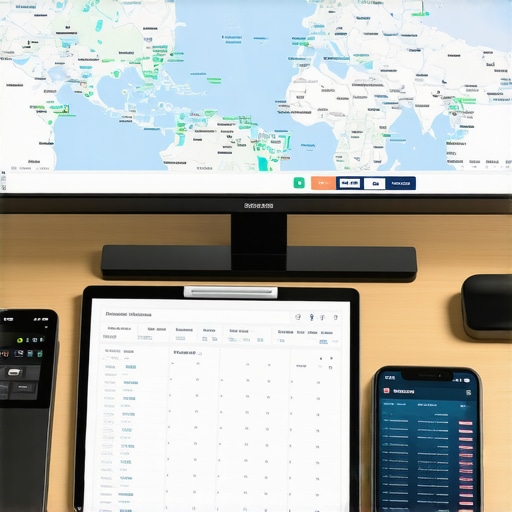
Looking toward the future, I expect the rise of V2X (Vehicle-to-Everything) technology to revolutionize how we handle these buffers. Soon, your reservation software will talk directly to city traffic lights and parking sensors, potentially reducing the ‘micro-delays’ we fight today. But until that infrastructure is universal, the human element remains supreme. I still insist on why you need a direct line to your hourly driver. Technology can fail, apps can crash, and cell towers can go down during a storm. A direct line is your ultimate fail-safe. If you really want to level up, I challenge you to try this: for your next high-stakes meeting, book an hourly service and send the driver your ‘friction points’ list via a secure link. You will be amazed at how much mental clarity you regain when the logistics are truly off your plate. This level of reservation security measures: how to book safely and arrive on time is what transforms a stressful trip into a productive mobile office.
The Hard Truth About Why My Old 15-Minute Rule Failed
Reflecting on years of high-stakes travel, the biggest shift wasn’t in the tech I used, but in my mindset. I stopped treating every trip like a sprint and started treating it like a logistical operation. I learned that why most arrival times are simply guesses is because life is inherently messy. Now, I use on-time every time: strategies for safe and reliable hourly bookings to ensure that even a flat tire doesn’t ruin my day. My ‘lightbulb moment’ was realizing that being ‘on time’ actually means being ten minutes early. If you arrive exactly at the scheduled minute, you are already behind the curve. This simple mental flip reduces cortisol levels faster than any meditation app ever could.
My Unconventional Toolkit for Stress-Free Travel
I don’t leave my schedule to chance. First, I always have a secondary navigation app running to cross-reference traffic data against my driver’s route. Second, I rely on a direct human contact rather than just an automated app. I’ve seen firsthand why a human dispatcher outperforms an AI every time—they can pivot in seconds while an algorithm is still buffering during a storm. I also swear by how to build a custom transit schedule for your office, which acts as a ‘cheat sheet’ for every regular route I take. Finally, I use a dedicated travel journal to note the ‘dead zones’ at new airports so I never get lost in a terminal again. [image_placeholder_5]
Take Back Control of Your Most Precious Resource
Your time is the only thing you can’t buy back. By implementing these buffers and prioritizing professional standards, you aren’t just getting from point A to point B; you are protecting your peace of mind. Start small by adding those two extra minutes to your next booking and see how the tension leaves your shoulders. You will quickly find that reserving your spot: how to guarantee safety and punctuality 24/7 is the foundation of a high-performance lifestyle. Don’t let a poorly timed reservation dictate the quality of your day. Have you ever missed a high-stakes event because of a ‘micro-delay’ like a slow elevator or a missed turn? Let’s swap stories in the comments below.