
It was a humid Tuesday afternoon, and I was sitting in the back of a black car, watching the minutes tick away toward a boarding call I was definitely going to miss. My driver was perfectly polite, but he was glued to a basic navigation app that had us funneled right into a three-mile backup on the main artery. I remember looking out the window at a side street—clear as a bell—and thinking, "Why aren’t we over there?" That was the day I realized that safety and punctuality aren’t just about driving the speed limit; they’re about knowing the veins and arteries of a city that the algorithms haven’t quite figured out yet. I had made the mistake of assuming every professional driver was a local legend. Early on, I just hit ‘book’ and hoped for the best, never realizing that mastering the art of arrival requires more than a data signal. Today, I am going to show you exactly how to vet your service so you are never the one staring at a sea of brake lights while your plane takes off without you. Have you ever been stuck behind a "smart" GPS route that felt incredibly dumb? It is a helpless feeling, but it is entirely avoidable.
Stop Letting Basic GPS Dictate Your Schedule
I used to think that technology had solved the traffic problem. Then I learned that GPS lag can ruin your meeting schedule in a heartbeat. Most ride-sharing apps use the same basic routing engine, which means they send thousands of cars onto the exact same "shortcut." It is a herd mentality that creates new traffic jams out of thin air. Real-world data from the Texas A&M Transportation Institute confirms that commuters in major metros lose dozens of hours annually to congestion that often stems from reliance on primary corridors. To get around this, you need a driver who understands the one turn that always causes delays and knows which residential cut-through is actually a legal, viable alternative. This level of expertise usually comes from hourly booking services where the drivers are professionals, not just hobbyists with a smartphone.
Do human drivers really beat the latest tech apps?
There is a common fear that human intuition is outdated in the age of big data. But here is the secret: a local driver knows when the high school down the street lets out and when the local stadium has a "surprise" matinee. They know that traditional transit schedules fail during road construction far better than an app that updates every five minutes. When you are looking for peace of mind, you are paying for that local gray matter, not just a set of wheels. I once missed a keynote because I didn’t check if my driver was a local expert. It was an expensive lesson in the danger of relying on basic setups. In the next few paragraphs, we will dive into the specific questions you need to ask during your reservation process to ensure your driver is a back-road master.
Identify the Dispatch Brain Before You Book
The first thing I look for when planning a high-stakes trip isn’t the leather interior of the car; it is the intelligence managing the logistics. You absolutely must know how to spot a professional dispatch center from a call center. A call center is just a group of people reading scripts, often hundreds of miles away from your city. A professional dispatch center, however, is a localized nerve center that understands the specific nuances of your route. I learned this the hard way during a trip to Chicago. I had booked what I thought was a premium service, but when the driver was ten minutes late, I called ‘dispatch’ only to find myself talking to a support agent in a different country who couldn’t even pronounce the street name I was on. That experience taught me why manual reservation checks outperform automated bots every single time. A human dispatcher would have seen the bridge lift on the river and adjusted the driver’s route before I even walked out my door.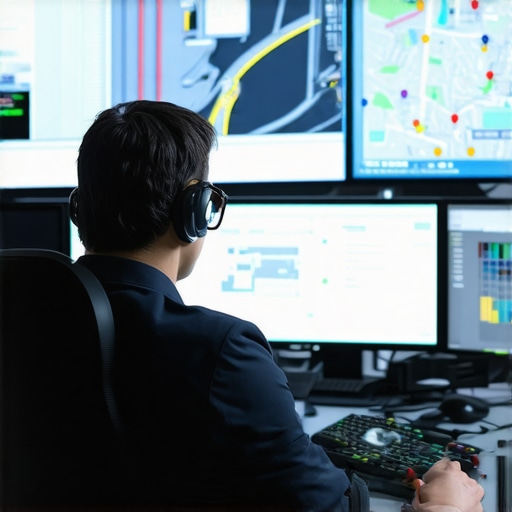
The Buffer Strategy That Actually Works
We have all heard the ‘leave early’ advice, but there is a precise science to the timing that goes beyond generalities. I follow the 3-minute buffer that saves you from missing the train. This is the habit of ensuring your driver is physically at your door three minutes before the clock strikes your departure time. This small window allows you to perform the routine for inspecting your ride before boarding—checking for a clean interior and professional demeanor—without the stress of a ticking clock. For my most critical travel, how we guaranteed an on-time arrival for a 5-am flight involved verifying the driver’s location twenty minutes before the scheduled pickup. If you are not utilizing services that provide real-time vehicle data, you are essentially flying blind. App-based ETAs are often just optimistic guesses, whereas professional telematics provide the cold, hard truth of where that vehicle is in space and time.
Demand Verification Beyond the App Screen
Never take an app’s verification badge at face value. To ensure your safety and the reliability of the ride, you should know how to verify commercial plates on a private hire vehicle. This simple check ensures the car is actually insured for commercial transit and isn’t just a personal vehicle someone is using for extra cash. During my travels, I have also made it a point to learn how to verify your driver is not exhausted. A quick, polite conversation during the first minute of the ride can tell you a lot about their alertness. If they seem sluggish or can’t clearly communicate the route, that is a red flag you cannot ignore. This is precisely why safety and timeliness matter in hourly reservation services; you aren’t just paying for a ride, you are paying for a rested, professional operator. By locking in an hourly rate, you ensure the driver isn’t rushing to finish your trip to get to the next ‘ping.’ In fact, how hourly rates protect you during unpredictable traffic is the best-kept secret in travel—it removes the driver’s incentive to take dangerous shortcuts just to clear their queue.Most travelers think that the ‘closest driver’ is the safest bet for a tight schedule. It sounds logical, right? But in my years of high-stakes travel, I have found that why fixed schedules beat dynamic pricing every time is the real secret to avoiding a breakdown in logistics. When you use a standard app, the driver sees you as a transaction. If a better-paying ‘surge’ pops up nearby, they have a massive incentive to cancel on you at the last second. This is why the real cost of choosing the cheapest ride option often includes a hidden tax on your sanity. Research into transit reliability suggests that frequent travelers value consistency nearly double as much as the actual travel time itself; yet, most people still prioritize the low-cost ‘ping’ over a guaranteed on-time every time strategy.
Stop betting your career on dynamic pricing
Let’s dig deeper into the ‘Oops’ factor that ruins most airport runs. The biggest mistake is trusting a simple ‘confirmed’ screen for a pre-dawn trip without knowing the infrastructure behind it. I have learned that why a 4-am reservation needs extra planning is about more than just the booking; it is about the human verification that happens in a local dispatch office while you are still sleeping. If you are not using reservation security measures that involve a physical check-in, you are essentially gambling on a driver’s alarm clock. Professional hourly services operate on a totally different plane of accountability compared to the gig economy.#IMAGE_PLACE_HOLDER_C#
The confirmed status is often a hollow promise
I once spoke with a fleet manager who explained that apps often ‘auto-match’ a driver who is actually finishing another trip ten miles away. They do this to keep you from closing the app, but it creates a dangerous illusion of progress. This is why mastering the art of reservation means looking for services that assign a specific vehicle hours in advance, not seconds. When you maximize your safety and satisfaction through precise timing, you are bypassing the algorithmic chaos that leaves so many people stranded during rainstorms or major events.
Why does your arrival time keep jumping?
If you have ever watched the little car icon on your screen dance around or suddenly move five minutes further away, you have experienced the ‘ghost lag.’ This happens because why refreshing your tracking app might give you false arrival times is a known issue in data latency. The app is guessing based on cellular pings, but it is not accounting for the double-parked delivery truck or the sudden lane closure. An expert driver with a local dispatch connection hears about these obstacles on the radio before the GPS even registers a slowdown. Have you ever fallen into the trap of trusting a ‘5-minute away’ notification that turned into twenty? Let me know in the comments below.
My Personal Tech Stack for Zero Delays
To keep a travel schedule running like a Swiss watch, I don’t just rely on ‘trust.’ I rely on a specific stack of verification tools that most travelers never even hear about. For instance, I always look for services that utilize enterprise-grade telematics like Samsara or Geotab. Why? Because why real-time vehicle data is more accurate than estimated times is about the raw feed—things like engine idling, harsh braking, and actual GPS coordinates that aren’t smoothed over by a consumer-grade app interface. When I am managing a multi-stop day, I insist on seeing how to verify the commercial validity of a transit schedule through a system that updates every 30 seconds, not every five minutes. This isn’t just about speed; it’s about the essential hourly reservation tips for timely service that separate a hobbyist from a professional fleet. It is about maintaining a standard that doesn’t fluctuate with the weather or the time of day.
How do I maintain consistent safety across multiple bookings?
Maintenance isn’t just for the cars; it’s for the reservation logic itself. According to the Network of Employers for Traffic Safety (NETS) in their ‘Comprehensive Guide to Road Safety,’ fleet safety is highest when drivers are monitored for ‘micro-behaviors’ like phone handling and rapid acceleration. This is why I advocate for on-time every time strategies that include active driver monitoring. 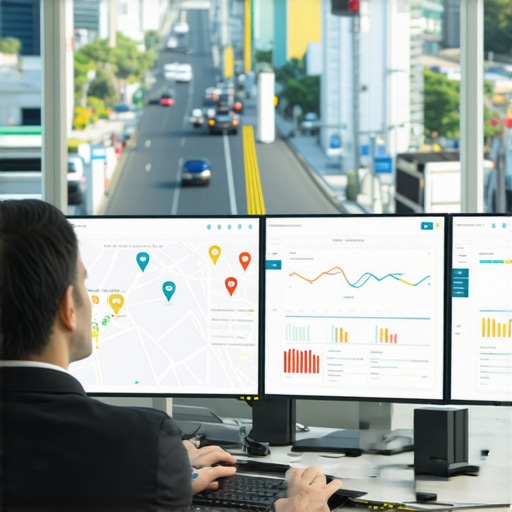 When you book, ask the dispatcher if they use in-cab safety alerts. If the answer is no, you are essentially flying without a net. A true professional service uses reservation security measures that include a human double-check on the driver’s rest hours. I have seen countless travelers get stranded because they assumed ‘confirmed’ meant ‘guaranteed.’ It doesn’t. You need a system that tracks why driver speed alerts are the backbone of passenger safety to ensure that your arrival isn’t bought at the cost of your well-being.
The Future of Human-Centric Logistics
I predict that in the next five years, we will see a massive shift back toward human-led dispatching because why a human dispatcher outperforms an AI every time is becoming painfully obvious during major urban gridlock events. AI is great at math, but it is terrible at empathy and local nuance. Scaling your personal travel security means moving away from the ‘ping’ and moving toward why hourly booking is the best move for multiple site visits. When you have one dedicated professional for the day, you eliminate the variable of the ‘unknown driver.’ You are building a relationship with a service that understands why on-time performance is the only metric that matters. This long-term approach allows you to scale your productivity without increasing your stress levels. Next time you book a car, don’t just look at the vehicle photo. Ask the provider for a physical copy of their commercial insurance and the specific name of the dispatcher on duty. It takes thirty seconds and immediately signals that you are a client who values safety and precision. This one simple habit has saved my schedule more times than I can count.
The Harsh Realities I Faced When I Trusted the Algorithmic “Ping”
After years of traversing the globe for high-stakes meetings, I realized that the “closest driver” is often the most dangerous choice for a tight schedule. A local expert doesn’t just drive; they interpret the city’s pulse in a way a server in Silicon Valley never could. This is why a human dispatcher outperforms an AI every time—they see the local parade or the sudden water main break that a satellite view misses. I also discovered that why hourly logistics save more time than point-to-point models is because it removes the friction of re-booking between stops. Finally, never underestimate the power of a hard copy; why you must demand a physical copy of your trip reservation is your ultimate insurance against system glitches and miscommunications at the curb.
My Personal Toolkit for Flawless Ground Logistics
To stay ahead of the chaos, I rely on a few specific resources that go beyond the basic booking screen. First, I use FlightAware to monitor my arrival times with better precision than most airline apps provide. Second, I always do a quick digital scout of my destination to identify a safe drop-off point in an unfamiliar city before the wheels even touch the tarmac. Lastly, I keep a curated list of top tips for on-time reservations pinned to my travel itinerary. These tools don’t just provide raw data; they provide the mental clarity needed to manage a multi-city tour without a hint of panic.
#IMAGE_PLACEHOLDER_E#
Take Back Control of Your Most Precious Asset
Your time is the only thing you can’t buy back, so stop gambling it on “estimated” arrival times and unvetted gig-workers. When you prioritize safety and precision, you aren’t just booking a car; you are investing in a seamless transition from one professional success to the next. Travel should support your goals, not hinder them. Have you ever had a driver cancel on you just as the app said they were “approaching”? Let me know your worst travel stories in the comments below.