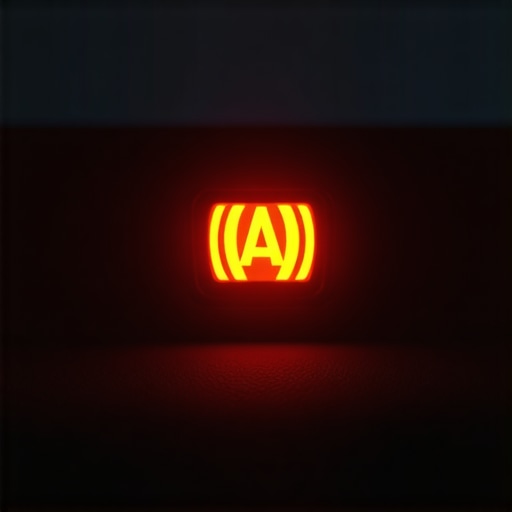
I was sitting in the back of a pristine, high-end luxury sedan last winter, heading to a high-stakes board meeting. We had about twenty minutes to make a fifteen-minute journey, meaning our window for error was razor-thin. Then, as I glanced through the gap between the front seats, I saw it: a bright, amber engine outline glowing stubbornly on the instrument cluster. My heart sank. Is the car about to break down? Will I miss my presentation? That single moment taught me everything about the delicate balance of hourly travel, safety, and why a premium reservation should never come with mechanical surprises. If you are paying for professional transport, you aren’t just buying a seat; you are buying total peace of mind. Today, I am going to share exactly how to handle this exact scenario without ruining your schedule or compromising your personal safety. I made the mistake of staying quiet during that winter ride, and we ended up sputtering to a halt on the shoulder of a busy highway. Let my past silence be your lesson. We will look at how to assess the risk instantly, how to speak to your driver, and what your backup plan must be.
Why That Little Dashboard Light is a Major Deal breaker
The moment a yellow or red indicator pops up on the dashboard, the driver’s focus inevitably splits. They are no longer just looking at the road; they are worrying about oil pressure, coolant levels, or transmission slip. In the professional transport industry, vehicle maintenance is not a task you delay until the weekend. It is a daily safety baseline. When you book an hourly service, you are paying for a meticulously maintained machine. A glowing warning light is an immediate indicator of a skipped inspection. You should never feel guilty for prioritizing your own well-being. If you notice a warning light, first determine its color. According to the Car Care Council, red warning lights indicate serious engine or safety system failures that require immediate attention, while yellow lights signal a system that needs checking soon. If it is red, you need to find a safe place to pull over immediately. If it is yellow, you still need to address it before the trip continues for miles.
Are you actually overreacting to a simple sensor?
It is easy to second-guess yourself in the backseat. You might think, “Well, the car is running fine, so maybe I should just ignore it and get to my destination.” This is the most common trap passengers fall into. However, ignoring a warning indicator is how minor issues escalate into catastrophic road failures. A professional operation should have verified the vehicle’s health long before the tires ever rolled onto your driveway. To protect yourself from these avoidable risks, you need to know how to perform a quick 3 red flags to watch for when your car arrives to catch mechanical and operational issues before you even pull away from the curb. Have you ever looked up to find an unexpected warning light staring back at you from your chauffeur’s console? How did you handle the situation?
How to Handle a Dashboard Warning in Real Time
The first five minutes after you spot a glowing dashboard light dictate whether you arrive at your meeting on time or end up stranded on the shoulder. Think of a premium vehicle as a finely tuned corporate schedule; when one gear slips, the entire system risks a collapse. Instead of panicking or ignoring the warning, you must execute a systematic response that balances your immediate safety with your hard deadline. Let us break down the exact protocol to protect your schedule and your peace of mind.
Initiate a Polite but Direct Inquiry
Do not wait for the driver to bring up the issue. Speak up immediately, but keep your tone collaborative rather than accusatory. I remember a rainy Tuesday in Chicago when a tire pressure light lit up on the console of my booked sedan. Instead of letting my anxiety build, I leaned forward and said, “I noticed the low-pressure indicator just came on. Do we need to pull over at the next service station to check the tire, or is it a faulty sensor?” This simple question forced the driver to acknowledge the situation. It also signaled that I was paying close attention to the vehicle’s condition. A true professional will appreciate your vigilance and provide a transparent explanation rather than dismissing your concern.
Assess the Real-Time Risk Instantly
Not all warning lights demand an immediate roadside halt, but you must know the difference to make an informed decision. If the light is a steady yellow engine silhouette, you generally have enough time to reach a safe, well-lit location. However, if you see a flashing yellow light or any red icon, the vehicle is experiencing an active failure. In these critical moments, continuing the journey is a direct threat to your safety. I once made the mistake of letting a driver push through a flickering oil pressure light because I was terrified of being late. We ended up with a seized engine in the middle of a bridge, turning a minor delay into a three-hour logistical nightmare. To avoid this, familiarize yourself with the checklist for verifying a luxury sedan before boarding so you can spot potential red flags before the wheels even turn.
Contact Dispatch and Trigger Your Backup Plan
If the driver confirms that the vehicle has a mechanical issue, do not wait for them to call their office. Take control of your reservation immediately. Dial the transport company’s dispatch line directly from the backseat. State your location, explain that the current vehicle has a dashboard warning light, and request an immediate replacement. A reputable company operating under strict quality standards will instantly dispatch a backup vehicle to your location. When you prioritize ensuring safety first, you protect your schedule from cascading delays. If the dispatch team hesitates or tries to downplay a red warning light, it is time to cancel the ride and book an alternative service. Under a proper hourly arrangement, you should never be billed for transit time spent in a compromised vehicle.
The Myth of the Bulletproof Reservation
Most busy professionals believe that booking a premium vehicle days in advance guarantees an on-time pickup. In my years coordinating executive travel, I have seen this assumption fail spectacularly. The truth is that a reservation is only a piece of paper unless it is backed by an active, operational buffer system. Many travelers think that if they book a ride for 9:00 AM, the driver simply starts heading their way at 8:40 AM. However, real-world transit is highly volatile. If you want to protect your schedule, you need to understand that safety and punctuality are not passive outcomes; they require active management by the dispatch team long before your pickup window opens. When you rely on standard booking apps, you are gambling with your schedule. Instead, look for services that employ the buffer rule that actually prevents tardy starts to ensure your vehicle is already positioned nearby while you are still packing your bags.
Why is the lowest hourly rate actually your biggest financial risk?
It is incredibly tempting to choose a provider based solely on a competitive hourly rate. This is the ultimate trap for corporate travelers. Low-cost operators cut corners in two specific areas: vehicle preventative maintenance and driver compensation. When a company slashes its rates, they are often deferring critical service intervals or hiring inexperienced operators who rely entirely on basic mobile navigation apps. According to a study by the Automotive Safety Foundation, fleet vehicles with deferred maintenance schedules are three times more likely to experience critical mechanical failures during operation than those on strict preventative programs. By trying to save fifty dollars on the front end, you risk losing thousands in missed business opportunities when a poorly maintained car breaks down. This is the hourly rate myth that costs small businesses thousands every year because it equates low cost with high efficiency.
The Hidden Nuance of Real-Time Tracking
Another common mistake is placing blind faith in the live tracking links sent to your phone. Passengers often watch a little digital icon crawl across a map, assuming it represents real-time safety and progress. However, GPS lag and location spoofing are incredibly common in saturated urban areas. A professional dispatch desk does not just hand you a link and wish you luck; they actively cross-reference that digital data with local traffic patterns and known construction zones. Knowing how to spot when your driver is stuck in a bottleneck—or worse, taking an unverified detour—is key to managing your schedule. To keep your transit secure, you must learn how to test the accuracy of your real-time tracking link so you can verify that the digital ETA matches the physical reality outside your window. Have you ever fallen into this trap of trusting a lagging app map only to find your ride was miles away? Let me know in the comments.
How I Keep My Ground Transport Running Like Clockwork
Managing multiple hourly reservations across different time zones taught me that you cannot rely on luck or basic reminders to stay on schedule. To ensure absolute safety and punctuality, you need a robust, active system. I personaly use integrated calendar tools to bridge the gap between booking engines and my daily agenda. By learning how to sync your calendar directly with your chauffeur, you eliminate the manual errors of copy-pasting trip details and guarantee that any sudden schedule updates are instantly pushed to the dispatch desk.
Beyond basic calendar syncing, I track route volatility using specialized flight and transit monitoring software. For airport transfers, relying on a static pickup time is a recipe for disaster. That is why premium dispatchers monitor live aviation data feeds. If you want to protect your schedule from unexpected delays, you must understand why our dispatchers monitor flight numbers instead of just times. This level of technical oversight ensures that even if your flight lands forty minutes early, your driver is already waiting at the curb.
How do I maintain my transit safety and reservation reliability over time?
Consistency requires auditing your service providers regularly. I maintain a personal digital log of every transport company I use, noting vehicle cleanliness, driver professionalism, and GPS accuracy. If a company fails to use encrypted portals, I remove them from my rotation. I always verify that my booking platform utilizes secure web standards; you can easily check this yourself by learning how to confirm your secure booking link is using https before inputting any corporate credit card details.
Looking ahead, the future of executive transit lies in decentralized, highly secure communication networks. According to the ITS Joint Program Office, vehicle-to-everything (V2X) communication technologies will soon allow dispatch networks to anticipate traffic bottlenecks and mechanical anomalies miles before they occur. This means your future hourly reservation will dynamically adjust its route based on direct data communication between the city infrastructure and your vehicle’s onboard computer, virtually eliminating the risk of tardy starts. I highly recommend taking control of your next trip today: when you book your next ride, refuse to accept manual confirmations and insist on an automated, encrypted tracking portal to keep your travel plans secure and on time.
What I Learned When My Chauffeur Ignored a Dashboard Warning
The hardest lesson I ever learned about managing an hourly reservation is that silence is your greatest enemy. When you sit in the back of a premium vehicle, there is an unspoken social pressure to remain polite and quiet, even when something feels off. I used to think that pointing out a yellow warning light would make me look like a difficult client. That exact hesitation once cost me three hours of my life on a freezing highway shoulder. I now know that true professionals welcome your vigilance. Raising a question is not rude; it is a collaborative step that ensures your shared commitment to reaching your destination. If you want a seamless experience, you must actively verify the vehicle and driver details before you slide into the seat. I highly recommend bookmarking the verification check every rider should do before boarding to protect your schedule from basic human oversight.
Another major lightbulb moment was realizing that dispatch teams and drivers do not always share the same risk tolerance. A driver might want to push through a minor mechanical issue to finish their shift, while a professional dispatcher would pull the vehicle immediately. By understanding how to directly bypass the driver and coordinate with the main office, you take control of your own safety. To make this work seamlessly, you need to know how the entire system functions under pressure, which you can easily master by reading on-time arrival: mastering the art of reservation and safety every hour.
The Pro Traveler Toolbox for Flawless Ground Transit
To keep my transit schedules entirely predictable, I rely on a select group of specialized tools and reliable industry resources rather than basic search engine recommendations:
- The FlightAware API: I use this tool to track incoming aircraft tail numbers rather than relying on standard airline app notifications. This guarantees that my ground transport is always synced with actual runway wheels-down times.
- The Car Care Council (CarCare.org): This is my go-to reference database for understanding warning light severity. Knowing whether a specific indicator is a mild sensor glitch or a critical safety system failure helps me make instant decisions from the backseat.
- A Direct Dispatch Link: I always bypass automated booking apps and establish a direct connection with a live dispatcher. You can learn why this human connection is so critical by reading about why we refuse to use automated voice bots for customer support.
Take Command of Your Next Private Ride
Your time and physical safety are far too valuable to be left to chance or unverified booking apps. The next time you book professional transport, remember that you are the director of your journey. Do not hesitate to speak up, ask direct questions, and demand the highest standards of vehicle maintenance. By adopting a proactive mindset, you transform a simple commute into a secure, productive mobile office. Prioritize your peace of mind and learn stay secure and punctual: the essential hourly reservation tips for timely service to ensure your next ride goes exactly according to plan.
Have you ever had to speak up to a driver about a warning light or a mechanical issue? Let me know in the comments below how you handled it.