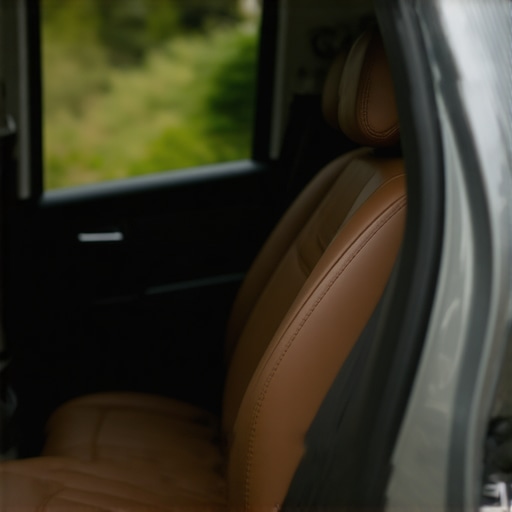
I remember landing at O’Hare at 2 AM, shivering in the Chicago wind and just wanting to get home. When my car pulled up, I did what I always used to do: I hopped into the front seat to be ‘polite’ and keep the driver company. Big mistake. About ten minutes into the ride, I noticed the driver’s head drooping. Because I was right next to him, every time I tried to peek at his face, he’d straighten up, sensing my movement. I felt trapped, exposed, and honestly, a bit panicked. If I had been in the back, I could have monitored the situation without being an immediate distraction. That night was my lightbulb moment. I realized that where we sit isn’t just about legroom; it’s about maintaining a ‘safety gap’ that protects both your physical well-being and your peace of mind.
Protect Yourself with the Blind Spot Advantage
Most people instinctively slide into the rear passenger side because it offers the most legroom and a clear view of the curb. But after years of hiring professional transport, I’ve switched sides. Sitting directly behind the driver is the ultimate power move for personal security. Why? Because you are in the driver’s most significant blind spot. It sounds counterintuitive, but it means they cannot easily watch you in the rearview mirror. This gives you the privacy to make a phone call, check your bank balance, or simply share your tracking link with a friend without the driver seeing exactly what you are doing. It puts the control back in your hands. When you prioritize safety first during your reservations, choosing this specific spot is the easiest tactical adjustment you can make. According to data analyzed by the National Safety Council, the rear seats are consistently safer than the front in high-impact collisions, but the ‘behind-the-driver’ position adds a layer of personal security that the curbside seat simply doesn’t provide.
Is sitting behind the driver actually safer than the curbside seat?
I get this question all the time from friends who think I’m being paranoid. They worry about getting out of the car into traffic if the driver pulls over on a busy street. It’s a valid fear! But here is the reality: a professional chauffeur will always find a safe spot to let you out, or you can simply slide across the bench once the car is stopped. The trade-off is worth it. When you are behind the driver, you are protected by the same instinct that keeps the driver safe. In a split-second emergency, a driver will almost always steer the vehicle to protect their own side of the car. By sitting behind them, you’re piggybacking on their survival instinct. I’ve found that this is especially vital for solo female travelers who want to minimize unwanted interaction. Have you ever sat down in a ride and immediately felt like you made a mistake with your seat choice? I want to help you avoid that gut-sinking feeling by showing you how safety and timeliness matter in every part of your journey, starting with where you place your body.
How to Audit the Ride Before You Touch the Door Handle
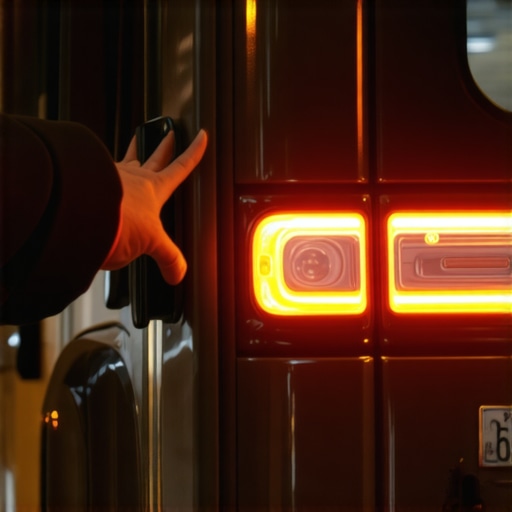
You’ve booked your car, the notification pings, and you see the headlights. Most people stop their safety checks right there. I don’t. I treat every pickup like a high-stakes hand-off. The first thing I do is the ‘visual sweep’ from ten feet away. You should never enter a vehicle without a license plate match, no matter how much of a hurry you are in. I learned this the hard way in London when a driver insisted he’d ‘just swapped cars’ for the day. His plate didn’t match my app, and his tone was too pushy. I stayed on the pavement and canceled. It felt awkward for thirty seconds, but that’s better than an hour of regret. When you are ensuring safety first during your reservations, that physical match is your first line of defense.
The 17-Minute Buffer That Saves My Sanity
When you’re managing reservations, you need a temporal ‘crumple zone.’ I call it the 17-minute rule. Why seventeen? Because fifteen feels like a suggestion, but seventeen is a specific commitment. By aiming to be ready 17 minutes early, you account for ‘elevator lag’ or the ‘forgotten keys’ syndrome. This buffer ensures that when the driver arrives, you aren’t rushing. Rushing leads to poor seating choices and missed red flags. When you have time, you can perform the 3-point door handle check—testing the lock, checking the child safety switch, and ensuring the handle actually works from the inside—before the car even pulls away. It’s about why the 17-minute buffer outperforms standard timing; it buys you the mental space to be tactical.
Watch the Driver’s Eyes Before You Sit Down
Once I’ve confirmed the vehicle is legit, I look at the driver through the window before I open the door. This is the stealth way to confirm your driver is not fatigued. Are their blinks heavy? Is their grip on the wheel too tight? If they look like they’ve been pulling a 16-hour shift, I’ll ask a simple, open-ended question like, ‘How has the traffic been on the north side today?’ Their response time and clarity tell you everything you need to know about their mental state. If they’re coherent and alert, I move to my spot directly behind them. This isn’t just about being picky; it’s about acknowledging that safety and timeliness matter in every mile of the journey. You can also quickly verify a private vehicle’s commercial insurance by looking for the specific livery stickers or digital credentials often displayed on the windshield, which is a hallmark of a professional who takes hourly reservation tips seriously. This pre-boarding ritual takes less than a minute but defines the safety of the next hour.
Most people think that if they’ve secured a booking, the hard part is over. I’ve seen seasoned travelers fall into the price trap, assuming that every black car service offers the same level of protection. Here’s the truth: the real cost of choosing the cheapest reservation available often manifests as a compromise in driver rest or vehicle maintenance. While a budget app might promise a car in minutes, those drivers are often chasing volume over safety. According to the National Highway Traffic Safety Administration (NHTSA), driver fatigue is a factor in roughly 100,000 police-reported crashes annually. When a service undercuts market rates, they’re usually incentivizing drivers to stay on the road longer than is safe. This is why I always prioritize ensuring safety and punctuality through vetted, professional providers who value their drivers’ well-being as much as your arrival time.
Can you really trust an app’s estimated arrival time?
I used to be a slave to the little car icon moving on my screen. But there’s a nuance most passengers miss: why your real-time tracking link might have a 30-second lag or more. That delay, combined with the error in relying on app-based arrival times during construction, can turn a guaranteed pickup into a frantic search on a dark street corner. The oops factor here is assuming the algorithm knows about the fresh pothole repair or the local parade. I’ve found that why on-time performance depends on local knowledge over GPS is a lesson best learned before you’re late for a flight. A professional dispatcher handles these variables manually, something no AI has mastered yet.
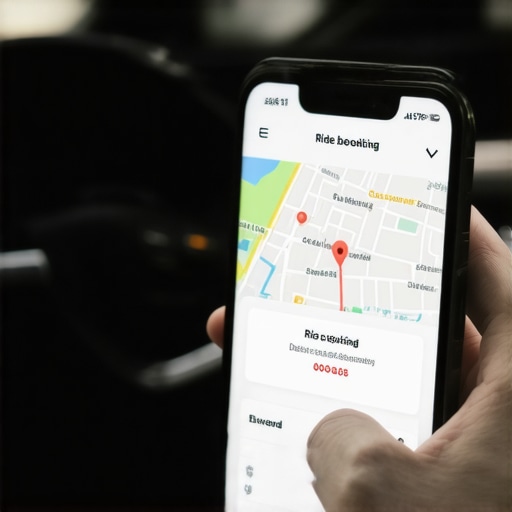
Then there’s the digital oops that most people ignore until it’s too late. We focus so much on the physical car that we forget our data is just as vulnerable. I’ve seen people post screenshots of their ride-share route to Instagram stories while they’re still in the car. This is one of the hidden risks of sharing your private ride location on social media—you are essentially broadcasting your real-time position to the world. Always ensure your booking platform is secure; why modern reservation systems use encryption for your credit card is a standard you should never waive. Have you ever fallen into the trap of choosing price over these subtle safety layers? Let me know in the comments. By focusing on safety and precision, you’re not just buying a ride; you’re buying an insurance policy for your peace of mind.
I’ve learned that safety isn’t a one-off event; it’s a system you maintain. After years of bouncing between airports and boardrooms, I stopped relying on luck and started using a ‘command center’ approach to my logistics. I now use a dedicated travel folder on my phone containing nothing but encrypted PDF confirmations and offline maps. Why? Because why real-time tracking apps need constant manual overrides becomes painfully obvious the moment you lose 5G in a tunnel or a dead zone. I’ve found that the tracking accuracy test for private hire car services often reveals a gap between what the screen shows and where the car actually is. By maintaining my own log of arrival times and driver names, I’ve built a personal database of who is reliable and who isn’t.
Make the Safety Checklist Your Second Nature
Maintaining these standards over the long haul requires more than just a sharp eye; it requires the right procurement strategy. I’ve shifted almost exclusively to hourly bookings for any day involving more than two stops. It sounds like a luxury, but the math behind why hourly bookings save money during peak hours is undeniable when you factor in the ‘waiting time’ fees of on-demand apps. More importantly, why hourly drivers provide the best security for high-value goods—including yourself—is because that driver is committed to you, not the next ping on a screen. According to the Federal Motor Carrier Safety Administration (FMCSA) and their CSA (Compliance, Safety, Accountability) program data, carriers that prioritize consistent driver schedules have significantly lower crash necessity scores. By booking hourly, you are essentially hiring a professional who isn’t incentivized to speed to the next fare.
How do I keep these safety routines from becoming a chore?
The secret is automation. I use a specific template for every booking that requires the dispatcher to confirm the vehicle’s commercial insurance status upfront. This is how to verify your driver’s commercial policy without the friction of asking the driver directly, which can be awkward. I also make it a habit to how to audit your driver’s route history for accuracy and safety after the trip. If a driver consistently took unvetted side streets or exhibited distracted behaviors, I simply blackball that specific driver from my future reservations. This proactive ‘pruning’ of your transport options ensures that your ‘on-call’ list only contains the best of the best. I predict that in the next five years, we will see a massive shift back toward these ‘human-vetted’ networks as people grow tired of the ‘algorithmic lottery’ of standard ride-sharing. When you prioritize the punctuality habits of top-tier private chauffeurs, you’re investing in a service that scales with your needs. If you’re serious about your security, I challenge you to try the ‘hourly’ model for your next multi-stop day. Notice how the stress of ‘is he here yet?’ simply evaporates when you know the car is parked and waiting for you, not the other way around. It’s the ultimate upgrade for anyone who values safety and precision over a slightly lower price tag.
The Tactical Pivot That Changed My Travel Game
One of the hardest lessons I had to learn was that my personal security is always more important than a stranger’s feelings. For years, I would get into vehicles even when the driver looked exhausted or the license plate didn’t match, simply because I didn’t want to cause a scene or be seen as difficult. I’ve since realized that a true professional will never be offended by your caution. If you are reserving your spot in a car, you are paying for a professional standard, not just a seat. My lightbulb moment was when I started treating on-time arrival as a two-way street; I provide the clear instructions and a safe pickup environment, and they provide the vetted, secure transport. Never be afraid to cancel if the visual sweep reveals a red flag—it is the cheapest insurance policy you will ever buy.
My Must-Have Toolkit for Secure Travel
I don’t leave for an airport or a multi-stop day without these three things. First, a dedicated offline map app; I use this to cross-reference routes because on-time every time strategies rely on knowing your position even when the driver’s GPS glitches or loses signal. Second, I keep a high-capacity portable power bank dedicated solely to my phone; you cannot share your tracking link if your battery is dead. Third, I highly recommend reading Gavin de Becker’s ‘The Gift of Fear.’ It completely reframed how I view my intuition during travel and taught me to trust my gut when a situation feels off. When you maximize your safety and satisfaction with these small physical and mental tools, you transform from a passive passenger into an active manager of your own journey.
Take Control of Your Next Journey
Stepping into a private vehicle should feel like a moment of relief, not a source of anxiety. By implementing these tactical shifts—from your seating choice to your pre-arrival buffer—you are setting a high standard for your logistics. Remember, safety and precision aren’t just industry buzzwords; they are the foundation of a stress-free life on the move. You’ve got the tools and the knowledge now. The next time you book, do it with the confidence of someone who knows exactly what to look for and where to sit. Have you ever had a gut feeling that a ride wasn’t right? Did you stay in the car or get out? Let me know below!