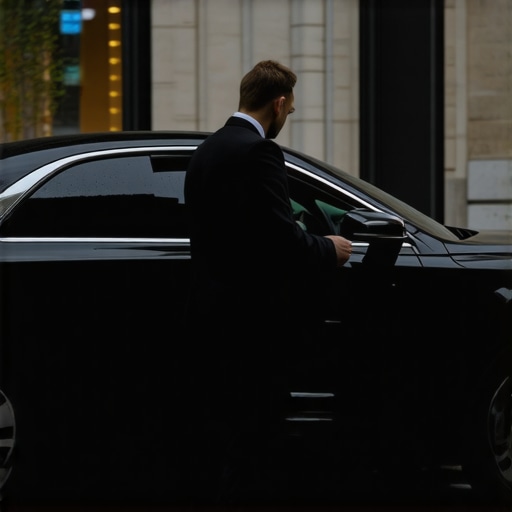
The wind was howling, and I was standing there like a fool. It was 2:14 AM at a deserted train station, and my ‘guaranteed’ ride had just vanished from the map. I’d spent twelve hours on a plane and another two on a train, only to be left in the dark. That was my wake-up call. I realized that when the sun goes down, the standard rules for getting home safely are practically useless. If you’ve ever felt that cold pit of anxiety while standing on a dark curb, watching the battery on your phone tick down to five percent, you know exactly what I’m talking about. We’ve all been there, but we don’t have to stay there. My personal journey from being stranded to becoming a protocol enthusiast started with that one freezing night.
Standard Apps Often Fail When You Need Them Most
Most people treat a late-night ride like a daytime errand, but the logistics are a totally different beast. I used to make the mistake of thinking any car with a glowing sticker on the windshield was a safe bet. I even once made the rookie error of sharing my private ride location on social media just to let friends know I was ‘on my way,’ completely oblivious to the security risks I was creating by broadcasting my exact path to the world. Now, I understand why late-night arrivals require a secure pickup protocol that prioritizes professional accountability over algorithmic convenience. It’s about vetting. It’s about knowing who is behind the wheel before the doors even unlock. According to the National Safety Council, the risk of a fatal crash is three times higher at night, primarily due to decreased visibility and the prevalence of fatigued drivers on the road. This makes the protocol you follow more than just a matter of convenience; it is a fundamental safety measure that ensures your driver is as sharp at 3 AM as they are at noon.
Does the higher price tag actually buy you more safety?
I get it—skepticism is healthy, and your wallet probably feels the same way. Why pay more when you can just tap a button on a standard app? The truth is, that extra investment is the only way to ensure your 4 AM ride actually shows up without a hitch. When I finally moved toward a professional, hourly booking model, the late-night stress simply evaporated. You aren’t just paying for a trip from point A to point B; you’re paying for a driver who is properly rested, a vehicle that meets strict commercial standards, and a system that understands how to guarantee safety and punctuality 24/7. My goal today is to help you build your own personal protocol so you never have to stand on a dark corner wondering if you’ll make it home. We’re going to dive into the nitty-gritty details, from why verified driver badges matter to the specific ways you can verify a vehicle’s credentials in seconds.Have you ever found yourself stranded at an airport or station because your ride simply didn’t exist? I’d love to hear your story—reach out and let me know how you handled the situation or if you’ve found a trick that works for you. Let’s get into the actual steps you need to take to master your next late-night arrival.
Build Your Shield Before You Step Off the Plane
The core of a secure arrival is the pre-verification phase. I remember a freezing night at London Heathrow where I nearly hopped into a random car just because the driver nodded at me. Exhaustion makes you a target. Now, I never move toward a vehicle until I’ve performed a mental sweep. This starts with using 7 tactics to verify your drivers commercial license in seconds before you even touch the door handle. It’s like a pilot’s pre-flight check; it might seem redundant, but it is what keeps the mission on track. You should also know how to verify a private vehicles commercial insurance in seconds to ensure you aren’t just riding in someone’s personal car with zero professional coverage. These steps move you from a passive passenger to an active manager of your own safety.
The Flight Number Is Your Best Insurance Policy
If you’re flying in, the single most important detail isn’t your name—it’s your flight number. I used to think giving a ‘1 AM’ arrival time was enough, but flights are chaotic. By providing the number, you leverage why flight numbers are the best delay insurance for your ride. A professional driver tracks that tail number like a hawk, adjusting for headwinds or gate delays so they are there when you actually land, not just when you were scheduled to. This feeds into the buffer time secret for stress-free airport arrivals, giving both you and the driver a cushion that prevents that frantic ‘where are they?’ phone call. 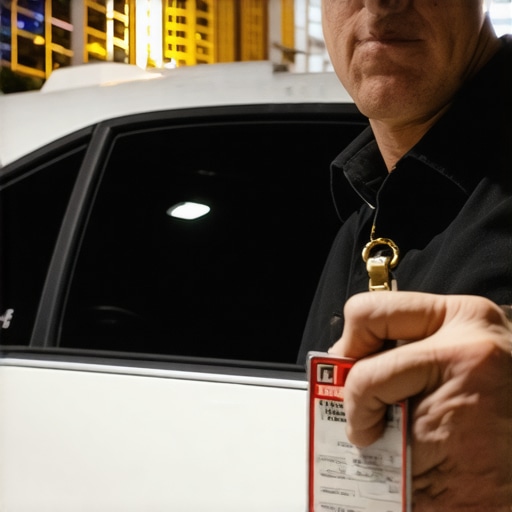
Look for the Tiny Signs of a Professional
Once the car is in front of you, the real work begins. I always use the 3-point door handle check every passenger must perform to ensure the vehicle is secure and the driver is actively inviting me in. While you’re doing that, take a look at the driver’s eyes and posture. It is the stealth way to confirm your driver is not fatigued. If they look like they’ve been pulling a double shift, the risk factor spikes. A professional chauffeur respects the buffer rule that actually prevents tardy starts, meaning they’ve had time to rest and prep the vehicle specifically for your route.
Trust the Data but Verify the Map
Technology is a tool, not a savior. You need to know how to test the accuracy of your real-time tracking link. I’ve seen links lag by several blocks, which is a lifetime in a dark, unfamiliar city. Always cross-reference the app’s location with the actual street signs you see out the window. If you aren’t sure about the person behind the wheel, knowing how to verify your drivers identity without being rude is a skill that keeps the atmosphere professional while keeping you safe. I once caught a spoofing attempt just by asking the driver to confirm the reservation ID on his tablet rather than me giving him my name first. It is these small, actionable layers that turn a risky late-night arrival into a controlled, safe transition to your destination.Let’s dig deeper into what happens once you are actually inside the vehicle, because that is where most people let their guard down. The biggest myth in modern transportation is that the “fastest route” provided by a blue line on a screen is the safest or most efficient. In reality, why on-time performance depends on local knowledge over gps is a nuance that separates amateurs from pros. Standard algorithms often prioritize side streets to shave off sixty seconds, but the simple reason your driver should never take side streets at night is that they are less lit, less patrolled, and statistically more prone to unexpected obstructions. Professional chauffeurs understand why consistent arrival times matter more than the shortest route. They choose arterial roads with better visibility and higher safety ratings. Have you ever fallen into this trap of following a GPS into a dark alley? Let me know in the comments.
Does a background check actually guarantee you are safe?
Many travelers feel a false sense of security because an app claims their driver passed a background check. However, why background checks are only the baseline for professionalism is a hard truth many overlook. A background check is a reactive document—it tells you what someone did last year, not how they are driving today. According to research from the University of California, Berkeley, ride-hailing ETAs can be off by up to 20% because of ‘ghost cars’ and algorithmic optimism. This is the real reason your apps eta is often over-optimistic; it’s designed to keep you on the hook, not to give you the truth. 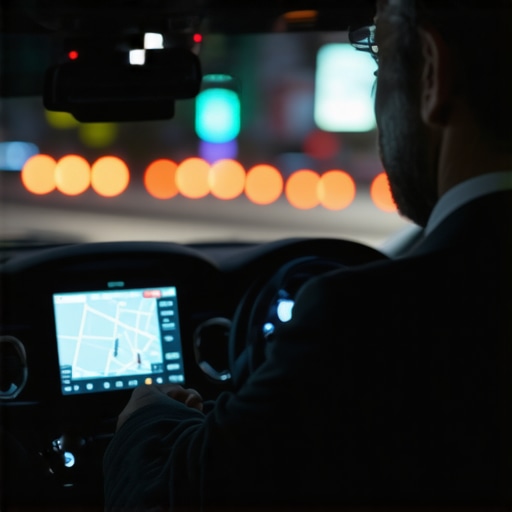 When you shift to a more sophisticated model, like hourly booking, the incentives change. People often assume hourly is ‘luxury’ only, but the math behind why hourly bookings save money during peak hours proves it’s a strategic choice. You aren’t fighting surge pricing or desperate drivers trying to squeeze in one more fare. Instead, you’re leveraging the logic behind choosing a professional chauffeur over on-demand apps. One major ‘oops’ factor I see is security hygiene. Why most secure booking systems fail if you share your password or share a screenshot of your booking link is a massive vulnerability. Your digital protocol must be as tight as your physical one. Always verify how to confirm your secure booking link is using https before entering any payment data to avoid the nightmare of detecting fraudulent ride booking sites when it’s already too late.
Mastering the one-off ride is a great first step, but the real magic happens when you turn these safety tactics into a repeatable system. I’ve found that the only way to stay truly stress-free is to automate the logistics so I can focus on my actual work or family. This transition from just booking a car to managing a professional protocol is what separates those who get stranded from those who always arrive on time. It is about building a toolkit that scales with your travel needs, whether you are heading to a single meeting or managing a multi-city tour.
Sync Your Calendar to Eliminate Arrival Anxiety
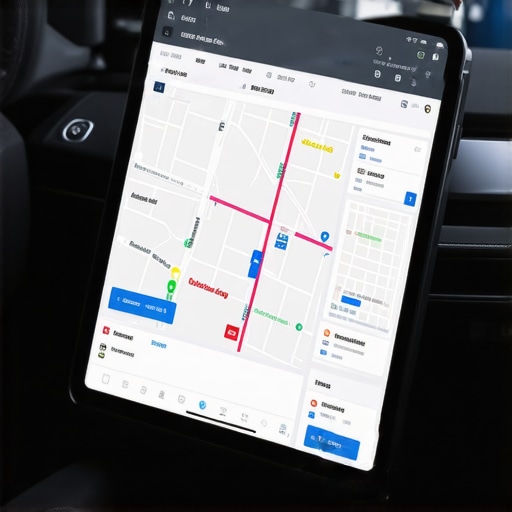
One of the biggest leaks in a travel schedule is manual entry. I used to rely on my memory, which is a disaster at 4 AM. Now, I always use a system that allows you to how to sync your calendar directly with your chauffeur. This ensures that any flight delay or meeting change is reflected in their dispatch system instantly without a single phone call. While the technology handles the timing, I also recommend performing the accuracy test for modern live tracking links once the car is en route. If the link isn’t refreshing every few seconds, I know there’s a potential communication gap that needs to be addressed before I even step outside.
How do I maintain these safety standards over time?
Consistency is the enemy of complacency. To keep your travel shield strong, you have to treat every ride like it’s your first. I make it a habit to look for the one physical marker that proves a vehicle is well-maintained—usually the specific condition of the tire treads and the cleanliness of the interior safety components. If these small details are neglected, the larger mechanical ones often are too. Furthermore, I recommend you periodically learn how to audit your drivers route history for accuracy and safety. Seeing a record of steady speeds and the use of primary arterial roads gives me the confidence to rebook the same professional for future trips. By following on-time every-time strategies for safe and reliable hourly bookings, you build a relationship with a service that understands your specific safety thresholds.
Human Expertise Still Outperforms the Algorithm
Looking ahead, I see a massive divide forming in the transport industry. While mass-market apps are racing toward full automation, the luxury and corporate sectors are doubling down on the human-in-the-loop model. According to a 2023 study by the International Air Transport Association (IATA), 71% of high-frequency travelers now rank safety and predictable arrival times as more critical than cost, a shift that is driving the resurgence of boutique, professional transport services. This is because safety precision the key to reliable hourly reservations for peace of mind cannot be replicated by a generic algorithm that doesn’t understand local nuances or personal safety concerns. Professional chauffeurs use real-time data as a tool, but rely on experience to make the final call on a route. My challenge to you is this: for your next major trip, don’t just hope for the best. Audit your next ride by asking for the route history—it’s the fastest way to see if your driver is prioritizing your safety or just rushing to their next fare.
Hard Truths About 3 AM Ride Logistics
Through years of standing on windy curbs, I’ve realized that safety, reservation, hourly, and on time aren’t just buzzwords—they are the four pillars of a successful trip. Here are the hard-won insights that changed my travel game forever. First, I learned that fatigue is a silent killer of protocols; when you’re tired, you tend to ignore mastering the art of reservation and safety every hour. Second, the ‘cheapest’ ride often becomes the most expensive when it fails to show up at 3 AM. Finally, never underestimate the power of human intuition over an algorithm; a driver who knows the city streets intimately will always outperform a GPS-bound amateur.
My Personal Shield Against Travel Delays
To move from a stressed traveler to a confident pro, I rely on a specific stack of resources. I always prioritize services that use precise reservation timing to account for my specific flight’s rhythm. I also make it a point to check how to spot a secure payment portal before you book, ensuring my financial data is as protected as my physical person. For international travel, I swear by the 12-minute rule for international airport pickups, which gives me enough of a buffer to clear customs without feeling rushed. These aren’t just tips; they are the infrastructure of a professional travel protocol. #IMAGE_PLACEHOLDER_E#
Start Your Journey With Certainty
Stepping off a plane or train after a long day shouldn’t feel like a gamble. By shifting your mindset from ‘finding a ride’ to ‘executing a protocol,’ you reclaim your peace of mind. It’s about more than just a car; it’s about the safety, reservation, hourly, and on time standard that ensures you reach your front door with a smile rather than a sigh of relief. You’ve worked hard; you deserve a transportation partner that works just as hard to protect your schedule and your security. Have you ever had a ‘guaranteed’ ride cancel on you at the worst possible moment? I’d love to hear how you handled it—let me know in the comments below!