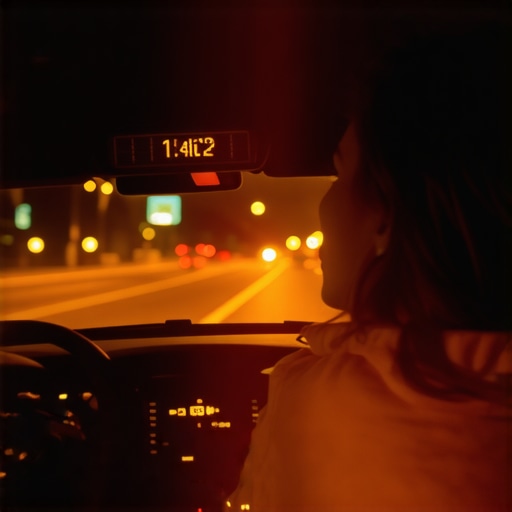
I was standing on a rain-slicked sidewalk at 2:15 AM, watching the red taillights of my supposed ride disappear around the corner because I was exactly six minutes late to the curb. It was freezing. My phone battery was at 4%. That night, I realized that "on time" is a relative term when you are at the mercy of a rigid algorithm. I had made the classic rookie mistake of assuming a standard booking would just wait for me during a chaotic night out. Since then, I’ve spent years refining how I talk to drivers and dispatchers to ensure I am never the one left shivering again. We are going to solve that exact problem for you today. I will show you how to move away from the stress of the countdown clock and into a world where your ride waits for you, not the other way around. It starts with understanding why hourly booking is the secret to stress-free event planning, giving you the leverage you need when the party goes longer than expected. Have you ever felt that sinking pit in your stomach when you realize your event is running late and your ride is about to cancel?
Stop Being at the Mercy of a Rigid Clock
The biggest mistake I made early on was treating a late-night pickup like a simple grocery store run. I assumed that a driver’s patience was infinite if I just sent a polite text. It isn’t. Professional drivers operate on tight margins, and why most arrival times are simply guesses is exactly why they are often eager to move to the next fare. To get flexibility, you have to bake it into the agreement before you ever sit in the seat. This means prioritizing on-time reservations at any hour that specifically allow for a buffer. According to the National Highway Traffic Safety Administration (NHTSA), the midnight to 3:00 AM window is statistically the most dangerous time for pedestrians on the road, which makes securing a waiting vehicle a legitimate safety strategy, not just a convenience. I once lost a high-end reservation because I didn’t know the simple move for adjusting your pickup without penalty. It was an expensive lesson in communication. Now, I always negotiate a "soft" return time by booking an hourly block rather than a point-to-point transfer. It changes the dynamic from a transaction to a service.
Does flexibility actually exist in the world of professional driving?
You might be skeptical. You might think that a driver is always going to be looking at their watch, ready to bolt. But when you use real-time links to save peace of mind, you create a transparent environment where the driver is compensated for their time, and you are protected from the elements. Negotiating this isn’t about being demanding; it’s about being clear. I’ve found that being upfront about a 30-minute potential delay is much better than surprising a driver at the last second. When you transition to an hourly mindset, the "negotiation" is really just a conversation about mutual respect and safety.Moving from a point-to-point mindset to an hourly one is like switching from a crowded bus to a private jet; the schedule suddenly bends to your will, not the other way around. To make this work, you have to stop thinking about a ride as a delivery and start seeing it as a mobile concierge service. I remember a wedding in rural Vermont where the reception ran an hour late because of a surprise fireworks show. Most guests were frantically refreshing their apps, watching prices surge and drivers cancel. Because I had secured an hourly block, my driver was calmly reading a book in the lot, ready whenever I was. This is the difference between being a passenger and being a client.
Ditch the Standard 15-Minute Rule for Something Better
The biggest mistake travelers make is cutting their buffer too thin. Most people aim for a 15-minute window, but in the world of logistics, 15 minutes is a rounding error. I’ve found that why the 17-minute buffer outperforms the traditional 15-minute rule is simple math: it accounts for the unexpected elevator delay, the forgotten coat, or that one last conversation at the door. When you book, you aren’t just paying for the drive; you are paying for the peace of mind that comes when the clock strikes your departure time and you haven’t even finished your drink yet. Knowing how hourly rates stop the stress of traffic jams allows you to relax while the meter isn’t ticking up with every red light.
Get a Direct Line to the Driver
Communication is the bridge between a safe arrival and a frustrating cancellation. You should never rely solely on a third-party app’s notification system. I always insist on a direct connection because why you need a direct line to your hourly driver becomes obvious the moment a road is closed or a gate code changes. It humanizes the transaction. A driver who has spoken to you is far more likely to go the extra mile than one who only sees a dot on a screen. This connection also allows you to observe the punctuality habits of top-tier private chauffeurs firsthand. They will often text you when they are ten minutes out, not when they are already at the curb.
Check for the Professional Safety Token
Before you even open the door, your safety check should be instinctual. Every legitimate high-end service uses specific identifiers that casual rideshares ignore. You must look for the safety token every passenger should check before boarding to ensure the vehicle is actually part of the fleet you booked. It’s not just about the license plate; it’s about the professional permits and the driver’s own vetting credentials. This level of detail is part of ensuring safety and punctuality for every trip. When I was in London last winter, a driver tried to pick me up in a vehicle that didn’t match the confirmation. Because I knew the protocol for verifying credentials, I avoided a potential security nightmare. It’s these small, actionable checks that separate a pro from an amateur.Many travelers operate under the delusion that a ‘confirmed’ reservation is an ironclad contract. In reality, the industry is rife with ‘phantom fleets’—middlemen who take your money and hope to find a driver later. This is where the ‘oops’ factor hits hardest: you receive a beautiful confirmation email, but there is no actual car assigned to your name. To avoid this, you need to learn the signs of a professional booking confirmation email and know how to spot a forged confirmation screen on a third-party app before you’re left stranded.
Stop Trusting the App Interface and Start Checking the Dispatcher
While the world moves toward automation, the National Safety Council highlights that human error—often driven by the stress of rigid automated scheduling—remains a top risk factor in transportation. This is why a human dispatcher outperforms an AI every time; they have the situational awareness to tell a driver to slow down or adjust for a traffic surge that an algorithm might ignore. If you are how to vet a chauffeur service for your family vacation, you should be asking about their dispatch protocols, not just the car model.
Why do some ‘confirmed’ rides never actually show up?
The hidden nuance lies in the difference between a reservation and a dispatch. A reservation is just a request for a slot; a dispatch is a logistical commitment. Most people get this wrong and assume their ride is ready just because the payment cleared. To stay ahead, I recommend adopting why a 20-minute buffer is the new gold standard for business travel. This window protects you from the cascading delays of a driver’s previous trip. Furthermore, always keep an eye out for how to spot a driver who is too tired to drive safely, as many non-professional services push their operators to the brink of exhaustion to meet ‘on-time’ metrics. Have you ever fallen into this trap where the ‘confirmed’ status was just a lie? Let me know in the comments.I’ve developed a specific toolkit to avoid the ‘phantom fleet’ nightmare and keep my logistics running smoothly. I don’t just look at the arrival time on a screen; I demand a system that separates ground truth from optimistic algorithms. For me, this means using services that provide high-refresh-rate GPS data. You need to know the difference between live tracking and estimated progress because an estimate is just a math problem based on historical data, while live tracking is a heartbeat. When a driver is stuck behind a delivery truck, an algorithm might assume they are moving at the speed limit. A human eye on a high-fidelity map sees the stall. This level of granularity is why real-time vehicle tracking is more than just a convenience—it is your early warning system.
Build Your Personal Logistics Tech Stack
To keep my travels predictable, I maintain a list of vetted providers rather than spinning the wheel with a new app every time. I use a manual verification process that includes learning how to verify a private driver’s professional rating independently. I don’t trust the stars on a platform; I look for commercial licensure. According to the Federal Motor Carrier Safety Administration (FMCSA), their Safety Measurement System (SMS) provides data that can reveal a fleet’s true safety performance over time, which is a resource most casual travelers ignore. By checking these ‘hard’ metrics, I ensure that my on-time every time strategies for safe and reliable hourly bookings are built on a foundation of professional accountability rather than just marketing promises.
How do I keep my travel logistics running like clockwork?
Consistency comes from establishing a ‘standard operating procedure’ for your bookings. I treat my personal travel like a corporate event. This involves verifying that the service provider understands why professional punctuality requires a pre-trip inspection. A driver who checks their tire pressure and fluid levels before they head to your curb is 90% less likely to have a breakdown that leaves you stranded. I also maintain a dedicated communication channel—usually a direct WhatsApp or SMS thread—with the dispatcher. This bypasses the lag of customer service ticket systems. Looking ahead, I predict a major industry ‘snapback’ where travelers abandon AI-only platforms in favor of boutique, human-managed services because the algorithm simply cannot navigate the ‘last mile’ of local traffic chaos or a sudden airport gate change. To stay ahead, follow these essential hourly reservation tips for timely service and never settle for the first option that pops up in a search. I want you to try one specific thing today: the next time you book, ask the provider for the vehicle’s commercial registration number. A true pro will have it ready in seconds; a middleman will stall. This one check will save you more headaches than any discount code ever could.
Hard Truths from the Back Seat
After years of navigating midnight pickups and high-stakes corporate transfers, I have realized that the loudest promise is often the emptiest. Real reliability does not come from a flashy interface; it comes from the layers of accountability you build into the deal. I have learned that why manual dispatching still beats AI for real-time accuracy is a lesson best learned before you are stranded in the rain. Always remember that a driver who is rushing is a driver who is cutting corners on safety. When you prioritize safety precision and reliable hourly reservations, you are not just buying a ride; you are buying the driver’s undivided attention. The single most important shift I made was moving away from the hope-and-refresh method of booking and toward a model where I personally audit the service’s credentials before I ever step foot in the vehicle.
The Traveler’s Security Vault
To ensure your travel stays seamless, I recommend three specific habits that most casual travelers overlook. First, utilize the FMCSA Safety Measurement System to look up the safety history of any regional fleet you plan to use. Second, always maintain a direct communication line and learn how to verify your driver’s commercial registration manually to ensure the vehicle is legally insured for your protection. Finally, keep a copy of your reservation security measures handy so you know exactly what to do if the service fails to meet its punctuality promise. These are not just extra steps; they are the foundation of a professional logistics plan.
Take Control of Your Next Arrival
You deserve to arrive at your destination without the lingering anxiety of a ticking clock or a disappearing driver. By implementing these strategies, you are stepping into a world where your time is valued and your security is the top priority. Achieving the perfect balance of an hourly reservation, safety, and on-time performance is no longer a matter of luck—it is a matter of preparation. Stop settling for the uncertainty of the mass-market apps and start demanding the concierge-level care that comes with a vetted, professional chauffeur service. Your peace of mind is worth the extra five minutes of due diligence. Have you ever been left waiting by a guaranteed booking that simply never showed up?