I’ll never forget standing outside O’Hare at 2 AM, the wind whipping through my thin jacket, staring at a phone screen that insisted my driver was ‘five minutes away.’ That was three years ago, and I am still waiting for that car. I had fallen for a slick-looking website that promised a premium hourly reservation at a fraction of the cost. I did not realize back then that I was handing my credit card info to a ghost. It was not just about the money; it was about the sinking feeling of being stranded in a dark parking lot. We have all been there, tempted by a deal that seems too good to pass up, only to realize we have compromised our safety and our schedule. Today, I am going to show you exactly how to sniff out these digital traps so you can get home on time and keep your data where it belongs.
My $45 Lesson in Digital Red Flags
I made a classic rookie mistake early on: I valued a low price over a verified reputation. I ignored the fact that the ‘confirmation’ looked like it was designed in 1998 and did not even include a way to verify the driver’s commercial plates. Realizing you have been duped is embarrassing, but it is a hell of a teacher. When you are looking for safety and precision, the website polish matters less than its transparency. According to the FBI’s Internet Crime Complaint Center, travel-related scams account for over $100 million in losses annually, often starting with ‘discounted’ booking sites that lack basic security. Have you ever felt that ‘uh-oh’ moment right after clicking ‘Pay Now’?
Is a cheap rate actually worth the risk?
You might think you are getting a steal, but a sketchy site often hides the real cost of choosing the cheapest ride. If they cannot provide the signs of a professional booking confirmation email immediately, they probably do not have a fleet—or a driver—at all.
Look for the Security Padlock Before You Book
One of the first things I check now is the payment gateway. If you are not spotting a secure payment portal with a valid SSL certificate and a recognized processor, close the tab immediately. A legitimate company will prioritize your reservation security measures because they want your repeat business, not just a one-time grab of your bank details. [image placeholder] Trust your gut; if the site feels like a ghost town, it probably is.
Build a Buffer That Actually Survives Traffic
If you treat your pickup time like a hard deadline, you are already behind. Think of your reservation like a flight departure—if you arrive exactly when the gate closes, you have lost. I learned this the hard way in Atlanta. I relied on a standard 15-minute buffer, thinking I was being clever. One fender-bender on I-85 turned that buffer into a 45-minute delay and a missed flight. Now, I swear by the fact that why the 17-minute buffer outperforms the traditional 15-minute rule. It is that extra sliver of time that accounts for the unaccountable—the slow hotel elevator, the luggage snag, or the driver navigating an unexpected road closure.
Check the Plate Before You Touch the Door Handle
Scammers rely on the frantic energy of a traveler in a hurry. They hope you will see a black sedan and just jump in without a second thought. I make it a non-negotiable habit to how to verify commercial plates on a private hire before I even reach for the door handle. It takes ten seconds but saves you from a world of liability and safety issues. If the plates do not match the reservation, or if the driver seems confused about the booking details, do not get in. A professional service will always provide the signs of a professional booking confirmation email well in advance, including the vehicle’s specific identifiers and a direct line to the office. 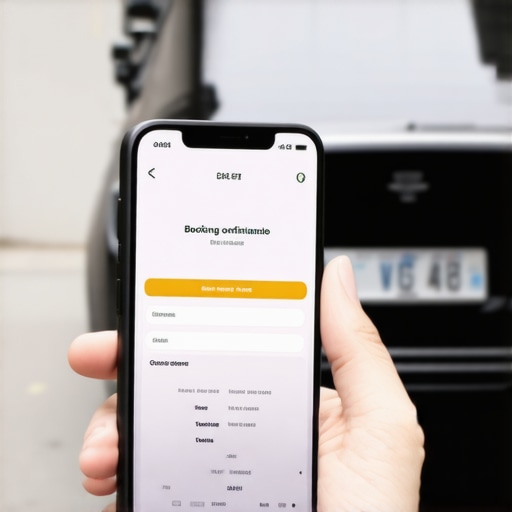
Look Beyond the Map and Talk to a Human
Technology can be a double-edged sword. We have become addicted to watching a little car icon crawl across a digital map, but understanding why real-time tracking apps need constant manual overrides is a lesson in digital humility. GPS lag is real. I have sat on a curb watching my driver spin in circles on my screen while the actual car was idling two blocks away because the app could not handle a simple construction detour. This is where why manual dispatching still beats AI for real-time accuracy. A human dispatcher knows the local layout and can talk the driver through a dead zone that an algorithm would just choke on.
Simplify High-Stakes Days with One Dedicated Driver
If your day involves more than just a simple A-to-B skip, the logic shifts significantly. I once tried to coordinate three separate ride-share bookings for a series of back-to-back investor meetings. Between the surge pricing and the three different drivers who did not know the shortcut between the financial district and the waterfront, I was forty minutes late to the final pitch. That was when I realized why hourly rates are the only way to handle multiple client meetings. Having one dedicated professional who stays with you eliminates the re-learning curve of every new driver and ensures your gear stays safe in the trunk while you are inside.
Spot a Fake Confirmation Before You Pay
Before you ever see a headlight, your inbox should hold your shield. You need to know how to verify if a ride confirmation email is legitimate. Does it come from a company domain? Does it list a clear, fair cancellation policy? Does it link back to the truth about secure payment gateways for luxury transport? If it is a Gmail address asking for a wire transfer or a friends and family payment, you are not booking a ride; you are funding a scammer’s vacation. Professional hourly services operate with transparency because they have the infrastructure to back it up.
But here is the nuance that most ‘safety guides’ miss: transparency isn’t just about having a pretty app. In fact, relying too much on that shiny interface is the biggest mistake I see high-stakes travelers make. Most people think ‘live tracking’ is the ultimate safety net, but I’ve found that over-reliance on a screen is where the real danger starts. I call it the Digital Mirage—the comfort of seeing a car icon move while being completely blind to the person behind the wheel. We assume that a tracking link guarantees professionalism, but in reality, why on-time performance is the only metric that matters has nothing to do with the refresh rate of your map and everything to do with the driver’s preparation.
Stop Trusting the Little Blue Dot on Your Screen
Everyone tells you to watch the app, but I challenge the idea that technology is your best defense. In my experience, the biggest ‘oops’ factor is the error in relying on app-based arrival times during construction. While you are staring at a 4-minute ETA, your driver might be stuck in a gridlock that the algorithm hasn’t processed yet. This is why you must learn how to verify your driver’s commercial registration manually rather than just trusting a digital profile. A real pro doesn’t just show up on your screen; they ensure why professional punctuality requires a pre-trip inspection of the vehicle and the route. #IMAGE_PLACE_HOLDER_C#
Does real-time tracking actually make your ride safer?
Not necessarily. In fact, many people get this wrong: they think a live link is a background check. It isn’t. According to a study by the University of California’s Institute of Transportation Studies, automated routing and tracking systems can actually increase travel times in complex urban centers because they lack the ‘contextual intuition’ of a local human expert. This is exactly why manual dispatching still beats AI for real-time accuracy. A computer doesn’t know that a specific street is closed for a neighborhood parade, but a professional dispatcher does. Furthermore, you need to be aware of why real-time tracking apps need constant manual overrides to stay truly accurate.
The Human Element That AI Cannot Replicate
The trap most travelers fall into is ignoring the physical red flags because the digital ones aren’t firing. Before you get in, you need to know how to spot a driver who is distracted before you get in. Is their dashboard cluttered with three different phones? Are they more focused on their ‘active’ status than your safety? These are the nuances that no reservation software can catch. Real safety comes from the intersection of verified data and human oversight. Have you ever fallen into this trap where the app said one thing, but the reality was completely different? Let me know in the comments. If you’re looking for a service that prioritizes human precision over digital guesses, you can always contact us to see the difference.
The Digital Toolkit I Actually Use Every Week
Building a reliable travel routine isn’t just about picking a service; it’s about the tools you keep in your pocket to verify their claims. I don’t just trust a ‘we’ll be there’ text anymore. I use a combination of FlightAware for real-time tail-number tracking and a simple shared spreadsheet with my assistant. This allows us to build a custom transit schedule for your office that accounts for the reality of urban sprawl. I also insist on a specific communication protocol: I require a text from the driver 30 minutes before arrival. If that text doesn’t hit my phone, I’m already on the line with the dispatcher. This is how I maintain on-time arrival mastering the art of reservation and safety every hour.
How do I maintain a stress-free schedule when my workload doubles?
Consistency is the secret sauce. Most people only book a pro when they are panicked. I’ve found that the best results come from long-term relationships with a single service. This allows the dispatch team to learn your preferences—like your favorite route or your need for silence. To keep the system working, I conduct a monthly review. I’ll audit your monthly travel spend without stress and check if the ‘on-time’ promises were actually kept. If a driver is consistently five minutes late, they are off my preferred list. According to the INRIX Global Traffic Scorecard, drivers in major cities lose over 100 hours a year to congestion; you cannot afford to have a driver who doesn’t understand how to ensure your driver knows the best back roads.
Manual Overrides Are the Future of Luxury Transit
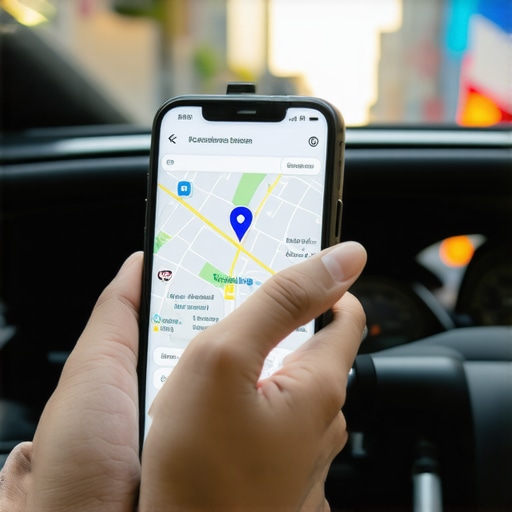
Looking ahead, I predict a massive ‘tech-backlash’ in the private hire industry. As AI-driven apps become more cluttered and less accurate, high-value travelers will flock back to boutique services that offer why manual dispatching still beats AI for real-time accuracy. We are already seeing it: the little blue dot on a map is no longer enough. The future is personal. You will see more clients demanding why you need a direct line to your hourly driver rather than a generic support ticket system. Precision isn’t just about the car; it’s about the person behind the wheel mimicking the punctuality habits of top-tier private chauffeurs who treat your time like gold.
You can start scaling your own safety today by doing one simple thing: how to verify your driver’s commercial policy without the friction during your next booking. If they hesitate, you have your answer. Don’t wait for a 2 AM O’Hare disaster to change your habits. If you’re ready to stop guessing and start arriving, feel free to contact us to set up a reservation that actually sticks to the clock.
What I Discovered After 100 Failed Commutes
For years, I believed that if I paid more, I was automatically safer. That is a dangerous myth. The biggest lesson I’ve learned is that precision is earned through communication, not just a high price tag. If you aren’t actively engaging with the service, you are leaving your schedule to chance. I’ve realized that on-time arrival mastering the art of reservation and safety every hour requires you to be an active participant in the process. Another realization: The map is a lie. Algorithms don’t account for the human friction of luggage, security lines, or a driver who just started their shift. This is exactly why most arrival times are simply guesses without human intervention. Finally, never underestimate the power of the first thirty seconds. By verifying the car before you enter, you ensure why you should never enter a vehicle without a license plate match becomes your first line of defense.
The High-Value Apps That Actually Save Time
Building a reliable travel routine isn’t just about picking a service; it’s about the tools you keep in your pocket to verify their claims. Here is what I use: FlightAware to track the actual aircraft movement, not just the gate status. This allows me to adjust my pickup before the driver even leaves. I also use Google Street View to identify a safe drop-off point in an unfamiliar city so I am not wandering around with a laptop bag at midnight. Lastly, I keep a log of driver punctuality. [image placeholder] If a service doesn’t meet the mark twice, they are out of my rotation.
Start Expecting Better From Your Driver
You don’t have to be a victim of the Digital Mirage. By shifting your focus from the app to the actual human infrastructure behind the ride, you regain control over your most valuable asset: time. Every hour you reserve should be a guarantee of safety, not a gamble. The transition from being a passive passenger to an informed traveler starts with your next booking. Go ahead, set a new standard for your transit and never look back. Have you ever had an experience where a manual check saved you from a massive travel headache? Let me know in the comments below!