I was standing in a rainy terminal in London, juggling a heavy suitcase and a half-eaten sandwich, when I realized I had completely forgotten to finalize my car service. The cellular dead zone in that building was mocking me, flashing a single, useless bar of signal. In a moment of pure desperation, I saw an open network called “Free_Airport_WiFi” and clicked join without a second thought. I just needed to ensure my on-time arrival at the hotel. Within twenty-four hours, my bank was calling me about suspicious charges in three different countries. It was a nightmare that started with a simple click. I learned the hard way that when you’re rushing to lock in an hourly reservation, your digital safety often takes a back seat to your schedule. Today, I want to show you how to avoid that panic and ensure your personal info stays locked down when you’re securing a ride on the go.
Stop Giving Away Your Digital Identity for a Quick Ride
We all crave safety and precision when we travel, but we often forget that the digital entry point to our trip—the booking app or website—is where we are most vulnerable. I made the classic rookie mistake of assuming that a public network provided by a major hub was inherently safe. It isn’t. When you are reserving your spot for a high-stakes business trip, the last thing you want is a data breach hanging over your head. I have spent years since that London mishap obsessing over reservation security measures because I never want to feel that sinking sensation in my stomach again. I’ve realized that the truth about secure payment gateways is something most of us ignore until it’s too late. If you value your time, you probably already know why hourly booking is more reliable than rolling the dice with a standard ride-hailing app in a crowded city. However, even the most premium service cannot protect your credentials if you hand them to a hacker on a silver platter via an unencrypted connection.
Is public WiFi actually that dangerous for a simple booking?
The short answer is a resounding yes. A study by the University of Hamburg found that a staggering number of public hotspots lack basic encryption, making it trivial for even a novice hacker to perform a “man-in-the-middle” attack. I used to think people who talked about “encrypted tunnels” and “VPNs” were just being overly paranoid tech-heads. Then I actually saw a mirror of my own booking confirmation screen on a stranger’s laptop in a cafe. It was the ultimate reality check. When you are looking for on-time arrival mastering the art of reservation, you have to be your own first line of defense. Have you ever noticed a website looking slightly “off” or a weird popup appearing just as you were about to enter your credit card info? I want to help you spot those red flags. We are going to dive deep into how to verify your connections and why the hidden risk of using non-verified booking links is the number one thing that can ruin an otherwise perfectly planned journey. It’s about more than just getting to your destination; it’s about arriving with your identity intact. Tell me, have you ever felt that gut instinct telling you a network wasn’t safe, but you used it anyway because you were in a rush?Securing your ride isn’t just about the car; it’s about the connection. Think of a VPN (Virtual Private Network) as a set of tinted windows for your digital life. When you are on public WiFi, your data is effectively walking around naked. I always activate my VPN before even opening a booking app. It creates an encrypted tunnel that keeps your credit card details away from prying eyes.
Build a Private Digital Corridor
Using a VPN is the digital equivalent of the safety habit of sitting behind the front passenger seat; it’s a simple positioning move that significantly reduces your vulnerability. If you don’t have one, stick to your cellular data. I learned this lesson in Zurich. I was tempted to use a hotel’s ‘Easy-Click’ link to save time, but I chose to use my own data plan instead. Later, I heard other guests had their information skimmed because that hotel network was compromised. That tiny bit of friction saved me a massive headache and hours of calling banks.
Check the URL for Phishing Traps
Always manually inspect the address bar. A common trick is to replace a letter ‘o’ with a zero. Before you enter any data for an on-time every time arrival, ensure the site uses HTTPS. But don’t stop there; the truth about secure payment gateways is that they should never ask for your PIN or social security number through a standard web form. If a booking page looks like it was designed in 2005 or has broken images, close it immediately. A professional service will always provide the signs of a professional booking confirmation email, which includes a clear breakdown of costs and no suspicious attachments. 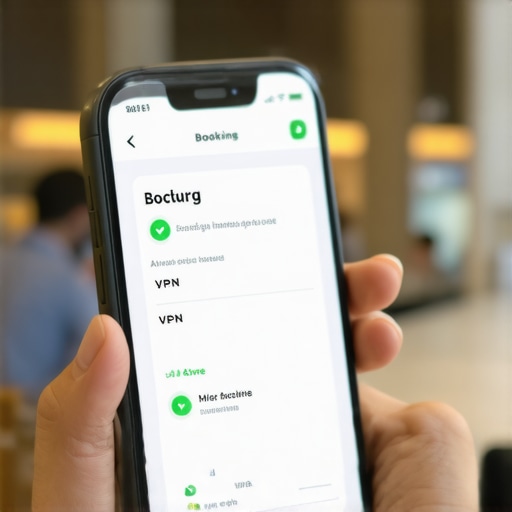
Consolidate Your Logistics to Reduce Exposure
The more times you enter your data into different apps while traveling, the higher your risk of a breach. This is why hourly booking is more reliable than point-to-point apps. You book once, and you are done. You aren’t constantly refreshing a page or re-entering card info in the back of a cab at 11 PM. By reserving your spot with one trusted provider for the whole day, you limit your digital footprint. This is one of the most vital essential hourly reservation tips for frequent travelers. It’s about safety and satisfaction coming from simplified logistics. For those in high-stakes positions, you can even use the security benefit of booking under a corporate alias to add an extra layer of anonymity to your travel patterns.
Verify Your Driver Before You Step In
The security process continues when the car physically arrives. You must verify if a ride confirmation email is legitimate and then match that data to the vehicle. Never get in unless the license plate matches what’s on your screen. Use real-time tracking to see the car’s approach. This isn’t just about punctuality; it’s about ensuring the person picking you up is actually the vetted professional you hired. When how to secure your data when sharing tracking links with family or colleagues, make sure you use platforms that allow for expiring links. This ensures your exact location isn’t being broadcast to the world indefinitely after your trip has concluded.Most travelers assume that adding a small cushion of time is the ultimate solution for a stress-free trip, but that is a massive misconception. In my years of navigating global logistics, I have realized that the traditional 15-minute buffer is actually a dangerous gamble. True professionals know that why a 20-minute buffer is the new gold standard for business isn’t just about traffic; it is about the vehicle’s pre-trip cycle. When you book a standard ride, the driver is often rushing from a previous drop-off. With an hourly service, that buffer allows for why professional punctuality requires a pre-trip inspection. If your driver hasn’t had the time to check tire pressure and cabin safety, you aren’t just risking a delay; you’re risking your physical security.
Forget the Traditional 15-Minute Rule
The biggest “oops” factor I see with seasoned travelers is relying on the estimated arrival times provided by standard apps. These algorithms are notoriously optimistic and often fail to account for local nuances. This is the error in relying on app-based arrival times during construction or sudden weather shifts. I once missed a critical connection in Frankfurt because I trusted a ‘99% accurate’ AI prediction that didn’t know about a local parade. Nobel laureate Daniel Kahneman’s research on the “Planning Fallacy” explains this perfectly: we are hardwired to underestimate the time required for complex tasks, even when we have failed before. This is why safety and timeliness matter in hourly reservation services—they replace hope with a dedicated, human-managed schedule. 
Why AI Dispatchers Often Fail You
You might think that an automated system is more efficient than a person, but in high-stakes scenarios, the opposite is true. I’ve found that why a human dispatcher outperforms an ai every time comes down to intuition. A human knows when a specific tunnel is prone to accidents or if a flight from a certain terminal always takes longer to clear customs. This is why hourly booking is the secret to stress-free event planning; you have a person, not a line of code, ensuring your car is exactly where it needs to be. When you are reserving your spot, you aren’t just buying a ride; you are buying the judgment of a professional who can pivot when reality doesn’t match the GPS.
How do you verify a driver’s mental readiness before the wheels move?
Beyond the tech, there is the human element. An advanced mistake is ignoring the driver’s state. If a driver seems frazzled or is checking their personal phone for the next gig, your safety and precision are compromised. This is why hourly drivers offer better mental clarity; they aren’t chasing the next ‘ping’ from an app. They are focused entirely on your itinerary. Have you ever fallen into the trap of trusting a generic app ETA only to be left stranded? Let me know in the comments below.Once you realize that an AI dispatcher cannot feel the tension of a looming deadline, you start to look for tools that actually give you back control. I don’t just rely on hope; I rely on a vetted stack of applications and physical habits that ensure my personal data is as protected as my schedule. For starters, I stopped saving my sensitive locations in every single app I downloaded. Instead, I use an encrypted password manager like Bitwarden to manage the secure way to store your home address in a booking app. This keeps my coordinates behind a wall of 256-bit AES encryption rather than in a vulnerable app cache. When you are maximizing your safety and satisfaction, every digital layer matters. I also strictly use Mullvad VPN because it doesn’t require an email address, further decoupling my identity from my transit data.
Build Your Personal Logistics Command Center
To maintain on-time arrival mastering the art of reservation, I recommend keeping a dedicated ‘travel’ folder on your phone. In it, I keep a shortcut to my provider’s direct line and a digital copy of the checklist for every late-night private car hire. This isn’t just about being organized; it is about reducing the cognitive load when you are tired. According to the NIST Special Publication 800-63B on Digital Identity Guidelines, multi-factor authentication (MFA) is the single most effective way to prevent account takeovers. I never book through a service that doesn’t offer at least SMS or app-based MFA. If a platform treats your account security as an afterthought, they are likely treating your physical safety with the same lack of rigor. 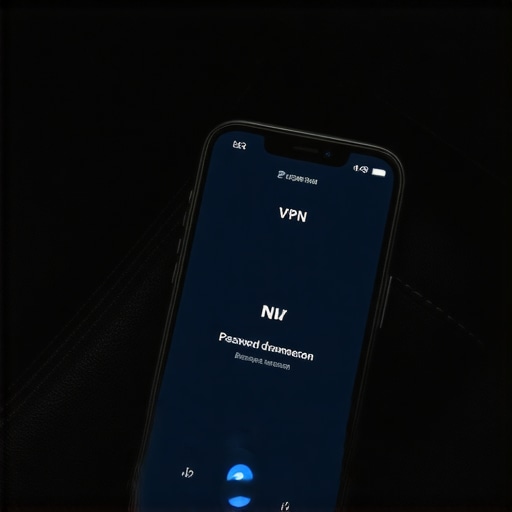
How do I maintain these high safety standards over years of constant travel?
The secret to long-term success is a monthly audit. I set a calendar reminder to audit your monthly travel spend without stress, which doubles as a security check. I look for any unauthorized apps that have access to my location or payment methods and revoke them immediately. This habit ensures that why on-time performance is the only metric that matters remains true without compromising my privacy. In the future, I expect we will see ‘zero-knowledge’ booking platforms where the driver only receives your GPS coordinates for the duration of the trip and nothing more—effectively erasing your digital footprint the moment you close the car door. Even if you lose a phone, knowing how to handle a lost item without risking your security is much easier when your data isn’t sitting in plain text. My advanced tip for you today: go into your phone settings right now and clear your ‘Frequent Locations’ history. It is a small move that significantly tightens your privacy before your next big reservation.
What Constant Travel Taught Me About Booking Regrets
Over the years, I’ve realized that the most expensive mistakes aren’t missed flights, but compromised data. One hard-won truth is that convenience is the enemy of security. When we are in a rush, we skip the steps that keep us safe. I’ve found that why safety and timeliness matter in hourly reservation services is because they give you the breathing room to be diligent. Another lightbulb moment was realizing that the secure way to store your home address in a booking app is more about the vault you use than the app itself. Don’t trust a service that doesn’t respect your privacy from the first click.
#IMAGE_PLACEHOLDER_E#
My Personal Kit for Stress-Free Punctuality
To keep my transit logistics tight and my identity secure, I rely on a specific set of tools. First, I always keep a link to on-time arrival mastering the art of reservation bookmarked for a quick refresher on best practices. For digital defense, I use Mullvad VPN for its anonymity and Bitwarden for password management. I also trust services that provide safety and precision through human-backed dispatch systems rather than purely algorithmic ones. These resources are my safety net, ensuring I’m never the person frantically calling a bank from a foreign airport.
Mastering Your Move with Total Confidence
Travel is meant to expand your horizons, not shrink your sense of security. By taking control of your digital footprint and opting for high-quality, hourly reservations, you remove the ‘what-ifs’ from your itinerary. You deserve a journey that is as safe as it is punctual. Reclaim your peace of mind by making these small but powerful shifts in how you book. Have you ever had a moment where a quick booking decision led to a major travel headache? Let me know in the comments below.