
I remember one rainy Tuesday night in Chicago. I’d just landed after a grueling flight, and all I wanted was a pillow and a quiet room. I hopped into the back seat of my ride, barely glancing at the person behind the wheel, and buried my head in my phone. Ten minutes later, I felt that sickening, heart-stopping lurch as the car drifted toward the rumble strips on the I-90. My driver wasn’t just ‘sleepy’; he was experiencing micro-sleeps, those terrifying seconds where the brain just shuts down. It was a massive wake-up call for me. I realized that my safety wasn’t just about the car’s brakes or the weather; it was about the human being in the front seat. Today, I want to share exactly how I’ve learned to spot those subtle, dangerous signs of fatigue before the car even leaves the curb, so you never have to feel that lurch in your stomach like I did.
Look for These Red Flags Before You Close the Door
Early in my travels, I made the mistake of assuming that because a driver was ‘on the clock,’ they were naturally rested and ready. I was wrong. Now, I always take a moment to verify my driver is not exhausted by engaging them in a quick, two-minute conversation. It’s not just about being friendly; it’s a safety check. Are they squinting at the dashboard? Do they have that ‘thousand-yard stare’ where their eyes are open but they aren’t really processing the environment? If you see frequent yawning or a heavy reliance on caffeine, take note. I’ve found that checking for fatigue during a late-night trip is the single most important thing you can do for your peace of mind.
Is it actually possible to judge someone’s fatigue in 30 seconds?
You might feel a bit awkward or even ‘judgmental’ checking out your driver, but the stakes are incredibly high. Did you know that the National Sleep Foundation reports being awake for 18 hours straight makes a driver as dangerous as someone with a blood alcohol concentration of 0.05%? It’s a staggering fact that most people ignore. This is why I always suggest a 5-point safety check for every nighttime ride. Have you ever felt that gut instinct that something was ‘off’ with your driver’s energy levels? I’d love to hear how you handled it. Planning ahead is key, especially since a 4 am reservation needs extra planning to ensure everyone involved is sharp and ready for the road. We are going to dive deep into the specific physical cues and behavioral shifts that scream ‘too tired to drive,’ helping you make the call on whether to stay in the car or find another way home.
Why You Need a Routine Before Opening the Door
Safety starts before you ever set foot on the upholstery. Think of a pilot doing a walk-around of their plane; you should have a similar mindset for your ground transportation. When the car pulls up, take a few seconds to observe the approach. Is the braking smooth? Does the driver seem to hunt for the curb? This is where professional punctuality requires a pre-trip inspection on your part. I once had a driver in Denver who missed the turn into my hotel three times while I watched from the lobby. That was all the evidence I needed to know his mental fatigue was at a breaking point. I didn’t get in. Instead, I followed the routine for inspecting your ride before boarding, which includes checking for a clean windshield and clear headlights—if they haven’t bothered to clear their field of vision, they likely aren’t prioritizing their own alertness either.
The Two-Minute Talk Test That Saves Lives
Once the door is open, the ‘interview’ begins. This isn’t about being a difficult passenger; it’s about gauging cognitive function. I always ask a specific, slightly complex question rather than a simple ‘how are you?’ I’ll ask something like, ‘What’s the best way to get to the airport given the construction on the north side?’ A driver who is sharp will give you a reasoned answer or check their navigation immediately. A driver experiencing micro-sleeps or heavy fatigue will likely give a slow, one-word response or seem confused by the multi-part question. I’ve found that why hourly drivers offer better mental clarity for busy executives often comes down to their mandatory rest periods, something standard apps often ignore.
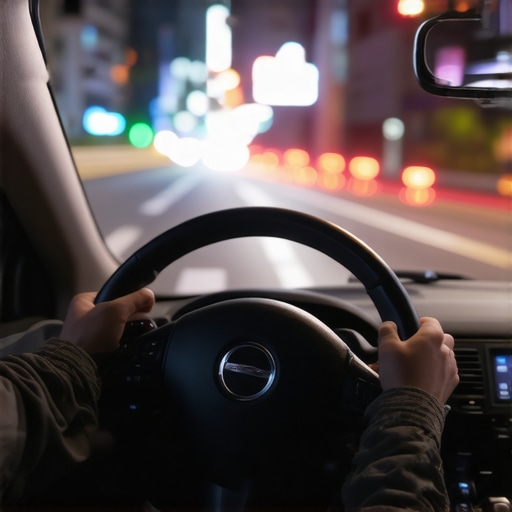
Use Data to Validate Your Gut Feeling
If you decide to proceed with the trip, don’t just tune out. Fatigue can manifest twenty minutes into a ride even if they seemed fine at the curb. I treat the ride like a shared responsibility. I make sure to track your driver’s real-time progress without an app by keeping my own map open. If the GPS shows a clear path but the driver is swaying within the lane or missing easy exits, you have a problem. This is also a great time to ensure your driver is not using a personal phone while driving, as tired drivers often use their phones as a desperate attempt to stay awake, which only multiplies the danger.
The Power of Choosing the Right Booking Model
There was a night in London where the traffic was a nightmare and my driver was clearly reaching his limit after a long shift. Because I had used an hourly service, I had the authority to tell him to pull over at a safe, well-lit cafe so I could grab a coffee and he could stretch his legs for ten minutes. You simply can’t do that with standard point-to-point services without the driver feeling the pressure of the next ‘ping.’ This is exactly why hourly booking is more reliable than ride-hailing apps; it removes the ‘hurry’ factor that leads to exhausted drivers taking risks. When you control the clock, you control the safety environment. By choosing why business travelers prefer hourly hires for high-stakes days, you aren’t just buying time; you’re buying a driver who isn’t incentivized to drive while nodding off just to hit a quota.
Most travelers think the goal of a reservation is to time the pickup to the exact second. I used to be one of them, obsessively checking my watch and expecting the car to roll up right as I stepped out. But I’ve learned that this mindset is actually a safety hazard. Everyone says a 15-minute buffer is plenty, but in my experience, that’s where the trouble starts. When you cut it that close, you create a high-pressure environment for the person behind the wheel. A driver who is rushing to meet a tight window is a driver who is distracted by the clock rather than the road.
The 15-Minute Rule is Dead
In the high-stakes world of executive travel, I’ve found that why the 17-minute buffer outperforms the traditional 15-minute rule isn’t just about math; it’s about psychology. According to research from the AAA Foundation for Traffic Safety, perceived time pressure is one of the primary catalysts for aggressive driving behaviors. When a driver feels they are ‘late,’ their cognitive load shifts from navigation and safety to speed and risk-taking. This is why I argue that why on-time performance is the only metric that matters, but only when it is backed by a realistic schedule that doesn’t force your chauffeur to gamble with your life.
Does your driver’s mental clock matter more than the GPS?
Advanced travelers often ask me how to verify if a service is truly ‘safe’ or just lucky. The answer lies in their dispatch logic. A professional service doesn’t just look at the miles; they look at the ‘mental load’ of the driver. If you’re booking a high-stakes trip, you need to understand why safety and timeliness matter in hourly reservation services. Hourly models allow for a ‘cooling period’ between trips, ensuring the driver isn’t jumping from a stressful cross-town dash directly into your quiet morning commute. This nuance is something most app-based users never consider, yet it’s the difference between a smooth ride and a white-knuckle experience.

Avoid the Trap of the Last-Minute Schedule Shift
One of the biggest ‘oops’ factors I see involves passengers trying to update their itinerary mid-trip. I once tried to change a drop-off point while weaving through London traffic, only to realize I was forcing the driver to handle a complex navigation change while simultaneously managing heavy congestion. It was a mistake. Now, I always insist on on-time every time strategies for safe and reliable hourly bookings that include pre-set routes. If you must change things, ensure you have a service that offers why flexible policies are vital for business meeting delays, allowing a dispatcher to update the route for the driver so they can keep their eyes on the road. Also, never neglect to how to spot a fake commercial insurance document; a driver under extreme time pressure is much more likely to have an incident, and you want to be certain you are protected by real, commercial coverage, not a personal policy that will be voided in a commercial setting.
The Reliable Path to the Keynote
If you want to be the person who always arrives calm and prepared, you need to use the reliable way to ensure you arrive first for the keynote. It’s not about finding the fastest car; it’s about finding the best logistics. Have you ever fallen into the ‘it’s only five minutes away’ trap only to find yourself stuck behind a construction crew? Let me know in the comments. By shifting your focus from the cheapest price to the most precise timing, you can maximize your safety and satisfaction with our precise reservation timing. Let’s dig deeper into how we can audit these services to ensure they aren’t just blowing smoke about their safety records.
Maintaining this level of safety isn’t a one-time effort; it’s a system you build over months of travel. I’ve found that the real difference between a lucky traveler and a safe one is the technical stack they rely on. Personally, I don’t just trust the driver’s phone. I use a combination of FlightAware for granular arrival data and a secondary traffic overlay to cross-reference what my driver is seeing. This redundancy is vital because you need to know the difference between live tracking and estimated progress. An app might tell you you’re five minutes away, but it won’t tell you there is a stalled delivery truck blocking the only lane into the terminal. By having my own data, I can suggest a pivot before we’re stuck in the bottleneck.
How do I keep my travel logistics running smoothly month after month?
The secret to long-term success is consistency and auditing. Once you find a service that respects your safety boundaries, you need to learn how to set up a recurring weekly commute that never fails. This isn’t just about convenience; it allows the dispatch team to assign the same rotation of drivers who already know your preferences, your gate, and your risk tolerance. I also make it a habit to periodically how to audit your monthly travel spend without stress, looking for any anomalies in time-on-task. If a driver is consistently taking longer than the 17-minute buffer allows, it’s a signal that the route or the timing needs a permanent adjustment.
The Invisible Tech Protecting Your Backseat
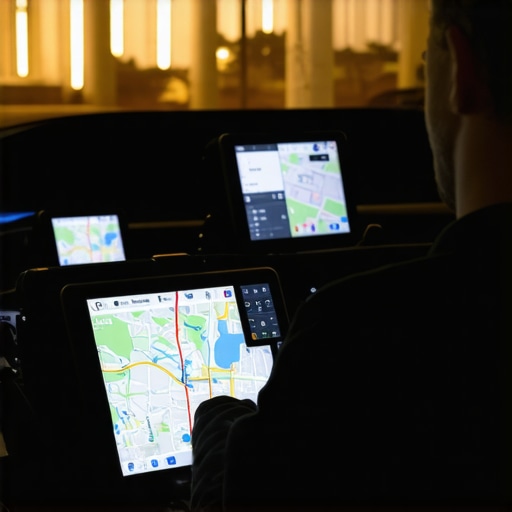
Beyond the maps, the most important tool in a professional fleet is the telematics system. I always ask if the company uses active monitoring. This is why driver speed alerts are the backbone of passenger safety. These systems aren’t there to micromanage; they are there to provide an objective record of the trip. If a driver knows a dispatcher is alerted to hard braking or high-speed cornering, they are psychologically primed to maintain a smoother, safer pace. Dr. Bryan Reimer at MIT’s AgeLab has noted that the driver’s cognitive engagement—their ‘mental presence’—remains the most critical safety factor, even as cars get smarter. Technology should support the human, not replace their attention.
Why Human Oversight Wins the Future of Travel
I’m often asked if AI will eventually replace the need for these checks. My answer is always no. In fact, I believe why a human dispatcher outperforms an ai every time comes down to nuance. An AI can’t tell that a local parade is going to block a specific intersection, but a human dispatcher who lives in that city knows it instinctively. Moving forward, the trend is shifting toward ‘Hybrid Logistics’—using high-speed data to inform human-led decisions. This ensures you stay secure and punctual with the essential hourly reservation tips that prioritize human intuition over a cold algorithm. If you want to elevate your travel game today, I challenge you to try this: the next time you book, ask the dispatcher specifically about their manual route-checking process. You’ll know immediately if you’re in professional hands or just another data point in a generic app’s queue.
The Lessons I Paid for in Near-Misses
After years on the road, I’ve realized that the most dangerous moment isn’t the highway merge—it’s the moment you ignore your gut because you’re worried about being ‘rude.’ I’ve learned that mastering the art of reservation and safety every hour means being willing to walk away from a vehicle that doesn’t feel right. Another hard truth? Price is the worst predictor of safety. The cheapest ride often costs the most in terms of risk. I now treat every booking as a partnership where on-time arrival is a byproduct of careful planning, not reckless driving. I’ve also found that the quietest drivers are often the most focused, so I always respect the need for a silent, professional environment during high-stakes commutes.
The Intel I Never Leave Home Without
To keep my travels predictable, I rely on a few specific resources that go beyond a basic map. First, I always check the AAA Foundation for Traffic Safety’s latest research on driver fatigue to stay sharp on the red flags. I also suggest using FlightAware to keep your own eye on arrival windows rather than relying solely on a driver’s estimation. For those who want to dig deeper into the legal side, I highly recommend looking at how to verify the commercial validity of a transit schedule before you book. These tools, combined with safety precision for reliable hourly reservations, ensure that you aren’t just hoping for the best, but actively managing your environment.
#IMAGE_PLACEHOLDER_E#
Stop Leaving Your Safety to Chance
At the end of the day, your safety is the only metric that truly matters. Whether you are heading to a high-stakes board meeting or returning home after a long flight, you deserve a service that respects your life as much as your schedule. By following a reliable guide to on-time reservations at any hour, you take the power back from random algorithms and put it into the hands of professionals. It’s time to stop crossing your fingers and start demanding the precision that only high-quality hourly services can provide. Your peace of mind is worth every extra minute of planning. Have you ever had a moment where your gut told you to get out of a car before it even started moving? Let me know in the comments below.