
I stood there, phone buzzing in my pocket, while the CEO launched into a “one last thing” slide that I knew would take at least twenty minutes. My car was already waiting downstairs. I could almost feel the “no-show” fee being tacked onto my bill. It is a sickening feeling, isn’t it? That moment where you realize your schedule and your transportation are at war. I used to think that once a booking was set, you were locked into a game of chicken with the clock. I was wrong. After years of travel, I discovered that there is a specific, simple move to pivot. Today, I am going to show you exactly how to navigate these shifts so you never have to choose between a professional obligation and your wallet. You deserve a service that works for you, not against you.
Keep Your Money in Your Pocket When Plans Shift
The biggest mistake I made early in my career was assuming that a reservation was a rigid, unbreakable contract rather than a living arrangement. I once forfeited a $200 deposit simply because I panicked and didn’t know the proper protocol. I thought calling the driver directly was the “pro” move. It wasn’t; it just created a paper trail of confusion that the billing department used against me later. I felt foolish. I felt taken advantage of. But mostly, I felt like I had failed at basic planning. That failure led me to seek out a better way to manage my time. Modern travel demands a certain level of fluidity that most apps just can’t provide. Whether it is a sudden flight delay or a meeting that overran by an hour, the reality is that “on-time” is often a moving target in the real world. In fact, data from the Bureau of Transportation Statistics (BTS) indicates that nearly 22% of domestic flights face some form of delay, proving that a rigid schedule is actually a major liability for the modern traveler. This is why flexible policies are vital for business meeting delays and why I eventually shifted my entire strategy toward hourly services. They offer a safety net that point-to-point services simply ignore.
Wait, won’t the service just charge me anyway?
It’s a fair question, and one I get from my neighbors all the time. Most people assume that any change to a booking is an automatic excuse for a “convenience fee” or a total loss of the deposit. I’ve found that the “simple move” isn’t about begging for mercy from a customer service rep; it’s about how you structure the initial booking and knowing how to change a pickup time without losing your deposit through the right channels. When you move away from the frantic world of “requesting a ride” and embrace the logic of why hourly booking is more reliable than ride-hailing apps, you gain a level of control that most travelers never realize exists. You aren’t just buying a ride; you’re buying a block of time that belongs to you. Have you ever been stuck in a situation where you watched a cancellation fee tick upward while you were trapped in a meeting or a long security line? I want to hear your horror stories—drop a comment or send me a note. Now, let’s get into the step-by-step mechanics of how you can make this adjustment yourself without the typical headache. [image placeholder]
Lock in a Dedicated Block of Time Instead of a Single Trip
Think of a standard ride-hailing app like a taxi—it is a one-and-done transaction. If you aren’t there when they arrive, the clock starts ticking toward a cancellation. Hourly booking, however, is like renting a private office for the afternoon. You aren’t just paying for the movement from point A to point B; you are securing the vehicle’s availability. This is exactly why hourly booking is more reliable than ride-hailing apps during high-stakes days. I learned this the hard way in Midtown Manhattan when a keynote ran forty minutes late. Because I had booked a dedicated block, my driver didn’t leave. He simply circled the block and stayed in constant contact with his team. When I finally walked out, the car was there. No frantic re-booking, no surge pricing, and no ghosting. It turns a stressful delay into a minor footnote.
Talk to the Dispatcher if You Want Your Changes to Stick
One of the most common mistakes is trying to negotiate schedule changes directly with the driver via a personal cell phone. While it feels more personal, it is a massive security and logistical risk. Professional services rely on central coordination. If you need to adjust your window, you must follow the protocol of how to change a pickup time without losing your deposit by contacting the dispatch office. This ensures the change is logged in the system and the billing is adjusted in real-time. It also protects you from the danger of relying on verbal confirmations for important travel, which often lead to ‘he-said, she-said’ disputes over wait time fees later. 
Build a Buffer for Those Last-Minute Moments
The secret to staying calm when a meeting runs over is the ’45-minute logic.’ I always recommend a buffer because why flexible policies are vital for business meeting delays becomes apparent the moment you see your boss grab the whiteboard marker for an unscheduled ‘deep dive.’ By leveraging on-time arrival mastering the art of reservation and safety every hour, you create a sanctuary of time. You should also check the essential hourly reservation tips for timely service to understand how to communicate these buffers to your provider before the trip begins. This level of planning is the reliable way to ensure you arrive first for the keynote even if your morning starts with a series of minor disasters. You aren’t just buying a ride; you are buying the peace of mind that comes from knowing your logistics are handled by pros who expect the unexpected. This strategy effectively eliminates the stress of finding parking or worrying about a driver who might time out on their shift while you are still finishing your closing remarks.Everyone tells you that a background check is the holy grail of passenger security. In my experience, that is only the bare minimum—the ‘entry ticket’ to the game. The real nuance that separates a pro from a hobbyist is the commercial validity of the operation. Most travelers do not realize that a personal insurance policy is often voided the second money changes hands for a ride. This is why you must understand how to verify the commercial validity of a transit schedule and, more importantly, how to verify your drivers commercial registration manually. It is a dry topic until you are in a fender-bender and the insurance company denies the claim because the vehicle was not properly registered for hire. Have you ever fallen into this trap? Let me know in the comments. Another hidden ‘oops’ factor is the reliance on consumer GPS apps. We have all seen it: your phone says the driver is two minutes away, but they are actually stuck behind a garbage truck three blocks over. I learned that why real-time vehicle data is more accurate than estimated times boils down to the source of the info. Pro services use internal telemetry that bypasses the lag of public cell towers. This level of safety precision is the key to reliable hourly reservations for peace of mind.
Why does real-time vehicle data beat your phone’s GPS?
It comes down to latency and hardware. Consumer apps rely on the driver’s personal smartphone, which might be throttling data or losing signal in concrete canyons. A professional fleet uses hardwired GPS units. According to research on fleet management systems, hardwired telematics provide a significantly higher accuracy rate in urban environments compared to mobile-only tracking because they connect directly to the vehicle’s computer. This is why a human dispatcher outperforms an AI every time; they can interpret that data and tell you that a ‘5-minute delay’ on your screen is actually a ’15-minute roadblock’ in reality. 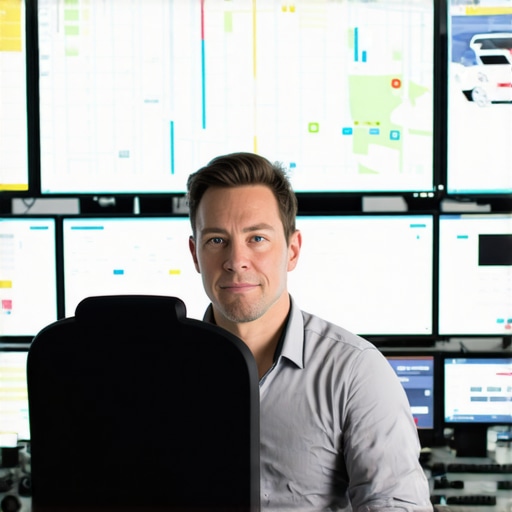
The Invisible Safety Net You Never Knew to Ask For
Beyond the hardware, there is the human element of oversight. Many people think ‘safety’ is just a quiet ride, but to me, it is about ensuring safety and punctuality with top tips for on-time reservations at any hour. This involves a second set of eyes on the road—the dispatcher. They are the ones watching for road closures and protests that do not show up on a map until it is too late. This proactive approach is why safety and timeliness matter in hourly reservation services more than in a simple point-to-point trip. One specific trap is assuming that every car with a ‘for hire’ sticker is maintained equally. I once sat in a vehicle where the tires were so bald I could see the internal cords because I did not follow a routine for inspecting your ride before boarding. Professional hourly services follow rigorous maintenance schedules audited by local authorities. This is why on-time arrival mastering the art of reservation and safety every hour is as much about the mechanic as it is about the driver. When you book hourly, you are paying for the entire back-office infrastructure that ensures your schedule remains intact regardless of the chaos outside the window.I used to think that ‘on-time’ was just luck. Now I know it is a combination of the right hardware and a rigid maintenance culture. I personally look for services that utilize advanced telematics because why real-time fuel-monitoring prevents unexpected roadside stops is something most passengers never consider until they are stranded on the shoulder of the I-95. Geotab, a global leader in fleet management, notes in their technical documentation that predictive maintenance—tracking engine health in real-time—can reduce unexpected mechanical failures by nearly 30%. This is the level of detail you should expect. Beyond the engine, I look for systems where why driver speed alerts are the backbone of passenger safety becomes visible. If the back office knows the moment a driver exceeds the limit, the driver stays focused. It is a digital shadow that keeps you safe.
The Specialized Tools That Keep My Schedule Bulletproof
One tool I swear by is the secure client portal. I refuse to text my sensitive travel details over unencrypted SMS. Knowing how to store your trip data securely away from third-party apps is vital for anyone traveling for high-stakes business. I always ensure there is the one security clause to look for in your corporate transport contract which guarantees data deletion after the trip. This isn’t just about the ride; it is about your digital footprint. I also keep a close eye on the billing. By using hourly structures, how hourly rates protect you during unpredictable traffic becomes your greatest financial asset. You aren’t being penalized for a city-wide gridlock; you are simply utilizing the time you already purchased. 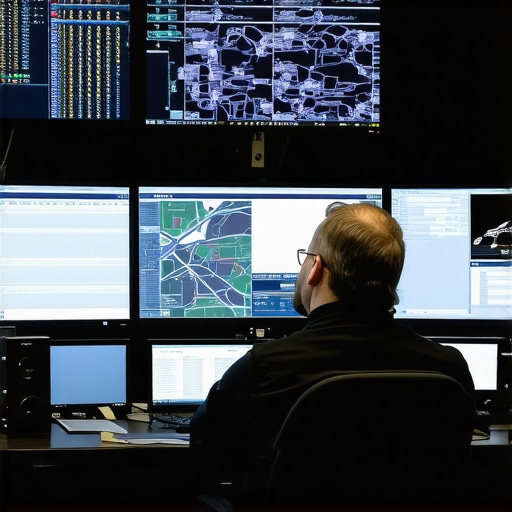
Is there a way to keep this level of precision for every single trip?
Maintaining this standard requires a shift in how you view ‘the booking.’ It isn’t a task to be checked off; it is a relationship to be managed. I recommend performing reservation security measures how to book safely and arrive on time by verifying your driver’s credentials through the portal at least two hours before departure. This prevents the ‘last-minute swap’ that often happens with lower-tier services. In the future, I expect to see even more integration of biometric checks. We are already seeing the beginning of this with how we verify every drivers identity before they reach you using facial recognition at the dispatch level. This ensures the person behind the wheel is exactly who the paperwork says they are. Ultimately, why on-time performance is the only metric that matters is because your time is the only resource you can’t buy more of. I want you to try this: the next time you book, ask specifically about their ‘dispatch-to-driver communication protocol.’ If they can’t explain how they handle a route change in real-time, they aren’t the professional service you deserve.
Hard Truths from a Decade in the Back Seat
Over the years, I have learned that the most expensive ride you will ever take is the one that shows up late. I used to chase the lowest quote, but I quickly realized the real cost of choosing the cheapest ride option is measured in missed opportunities and high blood pressure. Realizing that you are hiring a service, not just a car, is the first step toward true travel freedom.
Another hard lesson? Verbal agreements are worth nothing. I’ve seen too many people fall victim to the danger of relying on verbal confirmations for important travel. If it isn’t in the dispatch log, it doesn’t exist. Professionalism is found in the paperwork and the digital trail.
The Tech Stack for Frictionless Travel
I don’t leave my schedule to chance. Here are the three things I always use to stay ahead:
- Password Security: I use tools like Bitwarden to manage my access to secure portals. Knowing the secure way to store your home address in a booking app is non-negotiable for my privacy.
- Real-Time Tracking: I rely on services that verify their fleet’s location. You can learn how to spot a professional vehicle fleet at a glance simply by looking at how they manage their digital visibility.
- Flight Contingencies: I always keep an eye on how to handle a late flight arrival with your car service by using independent flight trackers to cross-reference the driver’s reported status.
[image placeholder]
Stop Letting the Clock Win
At the end of the day, your success depends on your ability to show up when it matters. Whether it is a gala, a board meeting, or a flight, you need an hourly, reservation, safety, on time strategy that is as dynamic as your career. You’ve worked too hard to let a logistics error hold you back. Why on-time performance is the only metric that matters becomes crystal clear the moment you walk through the door of your event with zero stress. What is the one travel delay that almost cost you a major deal? Let me know in the comments below!