
I stood on my driveway at 4:15 AM, the chilly morning air biting through my jacket, staring at a “driver 12 minutes away” notification that had been frozen for nearly twenty minutes. I’d picked the bargain-basement option to save a few dollars, feeling smug about my frugality. That smugness vanished when the driver finally cancelled, leaving me stranded while the clock ticked toward my boarding time. I learned the hard way that when you pay the bare minimum, you aren’t just buying a ride; you’re buying a high-stakes gamble with your time. Today, I want to show you how to avoid that panic and why looking beyond the lowest price tag is the smartest move you can make for your sanity.
Stop treating your schedule like a gamble
We’ve all been there. You open the app, see a price that looks like a steal, and hit book. But there is a reason those rides are cheap. Often, you are dealing with drivers who are juggling multiple apps and chasing surge pricing elsewhere. In my early days of traveling for work, I once ended up in a car where the floor mats were literally held together with duct tape. It was a wake-up call. I realized that the hidden difference between app drivers and private chauffeurs is not just the fancy car; it’s the commitment to actually showing up. If you have a flight you cannot miss, you need to understand why a 4 am reservation needs extra planning rather than just hoping for the best. [IMAGE_PLACEHOLDER] I eventually transitioned to more reliable methods because the stress of “will they or won’t they” was shaving years off my life. When you choose a professional service, you aren’t just paying for the miles. You are paying for a human being who has a stake in your arrival. This is why many frequent travelers find that why hourly booking is more reliable than ride-hailing apps, especially when schedules are tight. Have you ever been left standing on a curb while a budget driver cancelled on you at the last minute?
Is a private driver really worth the extra investment?
I hear this all the time: “But it’s twice the price!” And on paper, sure, the numbers look different. But have you factored in the cost of a missed meeting? The cost of a hotel room when you miss the last train? The skepticism is real, but so are the consequences of a failed logistics chain. When I started looking at the math, the “expensive” option actually saved me money over the course of a year. By eliminating the need for backup plans and last-minute scrambles, my productivity skyrocketed. It’s about more than just luxury; it’s about the peace of mind that comes from knowing your transport is a certainty, not a possibility.
Your safety shouldn’t have a discount code
Safety is the one area where we should never be looking for the “clearance rack” deal. When platforms slash prices to the bone, the first things to suffer are vehicle maintenance and driver rest. The National Safety Council reports that fatigue is a factor in nearly 13% of professional driver accidents, which makes it vital to know how to verify your driver is not exhausted before you even step into the vehicle. I made the mistake of ignoring a strange rattling sound in a budget ride once, only to have the tire blow out on the highway. Never again. A professional service prioritizes the human element—ensuring drivers have set hours and the vehicles are inspected beyond a cursory glance. You deserve to know the truth about what you’re stepping into before you put your life in a stranger’s hands.
Ditch the point-to-point anxiety
Think of a standard ride-hailing app like a fast-food drive-thru: it’s designed for the immediate moment, not for a scheduled feast. When you book a simple trip from A to B, the driver’s only goal is to finish your ride so they can grab the next one. This creates a conflict of interest between your schedule and their earnings. To fix this, you need to shift your strategy toward hourly arrangements. I’ve found that why hourly booking is more reliable than ride-hailing apps because it changes the driver’s incentive. They aren’t looking for the next ‘ping’; they are dedicated to you for that block of time. This is especially true when why hourly booking is the secret to stress-free event planning, where multiple stops are the norm rather than the exception.
Lock in your driver for the duration
During a hectic Tuesday in downtown Chicago, I tried to hop between three different office buildings using standard apps. By the second stop, a sudden downpour hit, and the ‘5-minute’ wait turned into 25 minutes of me standing under a leaking awning while drivers canceled one after another. I missed the start of a crucial presentation. That was the last time I relied on dynamic availability for business. Now, I use hourly hires for multi-stop days. It turns the car into a mobile base of operations. You can leave your laptop or extra coat in the vehicle because why hourly hires minimize the risk of lost items since the same person stays with the car throughout your booking. 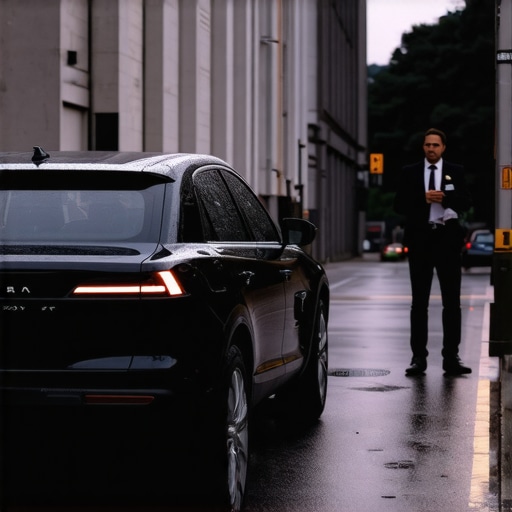
The three steps to a bulletproof reservation
Reliability isn’t a happy accident; it’s the result of a specific verification process. First, never trust an automated ‘confirmed’ screen without a human element. I always look for services where why a human dispatcher outperforms an ai every time. A machine doesn’t know there is a parade blocking Main Street, but a local dispatcher does and will reroute your driver accordingly. Second, implement the ‘buffer’ rule. I used to book my rides for exactly when I wanted to leave, but now I use the 3-minute buffer that saves you from missing the train at the very least. For long-haul airport runs, that buffer should be even wider. Third, verify the hardware. Before I even put my bags in the trunk, I perform the 5-point safety check for every nighttime ride. It takes thirty seconds and prevents hours of mechanical trouble or safety scares later on.
Verify the person behind the wheel
Don’t be afraid to be ‘that’ passenger. Your safety is non-negotiable. I make it a habit to check for how to verify commercial plates on a private hire as the car pulls up. If those plates don’t match the local regulations for hire vehicles, I don’t get in. It’s also vital to follow the protocol for verifying your chauffeurs permit. I once caught a driver using a cousin’s account because his own was suspended. By staying vigilant and using reservation security measures how to book safely and arrive on time, you shift from being a passive passenger to an active participant in your own logistics. This level of detail is exactly why on-time performance is the only metric that matters when your reputation or your flight is on the line.
Many travelers believe that watching a tiny digital car move across a map is the ultimate form of transparency. It’s a comforting illusion, but in the world of professional logistics, it is often a lie. I’ve seen countless passengers get burned because they didn’t realize why refreshing your tracking app might give you false arrival times. These systems often rely on best-case scenario data that ignores local nuances like school zone timing or sudden lane closures. In my experience, relying solely on an automated ETA is a rookie mistake. Professional services know that why real-time vehicle data is more accurate than estimated times provided by consumer apps because it includes telemetry and driver history that an algorithm often overlooks.
Why do some ‘confirmed’ rides still leave you stranded?
The trap most people fall into is equating a digital confirmation with a guaranteed vehicle. In the high-volume world of budget ride-hailing, confirmed simply means you are in the queue. It doesn’t mean a driver has actually committed to your specific route yet. This is where why a human dispatcher outperforms an ai every time. A human can see that a driver is finishing a long shift and might be too tired to safely handle your 3 AM airport run, whereas an AI only sees an available GPS coordinate. A study by the Massachusetts Institute of Technology (MIT) on urban mobility suggests that predictive algorithms often fail to account for stochastic events—random occurrences like a double-parked delivery truck—which a local professional handles by instinct rather than data. 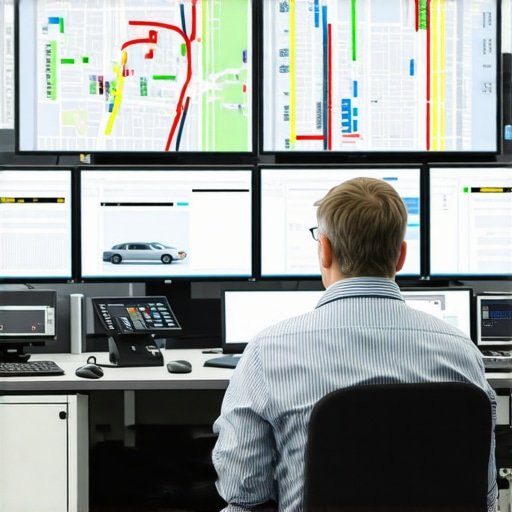 One nuanced detail I always look for is how the service handles the unexpected. Most people think hourly booking is just for weddings or prom nights, but the truth is that how hourly rates protect you during unpredictable traffic is the real expert move. When you pay by the hour, the driver isn’t incentivized to speed or cut corners to get to the next fare; they are focused entirely on your safety. I’ve also learned to watch for the small things, like why real-time fuel monitoring prevents unexpected roadside stops. There is nothing more frustrating than a driver pulling into a gas station when you’re already five minutes behind for a board meeting.
Look for the invisible signs of a pro
Stop looking at the car’s paint job and start looking at the driver’s workflow. Professionalism isn’t just a clean suit; it’s a lack of distractions. I always check how to ensure your driver is not using a personal phone while driving or unverified navigation tools. A professional uses dedicated, enterprise-grade systems that don’t lag or lose signal. This level of rigor is why on-time performance is the only metric that matters when your schedule is non-negotiable. Have you ever fallen into the estimated time trap only to be left waiting on the sidewalk? Let me know in the comments.
To move beyond the basic ‘where is my car’ stress, I have built a personal protocol that relies on specialized tools rather than hope. I never look at a standard app’s ETA; instead, I demand services that provide access to the raw telemetry. It is the difference between a weather forecast and standing outside in the rain. I have found that why real-time vehicle data is more accurate than estimated times because it filters out the optimism bias built into consumer-grade algorithms. I also look for why real-time fuel monitoring prevents unexpected roadside stops. It sounds like a small detail until your driver pulls over for gas while you are staring at a ’10 minutes until boarding’ text on your phone. This level of scrutiny is especially vital when why hourly booking is the best move for multiple site visits, where one delay cascades into a ruined day.
Ditch the guesswork with professional-grade monitoring
I personally use a mix of enterprise trackers and gate-data apps like FlightAware to stay ahead of my own logistics. When you are paying for premium transport, you should expect your driver to be doing the same. According to the Journal of Advanced Transportation, predictive modeling for urban congestion is only 70% accurate without integrating hyper-local telemetry—this is why I only trust services that use enterprise hardware over personal smartphones. Professional drivers often use integrated systems that monitor engine health and traffic patterns in real-time, ensuring that the car pulling up to your door is as reliable as a Swiss watch. 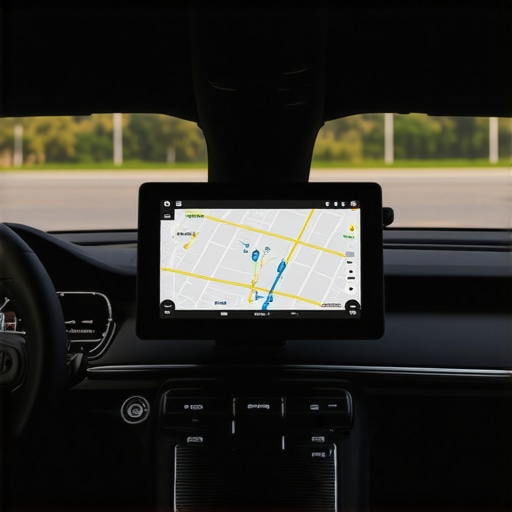
How do I maintain a flawless arrival record over time?
The secret is not just picking the right car once; it is the constant maintenance of your booking routine. I have survived years of tight connections by religiously applying the 3-minute buffer that saves you from missing the train and performing why manual reservation checks outperform automated bots every single time. A bot can confirm a ride for a street that is currently closed for a marathon or a protest, but a human dispatcher will catch that error before the car even leaves the lot. By following these stay secure and punctual essential hourly reservation tips, you turn a chaotic commute into a predictable outcome.
The coming shift in personal logistics
Looking ahead, I see the industry moving toward ‘Hyper-Personalized Dispatch.’ We are going to see AI that does not just find the nearest car but matches the driver’s biological peak performance hours to your specific route needs. We are already seeing the beginnings of this with companies that prioritize safety certifications over mere availability. The days of the ‘gig’ are fading for high-stakes travel, replaced by a return to specialized, long-term relationships between travelers and professional fleets. My challenge to you for your next trip: call the dispatch line instead of just clicking ‘Confirm’ in the app. Ask them about the specific route they plan to take—that one manual check will tell you everything you need to know about the service’s quality before you even step inside.
Hard Truths About Why Cheap Rides Fail
After years of navigating city streets and airport terminals, I have realized that the ‘lowest price’ isn’t just a discount; it is a trade-off for reliability. One of the most vital lessons I’ve learned is that the floor mat check is actually a reliable predictor of your driver’s attention to detail; if they don’t care about the mud at their feet, they likely won’t care about your 10:00 AM deadline. I also came to understand that why driver speed alerts are the backbone of passenger safety because they prevent the ‘rush-and-crash’ mentality inherent in gig-work apps. Finally, remember that you aren’t just booking a car; you are hiring a professional to safeguard your most valuable asset—your time. [IMAGE_PLACEHOLDER]
Tools to Guarantee You Never Miss a Flight Again
I do not leave my schedule to chance, and neither should you. My personal toolkit starts with FlightAware for real-time gate data that often beats the airline’s own notifications. Secondly, I always prioritize services that allow me to secure my personal data when booking airport transfers to avoid the prying eyes of third-party data brokers. For local navigation, I exclusively rely on professional services where drivers never use unverified navigation apps, ensuring we don’t end up on a ‘shortcut’ through a construction zone. I trust these tools because they prioritize data integrity over marketing convenience.
Build Your Own Legend of Punctuality
Taking the leap from a passive passenger to an active travel architect changes everything. By following essential hourly reservation tips, you eliminate the variable of chance from your morning. You deserve to arrive at your destination with your mental clarity intact and your schedule perfectly preserved. Mastering ensuring safety first your guide to on-time reservations is the final piece of the puzzle for any high-performer. Don’t let a budget algorithm dictate the success of your day. Have you ever had a professional driver save your schedule when a ride-hailing app failed you at the last minute? Let me know in the comments below!