
I stood on a curb in downtown Chicago at 4:00 AM, my breath hitching in the freezing air, watching three “available” icons on my ride-sharing app simply vanish the moment I tried to book them. I had a flight in two hours. I’d done everything “right” by the modern standard—I opened the app, I had a high rating, and I had plenty of time. Or so I thought. That morning was a wake-up call that “on-demand” is often just a polite way of saying “good luck.” I realized that if I wanted to actually get where I was going, I needed to stop relying on luck and start understanding the math behind the wait. Have you ever been in that spot, frantically refreshing a screen while the clock ticks toward a deadline you can’t miss?
Stop Chasing Ghost Cars on Your Phone
For years, I made the mistake of thinking that more technology meant more reliability. I figured an algorithm would always find the path of least resistance. I was wrong. The biggest mistake I made early on was trusting a system that treated my 5:00 AM airport run the same way it treated a Saturday night bar hop. It didn’t account for driver fatigue, staging distances, or the reality that on-demand apps often struggle with prompt airport pickups because they don’t actually reserve a car—they just broadcast a request. Today, I want to show you how we moved past that chaos. We’re diving into the logic that actually reduces wait times by predicting human behavior, not just plotting GPS points. We’ve learned that why safety and timeliness matter in hourly reservation services isn’t just a slogan; it’s the result of rigorous planning.
Is “Better Logic” Just a Fancy Way to Charge More?
It’s a fair question. You might think that “smarter reservation logic” is just marketing speak for a higher price tag. But the truth is, bad logic costs more in the long run—not just in money, but in missed meetings and frayed nerves. When we started looking at how to fix this, we realized that the “hidden math” is what saves the day. According to research from the Massachusetts Institute of Technology (MIT), urban traffic fluctuations can cause travel times to vary by up to 40% within a single hour. If your reservation doesn’t account for that “burstiness,” it’s already broken. That’s why we shifted our focus.
The End of the Guessing Game
We decided to stop guessing and start locking things in. By integrating why we prioritize human dispatchers over pure AI scheduling, we created a buffer that software alone can’t replicate. A human knows that a rainy Tuesday in this city means the bridge will be up or the tunnel will be backed up. I’ve seen firsthand how we guaranteed an on-time arrival for a 5 am flight even when the main highway was closed for emergency repairs. It wasn’t magic; it was better reservation logic that built in “what-if” scenarios before the driver even started the engine. In the next section, I’ll break down the specific steps you can take to audit your own travel plans so you never have to stand on a freezing curb again.
Build a Buffer That Actually Absorbs City Delays
To stop being at the mercy of a spinning loading icon, you have to treat your travel schedule like a flight plan, not a suggestion. The first step is moving away from the ‘just-in-time’ mentality. I used to think booking for 5:00 AM meant the car should arrive at 5:00 AM. In reality, that is a recipe for anxiety. Professional logistics require identifying the precise pickup window for ensuring you never wait on the curb, which usually means the vehicle is staged ten minutes prior to your departure. This isn’t just about being early; it’s about creating a kinetic buffer. Think of it like a shock absorber on a mountain bike—it’s there to soak up the unexpected bumps of a closed off-ramp or a slow-moving freight train crossing. 
Spot the Red Flags Before You Step Inside
Logic doesn’t stop once the car pulls up. You need a mental checklist to audit the situation in seconds. I remember a trip in Dallas where the car looked perfect from fifty feet away, but as I got closer, the driver was rubbing his eyes and leaning heavily on the steering wheel. I knew then that the ‘system’ had failed to check his duty hours. Knowing how to verify your driver is not exhausted is a safety skill every frequent traveler needs. I politely cancelled that ride and called my backup. It felt messy in the moment, but it saved me from a potentially dangerous situation. You can often judge the entire operation by the small details; I call it the floor mat check a simple way to judge driver professionalism. If the cabin is neglected, the maintenance likely is too. Use the windshield wiper test a quick way to check fleet maintenance; if the blades are cracked, the brakes might be an afterthought.
The Manual Check That Beats Any Algorithm
We’ve become addicted to automation, but for high-stakes travel, why manual reservation checks outperform automated bots becomes clear the moment a storm hits. An AI might see a ‘available car’ but it won’t see the local news report about a flooded underpass. When you book, ensure there is a human dispatcher confirming the route. This is the core of reservation security measures how to book safely and arrive on time. For those middle-of-the-night runs, I always look for the 3 am pickup blueprint ensuring your driver is awake and ready, which involves a confirmation sequence that starts an hour before the tires even move.
Why You Should Ignore the Estimated ETA
Apps love to give you a ‘best-case scenario’ ETA. It’s a marketing tool, not a navigation one. Professional travel logic dictates that why real-time vehicle data is more accurate than estimated times depends on the source of the data. If the app is just using consumer-grade GPS, it’s missing the ‘burstiness’ of urban traffic we talked about earlier. Look for services that use dedicated hardware to track positioning, giving you a true reflection of where that car is, not where the algorithm hopes it will be. By taking these concrete steps—auditing the physical car, demanding human verification, and ignoring optimistic ETAs—you take control of the clock again.
Don’t Let a Shiny App Blind You to Real Safety
Most people believe that a five-star rating on a smartphone app is a guarantee of a safe vehicle. I’ve found that to be a dangerous assumption. In reality, the most critical safety protocols happen long before the app even displays a car. I used to think a clean dashboard meant a well-maintained engine, but the real nuance lies in the maintenance logs you can’t see from the passenger seat. Everyone says newer cars are always safer, but in my experience, a two-year-old vehicle with a rigorous fleet maintenance schedule is infinitely more reliable than a brand-new personal car used for part-time gig work. This is why safety precision the key to reliable hourly reservations for peace of mind involves looking deeper than the surface shine.
Verify the Human Element Before You Sit Down
The biggest ‘oops’ factor I see with travelers is trusting the ‘on the way’ status blindly. I call this the ‘digital ghost’ trap. You see a car moving on your screen, so you assume everything is fine. But that icon doesn’t tell you if the driver has been behind the wheel for fourteen hours straight. According to the Transportation Research Board (TRB), driver fatigue is a primary factor in nearly 20% of commercial vehicle incidents, yet most on-demand systems only track vehicle location, not driver duty hours. When you book a high-stakes ride, how to verify your driver is not exhausted should be your first priority. It’s a nuance that separates the professionals from the amateurs. I’ve learned that the danger of relying on verbal confirmations for important travel is that they lack the documented safety checks required for high-profile transit. 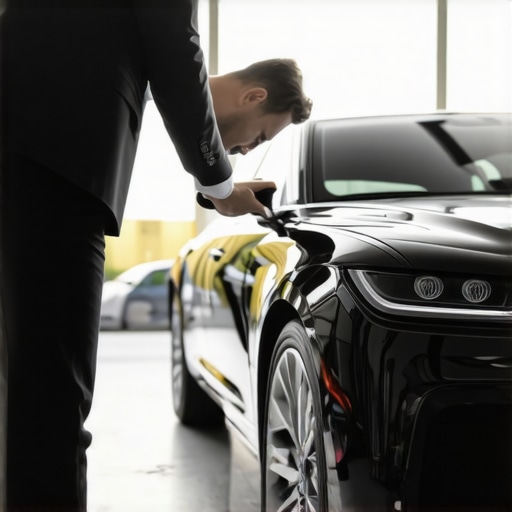
Can an Algorithm Outperform a Local Professional?
It’s a question that sophisticated travelers ask when they face tight schedules. Algorithms are great at calculating the shortest distance, but they are terrible at predicting the ‘pulse’ of a city. An automated system might tell you a trip takes 20 minutes because the road is clear, but it won’t know that a local festival just ended and will flood the streets in ten minutes. This is where why refreshing your tracking app might give you false arrival times becomes a real problem for executives. We focus on on-time arrival mastering the art of reservation and safety every hour by using human intelligence to override optimistic software.
The Hidden Cost of Point-to-Point Thinking
Many travelers try to save money by booking individual legs of a trip, but they fall into the ‘re-booking’ trap. If your first meeting runs over by fifteen minutes, your entire day of point-to-point bookings collapses like a house of cards. This is the hidden math behind why hourly chauffeurs save executives money; it isn’t about the cost per mile, it’s about the cost of the friction. I’ve seen people lose thousands in business deals because they were stuck on a curb waiting for a ‘new’ driver instead of having a car staged and ready. Don’t fall into the trap of why double-booking a backup ride is a sign of a planning failure. Instead, invest in the logistics that protect your most valuable asset: your time. Have you ever fallen into this trap? Let me know in the comments.
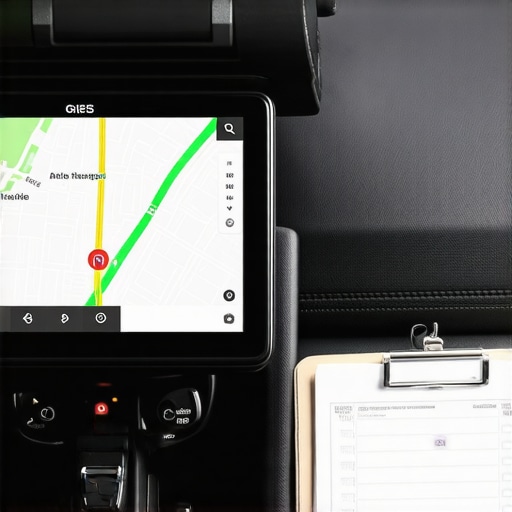
To move from “getting lucky” to “guaranteed timing,” I had to overhaul my toolkit. I realized that a smartphone is a communication device, not a professional navigation tool. That’s why I have moved toward services where why we use dedicated GPS hardware instead of smartphone apps is the standard. A phone will prioritize battery life or background apps; a dedicated unit stays locked on the satellite, ensuring that why automatic re-routing is essential for city travel happens in milliseconds, not minutes. This granular level of data is the only way to achieve on-time every time strategies for safe and reliable hourly bookings without the typical stress of urban congestion.
How do I maintain this level of service over time?
Maintaining a professional standard isn’t a one-time event; it is a weekly ritual. For me, it means a physical audit of the fleet I trust. You have to listen for the brake pad squeal you should never ignore before a long trip and verify the credentials of the person behind the wheel. The National Highway Traffic Safety Administration (NHTSA) emphasizes that preventive maintenance, specifically regarding tire pressure and brake system integrity, is the single most effective way to reduce non-driver-related mechanical failures in commercial transport. I personally check the protocol for verifying your chauffeurs permit every quarter to ensure nothing has lapsed.
Looking forward, the industry is moving toward a hybrid model. While many are chasing fully autonomous vehicles, the real winners will be those who use AI for heavy data crunching while keeping a human dispatcher to handle the “last mile” nuances. My advice? Try this today: the next time you book, ask the provider if they use consumer apps or dedicated hardware. Their answer will tell you everything you need to know about their commitment to your schedule. On-time arrival mastering the art of reservation and safety every hour isn’t just about luck anymore—it is about the tools you choose to trust.
Hard Truths About Your 4 AM Airport Dash
After years of navigating the chaos of urban transport, I’ve realized that the most reliable systems aren’t the ones with the flashiest apps, but the ones with the most robust human safeguards. Here is what I’ve learned from the front lines:
- Stop booking for ‘arrival’ time. If you need to leave at 5:00 AM, your car should be staged by 4:50 AM. Using the 3-minute buffer that saves you from missing the train is the difference between a calm walk to the gate and a frantic sprint.
- Maintenance isn’t just about the engine. When I do a spot check, I’m looking for the brake pad squeal you should never ignore before a long trip. A driver who ignores small noises is likely ignoring major safety protocols.
- Friction costs more than service fees. I used to try and save twenty bucks by booking separate legs, but I quickly learned why hourly logistics save more time than point-to-point. The ability to keep the same car and driver through schedule changes is priceless for professional productivity.
#IMAGE_PLACEHOLDER_E#
My Pro-Traveler Logistics Toolkit
I don’t leave my schedule to chance anymore. These are the specific strategies and resources I use to ensure every trip is seamless:
- Prioritize Hardware over Software: I always verify if the service uses dedicated GPS hardware instead of smartphone apps. Dedicated units don’t crash when a driver takes a phone call, and they provide far more accurate positioning.
- Audit Before You Book: Before trusting a new provider, I take two minutes to how to check a vehicles safety rating before you book your ride via official databases. It is the most effective way to separate professional fleets from hobbyists.
- Demand Real-Time Visibility: I never trust an “ETA” generated by a consumer app. I look for providers who explain why real-time vehicle data is more accurate than estimated times, ensuring I’m seeing actual location data, not an algorithm’s best guess.
Secure the Peace of Mind You Actually Deserve
Your time is too valuable to be spent staring at a spinning icon on a screen. By shifting from the “on-demand” gamble to professional reservation logic, you aren’t just buying a ride; you are buying certainty. It took me a freezing morning in Chicago to learn that on-time arrival mastering the art of reservation and safety every hour is a choice, not a coincidence. Make that choice for your next trip, and you’ll never look back.
Have you ever been stranded by a ride-sharing app at the worst possible moment? Let me know below.