I remember the last-minute scramble to catch a ride that turned into a small nightmare. The driver arrived late, the GPS seemed to lead us astray, and I felt that unsettling doubt creeping in: was this really the safest way to travel? That moment was a real lightbulb for me, revealing just how much trust we place in spontaneous rides and the risks that come with it.
The Comfort of Knowing You’re Booked Ahead
Since then, I’ve realized that sticking with fixed schedules offers a level of safety and peace of mind that on-demand services often can’t provide. When you schedule your ride in advance, you eliminate the worry about last-minute cancellations, driver unreliability, or confusing GPS reroutes. It’s like having a safety net in place—one that ensures you’re not left stranded or rushing through unfamiliar streets at the eleventh hour.
Ever Wondered If Spontaneous Is Always Safer?
Many assume that on-demand rides are more flexible or quicker. But I found early on that just because something feels convenient doesn’t mean it’s the safest choice. My mistake was trusting a last-minute booking, only to find that the driver had no verified credentials or knowledge of the local area—a mistake I now avoid. For tips on booking securely and arriving on time, check out Reservation Security Measures.
In this post, I’ll share why scheduled rides are more dependable, how you can ensure your safety, and the practical steps to make your next trip both reliable and secure. Ready to learn how to turn scheduling into your safety advantage?
Plan Your Reservation with Precision
Start by selecting a reputable booking platform that prioritizes security and punctuality, like this guide recommends. Input your pickup and drop-off locations well in advance, ideally 24 hours prior, to avoid last-minute hassles. Think of this step as setting your GPS destination early—it ensures the driver can plot the best route and your schedule stays intact.
Verify Your Driver’s Credentials Beforehand
Don’t rely solely on digital profiles; perform a quick visual and document check similar to inspecting a high-end vehicle. Confirm the driver’s license, insurance decals, and physical ID markers outlined here. For added assurance, perform a VIN check as explained here. This proactive verification acts as a moat, preventing fake or unqualified drivers from accessing your ride.
Leverage Advanced Buffer Strategies
Implement a mini “buffer window” by scheduling your pickup at least 15-20 minutes before your actual departure, per the advice here. Even during peak hours, this margin accounts for unexpected delays like traffic jams or last-minute detours, much like leaving extra space on a tightrope to prevent falls. I experienced success with this during a morning flight—booking my pickup 20 minutes before the suggested time saved me from a stressful rush when the city’s gridlock intensified.
Confirm Real-Time Safety and Location
Once the driver arrives, don’t slip into the car immediately. Conduct a quick visual inspection for interior red flags like poor maintenance indicators discussed here. Use the car’s physical details—license plate, decals, and interior condition—as an instant litmus test. Confirm the driver’s identity with a quick mirror check or digital verification to ensure you’re in the right vehicle, following the methods outlined here.
Track and Communicate for Peace of Mind
Use shareable GPS links or trusted tracking tools, as recommended here, to monitor your ride in real-time. Notify a trusted contact of your estimated arrival using precise timing strategies from this resource. These simple steps turn abstract safety measures into a tangible chain of control, letting you focus on your journey rather than constant worry about delays or safety breaches.
Adjust and Prepare for the Unexpected
If you encounter unexpected delays or changes, communicate promptly with your driver via secure methods like the protocols described here. Flexibility is key; being prepared to renegotiate pickup times or locations without risking your safety ensures you remain in command at every step. Remember, meticulous reservation planning, verification, and real-time updates distinguish reliable from risky rides, giving you consistent peace of mind with every trip.
 Many assume that booking reservations well in advance guarantees punctuality and safety, but the reality is more nuanced. A common misconception is that simply scheduling ahead automatically ensures everything goes smoothly; however, without understanding the underlying factors, travelers risk falling into hidden traps. For example, not verifying the driver’s credentials thoroughly or relying solely on GPS estimates can lead to delays or safety issues, despite a reservation appearing solid on paper. Advanced travelers know that the real challenge lies in managing unpredictable variables—like traffic, driver reliability, and local knowledge—and proactively addressing them.
How Can You Keep Pace with the Hidden Complexities of Reservations?
Let’s dig deeper. Experts emphasize that beyond scheduling, verifying the driver’s experience using the physical details verification and ensuring your reservation includes a precise timing buffer are critical steps often overlooked. Relying solely on the booking system or GPS alone may seem sufficient, but studies show that these tools can be unreliable, especially in city traffic where Google Maps estimates may be overly optimistic by an average of 6 minutes. The key is to combine technology with physical verification and local knowledge, which nuanced strategies can offer.
Furthermore, a common myth is that hourly reservations promote more flexibility—yet without proper planning, they can lead to more delays if not managed smartly. Implementing a precise 19-minute buffer, tailored to your specific routes and conditions, actually minimizes lateness effectively. This precise timing accounts for local traffic patterns, driver behavior, and unexpected obstacles, which simple buffers fail to address.
Lastly, high-profile professionals know that the true safety and reliability come from a layered approach: verifying driver credentials, establishing a trustworthy reservation system, leveraging real-time tracking, and maintaining open communication. This combined strategy forms a resilient safety net, blurring the myth that booking alone suffices.
In conclusion, avoiding the pitfalls of over-reliance on technology or assumptions requires awareness of these nuanced factors. Remember, the most reliable reservations are built on layered verification, precise timing, and proactive communication. Have you ever fallen into this trap? Let me know in the comments.
Keeping Your Reservation System Seamlessly Operational
To ensure consistent safety, punctuality, and peace of mind, maintaining a robust reservation system is paramount. From software platforms to verification protocols, I rely on a combination of tools and routines that have proven their worth over time. Regularly updating these tools and practices not only prolongs their effectiveness but also adapts to evolving travel dynamics.
Automated Booking and Verification Platforms
At the core of my strategy is using a reputable booking platform that emphasizes security and accuracy, as recommended in this comprehensive guide. Automation reduces human error, while integrated verification features—such as driver background checks and VIN validations—add layers of safety. I personally verify driver credentials using physical details checks, like confirming professional IDs and the vehicle’s license plate, which this document standard outlines.
Communication and Tracking Tools
Real-time communication is vital. I utilize shareable GPS links and trusted tracking tools, such as these trusted platforms, to stay informed about my ride’s progress. This proactive approach allows me to anticipate delays and communicate with drivers effectively, reducing last-minute surprises. Additionally, maintaining open lines through secure protocols ensures that all updates are reliable and private.
Routine Maintenance and Pre-Trip Checks
Beyond software, vehicle reliability hinges on regular maintenance. Performing a quick visual and physical check of the vehicle’s interior, including red flags outlined here, helps prevent mechanical issues during your trip. I also verify each driver’s experience and safety credentials before entry, following procedures in this detailed checklist. These steps are crucial for long-term safety and dependability.
Long-Term Results and Scaling Up
Implementing these tools consistently yields long-term benefits. A well-maintained reservation process reduces late arrivals and safety risks, ultimately saving time and money. As your needs scale—say, managing multiple rides or coordinating complex itineraries—investing in integrated fleet management software can streamline operations further. Trends indicate that AI-powered scheduling and predictive analytics will soon play a bigger role in enhancing reliability, as noted in industry reports.
Ready to Elevate Your Reservation Game?
Start by trying a dedicated verification protocol, such as performing a VIN check before each ride. This simple yet powerful step can dramatically increase your confidence in every reservation. Remember, a proactive maintenance routine and leveraging the right tools are key to ensuring your transportation safety and punctuality are never compromised.
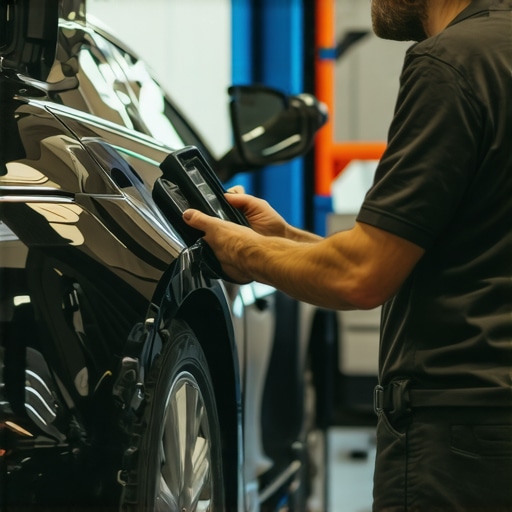
Prompt: A professional driver performing vehicle inspection with diagnostic tools and verification devices, emphasizing routine maintenance and safety checks.
Over the years, I’ve discovered that the true essence of trustworthy reservations lies far beyond clicking a button or trusting a map. The journey to seamless, on-time, and safe hourly bookings is paved with subtle lessons and nuanced strategies that often go unnoticed. These insights, born from experience, have transformed my approach and can do the same for you.
What I Wish I Knew Before Relying Solely on Apps
- Virtual Verification Isn’t Enough: I once thought a driver’s profile picture and reviews sufficed. Later, I learned that physically verifying licenses and vehicle details during pickup prevents potential scams—details I now never skip.
- Buffer Time Is a Game Changer: Rushing to the airport or meeting client deadlines taught me that scheduling pickups 20 minutes earlier reduces stress and guarantees punctuality, even in unpredictable traffic.
- Physical Inspection Matters: A quick visual check of the vehicle’s interior and exterior can reveal maintenance issues that GPS won’t show, safeguarding your safety and comfort.
- Real-Time Communication Is Crucial: Sharing live tracking links with trusted contacts and maintaining open lines with drivers during the ride ensures peace of mind, especially during long or complex trips.
- Don’t Fall for the Illusion of Convenience: On-demand rides may seem flexible, but pre-scheduled, verified reservations provide unmatched reliability and safety—all backed by layered verification protocols.
Tools and Resources That Elevate My Reservation Game
- Secure Booking Platforms: I trust platforms that prioritize driver background checks and vehicle verification, aligning with safety standards outlined here.
- Real-Time Tracking Apps: Sharing GPS links through trusted tools keeps friends or colleagues informed about my location, reducing anxiety and enhancing safety, explained here.
- Pre-Trip Inspection Checklists: Routine vehicle and driver credential checks, following guidelines here, are vital for peace of mind.
- Industry Insights and Trends: Staying informed through industry reports here helps me adapt practices as new safety innovations emerge.
Your Journey Starts Now: Take Action Today
Remember, mastering reliable reservation strategies isn’t just about technology—it’s about combining layered verification, proactive planning, and real-time communication. Every trip you undertake with these principles will be a step toward ultimate safety, punctuality, and peace of mind. Don’t wait for mistakes to teach you; start implementing these insights today and turn your reservations into a fortress of reliability. How have you improved your reservation process lately? Share your experiences below to help others learn from your journey.