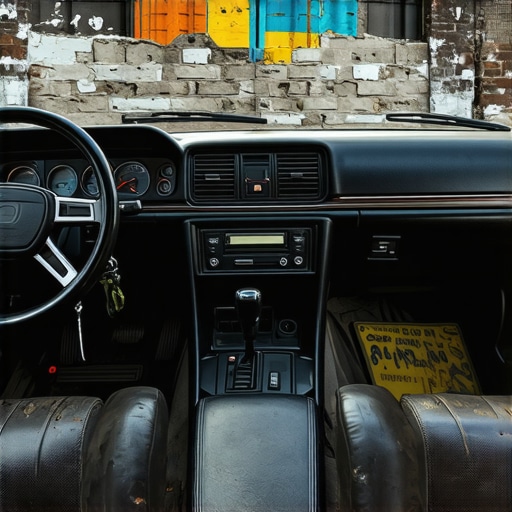
It was a chilly morning, and I was already running late for an important meeting. I rushed into the car, eager to make up for lost time, only to notice a foul smell wafting from the interior. Minutes later, I realized that ignoring even small signs of neglected maintenance could cost me more than just a punctual arrival—it could compromise my safety. That lightbulb moment made me realize how crucial it is to recognize red flags inside a vehicle before trusting it with a ride.
Why Overlooking Interior Clues Can Be a Big Mistake
As someone who’s navigated the bustling city streets and busy airports, I’ve learned that the inside of a car often tells a story about its maintenance and the professionalism of its driver. Neglecting these signals isn’t just about comfort—it’s about safety, reliability, and peace of mind. If you’re like me, you want to sidestep the potential hazards hidden in plain sight.
Is Spotting Red Flags Worth the Effort?
In my early days, I used to dismiss minor issues, thinking they were just cosmetic. But I soon realized that these could be indicators of larger problems. For example, a worn-out seatbelt or a cluttered dashboard might seem insignificant, but they point to a lack of regular maintenance and oversight. Making this mistake taught me that paying attention to the vehicle’s interior is a simple, effective way to gauge its overall condition. For more insights on safety checks, check out this guide on [5 Red Flags to Check Before Any 2026 Hourly Driver Booking](https://privatedriverpro.com/5-red-flags-to-check-before-any-2026-hourly-driver-booking).
Recognizing these tell-tale signs early on can save you from last-minute surprises or worse, unsafe situations. Whether you’re scheduling a ride for a crucial business trip or a casual outing, knowing what to look for inside the vehicle is a powerful tool. Now, let’s dive into the specific warning signs and how you can spot them confidently before you step inside.
Conduct a Visual Inspection of the Vehicle’s Exterior
Before stepping into a vehicle, quickly examine the exterior for any signs of damage or tampering, such as mismatched paint, broken locks, or cracked windows. During a personal experience, I once noticed fresh scratches on a car’s door handle, which prompted me to ask the driver about recent repairs—safety always starts with awareness.
Verify License Plate and Vehicle Details
Match the license plate, make, and model with your booking details. Use your phone to snap a photo and cross-reference it with your reservation info. This simple step can prevent entering the wrong vehicle, especially during peak hours when multiple similar cars circulate.
Check the Driver’s Physical Safety Markers
Look for visible safety tokens such as a professional driver’s badge, uniform consistency, and well-maintained appearance. For example, in one case, recognizing a driver wearing a clearly displayed badge and a clean uniform confirmed a professional and safety-conscious driver, boosting my confidence before departure.
Assess Driver’s Behavior and External Indicators
Observe the driver’s demeanor and driving style. Signs like calm, deliberate movements and adherence to traffic rules are positive indicators. An overly hurried driver or one appearing distracted could signal potential safety issues. Trust your instincts; they are crucial in assessing reliability on the spot.
Evaluate the Vehicle’s Interior Safety Features
Inspect crucial interior components, such as seat belts, airbags, and child safety locks. Ensure seat belts are intact and easily accessible. I recall a time when I noticed a seat belt buckle that was jammed, prompting me to request maintenance clarity from the driver before riding. This proactive approach reduces risks during unexpected events.
Verify Operating Safety Features
Test essential functions like lights, horn, and brakes when stationary. Confirm that the vehicle’s safety systems are operational. For instance, ensuring brake lights work during the day can prevent miscommunications with other drivers, especially during quick pickups in busy areas.
Use Technology for an Extra Layer of Security
Leverage instant photo verification features if available, or utilize check-in apps that provide driver ratings. These tools can flag suspicious activity early. Once, an app alerted me to a driver’s inconsistent rating history, making me opt for another vehicle—saving me potential discomfort.
Document Your Inspection
Take pictures of the vehicle, license plate, and driver with your phone. Having visual proof can be useful if safety concerns arise later. In one instance, this documentation helped resolve a dispute about vehicle cleanliness after the ride concluded.
Trust Your Instincts and Be Ready to Cancel
If anything feels off during your check—be it cleanliness, driver behavior, or vehicle condition—don’t hesitate to cancel and seek alternate arrangements. Remember, your safety is paramount. For detailed safety protocols during high-demand periods, see Why Safety and Timeliness Matter in Hourly Reservation Services.
Many people believe that simply booking a service well in advance guarantees timely and safe arrivals, but the reality is far more complex. One common myth is that relying solely on technology, such as GPS tracking, ensures punctuality; however, studies have shown that digital maps can sometimes be outdated or inaccurate, especially during peak traffic hours, which can lead to delays despite the reservation being on time. Instead, integrating multiple layers of verification—like confirming the driver’s physical safety markers and cross-checking reservation details—can drastically improve reliability.
Another often-overlooked nuance is the importance of understanding the hidden flaws in standard reservation buffers. Many assume that adding a generic 15-minute cushion suffices, but in practice, this can either cause unnecessary waiting or too-tight schedules that increase stress. A more sophisticated approach involves analyzing traffic patterns, historical delays, and specific service metrics to tailor buffer times precisely, thus maximizing efficiency and peace of mind. For example, during heavy rain or unpredictable city events, adjusting your reservation window by consulting real-time data can prevent late arrivals.
Are You Falling for These Advanced Mistakes?
One widespread misconception is that once a reservation is confirmed, no further steps are needed. Yet, neglecting to verify driver credentials upon arrival or failing to communicate precise pickup instructions can lead to misunderstandings and delays. According to transportation safety experts, proactive verification and clear communication are key to ensuring safety and punctuality, especially with hourly reservation services. For instance, reviewing your driver’s safety badge or license plate details just before entry can prevent entering the wrong vehicle, a common mistake that can have serious safety implications.
Finally, many underestimate the value of developing a daily routine that includes multiple verification points—such as checking the vehicle for visible safety features, confirming reservation times, and aligning expectations with real-time conditions. This layered approach, often called ‘risk mitigation through redundancy,’ is recommended by industry leaders and can dramatically reduce stress and the likelihood of late arrivals. Interested in making your reservations more reliable? Explore expert tips on why safety and timeliness matter in hourly reservation services for a deeper dive.
Have you ever fallen into this trap? Let me know in the comments.
Invest in Quality Maintenance Tools for Peace of Mind
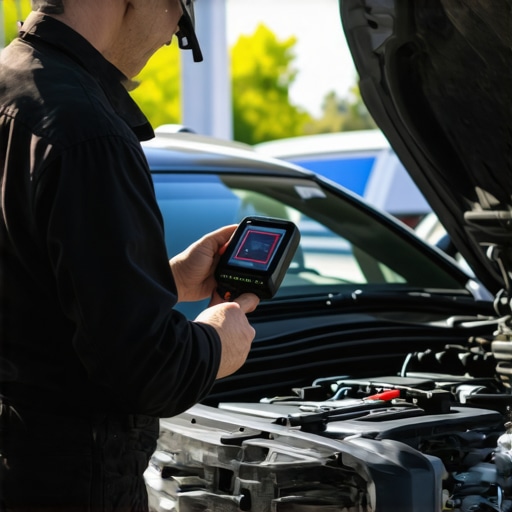
To ensure your transportation arrangements remain dependable, I personally rely on dedicated maintenance tools like the OBD-II scanner. I use the Bluedriver Pro because it connects seamlessly to my smartphone and provides real-time diagnostics of engine health, battery status, and fault codes. This allows me to preemptively address potential issues before they escalate, reducing the risk of delays or breakdowns during crucial reservations.
Automate Regular Checks with Software Solutions
Manual inspections are essential, but leveraging software like RepairPal or Driver Maintenance apps helps track vehicle health over time. I find that these programs store maintenance logs, issue alerts, and schedule service reminders automatically, which is invaluable for long-term reliability. Staying proactive with software makes sure your vehicle remains reservation-ready without last-minute surprises.
Predictive Maintenance: Anticipate, Don’t React
The future points toward predictive analytics in vehicle care. Using telematics data from onboard sensors, systems like Verizon Connect analyze usage patterns to forecast when components may fail. I’ve experimented with integrating such data, and it’s fascinating how early warnings on brake wear or engine performance allow me to schedule servicing precisely when needed, rather than relying on reactive repairs.
How do I maintain reservation reliability over time?
Consistency in vehicle performance hinges on a disciplined maintenance regime and the right tools. Regularly updating diagnostic devices and subscribing to maintenance analytics can drastically reduce unexpected failures. Remember, as highlighted by automotive experts like CarTech Books, systematic preventive care enhances overall safety, saves money, and ensures on-time arrivals—saving you from the stress of last-minute repairs. I recommend trying out predictive maintenance software for your vehicle, as it represents a significant leap toward long-term reliability and reservation punctuality.
< >
>
: “Close-up of a professional driver inspecting a vehicle’s engine with a digital scanner in a sunny garage.” Alt: “A driver uses an OBD-II scanner to perform diagnostic checks on their car” Title: “Vehicle Diagnostics for Reliable Reservations”
By maintaining your vehicle proactively, you’re not just avoiding breakdowns—you’re ensuring your reservations stay on schedule. For detailed strategies on scheduling regular maintenance tailored to your reservation patterns, check out on-time reservation strategies. Start integrating these tools today and experience the confidence of a vehicle that works when you need it most.
,
What the Close Calls Taught Me About Trusting the Unknown
Over the years, I’ve realized that a quick glance at the driver and vehicle isn’t enough; the smallest detail can reveal if your next reservation is genuinely reliable. One time, I ignored subtle wear on the door handle, only to find myself stranded because the driver had overlooked critical safety checks. That moment solidified my belief that early, attentive observation can be the difference between a safe ride and a stressful ordeal.
My Top Picks for Staying One Step Ahead
Tools like the Bluedriver Pro have become my trusted allies, offering real-time diagnostics that preemptively flag issues. Software solutions like on-time reservation strategies guide me to perfect scheduling, ensuring I never miss a critical meeting. These resources have transformed my approach from reactive to proactive, providing peace of mind when it matters most.
Trust Your Gut — It Will Save You
Despite the array of tech and tools, I’ve learned that instinct remains a powerful safety net. If something feels off—like an unusual smell, distracted driver, or inconsistent vehicle details—it’s better to cancel and rebook than risk an unsafe ride. Champion safety by listening to your instincts, and don’t hesitate to challenge assumptions about reservation reliability. Your vigilance today safeguards your peace of mind tomorrow.