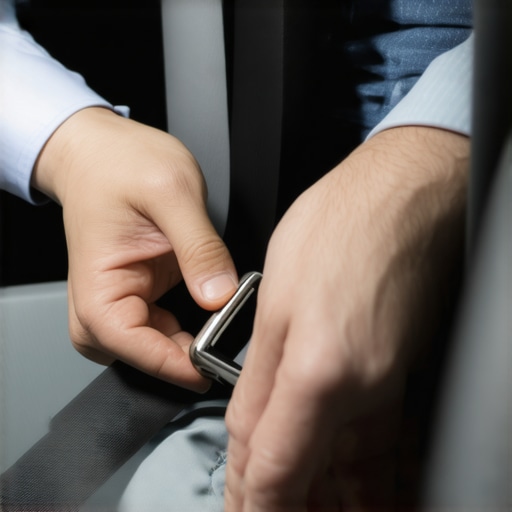
It was a chilly evening when I finally realized I had been taking unnecessary risks every time I stepped into a ride. I remember settling into the backseat, trusting that the doors would automatically lock, only to hear the unsettling click of an unlocked door as the driver accelerated onto the highway. That moment hit me like a punch in the gut—how many times had I been vulnerable without even realizing it? The lightbulb went off: I needed to take control of my safety, not just rely on the vehicle’s default features.
Why Safety Locks Are Your First Line of Defense as a Passenger
Every year, thousands of passengers find themselves in unsafe situations simply because they overlooked one simple, yet crucial habit: manually engaging the vehicle’s safety lock. I used to think that the automatic lock feature was enough—until I learned that in many vehicles, doors don’t lock automatically unless you activate the safety lock manually. The importance of this habit is underscored by accident reports showing that passengers who proactively engage their safety locks significantly reduce the risk of unauthorized or accidental door openings during transit. According to research from the National Highway Traffic Safety Administration, properly securing doors during travel can decrease injury risk in case of sudden stops or accidents.
If you’re like I was—trusting the system to keep you safe without a second thought—think again. Early on, I made the mistake of assuming old vehicles or cheaper ride options had safety locks. It wasn’t until I was in a vehicle without proper locking mechanisms that I realized how vulnerable I could be. This oversight might seem minor, but in emergency situations, it’s the quick grip of that lock that makes all the difference. Making a habit of verifying that your door locks are engaged not only adds a layer of security—it empowers you to stay in control.
Are you currently facing the challenge of remembering to lock your doors before the vehicle starts moving? You’re definitely not alone. A simple yet often overlooked step can be the difference between feeling secure and worrying at every turn. Now, I’ll walk you through exactly how to master this habit and safeguard your journeys, no matter where or when you travel.
Activate That Safety Lock Before the Vehicle Moves
When I last traveled alone, I quickly learned the importance of engaging the safety lock as soon as I entered the vehicle. Before even buckling up, I reach for the door handle and slide the lock into the “on” position. This small action is the foundation for your safety—think of it as locking your house door after entering; it keeps unwanted visitors out. To make this a habit, keep a mental checklist: check the lock, then buckle up. This way, you control your safety, not relying solely on the vehicle’s automatic features.
Double-Check Each Door’s Lock During the Ride
Develop a Routine to Confirm Locked Doors
Mid-ride, I habitually glance at each door handle to ensure the locks haven’t disengaged—especially when taking longer trips or switching drivers. This check acts as a safety deposit: it ensures your security remains intact. For instance, during a recent Uber ride, I noticed the driver opened the door for a quick stop; I promptly confirmed that the door I was in remained locked. This quick mental check prevented an accidental opening in turbulent traffic and empowered me to stay alert.
Know Your Vehicle’s Lock Features and Limitations
Not all vehicles automatically lock or have intuitive safety lock controls. Familiarize yourself with different car models—some require manual engagement, others have automatic locks, but may need activation. Think of it like knowing the different keys for various locks—once you understand how your vehicle’s system works, you avoid dangerous surprises. When booking a ride, you can also preview the vehicle type and ask the driver to activate the safety lock if it isn’t standard. For more detailed tips on vehicle safety features, visit this guide.
Communicate Clearly with Your Driver
If you notice that the safety lock isn’t engaged at the start, politely request the driver to lock the doors once you’re seated. Think of this as setting a ground rule—like in a shared project, clear communication prevents misunderstandings. Remember, courteous requests often lead to better cooperation, helping you stay safe throughout the ride. Establishing this early on ensures that both you and your driver prioritize safety.
Leverage Technology for Enhanced Security
Using reputable reservation apps, like those detailed in this resource, can offer additional safety layers. Many systems allow you to share your trip details with trusted contacts or activate real-time tracking, giving you peace of mind. Think of these tools as your personal security team—providing updates and alerts if something deviates from the plan. Always verify that your app’s security settings are enabled before starting your journey.
Prepare for Unexpected Situations
Even with all precautions, remain vigilant. If at any point you feel unsafe, don’t hesitate to ask the driver to stop at a safe location or to pull over. Keep emergency contacts accessible, and trust your instincts—your safety is worth the extra step. Remember, mastering these safety measures is an ongoing process. Consistently practicing them ensures that when moments of uncertainty arise, you respond confidently and effectively. For comprehensive safety protocols, see this detailed guide.Many users believe that booking an hourly ride guarantees punctuality and safety, but in reality, there’s a complex web of nuances often ignored. One critical misconception is that automatic features, like pre-engaged safety locks or real-time tracking, are sufficient for complete security. However, relying solely on these can be misleading because not all vehicles or services implement them consistently. For instance, some luxury vehicles have manual safety features that demand your active involvement, and neglecting to verify them could leave you vulnerable.
Another common myth is that punctuality depends entirely on the reservation system. While advanced booking increases reliability, external factors like traffic conditions, driver fatigue, or route knowledge significantly impact actual arrival times. According to a study published in the Journal of Transportation Safety and Security, even well-scheduled services can experience delays without proper contingency planning. Therefore, understanding the driver’s familiarity with alternative routes and local traffic patterns plays a vital role in achieving true on-time arrivals.
Why do some riders still arrive late despite booked hours? And how can they overcome this?
One often overlooked aspect is the importance of buffer time. Many assume that a reservation at a precise hour eliminates the need for extra minutes, but in practice, adding a 10-15 minute buffer accounts for unpredictable delays—like sudden traffic surges or last-minute route changes. This proactive approach is validated by experts in professional transportation planning, emphasizing that reserving ‘around’ the required time rather than exactly on the hour drastically improves punctuality.
Furthermore, many users underestimate the importance of confirming reservation details directly with their driver or service provider. A quick message or call can clarify special instructions, route preferences, or safety protocols. This practice not only minimizes misunderstandings but also builds rapport, making it more likely that drivers will prioritize your safety and schedule. Check out this resource for comprehensive strategies on ensuring your reservation aligns with safety and punctuality standards.
What most travelers overlook is that technology is only part of the safety equation. Real-time navigation, tracking, and automatic locking are excellent tools, but they cannot substitute for active engagement. Confirming safety features, maintaining communication, and understanding each service’s specific protocols are critical steps for a truly secure experience. Doing so transforms a mere reservation into a carefully managed process designed to safeguard your journey from start to finish. Have you ever fallen into this trap? Let me know in the comments.
Why Regular Maintenance Is the Backbone of Reliable Rides
Ensuring your vehicle remains in top shape over time requires more than just periodic visits to the mechanic. I personally swear by a systematic approach that combines both scheduled checks and real-time monitoring. Consistent maintenance isn’t just about avoiding breakdowns; it’s about preserving safety and functionality for the long haul. Routine oil changes, brake inspections, and tire rotations—done precisely as per manufacturers’ recommendations—are vital. To keep track of these tasks efficiently, I rely heavily on digital maintenance scheduling software like AutoCare. This tool sends reminders and logs all service history, preventing missed checkups that could compromise safety.
Tools I Recommend for Preserving Vehicle Functionality
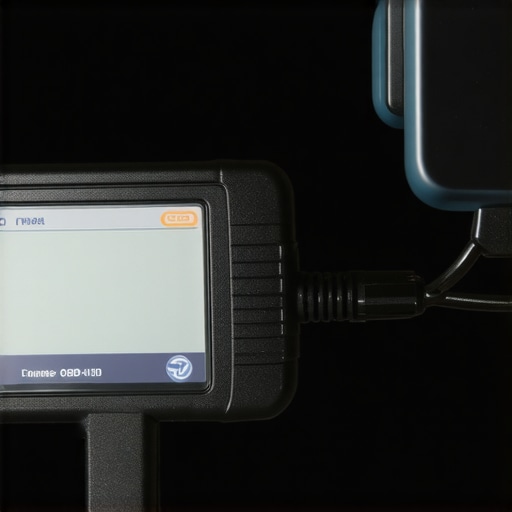
One tool I find indispensable is the FIXD Sensor, which I attach to my vehicle’s OBD-II port. It provides live diagnostics on engine health, monitors emission systems, and alerts me to potential issues before they escalate. This proactive approach saves time and money, and most importantly, keeps safety features fully operational. Additionally, I regularly use apps like Drivvo to log fuel consumption, maintenance, and repairs, giving me a comprehensive overview of my vehicle’s performance over months and years. Remember, digital logs not only aid in maintenance but can also be crucial during insurance claims or when verifying the vehicle’s history for any resale considerations.
Preparing for the Future of Vehicle Maintenance
Looking ahead, I predict the integration of AI-driven diagnostics and IoT sensors will revolutionize maintenance practices. Cars will soon self-report issues, scheduling repairs before breakdowns occur—a leap toward absolute reliability. For fleet managers or frequent travelers, investing in such connected technology will offer peace of mind and save significant costs over time. Staying ahead requires adopting new tools early, such as telematics systems that analyze driving habits and predict wear and tear, allowing for strategic long-term planning.
How do I maintain this system over the years?
Keeping your maintenance tools and practices effective over time pivots on routine calibration, updates, and staying informed about advancements in vehicle tech. Regularly updating your diagnostic apps and firmware ensures compatibility with the latest vehicle models. I also follow recommended service schedules closely and incorporate expert advice from authoritative sources like the Society of Automotive Engineers. Implementing a maintenance calendar with designated check dates helps me stay consistent and avoid slipping into neglect, which could lead to safety lapses. Remember, a well-maintained vehicle reflects your commitment to safety and reliability—invest in the right tools and habits, and you’ll enjoy worry-free travels for years to come.
The Unexpected Lessons That Changed My View on Ride Safety
One of my most eye-opening experiences was realizing how a simple safety lock could have prevented a dangerous situation. I once trusted the automatic locks, only for the driver to accelerate without ensuring I was secured. That moment was a stark reminder that relying solely on vehicle features isn’t enough; proactive habits are essential for true safety. The biggest lesson I learned is that taking personal responsibility—like manually engaging the safety lock—can be a game-changer during unpredictable moments.
My Must-Have Tools for Staying Secure on the Go
I rely heavily on digital tools to bolster my ride safety. Apps like this safety指南 provide real-time updates and trip sharing features that give me peace of mind. I also use the FIXD Sensor to monitor my vehicle’s health, ensuring that safety-critical systems function flawlessly. These tools have transformed my approach from reactive to proactive, making every journey smoother and safer.
Empowered Safety Starts with Small Wins
Implementing routines like double-checking door locks or confirming safety features might seem trivial, but they build a foundation of confidence. Over time, these habits become second nature, significantly reducing the risk of unexpected incidents. Remember, safety isn’t a one-off effort—it’s about cultivating awareness and responsibility every time you ride. By embracing these simple yet powerful steps, you take control of your safety narrative and ensure peace of mind for every trip you take.