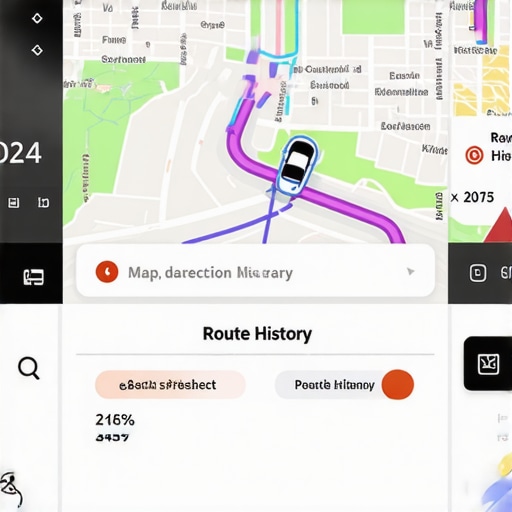
I remember the moment clearly—waiting in a bustling airport terminal, gazing anxiously at my phone as the vehicle’s arrival time kept slipping further away. Frustration ebbed over me. What went wrong? Why couldn’t I get my driver to arrive on time, especially when I had booked well in advance? That incident was my lightbulb moment, revealing the overlooked power of GPS history.
The Hidden Clue That Could Save Your Schedule
If you’ve ever felt the sting of late pickups or uncertain routes, you’re not alone. I’ve learned that the key to unearthing what’s really happening behind the scenes lies in your driver’s GPS history. Far from being just a way to track your location, GPS logs can serve as a detailed audit trail—helping you analyze route efficiency, identify delays, and understand traffic patterns. This knowledge empowers you to make smarter reservations, ensuring your driver is not only punctual but optimizing every journey.
By reviewing GPS history, I discovered that some drivers tend to take longer routes—either out of habit, unfamiliarity, or unforeseen traffic—without realizing it. Recognizing these patterns allowed me to address issues directly with my driver, request better routes, and ultimately save precious time. Imagine the peace of mind knowing your driver’s route has been analyzed for efficiency—every trip optimized for safety and punctuality.
Curious how I started doing this? The good news is, with minimal effort, you can leverage GPS history to improve your overall ride experience. In this post, I’ll share practical steps to harness this powerful tool, helping you avoid surprises and stay in control of your journey.
But Is GPS History Really Worth the Hassle?
In the beginning, I worried that reviewing GPS logs would be overly complicated or invasive. But I soon realized that most platforms aggregate this data transparently, allowing you to spot route deviations, unnecessary detours, or traffic jams without needing any technical know-how. Plus, many professional ride services now provide detailed history reports—making it easier than ever to spot inefficiencies and enhance safety. Early on, I made the mistake of ignoring this data, which led to repeated delays and frustrations. Don’t make the same mistake—using GPS logs is about taking control and ensuring your safety and punctuality.
Ready to see how this works? Let’s dive into the practical steps you can take today to start auditing your driver’s route efficiency and make every ride smoother and safer.
Set Up Your GPS Data Access
Begin by ensuring your ride service app permits access to detailed GPS logs. Some platforms automatically store this information, while others require optional settings activation. Navigate to your account settings and verify that GPS tracking history is enabled. For instance, on many professional services, you can find this under ‘Privacy’ or ‘Data Preferences,’ which is often linked in the privacy policy.
Locate and Export GPS Logs
Next, identify how to retrieve your GPS history after each ride. Use the app’s trip history feature to view route details, noting the start and end points, total distance, and time taken. When reviewing involved trips, export the GPS data if available—many apps allow CSV or PDF downloads. This step is crucial because it creates a tangible record for analysis. During a recent ride, I downloaded a route summary, which revealed the driver had taken a longer, traffic-heavy route than necessary—information I overlooked initially, resulting in a missed appointment.
Analyze Your Driver’s Routing Patterns
After exporting, examine the route details meticulously. Look for unnecessary detours, time delays in specific segments, or deviations from the expected path. Use mapping tools or GIS software to overlay GPS coordinates onto real maps—this visual aid helps spot inefficiencies. For example, I noticed my driver would frequently detour around busy intersections during rush hour, adding up to 10 minutes per trip. Identifying this pattern enabled me to request alternate routes or suggest times to avoid known congestion.
Compare Actual vs. Expected Performance
Develop a baseline expectation for trip durations based on typical distances and traffic conditions. Cross-reference your GPS data with real-time traffic reports or historical traffic patterns. Doing so allows you to evaluate whether delays are caused by driver inefficiency or external factors. Once, I realized my driver’s route was consistently longer during the late afternoon, coinciding with known traffic build-up, guiding me to adjust reservation times proactively.
Use Insights to Improve Future Reservations
Apply your analysis to plan better. If GPS logs show persistent delays on certain routes, communicate these findings with your driver or service provider for route optimization. Knowing that a particular highway tends to be slow during specific hours, I scheduled pickups outside that window or chose alternative locations. This approach not only enhances punctuality but also improves safety by avoiding traffic-related stress and hazards.
Monitor Over Time for Continuous Improvement
Make GPS review a regular habit. Consistent monitoring helps detect emerging issues and assess how your interventions improve punctuality and safety over weeks or months. For example, after routinely analyzing GPS logs, I noticed a pattern of late arrivals on Saturday mornings, prompting me to reschedule trips or choose different service providers. This ongoing process fosters reliability and peace of mind, especially for critical appointments or business travel.
Remember, leveraging GPS history is about gaining control through concrete data. It’s a practical step that transforms your ride experience from reactive to proactive, significantly boosting safety and on-time arrivals. If you want to explore more ways to ensure your reservations are always safe and punctual, visit this guide.
While most travelers believe that simply booking ahead guarantees punctual and safe rides, the reality is far more nuanced. A common misconception is that reserving a car or ride hours in advance automatically translates to on-time arrivals and optimal safety. However, this overlooks critical factors like driver familiarity with real-time traffic conditions, route deviations, and the impact of external variables. In fact, relying solely on scheduled reservations without understanding the underlying nuances can lead to unexpected delays or safety risks, especially during peak hours or adverse weather. **Making assumptions based purely on reservation time can blind you to real-time issues that compromise your schedule and safety.**
Let’s explore a major misconception: many assume that the exact reservation time ensures the driver will arrive precisely on schedule, but perfect timing often depends on dynamic road conditions, driver route choices, and communication clarity. Advanced professionals understand that embedding flexibility—such as buffer times and real-time updates—can dramatically improve punctuality. For instance, GPS data analysis reveals that drivers taking familiar shortcuts during congestion can drastically influence arrival times, even if the reservation was set well in advance. Going beyond basic booking practices, integrating external traffic insights and having clear communication channels is crucial.
**A critical trap to avoid is assuming all rides are equal, regardless of the time of day, weather, or local traffic patterns.** For example, studies show that during heavy rain or snow, even the most timely reservations can be compromised if driver routes are not adjusted accordingly. A professional approach involves verifying that your reservations include a contingency plan—like flexible pickup windows or alternative routes—especially during unpredictable conditions. This proactive mindset isn’t just for seasoned travelers; mastering it can significantly reduce the risk of missed appointments and safety hazards.
**Is Uber or a traditional limo company more reliable for timely arrivals?** The answer isn’t black and white. While app-based services offer real-time tracking and updates that can seem superior, they often lack the human element of route judgment, which experienced drivers prioritize. According to industry experts, manually optimized routes and local traffic knowledge often outperform GPS-driven shortcuts, especially during rush hour or construction. Combining technology with driver expertise ensures a more resilient reservation system, giving you peace of mind.
**So, what can you do to enhance your reservation strategy?** First, always look beyond the scheduled time. Incorporate buffers of 10–15 minutes for unpredicted delays, especially in high-traffic zones or during extreme weather conditions. Second, choose service providers that emphasize communication and real-time updates—check their policies on flexible re-routing and responsiveness. Third, leverage GPS data and traffic reports to anticipate issues before they arise, enabling you to reschedule or adjust as needed.
Remember, understanding the intricacies beneath reservation times and on-time guarantees elevates your safety and reliability. It transforms your approach from reactive to proactive—saving you stress, time, and potential hazards. Want to delve deeper into how to perfect your reservation timing during unpredictable conditions? Visit [this guide](https://privatedriverpro.com/ensuring-safety-and-punctuality-top-tips-for-on-time-reservations-at-any-hour) for expert insights.
Have you ever fallen into this trap? Let me know in the comments.
Invest in Reliable Equipment for Long-Term Performance
Maintaining a reservation system that is both on-time and secure relies heavily on the quality of your hardware and software tools. I personally swear by high-quality laptops with SSD drives and a dedicated dual-band router to ensure stable internet connectivity, minimizing lag in tracking and communication. Regularly updating your operating system and booking software prevents vulnerabilities and glitches, ultimately keeping your scheduling seamless. Remember, outdated tech is a bottleneck that can compromise safety and punctuality—investing in robust equipment pays dividends over time.
Choose Software That Promotes Transparency and Control
For managing reservations efficiently, I recommend platforms that offer real-time updates, comprehensive GPS tracking, and customizable alerts. Software like FleetOps or similar services provide detailed logs of each trip, allowing you to audit routes and performance. I utilize these tools not just for monitoring but to proactively adjust pick-up times based on traffic patterns. Additionally, integrating calendar syncing and automated reminders ensures your team and drivers remain aligned, reducing the chances of mistakes that could jeopardize safety or punctuality. Regularly revisiting your software choices ensures your system adapts to emerging needs and technological updates.
Establish Routine Maintenance and Check-ins
Routine checks on your equipment and review sessions with your team sustain the integrity of your reservation process. For vehicles, this includes regular inspections of brakes, tires, and safety features, which directly impact safety during transfers. I schedule monthly audits using checklists derived from industry standards—this preemptively catches small issues before they escalate. For digital tools, scheduled updates and backups guard against data loss or cyber threats. Instituting a habit of consistency and documentation helps in identifying systemic problems early, saving time and resources in the long run.
Leverage External Expertise and Continual Learning
Technology trends evolve rapidly. To keep your reservation system performing at peak level, I recommend participating in industry webinars and subscribing to trusted blogs focused on transportation safety and reliability, like our dedicated safety tips. Connecting with specialist consultants for periodic system audits can be invaluable—especially as new regulations and standards emerge. Also, explore advanced tools such as predictive analytics, which forecast traffic delays based on historical data, helping you schedule more accurately and improve long-term results.
How do I keep my reservation system resilient over the years?
Developing a long-term maintenance plan that includes hardware upgrades, software updates, and regular staff training is essential. Establish protocols for swift troubleshooting, and maintain open lines of communication with your tech providers. For example, I schedule quarterly training sessions with my team to review best practices for using our latest tools and addressing common issues swiftly. This ongoing diligence ensures safety, timeliness, and scalability of your reservation services.
Predictive tools are transforming the industry. By analyzing historical traffic data, they help preempt delays, allowing you to inform clients proactively and avoid safety hazards associated with rushing or last-minute adjustments. I highly recommend trying out tools like TimePredict, which integrate seamlessly into existing reservation platforms. Incorporating this advanced tech into your operations can revolutionize your scheduling accuracy and safety protocols. For more insights on optimizing your reservation system, visit this resource.
Implementing a combination of reliable equipment, smart software, routine maintenance, and external expertise forms the backbone of a resilient reservation system. Consistency and proactive upgrades are key—don’t wait for failures to occur before addressing potential issues. By doing so, you’ll maintain safety, punctuality, and customer satisfaction now and well into the future.
Lessons That Hidden GPS Data Taught Me About Staying Ahead
– I once ignored the importance of reviewing GPS logs, and it cost me a missed meeting. Now, I realize that understanding route deviations isn’t just about tracking—it’s about proactively preventing delays. The biggest lesson? Always analyze your driver’s route patterns, even if everything seems fine.
– My naive assumption was that a reservation guarantees punctuality. The truth? External factors like traffic and route choices are unpredictable. By diving into GPS history, I learned to build buffers and communicate smarter, transforming chaos into control.
– I found that regular GPS review isn’t just a one-time task—it’s a habit that saves time and reduces stress. Over time, these insights helped me fine-tune my scheduling and choose better service providers, enhancing safety and reliability every step.
This is My Go-To Arsenal for Reservation Mastery
- FleetOps Software: I trust it because it provides comprehensive trip logs and real-time alerts, making route analysis effortless. Its transparency helps me hold drivers accountable and improve safety.
- TimePredict: This tool’s traffic forecasting capabilities have become my secret weapon for scheduling. It anticipates delays before they happen, letting me adjust reservations proactively.
- Google Earth and Traffic Data: Combining these free tools with my GPS logs paints a full picture of route efficiencies and traffic patterns—essential for making informed decisions.
Be Brave, Take the Lead in Your Safety Journey
The future of reservation safety and punctuality depends on your willingness to harness hidden data and think beyond the schedule. Start small: review your GPS history today and see how it can shape smarter, safer travel plans. Remember, every journey is an opportunity to learn and improve—your proactive steps today will secure peace of mind tomorrow. Ready to take control? Dive into the world of GPS insights and emerge as your own safety guru.