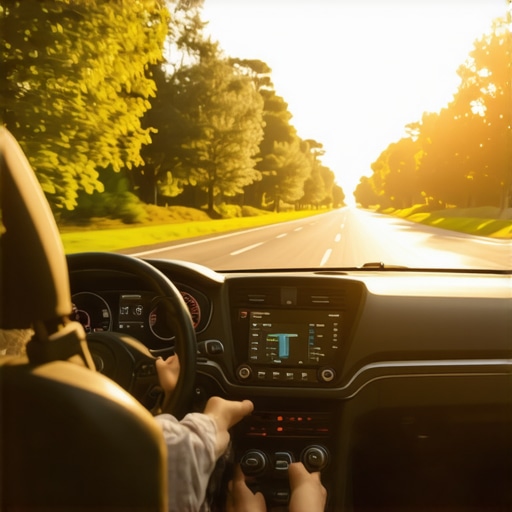
I still get a pit in my stomach when I think about that rainy Tuesday afternoon three years ago. I had booked a ride to get my daughter home from her after-school activity. The app showed the driver was ‘five minutes away,’ but the map icon was frozen. Twenty minutes passed. My phone battery was at four percent, and my child was waiting on a wet sidewalk. When the car finally arrived, the driver slammed on the brakes, apologizing because he had tried to bypass traffic using some chaotic side streets. That was my wake-up call. I realized that keeping kids safe and on time isn’t just about scheduling; it is about having eyes on the road through smart technology. The real reason your tracking link might be lagging often comes down to poor system integration, and back then, I learned the hard way that basic consumer apps just do not cut it. Today, I am going to share exactly how modern telematics keep our kids’ rides exceptionally smooth, predictable, and incredibly safe.
We Stopped Guessing and Started Measuring Driving Behavior
When we talk about transporting our children, we cannot rely on a driver simply promising to be careful. That is why we use advanced telematics to monitor driving habits in real-time. This technology tracks sudden acceleration, harsh braking, and sharp cornering. It acts like an invisible, highly vigilant co-pilot. According to a landmark study by the National Highway Traffic Safety Administration, speeding is a contributing factor in nearly one-third of all motor vehicle fatalities. By utilizing telematics, we actively prevent these behaviors before they become habits. When a chauffeur knows their cornering forces and braking distances are being logged, they drive with a level of care that completely eliminates the jerky, unsafe rides typical of standard gig-economy apps. If you want this peace of mind for your family, you can always contact us to see how we set up our vehicles.
Is all this tracking software actually worth the hype?
I get it. It sounds a bit like Big Brother is watching, and you might wonder if simple GPS isn’t already enough. But standard GPS only tells you where a car is, not how it is being driven. Telematics measures the actual health and safety of the journey. Early in my journey of organizing youth transportation, I made the mistake of thinking any highly-rated driver would naturally provide a smooth ride. I quickly learned that without hard data, ‘good driving’ is completely subjective. Telematics removes the guesswork entirely, ensuring consistent, gentle deceleration and strict adherence to speed limits. Have you ever booked a ride for your child only to worry the entire time about how safely the vehicle was actually being handled? Let me know in the comments below, because we have all been there. Our dedication to a smooth ride is also why why you should insist on a child seat reservation in advance to ensure physical safety matches our digital monitoring. By combining physical preparation with real-time data, we turn what used to be a stressful hourly reservation into a seamless, worry-free experience.
How We Implement Precise Telematics for Every Reservation
Moving away from abstract safety theories requires a concrete, multi-layered execution plan. I think of telematics as a digital nervous system. In our daily operations, we do not just install software and walk away; we actively integrate it with our dispatch desk to build an invisible safety net around every vehicle. Last winter, during a sudden freezing rainstorm, this system saved us from a major headache. One of our vehicles was en route for an hourly booking when the telematics dashboard flagged a sudden traction control event. It wasn’t an accident, but rather a micro-slip on a bridge. Because our dispatchers had real-time diagnostics on their screens, they instantly redirected the driver to a salted main road, avoiding a potentially dangerous slip. That incident proved that relying on static apps is a recipe for disaster. Real security requires active human oversight paired with live, high-frequency vehicle data.
Locking in Your Fleet with Precise Booking Windows
The first real step in securing a safe ride is mapping out the timeframe. When you set up an hourly arrangement, you are securing dedicated time where the driver is committed exclusively to your itinerary. We have learned that a successful trip is built on buffering. By utilizing why most on time drop-offs start with a 10-minute early arrival, we eliminate the rush that causes erratic driving. This buffer guarantees that the chauffeur is already parked, composed, and familiar with the immediate surroundings before your child even walks out the door. 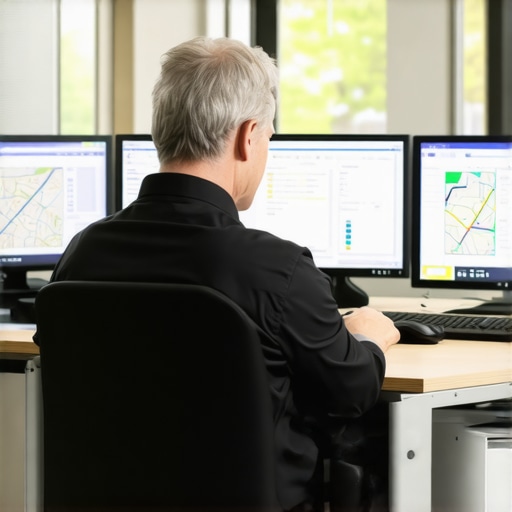
How Local Road Knowledge Beats the GPS Algorithm
We have all seen GPS apps suggest chaotic side streets to save a single minute. For a professional chauffeur, this is unacceptable. True punctuality relies on local expertise rather than automated routing. Understanding the difference between a driver who follows maps and a local pro is what keeps our routes predictable. A local professional knows which school zones bottleneck at 3:00 PM and which intersections become hazardous during rain. By combining this human expertise with telematics, we establish predetermined safe corridors. If a driver attempts to deviate onto an unvetted shortcut, our dispatch system immediately flags the deviation. This protocol ensures that your child is never taken down unfamiliar, poorly lit side streets just to chase an algorithmic ETA. This level of precise scheduling is also why we emphasize on time every time strategies for safe and reliable hourly bookings to keep busy family calendars running smoothly.
Securing the Data Stream from Prying Eyes
Another critical but often overlooked step is how the vehicle’s tracking data is handled. Standard ride-hailing apps broadcast vehicle locations over semi-public networks, creating digital vulnerabilities. To protect your family’s privacy, we treat location data as highly confidential. Knowing how to ensure your real-time tracking link is only seen by friends and authorized family members is central to our security protocol. We use encrypted, single-use tracking links that automatically expire the moment the ride is completed. This means no leftover digital footprint is floating around the web, and your child’s daily routine remains completely private.
The Great Efficiency Illusion in Luxury Group Logistics
Many parents and executive assistants believe that booking a series of individual point-to-point rides is the most efficient way to manage a tight schedule. It makes logical sense on paper: you only pay for the exact minutes you are moving. However, in my years of managing high-stakes transport, I have found that this approach is actually a dangerous trap. When you book consecutive individual trips, you inherit a massive compounding risk. If your first meeting runs over by just five minutes, your second driver cancels, your third ride faces surge pricing, and your entire day collapses like a house of cards. Relying on consecutive bookings creates what logistics experts call ‘cascade failure’—where one small delay ruins the entire sequence. Embracing how hourly rates eliminate the stress of traffic jams is the only genuine way to insulate your schedule. By securing a dedicated vehicle for a block of time, the chauffeur remains exclusively yours, absorbing any schedule fluctuations without penalty. This is why experienced coordinators know that why point-to-point booking fails for executive roadshows and complex family schedules alike.
Are you accidentally trusting a broker instead of a fleet?
This is the single biggest ‘oops’ factor in the private transport industry today. Many sleek, high-end websites look like dedicated local services but are actually national brokers who bid your ride out to the lowest-priced gig driver they can find. This represents a massive security and punctuality risk. To protect your family, you must learn the security risks of booking a ride through a third-party broker before handing over your credit card. According to transit safety guidelines from the Federal Motor Carrier Safety Administration, unvetted third-party contractors consistently fail to meet basic commercial safety baselines. A true professional service owns its vehicles, employs its chauffeurs, and utilizes integrated telematics. Have you ever fallen into this broker trap thinking you booked a premium local service? Let me know in the comments below. To keep your logistics flawlessly on track, I highly recommend adopting on time every time strategies for safe and reliable hourly bookings. If you want to see how a truly dedicated, non-brokered fleet operates with complete transparency, please feel free to contact us at any time.
The Maintenance Stack That Keeps Our Promises From Breaking Down
When you run a dedicated family transit operation, the absolute worst-case scenario isn’t just a late arrival; it is a mechanical failure with a child in the backseat. To prevent this, we do not rely on standard mileage-based checklists or wait for a warning light on the dashboard. I personally manage our fleet maintenance schedule using real-time OBD-II (On-Board Diagnostics) telemetry, specifically leveraging the fleet tracking suite from Samsara. This software doesn’t just read engine codes; it monitors battery voltage drops, brake pad wear indicators, and tire pressure fluctuations in real-time. If a battery dips below 12.2 volts overnight, the system flags our chief mechanic before the vehicle is even scheduled for its first morning run. This level of preventative action is the secret behind on-time arrival mastering the art of reservation and safety every hour.
How do I maintain vehicle health and safety over time?
Consistency is the enemy of complacency. The key to long-term safety is establishing strict daily and weekly verification loops. Every single morning, our chauffeurs perform a physical, five-point pre-trip inspection before they turn the ignition. They verify fluid levels, physically check tire tread depths with a digital gauge, and clean all external camera lenses. This ensures that the advanced driver assistance systems (ADAS) operate at peak efficiency. We complement these daily driver checks with a weekly deep-dive diagnostic scan. By staying obsessed with these micro-details, we ensure that every hourly reservation runs with military precision, keeping your loved ones secure on every single mile. 
The Future of Family Transit: Where Smart Security is Heading
We are on the cusp of a major shift in how youth transport is managed. In the next three to five years, I expect to see predictive AI algorithms completely replace standard routing. Instead of reacting to traffic jams as they happen, systems will analyze years of regional traffic data alongside real-time weather feeds to predict bottlenecks twenty minutes before they form. Furthermore, automated biometric verification is set to become the gold standard. We are already researching secure, encrypted proximity sensors that confirm your child is in the correct vehicle without them ever needing to pull out a phone. If you want to experience how this blend of high-tech tracking and professional care can transform your weekly schedule, I highly recommend adopting stay secure and punctual the essential hourly reservation tips for timely service today. Try setting up your next reservation with an explicit ten-minute buffer, and watch how the stress of the afternoon rush completely melts away.
What Standard Transport Agencies Won’t Tell You About Real-Time Safety
Many private transit operations promise safety as a marketing buzzword, but true safety is engineered behind the scenes. The hardest lesson I learned is that relying on standard background checks is only a baseline; it doesn’t guarantee how a vehicle is operated once it leaves the curb. True safety requires active monitoring. I have found that tracking driving patterns in real-time is the only way to eliminate dangerous behaviors before they become habits. When you book a dedicated vehicle, you deserve to know that the team handling your schedule is actively reviewing safety telemetry, not just waiting for an accident to happen. Discovering why safety and timeliness matter in hourly reservation services completely shifts your perspective from seeing transit as a simple ride to viewing it as a comprehensive protective envelope for your family.
The Critical Tools I Trust to Keep My Family Secure on the Road
To keep our vehicles running with absolute precision, we do not rely on standard retail tools. Here is the exact technology stack I recommend looking for before you book any premium transit service:
- Samsara Fleet Telematics: This is the gold standard for real-time diagnostics and driving behavior analysis. It tracks everything from tire pressure changes to micro-slips on icy roads.
- Encrypted Single-Use Tracking Links: We avoid public sharing systems. I highly recommend learning how to test the accuracy of your real-time tracking link to ensure your family’s coordinate data is never exposed.
- OBD-II Smart Scanners: We use physical hardware to run automated daily vehicle health checks, preventing mechanical breakdowns before they can disrupt your timeline.
Embracing the Peace of Mind That Comes with Real-Time Oversight
Moving away from the chaos of standard on-demand apps isn’t just about showing up on time; it is about reclaiming your mental space during the busiest parts of the day. When you secure a dedicated vehicle, you are investing in a seamless operation that actively adapts to local traffic, bad weather, and schedule changes. By choosing an elite service that combines human expertise with live telematics, you ensure your loved ones remain safe, comfortable, and punctual. If you are ready to experience this level of precision for your next journey, you can always contact us to secure your reservation today. Our team is dedicated to safety precision the key to reliable hourly reservations for peace of mind so you can focus on what matters most.