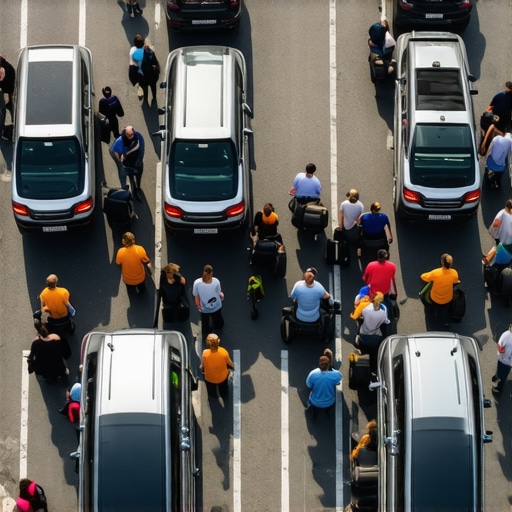
I was standing on the curb at JFK, juggling three different phones while my aunt tapped her foot impatiently and six oversized suitcases threatened to roll into the path of a passing bus. I’d told everyone I had it under control. “Just use the apps,” I said. “It’ll be fine,” I promised. Ten minutes later, one driver had canceled, another was three miles away in the wrong terminal, and my cousin was texting me from a different level entirely. It was a total nightmare of logistics and frayed tempers. We didn’t just need rides; we needed a synchronized mission. That day, I learned the hard way that the hidden costs of multiple ride-hailing requests vs hourly hire aren’t just financial—they are deeply emotional and exhausting.
I’ve spent the years since that airport disaster perfecting the art of moving crowds without the chaos. My biggest mistake early on was assuming that modern technology would bridge the gap created by poor planning. I thought four separate drivers would magically arrive at the same door at the same time. Spoiler alert: they didn’t. One driver took a “shortcut” through a construction zone, and another simply stopped responding to the map altogether. Today, I am going to show you how to move a large group without losing your mind or your deposit. We are going to dive into the specific protocols that ensure every car hits the curb in a choreographed dance rather than a bumper-car rally.
[image_placeholder_1]
The Night My Family Reunion Nearly Ended in an Airport Parking Garage
The secret isn’t just booking more cars; it’s about the communication architecture you build before the first engine starts. When you are coordinating a fleet, you have to account for the fact that the difference between GPS routing and professional road knowledge can mean a twenty-minute gap between the first and last car’s arrival. I once had a group split across three vehicles where the lead car arrived on time, but the trailing two were stuck behind a parade I didn’t know was happening. That is why I now insist on a central point of command.
Does coordinating five cars really matter for a short trip?
You might think you can just wing it for a twenty-minute drive to a hotel or a wedding venue, but let me tell you, that is exactly where the wheels come off. According to a report by the Global Business Travel Association, nearly 40% of group travel delays are caused by ground transportation friction. When you have a dozen people waiting on one stray vehicle, the entire schedule for the day collapses. By shifting to a mindset where most on-time drop-offs start with a 10-minute early arrival, you create a buffer that protects the group’s collective sanity. I’ve found that the strategic way to schedule hourly rides for wedding logistics or big corporate retreats isn’t just about the vehicles—it’s about the precision of the pickup window. Have you ever been the one left standing on the curb while the rest of your group drove away because your specific car couldn’t find the entrance? It’s a lonely, frustrating feeling. I am here to make sure that never happens to your group again by showing you how to lock in why your reservation needs a specific terminal door number to avoid the ‘where are you’ phone tag. Let’s get into the practical steps of building a multi-car plan that actually works.To stop the bleeding of time and money, you have to move from a reactive ‘hope they show up’ model to a proactive reservation system. The first thing I do now is ditch the individual apps for a single, unified itinerary. When you book a fleet on an hourly basis, you aren’t just paying for the miles; you are paying for the driver’s availability to wait for you. This is why hourly rates save more than money for business travelers—they buy back your focus and eliminate the stress of searching for a car while your luggage sits on the curb. I remember a chaotic Wednesday in Chicago where I had three separate executives landing at O’Hare within forty minutes of each other. In my early days, I would have had three separate apps open, sweating as the ‘5 minutes away’ message turned into twenty. Instead, I set up a fixed-loop schedule. By having the same drivers dedicated to our group, we bypassed the surge pricing and the ‘driver cancelled’ lottery. This works because why the best drivers prefer fixed schedules over on-demand pings is simple: they want stability just as much as you do.
Lock in One Fixed Schedule to Kill the App Chaos
Once you have the vehicles reserved, you need to manage the ‘arrival gap.’ I’ve found that the buffer rule that actually prevents tardy starts is non-negotiable. I call it the 12-minute cushion. For every pickup, the driver must be on-site and in position twelve minutes before the first passenger is scheduled to walk out. This isn’t just about being early; it’s about the psychological relief of seeing that ‘I am here’ text before you even reach the baggage claim. 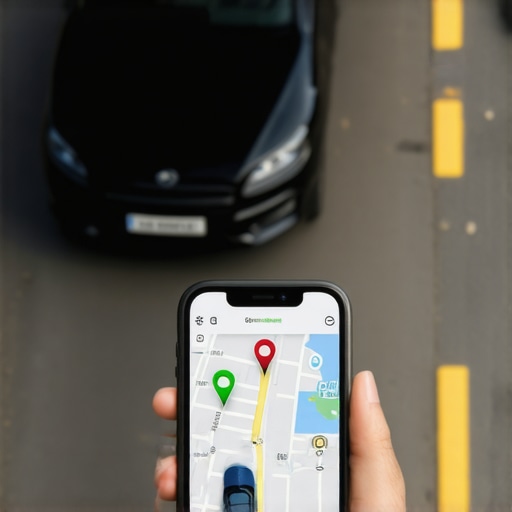
Audit the Driver Without Being a Jerk
Safety isn’t just a buzzword; it’s a checklist. When your group’s cars arrive, don’t just jump in. You need to verify that you aren’t getting into a ‘ghost car.’ I always perform a the 3-point door handle check every passenger must perform and quickly scan for commercial identifiers. You can easily learn 7 tactics to verify your drivers commercial license in seconds without making the interaction awkward. I usually just ask, ‘Hey, just for my records, can I see the commercial tag?’ while I’m loading my bag. If they are professionals, they will expect this. If they get defensive, that’s your cue to find another ride. This is especially vital when you are reserving your spot how to guarantee safety and punctuality 24/7 for a late-night arrival where visibility is low.
How to Handle the Mid-Route Pivot
Even the best plans hit a snag. Maybe the restaurant is closed, or a meeting ran over. One of the biggest advantages of a professional hourly booking is that you can adjust on the fly. You need to know how to modify your trip mid-route without penalty fees so you aren’t hit with ‘re-booking’ charges every time you change your mind. I once had to reroute a 5-car motorcade in downtown Houston during a flash flood. Because we were on an hourly contract, the drivers followed my lead via a central dispatch link rather than individual GPS units trying to fight the traffic. This level of control is why safety and timeliness matter in hourly reservation services. You are the captain of the ship, and the drivers are your crew, not just random contractors following a digital line. I also use sharing your location the safest way to alert your team to keep everyone on the same page. If you have four cars, you should have four live links sent to one coordinator to ensure the accuracy test for modern live tracking links keeps the whole group synced.People often assume that ‘on-time’ is a binary state—you either are, or you aren’t. But in the world of high-stakes logistics, if your car is arriving at the exact minute of the reservation, you’ve already failed. I see travelers all the time chasing the lowest price, thinking a car is just a car. However, the real cost of choosing the cheapest reservation available usually manifests as a driver who is overbooked and rushing, which nukes your safety margin. I’ve learned that why on-time performance depends on local knowledge over GPS is the hill most ‘efficient’ travelers die on. A computer doesn’t know that the left lane on the bridge floods when it drizzles; a pro does.
Your App is Lying About the Arrival Time
We have become addicted to the little car icon dancing on a screen, but that digital animation is often a mask for chaos. You have to realize the real reason your apps ETA is often over-optimistic: algorithms are designed to keep you from canceling, not to provide an absolute truth. This is why your estimated arrival time is not a guarantee of service. I once watched an executive lose a multi-million dollar contract because he trusted a ‘3-minute away’ notification that was actually a driver stuck in a one-way alley. If you aren’t building in a manual buffer, you are gambling with your reputation. 
The Hidden Trap of Third-Party Booking Engines
One of the biggest ‘oops’ factors I see with group organizers is the broker trap. You find a sleek website, enter your details, and assume you’ve hired a company. In reality, many of these sites are just lead generators. This introduces the security risks of booking a ride through a third-party broker where your personal data—and your physical safety—are handed off to whoever takes the lowest bid. When you work directly with a dedicated service, you can perform the stealth way to confirm your driver is not fatigued by simply checking their logs and consistency.
Why does your driver’s local knowledge beat a satellite every single time?
It comes down to predictability. A 2023 study by the Texas A&M Transportation Institute found that ‘buffer time’—the extra time travelers must add to their trips to ensure on-time arrival—has increased by 15% in major urban areas due to unpredictable congestion that standard GPS fails to model in real-time. This is why I still swear by the 12-minute rule for international airport pickups. It’s not just a suggestion; it’s the only way to counteract the ‘phantom traffic’ that algorithms can’t see coming. Have you ever fallen into the ‘cheap booking’ trap only to be left stranded? Let me know in the comments.To move from surviving a single trip to mastering a lifetime of travel, you have to look at the tools you use to keep the machine running. I stopped manually typing addresses into apps years ago because human error is the number one cause of missed connections. Now, I rely on automation to do the heavy lifting. The first step in any long-term maintenance strategy is learning how to sync your calendar directly with your chauffeur. This eliminates the ‘oops, I told you 4 PM but meant 5 PM’ disaster. When your itinerary and the driver’s dispatch system share a single source of truth, you stop being a dispatcher and start being a passenger again.
Safety at scale also means moving away from the convenience of your personal phone settings. If you are handling travel for a team or a family, why you should never use a personal app for corporate safety becomes obvious the moment a driver goes off-grid. Personal accounts lack the oversight needed for group accountability. I’ve seen groups get separated across a city because they were all using different platforms with different safety standards. By consolidating into a single professional portal, you ensure everyone is protected by the same rigorous background checks and commercial insurance. We even took it a step further in my circle; the move to secure payments why we stopped taking cash was a game-changer for auditing and personal security, ensuring no one is ever fumbling with a wallet in an unfamiliar neighborhood.
Stop Managing Rides and Start Managing Your Time
The future of this industry is moving toward hyper-predictability. According to the 2024 INRIX Global Traffic Scorecard, urban congestion has become so volatile that standard GPS systems are now regularly underestimating arrival times by as much as 22% during peak windows. This is the math behind why hourly bookings save money during peak hours—you aren’t paying for the time spent in traffic; you are paying for the driver to have already accounted for it. If you have a multi-stop day, I highly suggest you adopt the protocol for booking multi-city executive travel to maintain a consistent standard across different time zones.
How can I keep my travel logistics running smoothly for years?
Consistency is built on a foundation of professional expectations rather than luck. I recommend performing a quarterly audit of your booking habits. Are you still falling for ‘surge’ traps, or have you locked in a relationship with a service that understands your needs? The ultimate goal is to reach a point where the only way to ensure your 4 am ride actually shows up is a system that has been tested and verified over dozens of successful pickups. I expect that in the next few years, AI-driven predictive dispatching will make ‘on-time’ an absolute certainty, but for now, the best tool in your kit is a dedicated, hourly reservation. Try this one advanced tip: set up a ‘ghost’ calendar event ten minutes before your actual departure and sync it with your driver’s portal. It creates a natural buffer that makes even the most stressful morning feel like a breeze.
The Truth About Why Hourly Bookings Beat the App Lottery
Over years of coordinating high-stakes travel, I’ve realized that the app lottery is a gamble you eventually lose. My biggest lightbulb moment was when I stopped viewing transportation as a commodity and started seeing it as an insurance policy for my schedule. Here is what I’ve learned from the front lines:
- The 12-minute rule is non-negotiable. If you aren’t aiming for that buffer, you’re inviting stress into your day. On-time every time strategies for safe and reliable hourly bookings are built on this exact margin of error.
- Technology is a tool, not a savior. A GPS doesn’t know about local road closures or the nuances of airport terminal construction. Real human expertise is the only way to achieve safety precision the key to reliable hourly reservations for peace of mind.
- Accountability changes everything. When a driver knows they are booked for the afternoon rather than a 10-minute dash, their entire approach to your safety and comfort shifts.
My Personal Ground Transport Pre-Flight Ritual
I don’t leave my arrival to chance, and neither should you. Here are the three pillars I use to ensure every trip goes off without a hitch:
First, I always how to sync your calendar directly with your chauffeur so there is no manual entry error. Second, I take thirty seconds to how to vet a chauffeur service before your first ride to ensure I’m dealing with a licensed professional. Finally, I use the checklist for verifying a luxury sedan before boarding to make sure the vehicle meets the standards my family or clients deserve. These small habits are the difference between a nightmare and a breeze.
Take Back Your Peace of Mind on the Road
The transition from stressful on-demand chasing to a calm, managed schedule is one of the best gifts you can give yourself as a traveler. You deserve to walk out of that airport or office knowing that your ride is waiting, your safety is prioritized, and your time is respected. By mastering on-time arrival mastering the art of reservation and safety every hour, you aren’t just getting a ride—you’re getting your day back. I’ve seen it transform the way my clients travel, and I know it will do the same for you. Have you ever been left stranded by a ride-hailing app when you had a flight to catch? Let me know your experience in the comments below!