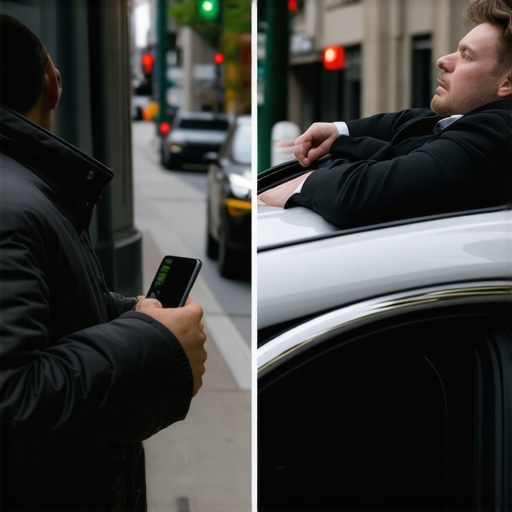
I was standing on a humid street corner, clutching my laptop bag, watching the ‘3 minutes away’ icon on my phone screen magically turn into a ‘Driver Cancelled’ notification for the fourth time in twenty minutes. My meeting started in ten. By the time a car actually arrived, the surge pricing had tripled, and I arrived at my destination sweating, frustrated, and thirty minutes late. That was the day I realized that the convenience of on-demand apps is often an expensive illusion. We have been conditioned to think that booking five separate rides is cheaper and easier than hiring a professional for the afternoon, but the math—and the stress—simply doesn’t add up. Today, I want to show you how to stop gambling with your schedule and why switching to a dedicated vehicle is the secret weapon for anyone who actually needs to be on time for every reservation.
Is the ‘cheaper’ ride-hailing app actually draining your bank account?
One of the biggest mistakes I made early in my career was assuming that $15 here and $20 there was more economical than a flat hourly rate. I didn’t account for the ‘wait-time tax’ or the fact that the real reason your app’s ETA is often over-optimistic is because it ignores the human element of traffic and driver cancellations. Have you ever found yourself stranded between meetings, watching your phone battery die while you pray for a nearby driver? If so, you’re not alone. According to research from the MIT Senseable City Lab, ride-hailing vehicles spend about 40% of their time ‘deadheading’ or circling without passengers, which directly contributes to the unpredictability and surge pricing we all hate.
The Hidden Chaos of Stringing Trips Together
When you book multiple individual rides, you are essentially re-rolling the dice on your safety and punctuality every single time you step out the door. I’ve learned the hard way that the math behind why hourly bookings save money during peak hours is undeniable once you factor in the value of your own time. With a dedicated driver, the car is already there. There is no ‘searching for driver,’ no surge surprises, and no awkward ‘where are you?’ phone calls. Using a professional service means you can stay secure and punctual without the mental load of managing a logistics puzzle on your phone. We’re going to dive into the specific ways you can vet these services to ensure you’re getting the reliability you deserve.
Stop playing the ETA lottery
The first thing you have to do is shift your mindset from ‘on-demand’ to ‘reserved.’ Think of it like a restaurant: you can stand in line for forty minutes hoping for a table, or you can have a booth waiting for you the moment you walk in. When you transition to hourly service, you aren’t just buying a ride; you are buying a block of a professional’s time. I remember a particularly messy afternoon in Seattle when I had four back-to-back investor meetings across the city. Instead of fighting for a car in the rain, I used a dedicated driver. Because we had a fixed schedule, he knew the side streets to avoid the Interstate 5 crawl. This is why why on-time performance depends on local knowledge over GPS. He wasn’t following a blue line on a screen; he was following years of experience.
Verify the credentials or stay on the curb
Safety isn’t a ‘vibe’—it’s a paper trail. Before you even think about opening the car door, you need to know who is behind the wheel. Last year, I almost hopped into a car that looked the part, but something felt off. The driver didn’t have a visible badge. I took ten seconds to ask for his commercial permit, and he went pale. Turns out, he was a ‘ghost’ driver using a stolen account. Now, I always use 7 tactics to verify your driver’s commercial license in seconds before I put my luggage in the trunk. It sounds paranoid until you realize that a real professional will expect you to check. You should also take a moment to vet a chauffeur service before your first ride by checking their online presence and insurance status. 
The golden buffer rule for absolute punctuality
If you need to be somewhere at 9:00 AM, and your GPS says it takes 20 minutes, booking for 8:40 AM is a recipe for disaster. The pros use what I call the ‘Twelve-Minute Cushion.’ You want your driver on-site at least twelve minutes before your wheels-up time. This accounts for the elevator being slow, the last-minute ‘where are my keys?’ panic, and the slow-moving truck blocking your driveway. Implementing the buffer rule that actually prevents tardy starts changed my life. I stopped rushing and started arriving with enough time to actually grab a coffee and breathe before my meetings. It’s about creating a margin of error so that external chaos doesn’t become your personal crisis.
Spot the digital red flags before you pay
Your security starts the moment you open the booking page, not just when you get in the car. I once nearly lost $200 to a site that looked identical to a major car service but lacked the lock icon in the URL bar. Always check how to spot a secure payment portal before you book to ensure your credit card data isn’t being harvested. If a site asks for your PIN over the phone or uses a suspicious email header, walk away. A legitimate service will prioritize your data as much as your physical safety.
Most people think that the fastest way to get across town is to find the shortest route on a GPS and floor it. In my experience, that is the quickest way to end up stuck behind a garbage truck on a one-way street. The real nuance that veterans of the industry understand is that consistency beats speed every single time. This is why consistent arrival times matter more than the shortest route. Professional drivers often choose a path that is three miles longer but has zero stoplights or construction zones because the predictability of that route is worth its weight in gold. According to the Texas A&M Transportation Institute’s Urban Mobility Report, the ‘Planning Time Index’—which measures the total travel time you should allow to ensure on-time arrival—is a much more accurate metric for success than average speed.
The blue line on your phone is lying to you
We’ve become so reliant on technology that we’ve forgotten its limitations. Advanced riders know that the difference between GPS routing and professional road knowledge can mean the difference between making a flight and watching it take off from the tarmac. An algorithm doesn’t know that a local high school lets out at 3:10 PM, creating a gridlock that doesn’t show up as ‘red’ on the map until it’s too late. This is why manual dispatching still beats AI for real-time accuracy. A human dispatcher can see the patterns that a computer ignores, ensuring you guarantee safety and punctuality 24/7 by anticipating the world outside the screen.
Why does your tracking link lag by thirty seconds right when you need it most?
Here is the ‘oops’ factor that ruins a dozen reservations every day: the digital lag. Most passengers wait in their office until the little car icon on their phone is right in front of their building. However, you need to understand why your real-time tracking link might have a 30-second lag. By the time the icon arrives on your screen, the driver has often been idling for nearly a minute, potentially blocking traffic or risking a citation. If you want to stay reliable with hourly bookings, treat the tracking link as a general guide, but be at the curb three minutes before the app says the car is there. 
Safety is about documentation not aesthetics
Another common myth is that a clean, expensive-looking car is inherently a safe one. I’ve seen ‘luxury’ vehicles that were mechanically unsound and lacked the proper filings. You must know how to verify commercial vehicle tags before you step inside. A legitimate service won’t just have a shiny coat of wax; they will have the specific plates and permits required by your city’s livery commission. Furthermore, don’t just trust a ‘verified’ badge on a screen. Use the specific driver verification move that prevents identity theft: ask the driver who they are picking up before you give them your name. This forces them to prove they have the actual reservation data. Have you ever fallen into the trap of jumping into a car just because it looked the part? Let me know in the comments. Mastering on-time arrival and safety is about looking past the surface and understanding the logistics that keep the wheels turning.
I’ve spent a decade refining the ‘how’ of my travel, and the secret isn’t just hiring a guy with a car. It’s the ecosystem you build around it. My number one recommendation is to stop relying on manual communication. If you want to stay secure and punctual, you need to learn how to sync your calendar directly with your chauffeur. This eliminates the human error of typing ‘123 Main St’ when you meant ‘123 Main Ave’. I’ve seen executives miss million-dollar opportunities because of a single character typo in a text message. By using a direct integration, your driver’s dispatch system pulls the location data straight from the source. It’s the same reason why fixed schedules beat real-time AI during rush hour; you are relying on a predetermined, verified plan rather than a frantic, on-the-fly calculation.
How do I maintain this level of precision for every single trip?
Reliability isn’t a one-time event; it’s a maintenance schedule. I’m not just talking about the car—though checking the one physical marker that proves a vehicle is well-maintained is a non-negotiable habit for me. I look at the tire sidewalls. According to the National Highway Traffic Safety Administration (NHTSA), rubber degradation can occur from the inside out, significantly increasing stopping distances even if the tread is deep. If a driver is diligent enough to check the DOT date code on their tires, they are diligent enough to be ensuring safety first during your 4 AM airport run. You also need to keep your own ‘digital car’ clean. I perform a quarterly audit of my booking apps to spot a sketchy ride booking site before you pay, clearing out any third-party brokers that might have snuck into my history.
Stop trusting your airline’s arrival notification
If you are traveling, the tools you use for the ‘last mile’ of your trip are critical. I use specialized flight tracking apps to monitor the actual tail number of my inbound plane. This allows me to see if my aircraft is stuck on a taxiway three states away before the airline even admits there’s a delay. Armed with this data, I can modify my pickup window without losing my reservation or incurring a ‘wait time’ fee. This is the difference between an amateur who gets ‘ghosted’ by their driver and a professional who has the car waiting the second they clear customs.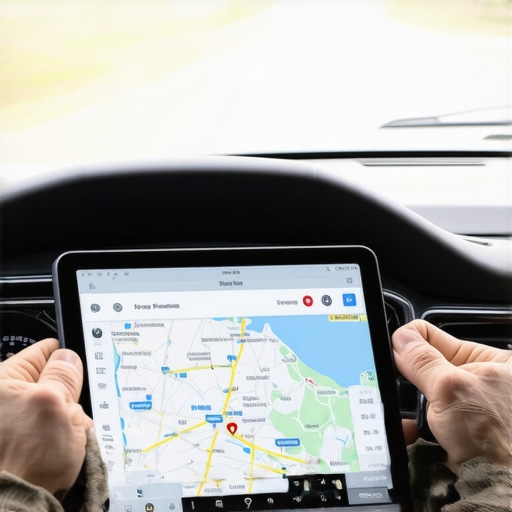
The future is human-centric automation
Looking ahead, I predict we will see a massive shift toward ‘concierge-tech.’ We’re moving away from the chaotic ‘ping’ of the gig economy and back toward on-time every time strategies that utilize high-tech dispatching with human oversight. AI will handle the traffic patterns, but a human will always be the one to guarantee safety and punctuality 24/7 because a computer still can’t understand why a closed bridge in your neighborhood matters more than a three-minute time save. If you want to elevate your travel today, try this: the next time you book an hourly service, ask for their direct calendar integration link. It’s the single biggest leap you can take toward a stress-free schedule.
What 500 Rides Taught Me About True Reliability
After a decade of navigating city streets, I’ve realized that the biggest win isn’t finding a cheap ride; it’s finding a partner you can trust. I spent years thinking I was savvy by comparison shopping, but I was actually sacrificing my peace of mind for a few dollars. I learned that the real cost of choosing the cheapest reservation available is often paid in missed connections and high-stress arrivals. Professionals don’t just drive; they manage the space around you. This is why the best drivers prefer fixed schedules over on-demand pings—they value the stability of a committed client as much as you value a car that actually shows up. When you stop being a ping on a map and start being a priority on a schedule, the entire experience transforms from a gamble into a guarantee.
My Essential Toolkit for Stress-Free Commuting
I don’t leave my schedule to chance anymore, and neither should you. My personal transportation stack includes a few non-negotiable tools. First, I use specialized flight trackers like FlightRadar24 to monitor tail numbers, which allows me to modify my pickup window without losing my reservation if I see a delay before the airline reports it. Second, I’ve found it much more reliable to sync your calendar directly with your chauffeur to ensure there are no transcription errors. Finally, I always perform a quick audit for the one physical marker that proves a vehicle is well-maintained—the DOT date code on the tires. If a service is meticulous about their rubber, they are meticulous about your safety.
Why Your Peace of Mind Is Worth the Investment
We often treat travel as a chore to be minimized, but it is actually the foundation of our daily success. When you aren’t worried about the where or the when, you can focus on the why. Transitioning to a dedicated service is about more than luxury; it’s about safety and precision in an unpredictable world. You deserve to arrive at your destination feeling prepared, not panicked. Remember, mastering on-time arrival and safety isn’t just about the clock—it’s about the respect you show for your own time and the people waiting for you. Have you ever missed a major event because of a ride-hailing glitch? Let me know your experience in the comments below.