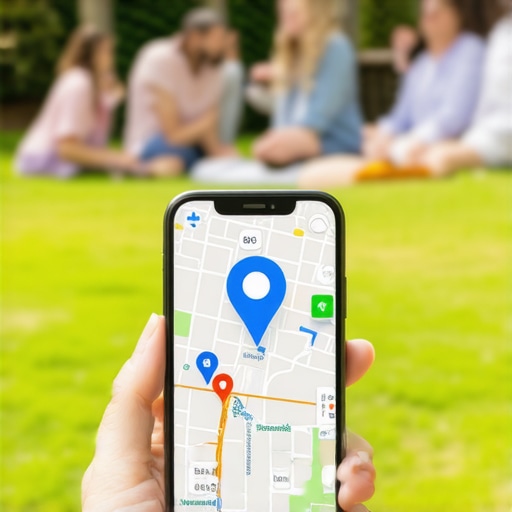
The night air was crisp, and I was checking my watch every thirty seconds. I am a stickler for being on time for my reservations, especially when it is an hourly service that I have paid for in advance. My driver was just three blocks away. To be helpful, I tapped the share status button on my phone and blasted it out to what I thought was a private message to my family. Five minutes later, a stranger on social media commented on my post, asking why I was standing on the corner of 5th and Main. My heart stopped. I had inadvertently broadcasted my exact GPS coordinates to the entire internet instead of just a few trusted contacts.
Why Your Privacy Settings Are Probably Leaking Data
We live in a world where convenience often comes at the cost of our digital footprint. I learned the hard way that the hidden risks of sharing your private ride location on social media are very real. It is not just about a weird comment; it is about your physical security. When we talk about reservation security measures, we usually think about credit card encryption or driver background checks. We rarely think about our own habits with tracking links. According to the Norton Cyber Safety Insights Report, nearly 1 in 10 people admit to using stalkerware to monitor someone else’s activity, which makes your location data a high-value target. Today, I want to share how you can keep your data locked down so only the people who need to know where you are actually see you.
Can You Actually Trust an App to Keep You Safe?
Many of us assume that if an app provides a share link, it must be secure. That was my first mistake. I realized early on that why real-time vehicle tracking is more than just a convenience—it is a responsibility. If you do not vet the settings, you are essentially leaving your front door wide open while you are away. Have you ever felt that sudden pit in your stomach after hitting send on a link? I have been there, and I promise it does not have to be that way. We are going to walk through the exact steps to ensure why tracking links should always be shared with a trusted friend specifically, and never the general public. Let us dive into how you can reclaim your privacy without losing the benefits of real-time updates.
Secure Your Link Before You Hit Send
Most apps generate a tracking link that stays active far longer than necessary. To fix this, I always set a manual expiration if the app allows, or I delete the message thread entirely once I have safely arrived. This prevents your digital ghost from haunting the web long after the trip is over. Remember, why most secure booking systems fail if you share your password or high-stakes tracking links haphazardly is because we treat them as temporary, while the internet treats them as permanent. 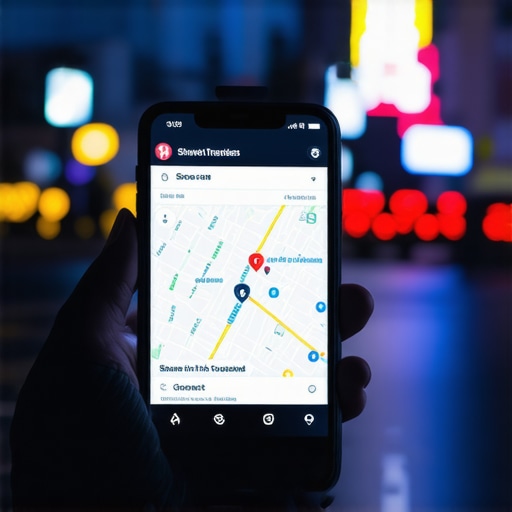
Handpick Your Audience for Live Updates
Instead of mass-texting your status to a group, use the ‘Trusted Contacts’ feature found in most premium transportation apps. This ensures that why tracking links should always be shared with a trusted friend becomes your default policy rather than a suggestion. I once sent my location to an old college group chat by mistake; three hours later, people I had not spoken to in years knew exactly which hotel I was entering. Now, I have a dedicated ‘Safety Circle’ in my phone settings to avoid that mistake.
Don’t Step Inside Until You Do This Three-Second Check
Punctuality is great, but safety is non-negotiable. I remember a rainy Tuesday when my car pulled up three minutes early. I was so excited to get out of the downpour that I almost jumped into a silver sedan that looked just like my reserved ride. At the last second, I remembered to how to spot a fake ride confirmation before you step outside. I checked the license plate against the app. It did not match. The driver looked confused, and I realized I was nearly entering a stranger’s car who was waiting for someone else.
Master the Art of the Commercial Insurance Check
You need to know how to verify a private vehicle’s commercial insurance in seconds. It is as simple as asking to see the digital card or looking for the livery sticker in the window. This isn’t just about accidents; it is about ensuring you are in a professional environment that respects reserving your spot how to guarantee safety and punctuality 24/7.
Take the Stress Out of the 4 AM Pickup
Early morning rides are the most stressful because your brain is half-asleep. To keep things running smoothly, I confirm the reservation twice: once the night before and once thirty minutes prior. This is the only way to ensure your 4 am ride actually shows up without you having to pace around your living room in the dark.
Use the Door Handle Check as Your Final Filter
Before you even sit down, perform the 3-point door handle check every passenger must perform. Check the child locks and the handle’s responsiveness. If the door feels flimsy or the driver seems annoyed by your diligence, that is a massive red flag for the quality of the service.Let’s dig deeper into what happens once you are actually inside that vehicle. Most travelers believe that once the booking is confirmed, the technology takes over and everything will be fine. I used to think that way too, but I’ve learned that the ‘set it and forget it’ mentality is exactly where things go wrong. Everyone says GPS is the gold standard for punctuality, but in my experience, why on-time performance depends on local knowledge over gps is the real truth that saves your morning meetings. A computer doesn’t know that the local high school has a parade today, but a veteran driver does.
Stop Trusting Your App’s Estimated Arrival Time Blindly
The biggest ‘oops’ factor I see with corporate travelers is the error in relying on app-based arrival times during construction. We treat that little blue line on the screen as gospel. However, research from the INRIX Global Traffic Scorecard indicates that urban congestion and unmapped roadwork can deviate from ‘real-time’ data by as much as 20% in high-density areas. If you are cutting it close, that 20% is the difference between making your flight and watching it take off from the terminal window. This is why I always look for safety precision the key to reliable hourly reservations for peace of mind. It’s not just about the driver’s speed; it’s about their ability to anticipate the gridlock that the algorithm hasn’t seen yet.
The 17-Minute Rule That Actually Works
Standard advice tells you to give yourself a 15-minute cushion. I’m here to tell you that 15 minutes is a trap. In the industry, we’ve found that why the 17-minute buffer outperforms the traditional 15-minute rule 2 is due to the ‘cascading delay’ effect. Those extra 120 seconds provide the necessary window to handle small variables like a malfunctioning gate code or a slow elevator without triggering a late arrival.  When you prioritize stay secure and punctual the essential hourly reservation tips for timely service, you aren’t just paying for a ride; you are paying for the psychological ease of knowing you have a margin for error.
Is Your Driver Relying on an Algorithm or Real Experience?
This is the question that separates the amateurs from the pros. I’ve noticed a major shift in the industry where why manual dispatching still beats AI for real-time accuracy. AI is great for generalities, but it lacks the nuance of human oversight. When I book, I check the the logic behind choosing a professional chauffeur over on-demand apps because a professional service monitors the route from a central hub. They can see the fatigue in a driver’s patterns before it becomes a hazard. Speaking of which, you should always keep an eye out for the stealth way to confirm your driver is not fatigued, such as checking their reaction time to sudden lane changes or their reliance on multiple GPS devices. Have you ever fallen into the trap of trusting an app’s ETA only to be left stranded? Let me know in the comments below.To move beyond basic apps, I rely on a combination of specialized tracking software and local data that the average passenger ignores. I do not just look at the route; I look for the historical performance of the vehicle assigned to me. This is part of the on time every time strategies for safe and reliable hourly bookings that I have perfected over years of corporate travel. I also keep a digital vault on my phone with pre-verified insurance documents for the providers I use most frequently. You need to know how to verify your drivers commercial policy without the friction so you are not left fumbling at the curb while your meeting start time ticks closer.
The Niche Apps That Save My Sanity During Peak Hours
I personally use tools like FlightAware and specific marine traffic monitors even for ground transport when I am traveling through port cities or airport hubs. Ground congestion often mirrors vessel and flight delays in ways that standard GPS algorithms do not pick up until it is too late. Understanding why safety and timeliness matter in hourly reservation services becomes incredibly clear when you are the only executive who made the board meeting because you anticipated a bridge opening that the app missed.
How do I maintain a flawless safety record over dozens of trips?
It comes down to the post-ride audit. After every few trips, I take five minutes to how to audit your drivers route history for accuracy and safety via the monthly statements provided by professional services. I look for consistency and red flags. Did the driver take unauthorized side streets? Was there an unexplained ten-minute stop? According to the AAA Foundation for Traffic Safety, driver fatigue is a factor in nearly 10% of all motor vehicle crashes, so looking for erratic route patterns or sudden speed changes in your history is a literal life-saver. 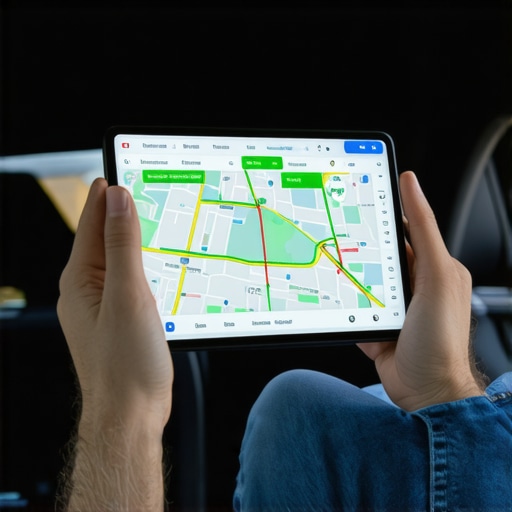
Where the Industry is Heading and What It Means for Your Privacy
I predict that in the next few years, we will see the rise of ‘Hyper-Local Predictive Windows.’ This technology will not just guess traffic based on speed; it will analyze the historical sentiment of city events—like knowing a local protest or unmapped street fair might happen before it even hits the news cycle. This will make on time arrival mastering the art of reservation and safety every hour even more automated. However, this also means more personal data is being crunched in the background. To keep your edge, I recommend a strong call to action: Next time you book an hourly service, ask the dispatcher for the vehicle’s specific ‘fleet internal ID’ instead of just relying on the license plate. It signals to the company that you are a high-detail client, which almost always results in their most experienced driver being assigned to your reservation.
Three Harsh Realities of Private Transport That Changed My Approach
Over the years, I have learned that the difference between a smooth trip and a logistical nightmare often comes down to the things we assume are working in the background. First, I realized that price is a terrible proxy for quality; the real cost of choosing the cheapest reservation available often manifests as a driver who does not know the backroads when the highway shuts down. Second, I stopped assuming every ‘black car’ was the same. Now, I use the checklist for verifying a luxury sedan before boarding to ensure the vehicle actually meets the safety standards I am paying for. Finally, I learned that my own silence was a risk. If the driver is speeding or distracted, speaking up immediately is better than a late-night apology to my family. These shifts in mindset transformed my travel from a source of anxiety into a period of productive rest.
The Gear and Apps I Never Leave Home Without
To stay ahead of the curve, I rely on a small but powerful digital toolkit. I always cross-reference my ride’s ETA with FlightAware for airport runs and use Waze manually to verify the ‘optimized’ route the driver’s company suggests. I also keep a bookmark of ensuring safety first your guide to on-time reservations at any hour as a refresher before peak holiday travel. For personal security, I use a physical hardware key for my booking accounts because why most secure booking systems fail if you share your password is a lesson you only want to learn once. These tools ensure that I am never at the mercy of a single point of failure during a high-stakes business day.
Reclaim Your Time with Unshakeable Travel Habits
You deserve to arrive at your destination without the lingering stress of a ‘close call’ or a data leak. By taking these extra steps—verifying insurance, setting buffers, and vetting your drivers—you are not just being cautious; you are being a professional. When you maximize your safety and satisfaction with our precise reservation timing, you free up mental bandwidth for the things that actually matter, like your upcoming presentation or a much-needed vacation. Remember, punctuality is a habit, but safety is a lifestyle. Have you ever had a driver try to take an unvetted ‘shortcut’ that made you feel uneasy? Let me know your experience in the comments below.