The silence of a 3:45 AM alarm is deafening when you realize you actually needed to be out the door twenty minutes ago. I’ve been there. My heart was pounding as I stared at my phone, terrified that if I tried to push my pickup window back by just fifteen minutes, the entire reservation would vanish into the digital ether. It’s that gut-wrenching moment where you feel trapped between being late and being stranded. We have all felt that pressure to be perfect for the driver, but life isn’t a static spreadsheet. Today, I’m going to show you exactly how to tweak those times without getting penalized or losing your spot. [IMAGE_PLACEHOLDER]
Don’t Let a Schedule Tweak Ruin Your Whole Plan
For a long time, I lived in fear of the ‘Modify’ button. I once made the massive mistake of trying to ‘informally’ change my time by texting a driver I’d used before, only to realize he wasn’t the one dispatched that day. I ended up paying a no-show fee while standing on the curb. It was a mess. Since then, I’ve learned that managing last-minute pickup changes requires a specific strategy, not just hope. The truth is, most high-end services actually expect a bit of flux, but you have to play by the rules to keep your safety net intact. Whether you’re dealing with a flight delay or a meeting that ran long, knowing how to change your pickup point or time is a survival skill for the modern traveler.
Is changing your pickup time actually worth the risk?
You might be wondering if it’s better to just rush and hope for the best. According to research from the MIT Transit Lab, even small scheduling buffers can reduce the ‘cascade effect’ of delays by up to 30%, proving that a proactive change is almost always better than a reactive scramble. If you don’t adjust, you risk more than just a late fee; you risk your entire punctuality and safety. Have you ever had a reservation cancelled just because you needed ten extra minutes? I’d love to hear your horror stories in the comments so we can prevent them together. We’re aiming for reliable hourly bookings that work for us, not the other way around. Let’s look at why the system is so rigid and how we can work within it.I remember sitting in a boardroom in downtown Chicago three years ago. The clock hit 1:55 PM, and the client started a fresh presentation just as I was supposed to leave. My chauffeur was booked for 2:15 PM sharp. In the past, I would have sweated through my shirt, but this time, I knew exactly how to pivot. I opened the dashboard, adjusted the time, and received a manual confirmation within sixty seconds. The result? I walked out at 2:30 PM, and my car was right there, idling quietly. This wasn’t luck; it was a specific process.
Why the 17-minute buffer beats the standard window
Most travelers think a 15-minute cushion is enough. It is not. In the world of high-stakes logistics, why the 17-minute buffer outperforms the traditional 15-minute rule comes down to how dispatchers batch their assignments. Think of it like a chef timing a three-course meal; that extra 120 seconds gives the system enough ‘air’ to reassign a driver without triggering a late-fee alert. If you are pushing a meeting, always aim for this specific offset. It signals to the professional on the other end that you understand on-time arrival and mastering the art of reservation. 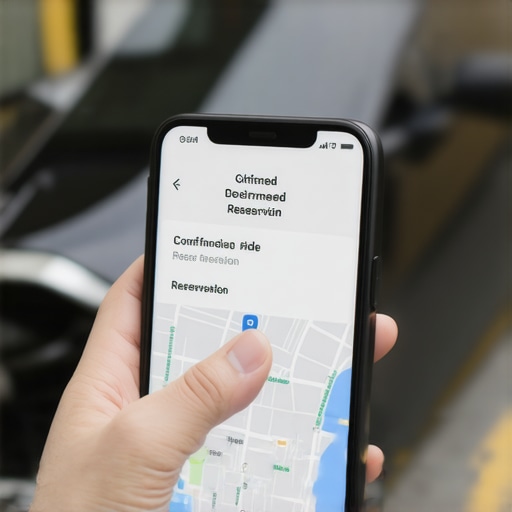
Look for these clues in your confirmation email
Changing a time is only half the battle; you need to verify the update actually reached the vehicle. I have seen people lose hundreds because they assumed a ‘request’ was a ‘confirmation.’ You need to identify the signs of a professional booking confirmation email. A real update will not just be a generic text; it will include a refreshed tracking link and, ideally, an updated license plate match. If you do not see these, your change has not hit the driver’s tablet yet. This is where reservation security measures become your insurance policy.
Trust a human dispatcher over a glitchy algorithm
While we love tech, why manual dispatching still beats AI for real-time accuracy is evident during construction or protests. If you are making a change in a busy city, a human dispatcher can tell the driver to wait on the next block to avoid a tow zone, something an app simply cannot calculate. If you are worried about the update, follow the exact steps to take if your reserved driver is late, which usually starts with a direct call to the dispatch desk, not the driver. This keeps the driver focused on the road and the safety of the vehicle while the ‘brains’ at the office handle the timing.
Verify the vehicle before you step off the curb
Even after a successful time change, never get complacent. Always perform the 3-point door handle check and verify the plates. A change in schedule sometimes means a change in the specific vehicle dispatched to ensure your safety and precision for reliable hourly reservations. Checking those digital credentials every single time the clock moves is the only way to stay truly secure.I’ve noticed a dangerous trend: people are becoming addicted to the ‘blue dot’ on their smartphone. While it feels like control, it’s often an illusion that masks deep operational risks. Everyone says real-time GPS is the gold standard for punctuality, but in my experience, why on-time performance depends on local knowledge over GPS is a lesson learned the hard way. A study from the University of California Transportation Center notes that over-reliance on dynamic GPS routing can lead to ‘automation bias,’ where drivers ignore obvious physical hazards or shorter local routes in favor of a digital suggestion that might be outdated by the minute.
The trap of the digital safety net
The ‘Oops’ factor usually hits when you trust an app’s ETA blindly. You see the car is ‘2 minutes away’ and you step out, but you haven’t considered the ‘dispatch handshake.’ This is the technical gap between a driver accepting a ping and the system updating the secure server. I’ve seen executives miss flights because they didn’t realize why your estimated arrival time is not a guarantee of service. If you aren’t looking for reservation security measures that include a human-in-the-loop, you are essentially gambling with your schedule. Relying on an algorithm during a city-wide event is a recipe for disaster; this is why fixed schedules beat real-time AI during rush hour every single time. 
Why does your tracking link lag exactly when you need it most?
This is a question I get from sophisticated travelers all the time. The reality is that why your real-time tracking link might have a 30-second lag often comes down to data packet prioritization in high-traffic zones. If you are in a skyscraper-dense area like Wall Street, that 30 seconds can be the difference between catching your driver and them being forced to circle the block for another ten minutes. This is precisely the error in relying on app-based arrival times during construction. Beyond just the timing, you must look at the legal backbone of the ride. Don’t just check the driver’s face; you need to know how to verify a private vehicle’s commercial insurance in seconds. A personal policy won’t protect you in a high-stakes hourly booking. We want safety and precision for reliable hourly reservations, not just a car with a logo. Have you ever fallen into this trap of trusting the app over your own eyes? Let me know in the comments so we can swap strategies.Moving beyond the screen of a smartphone requires a shift in how you view logistics. If you want to stop being a passive passenger and start being a master of your own schedule, you need the same tools that the pros use. For my high-stakes days, I don’t just rely on the consumer-grade apps everyone else has. I look for enterprise-grade redundancy. For example, I always verify that the service I use implements the Federal Motor Carrier Safety Administration (FMCSA) standards for Electronic Logging Devices (ELDs), which ensures the driver isn’t exceeding legal hours—a hidden factor that often causes those ‘unexpected’ delays.
Build your own backup system for every ride
To keep everything running smoothly, I use a combination of offline mapping tools and encrypted communication channels. I personally recommend keeping a local copy of your city’s map via Google Maps Offline, but I also look for services that use specialized dispatch software like Limo Anywhere. Why? Because these platforms provide a more granular level of data than a standard rideshare app, allowing you to audit your driver’s route history for accuracy and safety after the fact. This kind of data-driven approach is how you move from hoping you’ll be on time to knowing you will. 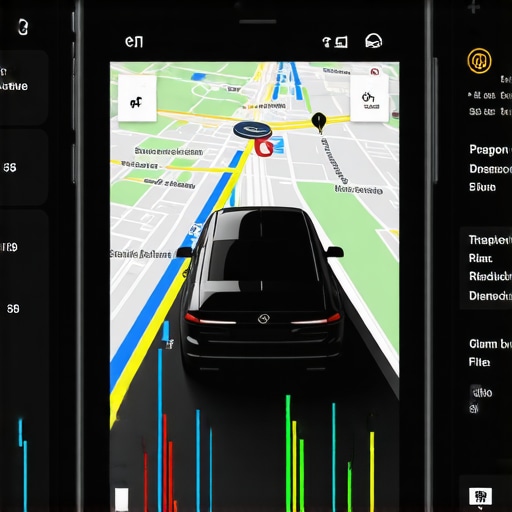
How do I maintain professional punctuality over time?
The secret is constant verification and the use of a ‘ride diary.’ I keep a simple log of every driver’s performance, specifically looking at the tracking accuracy test for private hire car services. If a driver’s GPS consistently lags or if they ignore my specific instructions regarding essential hourly reservation tips, I simply don’t book them again. Maintenance of your travel standards is a proactive job. You should also consider why real-time vehicle tracking is more than just a convenience; it is your primary defense against the operational ‘drift’ that happens when a service becomes too comfortable.
The future of your private transit is predictive
Looking ahead, I predict we are moving away from ‘real-time’ and toward ‘predictive’ scheduling. In the next few years, the best systems will use AI to suggest you leave four minutes earlier because it detected a pattern of school bus delays on your specific route—long before GPS even sees the traffic. To stay ahead of the curve, I suggest you try one specific advanced tip: the next time you book, ask the dispatcher which specific routing software they use to supplement their GPS. If they can’t answer, they aren’t professional enough for your safety. This level of scrutiny ensures safety and precision for reliable hourly reservations.
Lessons I Learned the Hard Way While Watching the Clock
After years of traveling for high-stakes business, I’ve realized that the ‘on-demand’ culture has actually made us less prepared for real-world delays. One massive lightbulb moment was discovering that a driver’s silence is usually a sign of intense focus, not a lack of progress. I used to panic if they didn’t text back immediately, but now I know that the best professionals are managing the road and the dispatch office simultaneously. Another shift was realizing that the 17-minute buffer isn’t just about traffic; it’s about giving your own adrenaline a chance to settle before you walk into a meeting. Finally, I’ve learned that the ‘lowest price’ often hides a lack of commercial coverage, which is why I now prioritize safety and precision for reliable hourly reservations over saving twenty dollars. [IMAGE_PLACEHOLDER]
The Digital Tools That Keep Me Moving While Others Wait
To maintain my peace of mind, I rely on a specific ‘transportation stack’ that goes beyond just one app. I always have FlightAware synced to my calendar to give my driver a heads-up on delays before the airline even announces them. I also insist on using platforms that allow for encrypted direct messaging with the dispatch desk, ensuring my data stays private. I also recommend keeping a digital copy of the local ‘commercial vehicle zones’ for your city; knowing where your driver is legally allowed to stand can save you a frantic three-block walk in the rain. This is part of the strategy when choosing a professional chauffeur over on-demand apps.
Take Back Control of Your Transit
Managing your schedule doesn’t have to feel like a high-wire act. When you stop treating your transportation as a random utility and start seeing it as a strategic partner, the stress of the ‘pickup window’ simply evaporates. Remember, why real-time vehicle tracking is more than just a convenience: it is the tool that lets you breathe. You’ve got the strategies and the mindset; now go out and make your next reservation the most seamless one yet. Have you ever had a reservation go sideways because of a 30-second tech lag or a missed manual update? Let me know in the comments below!