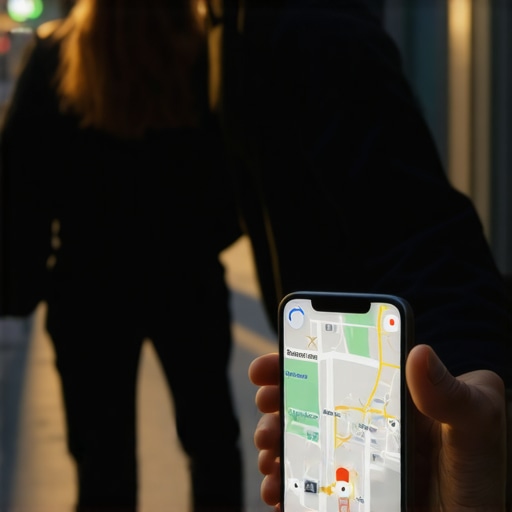
I will never forget that rainy Tuesday night in Chicago. I had just finished a marathon day of meetings and hopped into a pre-booked car, exhaustion clouding my judgment. About ten minutes into the ride, the driver took a sharp, unexplained turn into an industrial district that looked nothing like the route to my hotel. My phone battery was hovering at a measly 3 percent. In that moment, the realization hit me like a ton of bricks: nobody in the world knew exactly where I was. I felt completely invisible. Fortunately, it was just a construction detour, but that cold pit in my stomach taught me a lesson I will never ignore again. Ever since that night, I have made it a non-negotiable rule to share my live status with someone I trust, and today I want to show you why this tiny habit is your biggest layer of protection.
Keep Your Inner Circle in the Loop Every Single Mile
When you are using real-time vehicle tracking, you aren’t just watching a little blue dot for fun; you are creating a digital breadcrumb trail that keeps you connected to safety. Early in my career, I made the amateur mistake of thinking that the ride-hailing app’s internal safety features were enough. I learned the hard way that those systems can glitch or be delayed. Now, I always send a direct link to a friend because real-time links save families peace of mind and ensure that someone always has your back if the unexpected happens. According to the National Safety Council, having a designated person aware of your travel progress can significantly reduce the window of risk during transit emergencies. It turns a vulnerable situation into a monitored one.
Is tracking your ride actually worth the extra effort?
I hear it all the time: “Isn’t it a bit paranoid to send a link for a twenty-minute ride?” My answer is a resounding no. It takes exactly five seconds to hit that share button. We live in an era where securing your data when sharing tracking links is easier than ever, so there is really no excuse to skip it. Whether it is a late-night airport run or a series of back-to-back client meetings, that link is your lifeline. Have you ever felt that sudden, sharp spike of anxiety when your driver takes a route you didn’t recognize? I’d love to hear how you handled it in the comments. By sharing your progress, you ensure that someone else is watching the clock with you, making sure you arrive on time and safe.
Master the Five Point Check Before the Door Opens
To make this system work, you need a routine that doesn’t fail even when you are exhausted or distracted. I call it the arrival audit. The moment your car pulls up, perform the 5-point safety check for every nighttime ride. This isn’t just about looking at the car; it is about verifying the environment. I once had a driver in Denver who claimed his GPS was ‘frozen’ and tried to take a route that bypassed all the traffic lights into a dark, industrial alleyway. Because I was already looking at my own live link, I could see he wasn’t just avoiding traffic; he was moving away from the destination entirely. I stayed calm, showed him my screen with the active GPS trail, and insisted he return to the highway. It changed the vibe instantly because he realized I was being monitored. This is exactly why you should never enter a vehicle without a license plate match. It is the simplest barrier between you and a potential predator or an unlicensed operator. Verification is your first line of defense.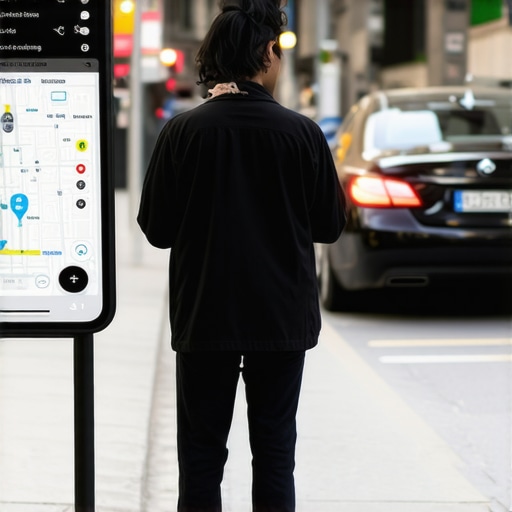
Identify the Professional Identifiers Early
Before the car even arrives, you should know what you are looking for. Reliable services will always send the signs of a professional booking confirmation email, which includes the driver’s name, photo, and vehicle specifics. If you receive a vague text instead of a formal confirmation, that is a red flag. When the car pulls over, look for the commercial registration. Learning how to verify commercial plates on a private hire can save you from stepping into a personal vehicle that lacks the proper insurance for passengers. I make it a point to check the rear window for any required stickers or permits. If anything feels off, I don’t get in. It is much easier to explain a canceled ride than to deal with the consequences of an unverified one.
The Hidden Advantage of One Driver for Your Entire Day
If you have a busy schedule with multiple stops, stop booking separate rides. The constant cycle of waiting for a new driver, verifying a new plate, and re-explaining your route is a massive security leak. Instead, the logic behind booking one driver for three separate errands is about consistency and rapport. When you have one person dedicated to your schedule, they become an extension of your security detail. You can keep your belongings in the car safely, and you don’t have to worry about the error in relying on app-based arrival times during construction because your driver is already there waiting for you. This approach is why hourly booking is the secret to stress-free event planning and high-stakes business travel.
Active Monitoring During the Transit
Once you are in the car, your job isn’t done. Keep your tracking link active. You can even use it to ensure the driver is adhering to local laws. For instance, knowing how to audit your driver’s speed using live tracking links allows you to speak up if the driving becomes erratic. I always keep my phone in my hand, not tucked away in a bag, with the map visible. This sends a silent but clear message to the driver: I know where we are, I know how fast we are going, and someone else does too. In the world of private transport, why on-time performance is the only metric that matters is because it reflects the driver’s professionalism and respect for the safety protocols you’ve established.Most travelers think that adding a 15-minute buffer to their reservation is playing it safe. In reality, that is the ‘oops’ factor that leads to missed flights and frantic phone calls. I’ve found that why the 17-minute buffer outperforms the traditional 15-minute rule is rooted in the unpredictability of modern urban infrastructure. If you are booking for a high-stakes meeting, why a 20-minute buffer is the new gold standard for business isn’t just a suggestion—it’s a requirement. A study by the INRIX Global Traffic Scorecard highlights that traffic volatility in major cities can fluctuate by as much as 35% within a single hour, meaning an ‘estimate’ is often just a polite guess. This is why most arrival times are simply guesses when you rely on standard consumer apps.
Do you really know the difference between live tracking and estimated progress?
The biggest myth in the industry is that every ‘blue dot’ on a map is created equal. Many services use predictive algorithms that show where a car should be based on its last ping, rather than where it actually is. Understanding the difference between live tracking and estimated progress is what separates a professional traveler from a lucky one. I always run the tracking accuracy test for private hire car services during the first few minutes of my trip. If the dot jumps or lags, I know the data is unverified. Have you ever fallen into this trap where the app said the driver was ‘arriving’ but they were actually three blocks away? Let me know in the comments. 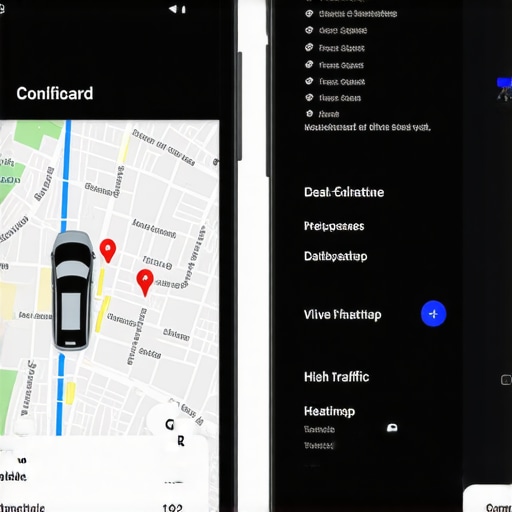 Another nuance people miss is the value of human intervention. Everyone is obsessed with automation, but why a human dispatcher outperforms an ai every time is simple: a human knows when a local event is blocking a street before the GPS does. This level of reservation security measures is why I insist on why you need a direct line to your hourly driver. It bypasses the ‘black box’ of app support and puts you in control. When you combine this with why fixed schedules beat dynamic pricing every time, you aren’t just buying a ride; you are buying an insurance policy for your schedule and your safety. If you’re ready to upgrade your travel game, contact us to see how we handle these high-stakes details every single day.To keep this level of precision from fading, I treat my travel setup like a piece of high-performance machinery. I don’t just rely on my primary phone; I carry a dedicated, low-profile travel tablet strictly for monitoring my transit. This secondary device is my command center, ensuring that my primary phone remains fully charged for emergency calls. It’s a trick I picked up from executive protection agents who know that real-time vehicle tracking is only useful if your hardware doesn’t die mid-trip. By isolating my travel apps, I also reduce the digital footprint left on public networks, which is the first step in securing your personal data when booking airport transfers. I also keep a physical backup: a small laminated card with the driver’s dispatcher number and my hotel’s cross-streets. It sounds old school, but when a GPS glitch hits a dead zone, you’ll be the only one who isn’t lost.
How do I keep my safety protocols sharp over time?
Maintenance is about consistency, not intensity. Every Sunday night, I spend ten minutes auditing my upcoming week. I check for local road closures and ensure my recurring weekly commute settings are still accurate. If I’m traveling to a new city, I use this time to verify the commercial validity of a transit schedule for the local providers I’ve shortlisted. This prevents the ‘lazy habit’ of just clicking the first app that pops up when I’m tired. According to the NIST Special Publication 800-63B on Digital Identity Guidelines, the most secure systems rely on multi-channel verification, which is why I always cross-reference my professional booking confirmation email with a quick direct message to the driver. This ‘double-ping’ ensures that the person behind the wheel and the person in the office are on the same page. 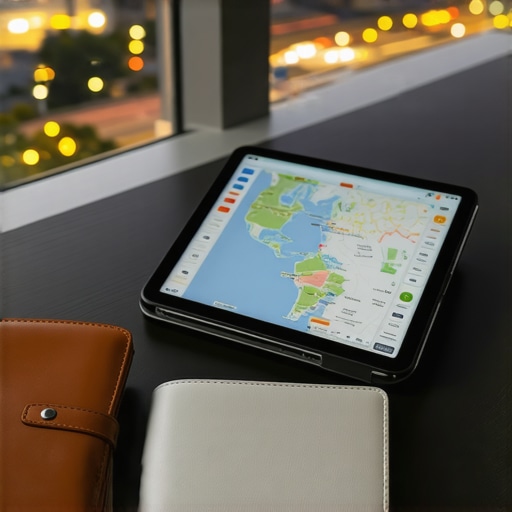 Looking ahead, I predict we are moving toward a ‘Private Driver Network’ model where travelers will use blockchain-verified tokens to swap data with drivers without ever exposing their real phone numbers or home addresses. Until that becomes the global standard, you have to be your own gatekeeper. Mastering the art of reservation and safety every hour means recognizing that the hidden difference between app-drivers and private-chauffeurs is the human accountability factor. If you want to stop being a passenger and start being a protected traveler, I highly recommend you switch to a dedicated device for your next trip. It changes your perspective entirely. If you’re ready to see how a truly professional team handles these details, contact us and let’s get your next reservation secured correctly.
The Silent Power of the Monitored Passenger
Over the years, I have realized that safety isn’t just a list of features; it is a psychological stance. When you are active, visible, and vocal, the dynamic in the vehicle shifts from a passive passenger to a managed transit environment. This is why safety and timeliness matter in hourly reservation services more than most travelers realize. It’s about the message you send. One major ‘lightbulb moment’ for me was discovering that a driver who knows they are being tracked is significantly more likely to stick to the safest route without deviation. I also learned that ensuring safety first begins before you even touch the door handle. If I feel even a slight hesitation in my stomach when looking at the vehicle or the driver, I trust it. No ride is worth ignoring that primal alarm system.
My Personal Travel Vault for Stress-Free Rides
To keep my transit professional and secure, I never leave home without a few specific tools. First, a high-capacity portable charger is my lifeline; a dead phone is a security breach in the modern world. I also recommend reserving your spot with a service that provides a dedicated dispatcher rather than just an automated app. I trust services with human oversight because technology can fail, but a professional on the other end of the line will always find a solution. Finally, I keep a secondary offline map app on my device to cross-reference the driver’s route without needing a data signal, ensuring on-time every time strategies for safe and reliable hourly bookings are actually being executed by the person behind the wheel.
Stop Leaving Your Schedule to Chance
You’ve worked too hard on your itinerary to let a random algorithm dictate your arrival time or your peace of mind. Transitioning from app-based chaos to structured, professional transit is a massive upgrade for your mental health and your physical safety. I want you to feel empowered every time you step into a vehicle, knowing that you have the tools and the team to support your progress. If you are ready to experience the difference that true professional oversight makes, contact us today. We take the guesswork out of your travel so you can focus on the destination, not the potential detours. Have you ever had to redirect a driver who was clearly lost or taking an unsafe route? Let me know your experience in the comments below!