
The rain was pelting against the car window in a city whose name I could barely pronounce, and all I could see were flickering neon signs and a narrow, shadowed alleyway. It was 2:00 AM. My driver insisted this was the closest spot to my rental, and against my better judgment, I stepped out. Within seconds, the car sped off, leaving me alone in a neighborhood that felt more like a movie set for a thriller than a residential street. I spent the next twenty minutes frantically checking my phone, realizing I had made the classic rookie mistake of letting convenience override my personal security. We have all been there—trying to save a few minutes or a few dollars, only to end up in a situation that feels decidedly unsafe. Today, I am going to show you how to take control of that moment so you never feel that gut-punch of vulnerability again. Have you ever felt that sudden spike of anxiety the moment you stepped out of a vehicle in an unfamiliar place?
Don’t Just Hop Out Anywhere
When you are traveling, the curb is the most dangerous part of your journey. I used to think that as long as I made an on-time reservation, the rest would take care of itself. I was wrong. The real work happens in the sixty seconds before the car stops. You need to be scanning for ‘eyes on the street’—a concept from urban planning that suggests safety comes from the presence of others. According to a report by the National Safety Council, pedestrian safety significantly increases in areas with high visibility and consistent public activity. If your driver pulls up to a spot where the shops are shuttered and the streetlights are out, do not get out. Ask them to circle the block or find a hotel entrance nearby. It is much better to walk an extra block through a bright lobby than ten feet through a dark gap between buildings. This is why hourly chauffeurs are safer for late night solo travelers; they aren’t rushing to their next gig and will wait until you are physically inside your destination.
Is Every Well-Lit Street Actually Secure?
It is easy to assume that a few bright bulbs mean you are in the clear, but light can be deceiving. I once got dropped off under a bright halogen lamp only to realize the building behind me was abandoned and the street was a dead end. Skepticism is your best friend here. You want to look for ‘active’ lighting—windows with life behind them, open convenience stores, or hotel doormen. When you master the art of reservation and safety, you learn that the ‘where’ is just as vital as the ‘when.’
Spot the Red Flags Before the Wheels Stop
Early in my travels, I made the mistake of not checking the specific drop-off point on a map beforehand. I just trusted the app. Now, I use the 5-point safety check for every nighttime ride. I look for visible signage, other people, and a clear path to the door. If the driver seems hesitant or if the GPS is bouncing between two locations, that is your cue to speak up. Whether you are using a specific drop-off point at the terminal or a random street corner, you are the boss of that door handle. Don’t let a driver’s hurry compromise your peace of mind. Let’s get into the practical steps of vetting your destination in real-time.To begin, you must treat the arrival of your vehicle like a security checkpoint rather than a casual encounter. I learned this lesson the hard way in Chicago when I nearly stepped into an unidentified car because I was too preoccupied with checking my emails. Now, I never skip the initial verification. You should background check your private transport company in minutes before your trip begins to ensure the credentials match the service at the curb.
Verify the Driver Before You Open the Door
Never start an interaction by asking the driver if they are looking for you. Instead, wait for them to confirm your name. This simple flip is a cornerstone of reservation security measures that prevents you from entering the wrong vehicle. While the car is approaching, look for official commercial markings and check the general condition of the car. You can often spot a professional vehicle fleet at a glance by noticing small details like tire maintenance and a lack of exterior damage, which signals a company that prioritizes passenger safety over quick profits.
Take the Power Position Behind the Passenger Seat
Once you have confirmed the vehicle is yours, your seating choice becomes your primary defensive tool. I always adopt the safety habit of sitting behind the front passenger seat. This position provides the best diagonal view of the driver’s actions and the road ahead. If the driver is distracted or acting erratically, you can see it immediately. 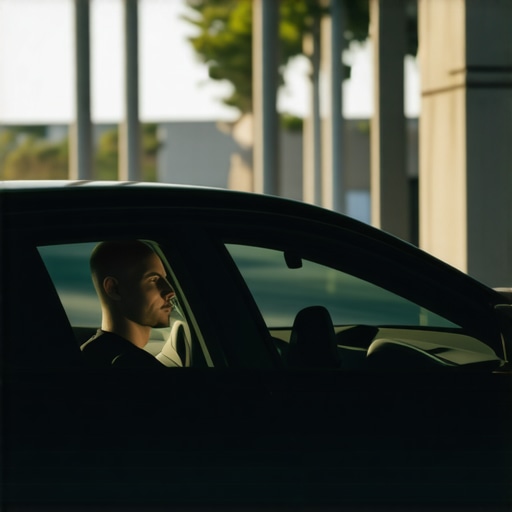
Watch the Hands and the Map
A true professional will never be fumbling with a mobile device. You should always ensure your driver is not using a personal phone while driving by checking for mounted, dedicated navigation tools. In Mexico City, I once experienced a sudden route change that felt suspicious. By calmly asking about the local traffic patterns, I discovered the driver was bypassing a closed road. Understanding how to handle a route change mid-trip without confusion allows you to stay informed without creating unnecessary conflict.
The Peace of Mind That Comes with Hourly Hire
Many travelers fall into the trap of booking one-way trips, only to find themselves stranded when a meeting runs late or a destination feels unsafe. This is where safety precision and reliable hourly reservations become your best asset. When you book a driver by the hour, they are committed to your schedule, not the next person in a queue. If you arrive at your destination and the street looks deserted, you have the immediate option to wait inside the car until you are certain it is safe to exit. You aren’t just paying for a ride; you are paying for a dedicated guardian who remains on standby, ensuring you never have to stand alone on a dark sidewalk waiting for a new car to arrive.Most people think that a digital countdown is the gold standard of punctuality. In my experience, relying solely on a smartphone’s estimated time of arrival is a recipe for a missed flight or a cold sidewalk wait. The industry secret? Why refreshing your tracking app might give you false arrival times is because consumer-grade GPS often averages speeds rather than accounting for real-time stop-and-go friction. This is why manual reservation checks outperform automated bots every single time; a human dispatcher understands that a parade or a water main break isn’t just a ‘slow zone’—it’s a roadblock.
Why Your App Is Lying About the Arrival Time
A study by the Massachusetts Institute of Technology (MIT) on real-time traffic data highlights that most consumer-grade GPS apps have a ‘latency lag’ that can misrepresent a vehicle’s true position by up to several hundred feet in dense urban environments. If you are banking on that ‘2 minutes away’ notification, you are already behind. I always advise using the 3-minute buffer that saves you from missing the train. It isn’t just about being early; it’s about accounting for the ‘oops’ factor of the driver finding the exact curb entrance. Have you ever fallen into this trap of trusting the app’s timer only to be left scrambling? Let me know in the comments. 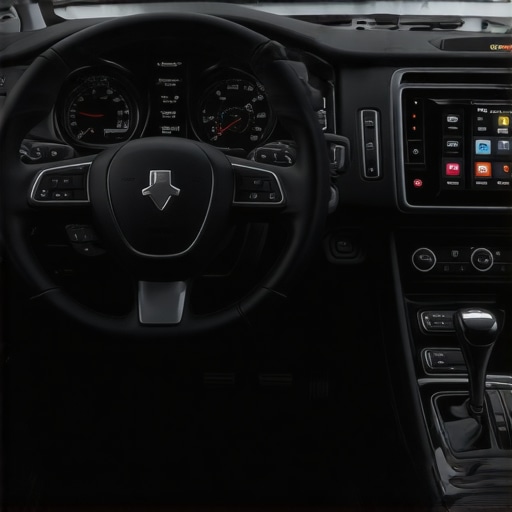
Can You Actually Spot a Driver Who Is Too Tired to Drive?
Fatigue is the silent killer in the transport world. While most people look at the car’s exterior, the real pros look at the driver’s eyes and their reaction time during the first thirty seconds. You need to know how to ensure your driver is not fatigued during a late-night trip by observing their lane-keeping and their reliance on heavy caffeine. Punctuality means nothing if the safety is compromised by an exhausted operator. This is where you maximize your safety and satisfaction with our precise reservation timing, as it ensures drivers are rostered with adequate rest periods between shifts.
The Invisible Trap of the One-Way Booking
The biggest mistake I see high-level travelers make is the ‘one-way’ gamble. They assume a car will be available for the return leg. However, why one-way bookings often lead to unnecessary stress for travelers is because you lose the ‘guardian’ aspect of a dedicated driver. Also, beware the danger of relying on verbal confirmations for important travel. If it isn’t in a digital or physical log, it doesn’t exist. Always ensure you are staying secure and punctual with the essential hourly reservation tips for timely service, which include having a confirmed, documented itinerary for the entire duration of your outing.Moving beyond the basics of just booking a ride requires a fundamental shift in how you view the technology behind the glass. To maintain a truly elite travel standard, you have to look past the shiny consumer interface of your smartphone. I personally demand that my service providers use professional-grade equipment because I have seen exactly how ‘consumer-grade’ tech fails at the worst possible moment. For instance, why we use dedicated GPS hardware instead of smartphone apps boils down to connectivity; professional units use multi-constellation satellite receivers that don’t drop out in ‘urban canyons’ where skyscrapers block cellular signals. If your driver is relying on a standard phone, they are losing precision every time they pass under a bridge or enter a tunnel. This isn’t just about getting lost; it’s about the fact that why real-time vehicle data is more accurate than estimated times is because these systems ping locations every second, not every thirty. Geotab, a global leader in telematics, notes in their technical documentation that high-frequency data is the only way to manage large fleets with surgical precision.
The Hardware That Actually Keeps You on Schedule
In my own travels, I have started auditing the backend of the companies I hire. I look for why driver speed alerts are the backbone of passenger safety; if a company isn’t monitoring their drivers’ velocity in real-time, they aren’t serious about your security. When you how to audit your online booking for hidden security vulnerabilities, you should ask if the company uses an encrypted dispatch system or just a shared spreadsheet. The difference determines whether your personal data—and your location—is safe from prying eyes. 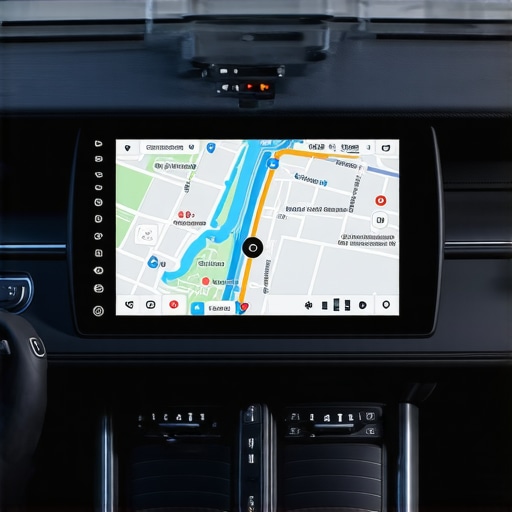
How do I maintain my travel security protocol over the long haul?
Consistency is the enemy of complacency. I recommend reviewing your transport provider’s safety ratings every six months. Just because they were the best last year doesn’t mean their fleet maintenance hasn’t slipped. You should always be ensuring safety and punctuality: top tips for on-time reservations at any hour by verifying their recent commercial permit renewals. I predict that in the next few years, we will see AI-driven ‘predictive rerouting’ that anticipates traffic jams before they even happen based on micro-sensor data in the road. This will become the reliable way to ensure you arrive first for the keynote while everyone else is stuck behind an unmapped construction zone. My advanced tip for you today: next time you book, ask the dispatcher specifically what telematics software they use. If they can’t answer, they aren’t using one, and you should look elsewhere for your hourly needs.
Bringing your travel security to the next level isn’t just about following a manual; it’s about shifting your mindset from being a passenger to being an informed traveler. After years on the road, I have realized that the most sophisticated tracking systems are only as good as the person using them.
The Truths I Learned in the Back of a Town Car
Experience is the best teacher, especially when the stakes involve your safety in an unfamiliar city. Here are the core realizations that changed how I approach every trip:
- The ‘Vibe Check’ is Data-Driven: That sudden prickle on the back of your neck isn’t paranoia; it is your brain processing thousands of micro-signals, from the driver’s grip on the wheel to the smell of the cabin. Never ignore it.
- Silence is a High-Value Asset: I found that why hourly drivers offer better mental clarity for busy executives is because they respect the professional boundary of a quiet environment. This focus allows you to prepare for your day without the distraction of unwanted conversation. Learn more about the productivity benefits of professional drivers here.
- Cheap is Expensive: A low-cost ride often trades off on vehicle maintenance and driver rest. When you realize why a 4 am reservation needs extra planning, you understand that paying for a premium service is an investment in your own physical security. Read about the complexities of early morning bookings.
#IMAGE_PLACEHOLDER_E#
Books and Systems for the Professional Voyager
To stay ahead of the curve, I rely on a specific set of resources that go beyond a simple booking app. First, I highly recommend reading ‘The Gift of Fear’ by Gavin de Becker. It is the definitive guide on trusting your intuition to avoid dangerous situations before they escalate. Second, for those interested in the technical side of transit, I follow the Geotab Telematics Blog, which provides deep dives into how vehicle data is revolutionizing fleet safety. Finally, I always maintain a physical folder for my itineraries. While digital is convenient, why having a dedicated driver is better for confidential business talks often comes down to the security of having your plans offline and away from shared cloud services. Discover the privacy advantages of private hire.
Take Back Control of Your Schedule
Travel should never be something that happens to you; it should be a process you manage with confidence. By implementing the checklist for every late night private car hire, you are setting a standard that ensures you are never the vulnerable traveler I was in that dark alley years ago. Safety, punctuality, and reliability are not accidents—they are the result of deliberate choices and the right partnerships. Get the full late-night safety checklist here. Which part of your travel routine makes you feel the most vulnerable? Let me know in the comments below.