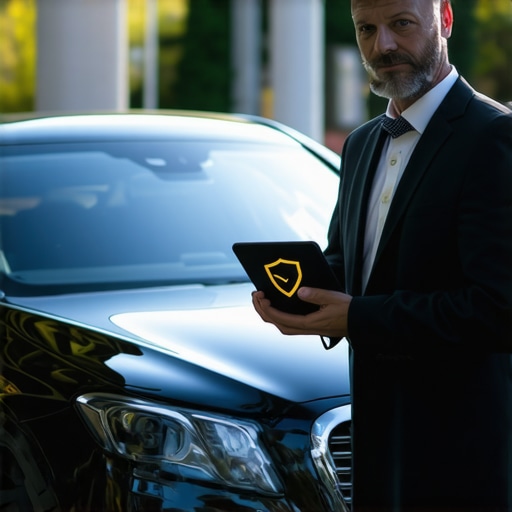
The rain was coming down in sheets, blurring the 3 AM streetlights into messy yellow smudges. I was standing on the curb, luggage in hand, watching a sedan slowly creep toward me. When the door opened, the driver looked more exhausted than I felt after a grueling ten-hour flight. I hopped in, but my stomach did an immediate somersault. He didn’t have a visible permit, and his braking was… well, let’s just call it “optimistic.” I spent the next forty minutes white-knuckling the door handle, praying we wouldn’t hydroplane into a highway median. That was the night I realized that just “booking a ride” isn’t enough. I needed someone who wasn’t just behind the wheel, but someone specifically trained to handle the unexpected. [image_placeholder]
Why I Stopped Trusting Random Apps for My Family’s Safety
Look, I’ve made the rookie mistake of double-booking backup rides thinking quantity equals quality. It doesn’t. After that rainy night, I went down a deep rabbit hole. I found out that most travelers have no idea they can—and absolutely should—request drivers with specific safety certifications like defensive driving or specialized chauffeur training. Today, I am going to show you exactly how to demand those credentials so you can stop worrying and start actually enjoying the ride. We aren’t just talking about a clean car; we’re talking about verifying a chauffeur’s permit and ensuring they have the specialized training to keep you secure in heavy traffic or late-night shifts.
Is all this extra vetting actually worth the effort?
You might think I’m being a bit paranoid. “It’s just a car ride,” right? Wrong. According to data from the National Safety Council, defensive driving courses can reduce collision rates by nearly 20%. When you are sitting in the back of a luxury sedan, you want to know the person in the front has been trained to avoid the distracted driver who just ran a red light. My early mistake was assuming every “black car” service vetted their staff the same way. They don’t. Some just check if the person has a pulse and a valid license, which is the bare minimum.
The Peace of Mind That Comes from Specific Certifications
I’ve learned that a simple “is he safe?” doesn’t cut it anymore. You have to ask about Smith System training or similar defensive driving accolades during the booking process. It changes the whole vibe of the trip. When I know my driver understands the importance of speed alerts and proactive maneuvers, I can actually open my laptop and get work done. Have you ever felt like you had to keep one eye on the road while your driver was drifting or staring at a GPS? It’s an exhausting way to travel. If you want to maximize your safety and satisfaction, you need to be vocal. Tell me, have you ever felt genuinely unsafe in a hired car because you didn’t know who was driving? I want to hear your stories because it helps us all demand better standards. We’re going to dive into the specific questions you need to ask your provider right now.
The first thing I do now, before the car even arrives, is a digital background check. It sounds intense, but it takes less than three minutes and has saved me from dozens of sketchy situations. I learned the hard way when I once booked a luxury service that turned out to be just a guy in a borrowed SUV with a cracked windshield. You need to know how to background check your private transport company in minutes to avoid the amateurs. If their website doesn’t list a physical office address or a specific commercial permit number, I’m out before I even put in my credit card details.
Once the vehicle actually pulls up to my curb, the real vetting begins. Think of it like a first date; you are looking for immediate red flags. I always make a point to check if the driver is genuinely alert. I once had a driver for a 3 AM pickup who was literally rubbing his eyes and yawning as I loaded my bags. I asked him directly, ‘How long has your shift been going?’ He hesitated, and that was all the answer I needed. Knowing how to verify your driver is not exhausted is a survival skill for anyone who travels frequently for business.
Demand Transparency Before You Step Inside the Vehicle
Instead of just hopping in and hoping for the best, I look for the permit immediately. Professional chauffeurs should have their credentials displayed or at least easily accessible. It is a fundamental part of the protocol for verifying your chauffeur’s permit. If a driver gets defensive or annoyed when you ask to see their commercial license, that is your cue to cancel the ride. A true pro understands that your safety is their only priority and will be proud to show you they are legitimate.
The Visual Maintenance Audit You Can Do in Seconds
I use what I call the ‘Maintenance Quick-Check’ to judge a company’s standards. If the car is dirty on the outside, that’s fine—rain happens. But if the tires look bald or the wipers are falling apart, what does that say about the engine and the brakes? I always perform the windshield wiper test. It’s a simple proxy for how the company treats its entire fleet. If they can’t bother with a ten-dollar blade, they aren’t checking the safety sensors either.

Why Committing to an Hourly Rate Protects Your Life
Most travelers think they are saving money by booking point-to-point, but they are actually sacrificing safety for a few bucks. When you book a driver by the hour, they aren’t rushing to finish your ride to catch the next ‘ping’ on an automated app. This is the primary reason why hourly booking is more reliable than ride-hailing apps. The driver is dedicated to you, which means they can prioritize on-time every time strategies without feeling the need to break speed limits or take dangerous risks in traffic.
I remember a trip in Chicago where a sudden protest blocked the main artery to the airport. My hourly driver calmly rerouted through side streets because he wasn’t worried about his ‘fare per mile.’ He was focused entirely on my schedule and my safety. That kind of safety precision is what gives you peace of mind. You aren’t just a number in a digital queue; you’re a client with a dedicated protector behind the wheel. Don’t be afraid to set the tone early. If you need a silent ride after a long flight, say so immediately. A professional will respect that boundaries are part of maximizing your satisfaction.
The mistake most people make is confusing a flashy interface for actual operational competence. We assume because we see a little car icon moving on a map, the logistics are sound. But let’s look at the ‘Oops’ factor that bites even seasoned travelers: the ETA trap. You’ve likely noticed that why refreshing your tracking app might give you false arrival times is practically a universal law of physics in major cities. These apps use ‘idealized’ algorithms that often ignore the reality of double-parked delivery trucks, sudden lane closures, or ‘ghost’ signals in high-rise districts. 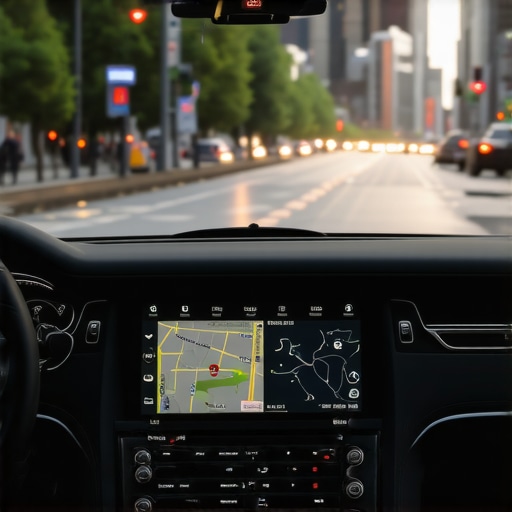
Why your tracking app is lying to you
I used to be a slave to the refresh button, but I learned that why real-time vehicle data is more accurate than estimated times often comes down to the source of the data. Consumer apps scrape general traffic patterns, whereas professional services use dedicated hardware that communicates directly with a dispatch center. According to a study by the Journal of Navigation, GPS drift in high-density urban areas can misplace a vehicle by over 100 feet, leading to those frustrating ‘your driver has arrived’ notifications when they are actually still two blocks away. This is why ensuring safety first means looking beyond the screen and trusting a service that uses multi-source telemetry rather than just a smartphone sensor.
Can a human really beat an algorithm for on-time arrivals?
The contrarian truth is that why manual reservation checks outperform automated bots is because humans understand the ‘local nuance’ that code ignores. A bot doesn’t know that a rainy Friday in the city center means the main arteries will be a parking lot due to early-leaving commuters; it just sees ‘red’ on a map once the traffic is already stuck. A human dispatcher, however, can proactively adjust a route twenty minutes before the driver even hits the jam. This level of safety precision is why why we prioritize human dispatchers over pure AI scheduling. Another trap? The ‘verbal promise.’ I’ve seen people get stranded because they trusted a phone agent’s word without a paper trail. The danger of relying on verbal confirmations for important travel is real. If it isn’t in a digital or physical reservation document, it doesn’t exist for the driver who starts his shift at 4 AM. Always demand a confirmation number and a detailed itinerary to avoid being left on the curb. Have you ever fallen into this trap where the app promised a car that never showed up? Let me know in the comments below.The reason I’m so obsessed with the ‘back-end’ of these services is that I’ve seen what happens when the tools fail. I once sat in a ride-share that ran out of gas on the I-90 during a peak-summer heatwave. It sounds like a comedy sketch, but it was 105 degrees out and the driver had no plan. Professional fleets don’t let that happen because they use sophisticated telemetry. I always look for providers who explain why real-time fuel monitoring prevents unexpected roadside stops. It’s not just about the gas; it’s a sign they are watching every metric of the car’s health in real-time.
Why dedicated GPS hardware beats your smartphone every time
Most people don’t realize that consumer smartphones are actually pretty terrible at high-speed, high-accuracy navigation in dense urban corridors. They overheat on the dashboard and lose signal under overpasses or between skyscrapers. This is exactly why we use dedicated GPS hardware instead of smartphone apps. These units have external roof-mounted antennas and significantly better refresh rates. According to technical documentation from the European Global Navigation Satellite Systems Agency (GSA), dedicated professional receivers can achieve sub-meter accuracy, which is essential to avoid the one turn that always causes delays near the city center. 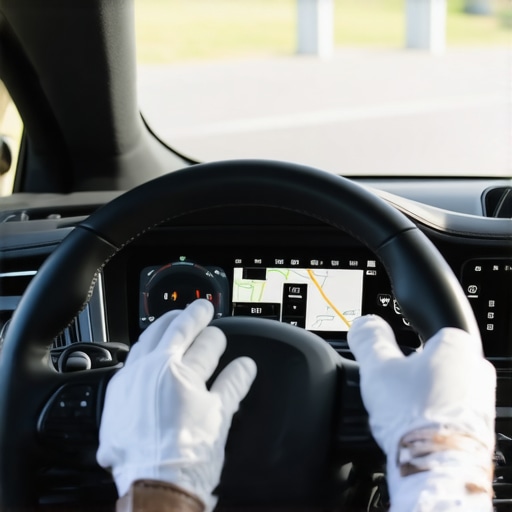
The invisible safety net of geofencing
If you really want to scale your personal security, you need to ask about geofencing. This is a digital perimeter that alerts a dispatch center the moment a car deviates from the planned route. It’s a game-changer for high-profile travel or late-night arrivals. I’ve found that why geofencing is the best way to keep your family safe during transit is often the most overlooked feature in luxury transport. It means there is a ‘guardian’ back at the home office watching the route, ensuring no unauthorized stops are made.
How do I keep my travel safety standards high over time?
Maintaining this level of security isn’t a one-and-done deal. You have to treat every booking like your very first. I keep a digital log of the drivers and companies that pass my initial audits and I make it a point to revisit the windshield wiper test once every few months with my regular providers. If the quality of the fleet starts to slip, even slightly, it’s time to move on to a new provider. Complacency is the primary enemy of safety.
Reliability starts long before the engine turns over
I’ve moved away from the ‘instant’ culture of ride-hailing because why on-demand apps often struggle with prompt airport pickups is a structural flaw in their business model. By reserving your spot in advance, you are ensuring that the vehicle has been thoroughly inspected and the driver is properly rested. The Federal Motor Carrier Safety Administration (FMCSA) studies on Electronic Logging Devices (ELDs) have shown that strict adherence to rest cycles reduces fatigue-related accidents by over 12%. I always ask my provider if they use ELDs to how to ensure your driver is not fatigued during a late night trip. I predict that sub-meter accuracy and real-time biometric fatigue monitoring will soon become the baseline for any elite service. The next time you book, don’t just ask if the car is ‘nice.’ Ask what software they use for dispatch and whether their GPS is hard-wired. Try asking your next driver about their navigation hardware—you’ll know instantly if you’re in the hands of a pro.
The One Revelation That Changed My Perspective on Hourly Booking
Through years of white-knuckling my way through city traffic, I’ve realized that safety isn’t a passive feature—it’s an active choice you make during the reservation process. One of the biggest shifts for me was understanding why safety and timeliness matter in hourly reservation services more than just convenience. When you pay for time, you remove the driver’s incentive to rush, which is the single most effective way to lower risk. I also stopped feeling ‘guilty’ about vetting. Professional chauffeurs actually appreciate it when you know reserving your spot means you value their expertise as much as your own time.
[image_placeholder_final]
How I Build My Personal Safety Blueprint for Travel
I don’t leave my arrivals to chance anymore. I rely on a specific set of standards that go beyond a sleek app interface. First, I always check if a service uses human logic over simple code because why we prioritize human dispatchers over pure AI scheduling is rooted in the ability to handle chaos that bots can’t see. I also look for providers that offer transparent essential hourly reservation tips for their clients. If they aren’t educating you on how to be safer, they probably aren’t prioritizing it themselves. Finally, I never ignore the small stuff—like the vehicle’s maintenance or the driver’s alertness—because those are the true indicators of a company’s culture.
Take Back Control of Your Next Arrival
Traveling should be about the destination and the deals you’re going to close, not whether your car is going to make it to the airport on time. By focusing on on-time arrival mastering the art of reservation and safety every hour, you shift the power dynamic back into your hands. You aren’t just a passenger; you’re an informed client who demands excellence. You deserve the peace of mind that comes with a driver who is rested, a vehicle that is maintained, and a system that tracks your progress with surgical precision. Have you ever felt like you had to take over the navigation because your driver seemed lost? Let me know your experiences in the comments below!