
The silence of a house at 3:45 AM is usually peaceful, but not when you’re staring at a ‘searching for drivers’ screen with a suitcase by the door. I remember standing on my porch three years ago, the dew soaking through my socks, realizing that my ‘scheduled’ ride wasn’t coming. It was a wake-up call—literally. Relying on a standard app at that hour is like betting your career on a coin flip. Since that morning, I’ve obsessed over the mechanics of predawn travel. We’re going to dive into why that 4 AM slot is the most dangerous time for your schedule and how you can actually sleep soundly knowing your ride is waiting.
The 4 AM Ghost Town Phenomenon
Most people think a reservation is a locked-in contract. It isn’t. In the world of on-demand transport, a 4 AM request often just goes into a queue that no one is awake to claim. I made the massive mistake of relying on verbal confirmations for important travel early in my career, assuming a ‘yes’ over the phone was enough. It wasn’t. To truly secure your spot, you need a system that accounts for the human element of the driver being asleep or, worse, just logging off for the night. You need the 3 AM pickup blueprint to ensure the person behind the wheel is actually ready to roll when you are.
Is a 4 AM booking actually any safer than winging it?
You might wonder if you’re just paying for peace of mind or actual results. The truth is, without a professional structure, you’re winging it either way. Data from the AAA Foundation for Traffic Safety indicates that early morning hours see a significant drop in active professional drivers, which can lead to longer wait times or complete cancellations. This is why I started looking for how we guaranteed an on-time arrival for a 5-am flight through more rigorous vetting. Have you ever been left standing on the curb in the dark, wondering if your ride was ever coming? It’s a gut-wrenching feeling that we’re going to eliminate today.
Why Fatigue is the Silent Reservation Killer
When you book for the middle of the night, you aren’t just fighting a lack of cars; you’re fighting human biology. You have to verify your driver is not exhausted before you step into that vehicle. Safety and punctuality go hand-in-hand here. If a driver has been pulling a double shift just to make your early bird special, your safety is at risk. That’s why extra planning isn’t just about showing up—it’s about getting there in one piece. This involves checking real-time vehicle data to ensure the car is actually moving toward you.
Manual Checks Beat Algorithms Every Time
An app notification saying ‘Your driver is assigned’ is essentially a weather forecast; a manual check is looking out the window to see if it’s actually raining. Algorithms are built for high-volume efficiency, not for the granular reliability required for your 6 AM board meeting. To bridge this gap, you must understand the difference between a reservation and a confirmed booking. A reservation is merely a request sitting in a server; a confirmation is a verified human commitment. This is exactly why manual reservation checks outperform automated bots. When a human dispatcher verifies a driver is physically awake and the vehicle is prepped at 3:15 AM, the failure rate for that 4 AM pickup drops to nearly zero. Relying on a ‘smart’ algorithm often means relying on a piece of code that doesn’t care if you miss your flight.
How I Caught a Driver Oversleeping in Real-Time
Last winter in Chicago, I had a 5:00 AM flight with zero margin for error. I’d booked a private car, but at 4:10 AM, my internal alarm went off—not my phone, but my gut. I logged into the provider’s tracking portal and saw the car’s GPS icon was stationary in a residential suburb ten miles away. Instead of waiting for a cancellation notification that would have arrived far too late, I called the 24/7 dispatch desk. This is where you learn how to spot a professional dispatch center from a call center. The dispatcher didn’t just ‘check the system status’; they called the driver’s personal cell and realized he’d slept through his alarm. They rerouted a closer vehicle immediately. If I hadn’t understood why real-time vehicle data is more accurate than estimated times, I would have been standing on the curb at 4:30 AM watching my travel plans evaporate.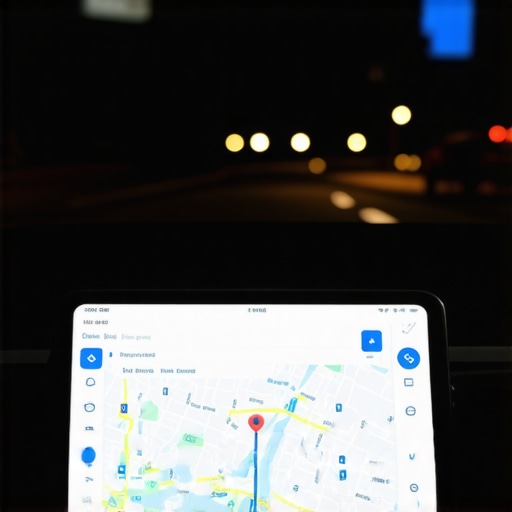
Build a Three-Minute Buffer Into Your Departure
I treat travel like a precision engine; one loose bolt and the whole thing rattles apart. Most travelers time their walk to the curb for the exact minute the car is scheduled to arrive. Don’t do that. You need the 3-minute buffer that saves you from missing the train or your flight. This isn’t just about the driver’s punctuality; it’s about the time it takes to secure your luggage, verify the vehicle’s credentials, and settle in. Before you even touch the door handle, knowing how to verify your driver is not exhausted should be your top priority. Look for the signs: are they alert and making eye contact? Is the car clean and the windows clear? A professional who has rested specifically for the early shift will have a vastly different energy than someone chasing a late-night surge price at the end of a grueling 12-hour shift.
The Safety Audit You Should Do on the Sidewalk
Safety isn’t a passive experience; it’s an active audit you perform before the car moves. When the vehicle pulls up, your first move shouldn’t be opening the door. It should be a three-second scan for commercial plates and professional attire. This is a critical part of reserving your spot and guaranteeing safety. If you feel rushed by the driver, that’s an immediate red flag. A true pro knows that safety and precision are the key to reliable hourly reservations. They will wait for you to settle, confirm your destination, and ensure the climate control is to your liking before the wheels even turn. Furthermore, using a secure gateway for payment during the booking phase ensures you aren’t fumbling with credit cards in the dark, which keeps your financial data as secure as your physical person.Let’s dig deeper. Most travelers believe that if a car is scheduled for 4:00 AM, the driver should pull up at exactly 4:00 AM. This is a dangerous misconception. In the world of high-stakes travel, being “on time” is actually late. A true professional operates on a fifteen-minute “on-station” buffer. If you are waiting until the clock strikes the hour to see headlights, you have zero margin for error if a tire is low or a gate code fails. This “just-in-time” mentality is why one-way bookings often lead to unnecessary stress for travelers who find themselves constantly chasing the next vehicle. Professionals know that those fifteen minutes are used to adjust for unexpected roadblocks or security gate delays before the clock even starts.
Does booking by the hour actually protect your bottom line?
You might think paying for idle time is a waste, but you need to understand the hidden math behind why hourly chauffeurs save executives money. It isn’t just about the car; it’s about the elimination of “transition friction.” According to the National Safety Council, driver fatigue and the stress of “hunting” for the next fare significantly increase accident risks. By securing an hourly professional, you ensure your driver is focused solely on your safety rather than their next payout. This is one of the core strategies for safe and reliable hourly bookings that separates the amateurs from the pros. When a driver is bouncing from app-call to app-call, their attention is divided between the road and their next potential dollar. An hourly reservation aligns your interests with theirs, creating a protective bubble of focus. There is a massive “Oops” factor I see with even seasoned travelers: the double-booking trap. Some try to hedge their bets by ordering a rideshare app while their private car is en route. This is a nightmare for logistics and why double-booking a backup ride is a sign of a planning failure. It splits your attention when you should be performing a final safety check on the primary vehicle. Instead of worrying about a backup, spend those three minutes learning how to check a vehicles safety rating before you book your ride and how to ensure your driver is not fatigued during a late-night trip. Another nuance people miss is the “safety audit” of the route itself. Relying on basic navigation apps is a rookie mistake; pros use dedicated hardware that tracks commercial restrictions and real-time accidents that consumer apps often lag on. Have you ever fallen into this trap and ended up with two cars and a massive headache? Let me know in the comments.
The Tools That Actually Deliver Results
Beyond just avoiding scheduling traps, I’ve learned that the physical gear inside the car is just as important as the calendar entry. You see, most on-demand apps rely on a driver’s aging smartphone, which is prone to overheating and signal drops. That is precisely why we use dedicated GPS hardware instead of smartphone apps. These professional units have external antennas and constant pings that a standard iPhone simply can’t match in the ‘urban canyons’ of a downtown city center. This hardware ensures that when you check the status of your essential hourly reservation, you are seeing a real-time reality, not a cached image from three minutes ago.
How do I maintain these high standards over time?
Consistency isn’t a happy accident; it’s a checklist. I personally use two ‘quick-glance’ tests the moment a car pulls up to verify long-term maintenance. First is the windshield wiper test. If a driver hasn’t bothered to replace $20 blades, they likely haven’t checked the $2,000 transmission either. Second, listen for the brake pad squeal you should never ignore before a long trip. These details tell you if the vehicle is safe for high-speed highway travel or just ‘good enough’ for a quick hop across town. You can also perform the floor mat check to judge the driver’s attention to detail; a clean cabin usually correlates with a safer, more focused driving style.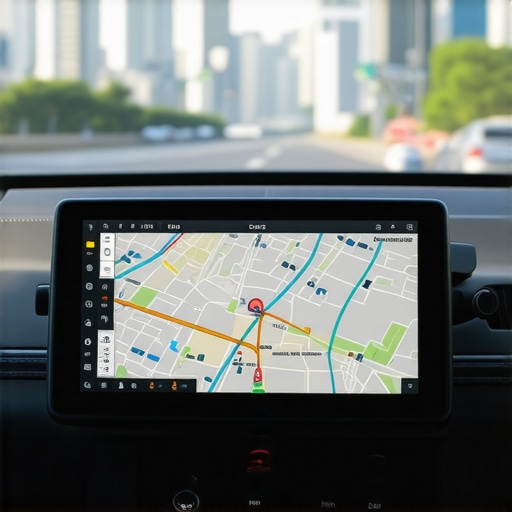
Why Humans Still Beat the Best Algorithms
While tech handles the tracking, a human still manages the crisis. We have found that prioritizing human dispatchers over pure AI scheduling is the only way to account for ‘black swan’ events like sudden road closures or last-minute flight diversions. According to technical documentation on safety-critical systems from the IEEE, ‘human-in-the-loop’ (HITL) configurations are significantly more resilient to unexpected variables than fully automated counterparts. This human layer is what allows you to ensure your hourly driver stays within safe speed limits while still meeting a tight deadline. Looking forward, I predict that while AI will handle the bulk of basic routing, the gold standard for high-stakes travel will remain a manual, human-verified 3 AM pickup blueprint. It is the only way to guarantee that a living soul is accountable for your punctuality. Before your next early flight, try this: ask your provider for a physical confirmation of the vehicle’s last maintenance audit. It’s a small step that separates the pros from the apps.
The Price of a Fifty-Dollar Lesson in Reliability
Over a decade of predawn departures, I’ve realized that the most expensive ride is the one that never shows up. Here is what I know now that I wish I knew then:
- Trust is earned, not toggled. Just because an app allows you to ‘schedule’ doesn’t mean a driver is obligated to show. Real reliability requires a service that treats an on-time reservation as a binding contract, not a suggestion.
- Biology wins every time. A driver at 4 AM is either ending a long night or struggling to wake up. This is why on-demand apps often struggle with prompt airport pickups; the pool of alert, willing drivers is at its lowest.
- Professionalism is visible. You can tell a driver’s commitment level by their preparation. If they haven’t verified your gate or flight status, they aren’t working for you; they’re just driving a car.
#IMAGE_PLACEHOLDER_E#
The Gear That Keeps Me On Schedule
I don’t leave my schedule to chance, and neither should you. I personally vet every service against these three criteria to ensure my precise reservation timing holds up:
First, I only use providers that can demonstrate the proper way to audit your drivers commercial insurance. If they are evasive about their coverage, they are likely cutting corners elsewhere. Second, I look for companies that use dedicated hardware—this helps how to tell if your driver is properly rested because professional systems often include fatigue-monitoring logs that consumer apps ignore. Finally, always verify the communication loop. A service that doesn’t offer a direct line to a dispatcher is a service that will leave you stranded.
Take Back Your Morning Sleep
The goal of a well-executed travel plan isn’t just to get to the airport; it’s to eliminate the cortisol spike that ruins your morning. When you transition from ‘hoping’ for a car to knowing your professional chauffeur is already on-station, your entire travel experience changes. You can finally stop staring at a map on your phone and start focusing on the day ahead. Investing in a high-quality hourly reservation is an investment in your own peace of mind.
Have you ever had a pre-booked ride fail you at the last minute? Let me know in the comments below.