I still remember the sweat prickling my neck at Terminal 4 last summer. I was tasked with gathering eight family members—ranging from a toddler to my eighty-year-old grandmother—into three separate vehicles. It felt like herding caffeinated cats in a thunderstorm. My phone was a buzzing nightmare of ‘Where are you?’ and ‘My flight just landed!’ texts, yet I had no idea which car was stuck in traffic and which was circling the departures level. That afternoon was a disaster, and it was entirely my fault because I thought verbal confirmations were enough. Today, I want to save you from that same gray hair by showing you how to turn a logistical nightmare into a choreographed dance using modern tracking tools.
Stop Guessing and Start Seeing Your Ride in Real Time
The biggest mistake I made early on—and I still see people doing it every day—was trusting a ‘five minutes away’ text message. People are optimistic; GPS data is honest. When you’re managing multiple arrivals, instant vehicle tracking is a requirement for any modern outing, whether it’s a corporate retreat or a wedding. I learned the hard way that real-time vehicle data is more accurate than any estimated time a distracted driver might give you over the phone. By looking at a live map, you can see if a driver took a wrong turn or is stuck behind a delivery truck, allowing you to adjust your group’s exit timing perfectly.
[IMAGE_PLACEHOLDER]
Does having all this data actually make the pickup faster?
You might think that staring at a map makes you more anxious, but it’s actually the opposite. According to data regarding modern transit logistics, real-time information can reduce perceived wait times significantly because it eliminates the uncertainty that breeds stress. When you know exactly where the car is, you don’t have to stand on the curb in the rain; you can stay inside until the icon is two blocks away. Have you ever been the person standing at the wrong terminal door while your driver is waiting three gates down? It’s frustrating, isn’t it?
Using a system that allows you to coordinate a 10-vehicle convoy or even just a couple of cars ensures that everyone arrives at the same time. This is especially vital when on-demand apps often struggle with the complexity of airport logic. We aren’t just looking for a ride; we are looking for a synchronized arrival that keeps the group together and the schedule on track.
I once booked a “confirmed” shuttle for a tech keynote speaker in Chicago. The dispatcher promised me over the phone everything was set. But when the time came, the driver was nowhere to be found, and the dispatcher’s line went to voicemail. I was left standing there with a frustrated executive, realizing that the danger of relying on verbal confirmations for important travel is that ‘yes’ means nothing without a digital or paper trail. Since then, I’ve made it a rule: if it isn’t in writing, it doesn’t exist.
Lock in your plans with a paper trail
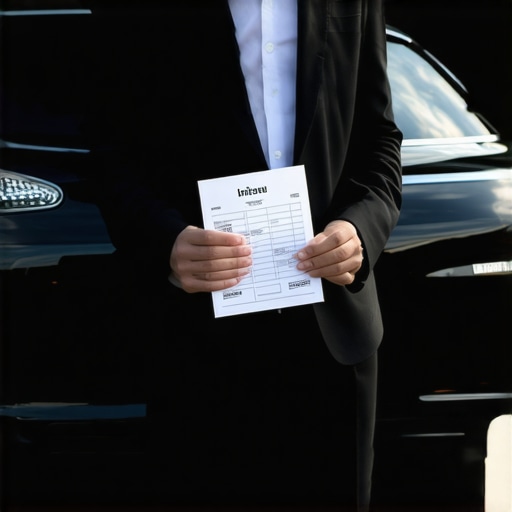
You need to move past the handshake agreement and get into the habit of formal verification. Before you even think about heading to the curb, you should have a confirmed itinerary sitting in your inbox or, better yet, printed out. This is why I always tell my friends why you must demand a physical copy of your trip reservation. Having a hard copy doesn’t just give you peace of mind; it acts as an undeniable proof of service if there is a dispute about the pickup time or the vehicle type. It’s your insurance policy against the classic ‘the system glitched’ excuse that low-budget operators love to use.
Secure your spot the right way
When you are reserving your spot to guarantee safety and punctuality 24/7, you need to check the fine print for specific vehicle identifiers. I’ve seen people book what they thought was a premium SUV only to have a beat-up van from the 90s roll up because they didn’t have a confirmed vehicle class on their paperwork. A physical reservation ensures you get the exact level of service you are paying for, especially when every minute of your hourly booking is costing you money.
Run a 30-second safety audit on the fly
Once the car pulls up to the curb, your role shifts from coordinator to safety inspector. You are the final filter for your group’s well-being. I’ve had drivers who looked like they hadn’t slept since the previous weekend, and I’ve had cars that sounded like they were held together by duct tape. Now, I use a few quick tricks to see if we’re actually safe to pull away. First, look at the equipment. Use the windshield wiper test as a quick way to check fleet maintenance—if the blades are dry-rotted or the fluid doesn’t spray, the owner is likely cutting corners on critical components like brakes or tires. Similarly, as the car approaches, listen for the brake pad squeal you should never ignore before a long trip. If the vehicle is making a high-pitched grinding sound, it’s a red flag that maintenance is being deferred.
Check the driver before you buckle up
Technical safety is vital, but human alertness is the variable that causes the most trouble. I always start the ride with a quick, friendly question to gauge the driver’s responsiveness. You need to know how to verify your driver is not exhausted before you let them merge onto a high-speed freeway. Look for heavy eyelids, slow verbal responses, or a lack of focus on the road ahead. If the driver seems fatigued, it is better to cancel the ride and take the hit on your schedule than to risk a collision.
Stop waiting on the curb like a tourist
The final step in this logistical dance is the ‘Last Mile’ coordination. Most people wait until their phone says ‘Driver is outside’ before they even start gathering their bags. That’s a mistake that leads to missed connections and chaotic searches in a crowded terminal. Instead, aim for the precise pickup window for ensuring you never wait on the curb. This means positioning your group at the designated exit exactly two minutes before the car’s arrival. This timing minimizes your exposure to the elements and prevents the driver from being shooed away by airport security for idling too long.
Pivot without the drama
Traffic is a living, breathing obstacle that changes every second. If your tracking app shows a sudden block of red on your intended path, don’t just sit there and hope for the best. You need to know how to handle a route change mid-trip without confusion. I once avoided a massive pile-up in New York because I noticed the map turn red three miles ahead and asked the driver to take an alternate exit I had already scouted on my own device. Because I was actively monitoring the data, I transformed from a passive passenger into an informed traveler who kept the whole day on track.
Let’s be honest: most people view hourly bookings as an unnecessary splurge, something reserved for bridal parties or high-flying executives with expense accounts. But that’s the first big myth I had to unlearn. In reality, hourly transportation is the secret weapon for event planners and savvy travelers because it eliminates the ‘stranded risk’ that point-to-point services ignore. If you’ve ever been left outside a venue at midnight because your ride-share driver canceled, you know the true cost of ‘saving’ a few bucks. I’ve found that how hourly booking prevents you from being stranded in rain or unsafe areas is worth every penny of the premium.
The High Cost of Saving Pennies on One-Way Rides
The biggest trap? Thinking a one-way booking is ‘good enough’ for a tight schedule. Why one-way bookings often lead to unnecessary stress for travelers is because you lose control of the environment the moment you step out of the car. When you have a dedicated driver, you aren’t just buying a ride; you’re buying a mobile headquarters. In fact, a study by the Global Business Travel Association (GBTA) suggests that travel-related stress can reduce employee productivity by up to 32%. Choosing why hourly drivers offer better mental clarity for busy executives isn’t about luxury; it’s about maintaining your edge.
Can a reservation still fail if the company ‘confirms’ it?
This is the ‘Oops’ factor most people ignore: there is a massive difference between a reservation and a confirmed booking. A reservation is often just a placeholder in a system, while a confirmed booking means a specific vehicle and driver have been dispatched or assigned. I always tell people to how to background check your private transport company in minutes before trust is established. You should also ensure how to verify your payment is processed via a secure gateway so you aren’t leaking data to a fly-by-night operation.
[IMAGE_PLACE_HOLDER_C]
I’ve seen travelers lose hundreds of dollars because they didn’t realize their ‘reservation’ was actually just an inquiry. Always look for a specific booking ID and a driver name before you consider the deal done. If you’re managing a group, this distinction becomes even more critical because one failed car can derail the entire itinerary. Have you ever fallen into this trap of assuming a ride-share was ‘safe enough’ only to have a logistical nightmare? Let me know in the comments below.
Protect Your Digital Footprint Along with Your Commute
We also need to talk about digital safety. Many travelers worry about the car’s brakes but ignore their own data. The Wi-Fi risk: why you should never check your bank in a hired car is a real threat in the age of public hotspots often found in transit vehicles. Professional services that protect your personal phone number during the booking process are the standard you should demand. Safety isn’t just about avoiding a collision; it’s about ensuring your private information stays private from the moment you book until the moment you reach your destination.
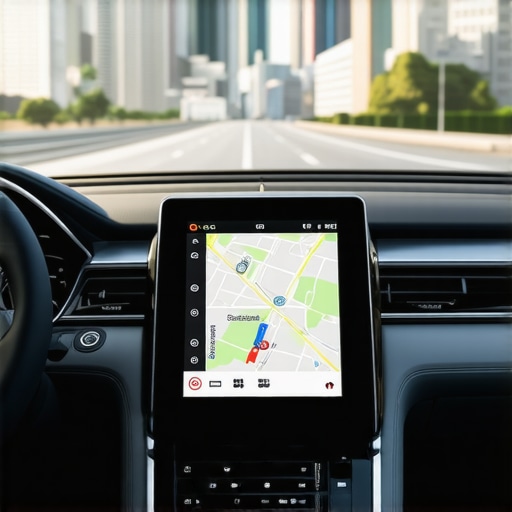
Scaling this level of precision across multiple trips or a large group requires more than just good intentions; it requires a toolkit that doesn’t fail when the cellular signal drops. I used to rely on my personal phone for everything, but after a dropped call cost me a meeting in a basement-level parking garage, I realized the hardware matters. I’ve learned that why we use dedicated GPS hardware instead of smartphone apps is about signal reliability in those “urban canyons” where Google Maps often loses its mind. These dedicated units tap into multiple satellite constellations, ensuring that real-time vehicle data is more accurate than any consumer app could hope to be. When I see a car on my screen now, I know it is actually there, not just a ghost of a cached location.
The hardware that keeps the wheels turning
Maintenance isn’t just about the oil and tires; it is about the telematics. One feature I have started demanding is transparent telemetry. For example, why real-time fuel monitoring prevents unexpected roadside stops is a lesson I learned during a cross-state transfer when our driver had to pull over for gas with twenty minutes to go before a board meeting. It was embarrassing and avoidable. Modern professional fleets now use integrated sensors to ensure the car never hits the curb with less than a half-tank. If the company you use isn’t monitoring their fleet’s vitals remotely, they are waiting for a failure to happen on your time.
How do I maintain this level of precision for every trip?
The secret is a “Trust but Verify” workflow that combines high-tech tools with human intuition. While AI is great for crunching traffic patterns, why we prioritize human dispatchers over pure AI scheduling is because a human can hear the stress in a driver’s voice or understand that a local parade isn’t on the digital map yet. According to a report by the Eno Center for Transportation, human-in-the-loop systems reduce logistical errors by a significant margin compared to fully automated dispatching in complex urban environments. This human element is what allows you to know how to modify your group reservation without starting from scratch when plans inevitably shift at the last minute.
The future of your private commute
Looking ahead, I predict we will see an even deeper integration of “Predictive Punctuality.” We are moving toward a world where your car knows your flight is delayed before the airline even sends the notification, adjusting the pickup window autonomously. But until that is perfect, your best bet is to stay active in the process. I challenge you to try one thing on your next ride: ask your driver what tracking software they use. If they point to a cracked smartphone on the dashboard, you know you need to level up your standards. Take control of your schedule by insisting on a service that treats your time with the same respect as a precision instrument.
Why Your Arrival Time Is Actually a Safety Metric
Over the years, I’ve realized that being on time isn’t just about politeness; it is the ultimate indicator of a well-run operation. If a company can’t manage their schedule, they probably aren’t managing their brake pads or driver rest cycles either. One hard lesson I learned is the difference between a reservation and a confirmed booking. A reservation is a hope; a confirmation is a promise backed by a specific vehicle and driver assignment. I also stopped assuming every driver was ready for the road. Now, I always take a second to learn how to ensure your driver is not fatigued during a late-night trip. It’s a simple conversation that can save a life.
[IMAGE_PLACEHOLDER]
The Gear That Keeps My Travel Schedule From Crashing
To pull this off consistently, you need more than just a phone. I’ve built a personal toolkit that I never travel without. First, I use high-fidelity flight tracking apps to cross-reference what the airline says with what the radar shows. Second, I always perform a quick digital sweep of my service provider to how to background check your private transport company in minutes. Third, I rely on services that understand why instant vehicle tracking is a requirement for modern business. These tools transform you from a passenger who is ‘waiting’ into a coordinator who is ‘overseeing’. This allows for unmatched precision in every transfer.
Elevate Your Next Arrival
Travel should be about the destination, not the anxiety of the journey. When you take these steps—verifying your booking, auditing the vehicle’s safety, and staying informed through real-time data—you reclaim your peace of mind. By focusing on ensuring safety and punctuality, you aren’t just getting a ride; you are securing a professional experience that respects your time and your well-being. Don’t leave your logistics to chance on your next trip. You have the tools now; use them to travel with confidence. What’s the one ‘close call’ you’ve had that made you rethink how you book your travel? Let me know in the comments below!