
I remember sitting in the back of a generic rideshare about three years ago, sweating through my shirt while my brain frantically rehearsed a pitch I wasn’t actually ready for. My driver was squinting at a tiny phone screen, taking a left turn that led us straight into a construction bottleneck. I wasn’t thinking about my strategy. I was thinking about the ticking clock. That was my “never again” moment. When your brain is constantly scanning for the next ride or worrying if the driver knows the shortcut, you aren’t leading—you’re just reacting.
Your Car Should Be an Office Not a Source of Stress
The biggest mistake I made early in my career was thinking I was being frugal by booking individual trips. I thought I was saving the company money, but I was actually wasting my most valuable asset: my focus. By switching to a dedicated service, I found that personal drivers offer better productivity than rideshare apps simply because the mental load of logistics disappears. When you know your driver is waiting at the curb for the next three stops, you can actually stay in the zone. This is especially true if you are handling multiple site visits in a single afternoon.
According to research published in the Harvard Business Review, high-level decision-makers suffer from “decision fatigue” after making too many trivial choices. Why let “which exit do we take?” be one of those choices? Today, I’m going to show you how to reclaim that headspace and why a dedicated reservation is the ultimate executive power move.
Will an hourly rate actually save me money in the long run?
I get the skepticism. It feels like you’re paying for idle time. But when you look at the hidden math behind why hourly chauffeurs save executives money, you realize the cost of a missed connection or a frazzled presentation far outweighs the hourly rate. Have you ever walked out of a meeting feeling totally drained just because the commute there was a nightmare? If so, you’re exactly who I wrote this for.
We are going to dive into how safety and precision provide peace of mind that you just can’t get from an app. Let’s look at the logistics of staying on track without losing your mind.
Take Control of Your Schedule Before You Even Leave
I learned the hard way that a reservation is only as good as the buffer you build into it. Last November, I was managing a three-city site visit in downtown Chicago. I had scheduled everything down to the second, thinking I was being efficient. Then, a surprise protest blocked off four blocks of Michigan Avenue. If I had used a standard app, I would have been standing on a curb for forty minutes while drivers canceled one after another. Instead, because I had a dedicated driver, he was already two steps ahead. He used on-time arrival mastering the art of reservation and safety every hour to loop around the congestion before I even finished my coffee. This is why staying secure and punctual starts with your booking strategy, not just the car ride itself.
Time Your High-Rise Exit Like a Pro
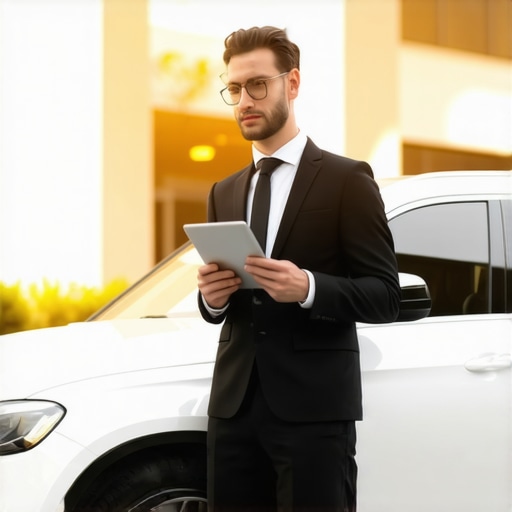
The “curbside dance” is the most stressful part of any commute. You’re in an elevator, the doors are slow, and you’re worried your driver will get ticketed for idling. Stop rushing. You need to learn how to time your exit from a high-rise to meet your driver perfectly. I usually signal my driver when I’m walking toward the elevator bank, not when I’m on the sidewalk. This gives them time to pull from a nearby staging area without blocking traffic. It’s about creating a hand-off as smooth as a relay race baton pass.
Look for the Windshield Wiper Clue
Safety isn’t just about driving speed; it’s about maintenance. When the car pulls up, I do a five-second “audit.” I call it the windshield wiper test. If the blades are frayed or the tires look bald, the company is cutting corners. A driver who cares about why driver speed alerts are the backbone of passenger safety will also care about the tread on their tires. If the car looks neglected, your safety is likely being neglected too. I once refused a ride because the interior smelled like a mechanic’s shop—it was a messy conversation, but my gut was right; the car broke down three miles later.
Handle Mid-Trip Changes Without the Headache
The beauty of an hourly booking is that your destination isn’t set in stone. In the old days, if I wanted to stop for a quick lunch or pick up a client, I had to end the trip and hope for a new driver. Now, I just tell the driver we’re making a pivot. You need to know how to change your ride plans mid-trip without the hassle. It’s like having a mobile office that follows your whim rather than a rigid train schedule. This flexibility is the “secret sauce” for anyone doing multiple site visits in a single afternoon. When you are the boss of the itinerary, the stress of the “estimated arrival time” simply evaporates.
Most people believe that the blue dot on their phone is an infallible source of truth, but I’ve learned that relying solely on an app is a rookie mistake. In my experience, the reason your real-time map sometimes lags in the city is often due to signal bouncing off skyscrapers, creating a false sense of security. While everyone else is staring at a loading screen, pro travelers know that why real-time vehicle data is more accurate than estimated times often comes down to the driver’s local knowledge of unmapped construction and sudden street closures that haven’t hit the cloud yet. 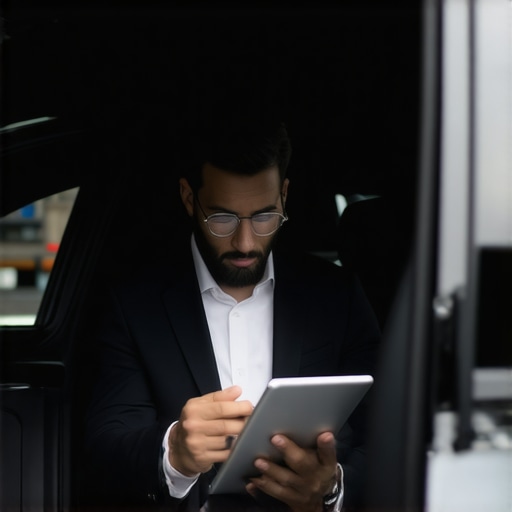
The Real Difference Between a Tech Platform and a Service
A study by the Journal of Transport Geography highlighted that ‘algorithmic routing’ often fails to account for micro-level traffic anomalies like double-parked delivery trucks or sudden lane closures in high-density areas. This leads us to the ‘Oops’ factor: assuming that because you have a ‘confirmed’ status in an app, there is actually a human looking at your trip. I’ve found that why manual reservation checks outperform automated bots is simple—a human dispatcher can see a local parade route or a dignitary’s motorcade before the algorithm even processes the slowdown. Have you ever fallen into this trap and been left stranded because an app couldn’t adapt? Let me know in the comments.
Why is a written confirmation more valuable than a digital notification?
I cannot stress this enough: the danger of relying on verbal confirmations for important travel is a risk you shouldn’t take when your career is on the line. A digital notification can be a glitch; a physical or PDF itinerary is a contract. Beyond the paperwork, you should also be auditing the human behind the wheel. Learning how to verify your driver is not exhausted is a sophisticated safety step that most people skip. If they’re yawning or shifting constantly before you’ve even left the curb, that’s a red flag no app will catch for you. This is why I always suggest reserving your spot how to guarantee safety and punctuality 24/7 through a service that employs human dispatchers over pure AI scheduling.
Spot the Fatigue Before the Trip Starts
The nuance of safety isn’t just about the car; it’s about the pilot. When you have a high-stakes mission, like a 4 AM airport run, you need the 3 am pickup blueprint ensuring your driver is awake and ready. Most people think they are being safe by booking ‘premium’ on an app, but they don’t realize the driver might have been online for twelve hours straight. A professional hourly service enforces rest periods that apps often ignore. By prioritizing safety precision the key to reliable hourly reservations for peace of mind, you aren’t just buying a ride; you’re buying a vetted environment where the driver’s focus is exclusively on your itinerary, not their next gig-economy fare.
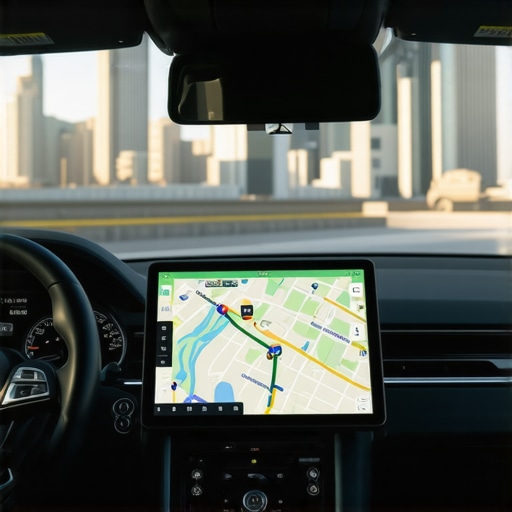
Beyond the human element of driving, I’ve started looking closely at the gear inside the cabin. If I see a driver juggling two different consumer-grade iPhones on a suction-cup mount, I know I’m likely in for a subpar experience. Through years of trial and error, I’ve found that why we use dedicated GPS hardware instead of smartphone apps is the primary differentiator between a smooth exit and a missed turn in a busy tunnel. Smartphones overheat and lose satellite locks in high-density urban canyons; dedicated telematics do not. When I book an hourly service, I expect a mobile command center, not a glorified taxi.
Smartphones Are for Texting Not Professional Navigation
The tech stack of a private car is the silent partner in your productivity. I always look for a dash-mounted tablet that integrates directly with the vehicle’s diagnostic port. This setup allows for why real-time fuel monitoring prevents unexpected roadside stops and provides the driver with hyper-accurate data that a standard map app simply can’t match. As noted in a recent report by the International Journal of Automotive Technology, dedicated telematics systems provide up to 15% better uptime in signal-poor environments compared to consumer smartphones. It’s about ensuring that the logistics are as reliable as the engine itself.
Listen for the Squeal Before You Pull Away
Maintenance isn’t just a box to check on a spreadsheet; it’s a sensory experience. I’ve trained my ears to recognize the brake pad squeal you should never ignore before a long trip. It is a specific, high-pitched metallic chirp that tells you the safety margin is thinning. If a fleet manager isn’t catching that, they definitely aren’t practicing on-time every time strategies for safe and reliable hourly bookings. You want a provider that treats vehicle health with the same rigor a flight crew treats a pre-flight checklist. If the car sounds rough, your schedule will likely follow suit.
How do I maintain a high standard of travel safety every time?
Consistency in luxury travel comes from the audit. After every trip, I take a quick moment to how to audit your final ride bill for hidden fees and verify if the service actually matched the premium promise. Does the company employ how to ensure your hourly driver stays within safe speed limits through automated backend monitoring? If they don’t have a system watching the driver’s pace and braking patterns, you are essentially relying on the driver’s mood rather than a corporate safety standard.
The Future of High-End Travel Oversight
I predict the next five years will see a total shift toward predictive safety AI in the private transport sector. We are moving away from simple GPS tracking and into an era where the vehicle reports its own health—tire pressure, fluid levels, and brake wear—directly to the dispatcher in real-time. This level of transparency ensures that safety precision the key to reliable hourly reservations for peace of mind is guaranteed by data, not just a driver’s word. For your next trip, try this: Ask your dispatcher what specific telematics system they use to monitor fleet safety. If they can’t give you a name, they aren’t managing your safety—they’re just hoping for the best.
What I Finally Learned After 500 Hours in the Back Seat
One of the most profound shifts in my mindset occurred when I realized that being a passenger is a skill, not a passive state. I used to think asking questions was being “difficult,” but now I know it’s simply being prepared. First, never rely on a glitchy phone screen; always demand a physical copy of your trip reservation to ensure the details are locked in. I’ve also learned to live by the 3-minute buffer that saves you from missing the train or any high-stakes connection. Finally, I realized that if your driver isn’t visible ten minutes early, the system has already failed you. Precision isn’t a luxury—it’s a requirement.
The Logistics Toolkit for Flawless Arrivals
To maintain this level of performance, you need to look beyond the car door and audit the infrastructure behind it. I highly recommend learning how to background check your private transport company in minutes before signing a long-term contract. I also personally rely on knowing how to spot a professional dispatch center from a call center. A real dispatch center has eyes on the road and active scanners, whereas a call center just reads a script. For anyone serious about their schedule, I suggest reading my guide on on-time reservations at any hour to understand why a human touch outperforms software every time.
Stop Stressing the Commute and Start Owning Your Day
Your time is the only resource you can’t replenish. When you secure a dedicated service, you aren’t just paying for a ride; you are buying back the mental energy you used to spend worrying about parking, traffic, and the “where is my driver” game. Making a professional hourly reservation is about more than just comfort—it’s about operational excellence and why safety and timeliness matter to your personal brand and productivity. Go out there, book with total confidence, and focus your energy on the work that actually moves the needle. Have you ever been left stranded by a glitchy app just when you needed to be at your best for a meeting? Let me know your story in the comments below.