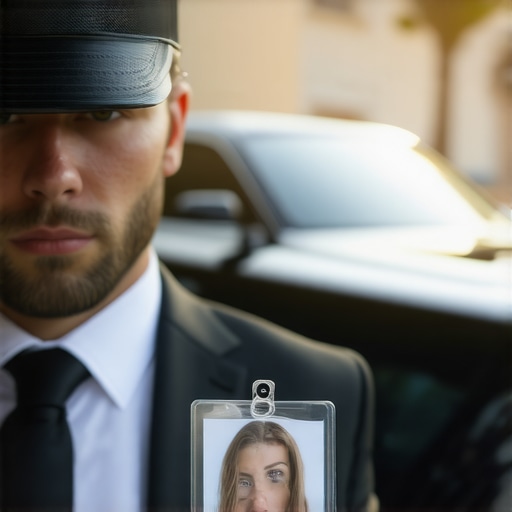
I still remember standing on a rain-slicked curb in downtown Chicago, clutching my briefcase and watching the minutes tick past my reservation time. When a sleek black sedan finally pulled up, the driver was wearing a sharp suit and offered a polite smile, but something felt off. I asked a simple question about his commercial permit, and his face went blank. It turned out he was a cousin of the actual driver, ‘filling in’ using a borrowed account. That night, I realized that a clean car and a tie are just props if the legal backbone isn’t there. Since that shivering realization, I’ve made it my mission to never let a friend or neighbor hop into a vehicle without knowing exactly who is behind the wheel. Today, I’m going to show you how to peel back the curtain on the protocol for verifying your chauffeur’s permit so you can stop guessing and start traveling with genuine peace of mind.
Your Chauffeur Looks Professional—But Is the Paperwork Real?
Early in my travels, I made the classic mistake of equate a luxury vehicle with high-level vetting. I assumed that if the leather was pristine, the driver must have passed every background check in the book. I was wrong. A permit isn’t just a piece of paper; it is proof of insurance, specialized training, and a clean record. You need to know how to properly check those credentials without coming off as rude or confrontational. It is about your life, after all. According to data from the International Association of Transportation Regulators, unlicensed transport services often lack the commercial-grade insurance required to protect passengers in an accident. This isn’t just about red tape; it’s about making sure you aren’t riding with a driver using a deactivated or suspended account. When you book an hourly reservation service, you are paying for a professional, not a hobbyist. Have you ever felt that sudden pit in your stomach when a driver didn’t seem to know the basic safety protocols of their own vehicle?
Is checking a permit actually worth the awkwardness?
I get it—you don’t want to be ‘that person.’ You want to be the cool, relaxed traveler who just slides into the backseat and goes. But let me tell you, the thirty seconds of potential awkwardness is a small price to pay compared to the risk of an unverified ride. Real pros actually love it when you ask. A legitimate chauffeur is proud of their credentials and will often have them displayed or ready to show. Part of the protocol involves spotting a real commercial plate before you even open the door. If they get defensive, that is your cue to walk away. We are going to dive into the exact steps to verify these permits quickly, but first, I want you to remember that your safety is the only priority that matters when the wheels start turning.
Look for the physical permit before you sit down
Think of a chauffeur’s permit like a pilot’s license; you wouldn’t want to be at thirty thousand feet before realizing the person in the cockpit is just ‘winging it.’ The moment the car pulls up, your verification process begins. Most jurisdictions require a physical permit or a chauffeur’s hack license to be displayed in a visible location, usually near the visor or on the dashboard. It is a quick visual handshake that says, ‘I am legal, and I am insured.’ I once had a driver in Miami who tried to hide his permit behind a stack of papers. When I asked to see it, he claimed it was at the office. I didn’t get in. It’s better to stand on the sidewalk for five more minutes than to risk a ride with zero liability coverage. Before you even touch the door handle, you should spot a real commercial plate. If the car has standard plates but claims to be a pro service, that is your first red flag that the proper way to audit your drivers commercial insurance has already been bypassed by the company.
The three-second ID match strategy
Once you are at the window, ask the driver for their name before offering yours. A true professional will never lead the conversation by asking, ‘Are you [Your Name]?’ as that allows any random person to pretend they are your ride. Instead, confirm their identity against the information in your booking. If you used an hourly reservation service, your confirmation should already have the driver’s name and vehicle details. I remember a messy situation in London where two identical black SUVs arrived at once. By performing a quick safety certification check and matching the driver’s face to their ID, I avoided getting into a car destined for a completely different part of the city. This isn’t just about identity; it’s about guaranteeing safety and punctuality 24/7 by ensuring the person behind the wheel is the one the company actually vetted.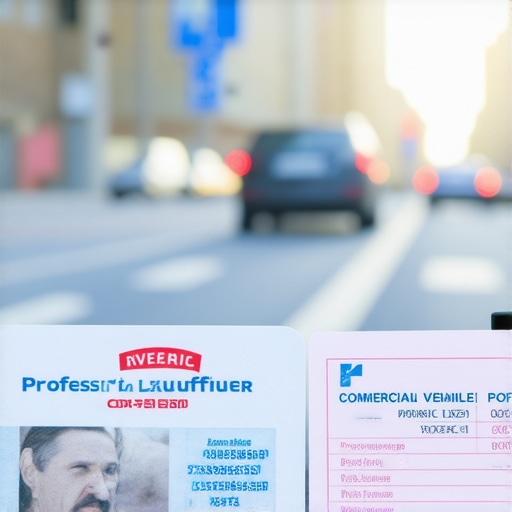
Audit the digital footprint of your ride
In the age of apps and digital bookings, the paperwork often lives on a server. However, you should still see evidence of a secure booking protocol. A legitimate chauffeur will be using a dedicated tablet or a mounted device for their dispatch, never just a personal phone held in their hand. If you see them toggling between social media and a map, they are likely a hobbyist, not a professional. This matters because driver speed alerts and real-time monitoring are only possible when the driver is using professional-grade software. I once used a service where the driver was clearly using a suspended account under a different name. The ‘math’ of the trip felt off—the ETA kept jumping and the route was erratic. When you book an hourly rate, you gain the benefit of protection from unforeseen traffic jams because the driver is incentivized to prioritize your safety over cramming in as many fares as possible. Always verify that your confirmed booking includes the vehicle’s specific registration number, and do not be afraid to compare it to the permit on the dash.The polished sedan and the silk tie are great, but there’s a trap most travelers fall into: the assumption that a high-end vehicle automatically equates to high-end maintenance. I’ve seen six-figure cars with bald tires and squealing brakes because the owner spent the entire maintenance budget on marketing. A true professional doesn’t just show you a shiny hood; they pass the windshield wiper test and provide transparent records of their mechanical history. In fact, safety studies frequently highlight that mechanical failure in hired vehicles is often linked to ‘lifestyle’ operators who skip routine checks to save on overhead costs. This is the ‘oops’ factor you cannot afford. Most people think a reservation is a safety guarantee, but there is a massive difference between a reservation and a confirmed booking where a specific vehicle and driver are actually assigned to your safety profile. 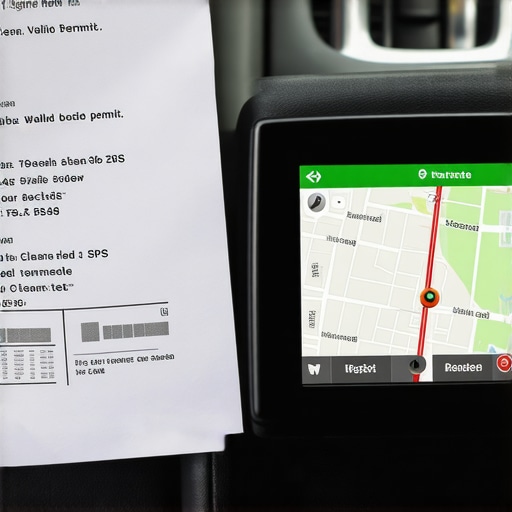
The Polished Car Fallacy and Other Costly Assumptions
Everyone tells you to look at the car’s year and model, but I’m telling you to look at the driver’s eyes and the small details of the interior. If the floor mats are filthy, the maintenance on the engine and brakes likely is, too. Beyond the car, many travelers obsess over GPS tracking, believing that if they can see a little car icon on their phone, they are safe. This is a myth. I’ve found that the specific way local knowledge beats gps algorithm timing is the true secret to actual punctuality. Algorithms don’t know that a local high school is letting out or that a specific bridge is prone to sudden closures. This is why professional drivers avoid the shortest routes on gps—because the ‘fastest’ path according to an app is often the one where you’ll get stuck in stationary traffic.
Is your ‘on-time’ arrival actually based on a guess?
Many services promise a pickup ‘within minutes,’ but why on-demand apps often struggle with prompt airport pickups is due to the lack of a dedicated human dispatch queue. They are gambling on who is nearby at that exact second, whereas a professional hourly service uses the buffer time formula for city travel that actually works. This formula accounts for the ‘curb-to-door’ friction that automated apps ignore. Furthermore, how an hourly rate protects you from unforeseen traffic jams is by ensuring your driver isn’t rushing to the next fare, which significantly lowers the risk of speed-related accidents. Professionalism is about the things you don’t see—the insurance audits and the tire pressure checks—not just the bottle of water in the console. Have you ever fallen into this trap where a ‘guaranteed’ ride left you stranded because they were overbooked? Let me know in the comments below.I’ve spent years analyzing why some rides go perfectly while others fall apart the moment a cloud appears in the sky. The difference usually comes down to the tools the driver uses when nobody is looking. I personally refuse to ride with anyone who relies solely on a consumer-grade smartphone for navigation. That is why I always check to see if the company is using dedicated GPS hardware instead of smartphone apps. Smartphones overheat, lose signal in urban canyons, and—most importantly—they get interrupted by personal calls. A professional telematics system, often hardwired into the vehicle’s diagnostic port, provides a level of precision that a consumer iPhone simply cannot match. This hardware is the heartbeat of safety and precision in reliable hourly reservations. When you see a dedicated screen, you know the driver is plugged into a system that monitors everything from tire pressure to engine health in real time.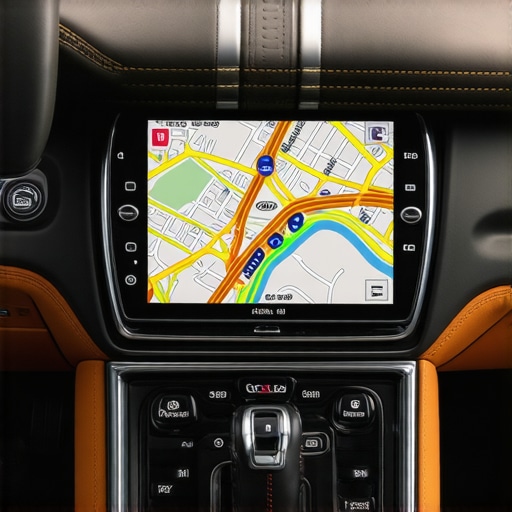
How do I keep the vehicle safe over the long haul?
Maintaining that “new car” safety standard isn’t about a weekly car wash; it’s about a rigorous mechanical audit. I look for drivers who utilize real-time diagnostics. According to the SAE International J1939 standards, which govern high-speed communication for vehicle sensors, professional-grade telematics can predict a component failure before it even happens. This is why real-time vehicle data is more accurate than estimated times provided by basic maps. It tells the dispatcher if the car is actually fit for the road. I’ve found that real-time fuel monitoring prevents those embarrassing roadside stops that ruin an executive’s schedule. If your driver can’t tell you the last time their brake pads were measured, they aren’t maintaining their “tool” for your safety; they are just driving a car.
The shift toward predictive safety technology
Looking ahead, I predict we are moving toward a world where your strategies for safe and reliable hourly bookings will include a digital “health certificate” for the specific vehicle assigned to you. We are already seeing “smart” fleets that automatically de-list a vehicle if a safety sensor trips. This isn’t science fiction; it’s the standard we should be demanding today. By reserving your spot and guaranteeing safety with a company that invests in this tech, you are buying into a system that prioritizes your life over their profit margins. This level of maintenance ensures that mastering the art of reservation and safety isn’t just a marketing slogan, but a mechanical reality. If you want to take your travel security to the next level, I have one advanced tip: ask your service provider if their vehicles use an “active telematics” link to a human dispatcher. This simple question separates the tech-forward professionals from the “guy with a car” apps. It ensures that if a mechanical issue arises, a backup is dispatched before you even realize there’s a problem. Ready to see the difference for yourself? Contact us today to discuss how our tech stack protects your next trip.
What the Smooth Ride Didn’t Tell Me About Safety
Over the years, I’ve realized that the most dangerous assumption a traveler can make is that ‘expensive’ equals ‘safe.’ My lightbulb moment came when I stopped looking at the car’s wax job and started looking at the floor mat check as a proxy for mechanical care. A driver who ignores the grit under their feet is likely ignoring the maintenance under the hood. Another critical lesson? Never skip the 12-minute rule for stress-free airport pickups; it’s the difference between a panicked sprint and a composed arrival. I’ve learned that a true professional doesn’t mind a passenger who asks questions—in fact, they respect the diligence.
The Pro-Traveler’s Essential Security Stack
If you want to move like a VIP, you need to think like a security detail. I always recommend these three specific habits before any major trip. First, take five minutes to background check your private transport company to ensure they aren’t a ‘pop-up’ service with zero history. Second, demand a physical copy of your trip reservation—it’s your legal proof of contract if insurance claims ever arise. Finally, check their tech; I only trust services using dedicated GPS hardware instead of smartphone apps. These tools ensure the person behind the wheel is a career professional, not someone juggling personal calls and navigation on a consumer device.
Reclaiming Your Time and Peace of Mind on the Road
Traveling should be about the destination, not the anxiety of the journey. By taking these small, deliberate steps to verify your driver and their permits, you aren’t being difficult—you are being responsible. Your safety is a non-negotiable asset, and you deserve a service that treats it as such. When you focus on mastering the art of reservation and safety every hour, you shift the power back into your hands and ensure your schedule remains intact. Don’t be afraid to walk away from a ride that doesn’t feel right. Genuine peace of mind is worth more than a quick departure. Have you ever spotted a red flag with a driver that made you cancel the trip? Let me know below.