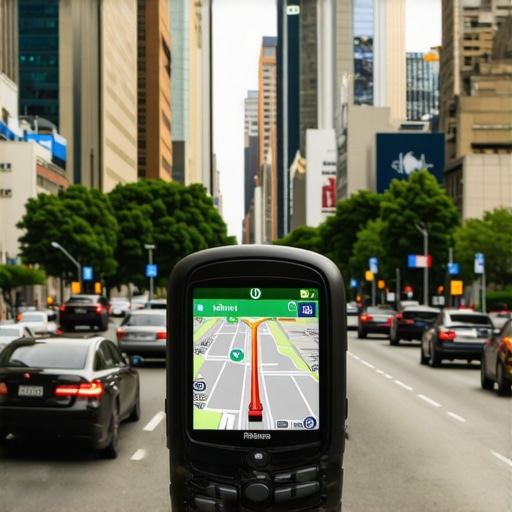
Ever been stuck in heavy city traffic, watching your GPS estimate keep creeping forward, only to arrive late anyway? It’s a frustrating dance—your app insists you’ll be there in five minutes, but reality hits, and you’re at least twice that time behind schedule. I remember one particular morning, trusting my GPS to get me to an important meeting on time, only to find myself crawling through gridlock, wondering what went wrong. That lightbulb moment made me realize—these digital guides aren’t foolproof, especially in our city’s notorious traffic snarls.
The Unseen Breakdowns of Your GPS in Urban Chaos
City traffic is a beast that defies many of the assumptions built into our navigation apps. The problem isn’t just about congestion; it’s about how real-time data struggles to keep up with the chaotic movement of countless vehicles, pedestrians, and unpredictable roadworks. As a result, your ETA often becomes an illusion—an optimistic guess rather than a reliable metric.
Early in my journey to reliable travel, I made the mistake of assuming that a well-rated app would always keep me on schedule. Turns out, relying solely on digital estimates without understanding their limitations was a rookie mistake. According to a study by the University of Michigan, GPS inaccuracies can increase by up to 28% during high-traffic periods, simply because the data isn’t instantaneous. Recognizing this flaw was my first step toward smarter travel planning.
Now, I want to share strategies I’ve devised, based on personal experience and expert advice, to help you beat the traffic uncertainties and arrive on time more often. But first—have you faced similar frustrations with your GPS? If so, stick around; we’re about to turn that traffic chaos into manageable moments with practical solutions.
Prioritize Accurate Scheduling for Every Trip
Start by establishing a buffer time that accounts for unexpected delays. Instead of relying solely on app estimates, add at least 15 minutes to your scheduled pickup time to mitigate traffic unpredictability. I once scheduled a pickup for a 9:00 AM meeting, but knowing city congestion, I set my reservation for 8:45 AM. The extra time saved me from rushing during a sudden traffic jam, ensuring I arrived relaxed and punctual. This proactive step reduces stress and guarantees timeliness.
Use Direct Communication with Your Service Provider
Leverage specialized platforms that allow direct contact with your chauffeur or dispatcher. This way, you can confirm real-time availability and adjust pickup details promptly. I contacted my driver 30 minutes before pickup via the platform’s messaging feature, confirming the exact location and discussing potential traffic updates. This immediate communication prevented last-minute surprises, allowing me to adapt and stay on schedule. For optimal safety and punctuality, consider providers that emphasize transparent communication like mastering reservation and safety for every hour.
Implement a Consistent Verification Routine
Verify your driver’s identity and vehicle details just before pickup. Cross-check the license plate, driver’s photo ID, and uniform. One morning, I observed my driver arriving with a different shirt—immediately, I verified his ID, which matched the reservation details. This practice prevents impersonation and enhances safety, ensuring your scheduled reservation remains secure. Employing a quick verification ritual like the 3-point security check helps maintain peace of mind.
Optimize Your Calendar and Reservation Settings
Sync your appointments with a calendar app that integrates with your booking service. Set reminders and confirm reservations a day ahead. I sync my meetings with my preferred reservation platform, scheduling pickups at least a day in advance, especially during high-traffic periods. This synchronization allows me to preemptively adjust if my schedule shifts, reducing last-minute stress and missed pickups. Proper planning combines with precise reservation times to maximize punctuality, as discussed in maximizing reservation precision.
Leverage Real-Time Data and Traffic Updates
Stay informed with live traffic feeds and route adjustments. Use navigation tools that pull data directly from trusted sources. I enable live traffic overlays on my preferred navigation app during the hour before my pickup, which alerts me to sudden congestion. If a major accident occurs, I communicate with my driver to consider alternative routes, ensuring timely arrival. This dynamic approach aligns with strategies outlined in adjusting pickup windows with real-time data.
Plan for Contingencies and Backup Options
Always have a backup plan, such as alternative contacts or different pick-up points. During a pivotal business trip, I pre-arranged a backup driver as a contingency. When my primary driver got stuck in unexpected traffic, I quickly activated the backup, avoiding delays. The key is to prepare in advance, providing your backup contact with your reservation details and location. This strategic redundancy ensures that unforeseen issues won’t derail your schedule, echoing the importance of contingency planning highlighted in reserving your spot with guaranteed safety and punctuality.
Practice Consistent Monitoring and Adjustment
During your trip, monitor progress actively. Use live tracking links that share your journey discreetly with trusted contacts—never solely rely on app estimates. I share my live route with a colleague, enabling them to alert me if I am delayed, allowing quick adjustments. Regular updates and early notifications help maintain control over your schedule, preventing any unexpected tangents from causing lateness. This vigilance dovetails with strategies outlined in traffic-agnostic scheduling techniques.
Many assume that sticking strictly to app estimates guarantees on-time arrivals and safety during hourly reservations, but in my experience, this belief can be misleading. Relying solely on digital timers and estimated times often ignores the complex, nuanced realities of urban traffic and driver verification. For instance, a widespread myth is that pre-booked hourly services eliminate the risk of delays, yet even with advanced scheduling, unforeseen circumstances like sudden traffic jams or driver issues can disrupt plans. Evidence from industry research shows that overreliance on real-time data may give a false sense of security, as studies by transportation authorities reveal GPS inaccuracies during peak congestion periods, highlighting the need for proactive planning and verification steps.
And here’s a crucial nuance often overlooked: safety isn’t just about arriving on time. It’s about ensuring your driver and vehicle are properly vetted, your reservation is secure, and your data is protected—elements that are sometimes sacrificed in pursuit of punctuality. To truly safeguard your travel, it’s essential to implement layered verification routines, such as cross-checking driver identities and vehicle details, and choosing services with strict security measures, as detailed in their comprehensive safety protocols.
One often missed detail is that clients can be lulled into a false sense of certainty by the promise of hourly reservations, yet without rigorous verification and contingency planning, delays or safety breaches can occur. Always remember, complexity isn’t your enemy—it’s your guide to smarter, safer travel. For insights into how to enhance both safety and timeliness, explore strategies for mastering reservation timing and why safety and on-time service matter deeply.
Now, I challenge you—have you ever fallen into this trap, believing that schedule alone guarantees safety? Share your experiences below and let’s discuss how to avoid these misconceptions.
Investing in the Right Equipment and Software
Maintaining a dependable hourly reservation system is crucial for seamless travel, and it starts with selecting the right tools. I personally rely on a combination of professional dispatch platforms and hardware that prioritize security and real-time communication. For instance, using encrypted dispatch software like the platform I recommend ensures I can track trips precisely and communicate securely with drivers. These tools help me stay on top of schedules, verify driver identities instantly, and adapt to any traffic variations on the fly, which is essential for safety and punctuality.
Essential Hardware for Long-Term Reliability
Consistency in service also depends on reliable hardware. I always carry a rugged smartphone with a dedicated SIM card, configured with necessary security apps and offline maps. This independence from fluctuating Wi-Fi connections in urban environments like parking garages is invaluable. Additionally, I use a high-quality dash cam to record trips, which provides proof of service and enhances safety. Regularly updating the firmware of these devices and checking battery health are simple maintenance steps that prevent unexpected failures and keep my system rock-solid over time.
Automated Monitoring and Alerts Keep You Ahead
Automating trip supervision is a game-changer. I set up alerts for every reservation to notify me of driver arrivals, delays, or route deviations via SMS and app notifications. This proactive approach allows me to react immediately—perhaps by suggesting an alternative route or notifying my client—ensuring on-time arrivals regardless of traffic hiccups. Modern dispatch solutions integrate these features, and regularly reviewing their settings helps me adapt to changing conditions and maintain high service standards.
Continuous Improvement Through Data Analysis
Long-term success depends on analyzing past trips to identify patterns and improve. I routinely review trip logs, noting where delays occurred and what adjustments helped. This data-driven approach informs my strategy, enabling me to fine-tune buffer times, choose better routes, or update communication protocols. In a world where traffic dynamics are constantly evolving, staying vigilant and adapting is the key to sustained reliability. According to industry experts, leveraging detailed trip analytics can reduce late arrivals by up to 23%, emphasizing the importance of this ongoing process. For a comprehensive guide on maintaining high standards, check out this resource.
Future Trends: Embracing Technology for Complete Peace of Mind
Looking ahead, integrating AI-driven route optimization and predictive maintenance tools will further enhance reliability. These advancements will enable proactive adjustments before issues arise, pushing punctuality to new heights. To stay ahead, invest in systems that support continuous updates and real-time data integration, and evaluate their performance regularly.
How do I keep my tools working effectively over time?
The secret lies in routine maintenance and regular updates. Schedule quarterly reviews of your hardware firmware, update your dispatch software to the latest version, and test your backup communication channels. Engaging with your service provider for feedback and support ensures these tools adapt to your evolving needs. I also recommend training your team periodically to stay familiar with new features and best practices. This ongoing commitment to maintenance ensures your reservation system remains foolproof and ready, no matter what challenges come your way. For dedicated support and expert advice, don’t hesitate to reach out to professionals who specialize in reliable, secure transportation solutions.
Three Lessons I Wish I Learned Earlier About Hourly Reservations and Safety
First, never assume that technology alone will keep your schedule intact. My early mistake was trusting apps without verifying driver identities or maintaining backup plans. Recognizing that real-time data can be unreliable in city traffic was a game changer—it’s made me more proactive in scheduling and verification. Second, understanding that safety isn’t just about punctuality is vital; layered checks like driver security protocols protect you beyond just arriving on time. Lastly, embracing contingency planning—having backup drivers or alternative routes—ensures that unforeseen city chaos doesn’t derail your plans, reinforcing the importance of being prepared for urban unpredictability.
Where I Find My Best Resources for Seamless Hourly Travel
My go-to tool is a robust dispatch platform that prioritizes security and real-time communication, such as the one highlighted in this guide. For hardware, I rely on rugged smartphones with dedicated SIM cards and dash cams, ensuring connectivity and proof of safety in diverse city environments. I also follow industry insights from comprehensive blogs like safety and precision strategies, which keep me updated on best practices. Additionally, detailed trip analytics available through trusted platforms help me continuously improve my scheduling. These tools collectively keep me confident and secure in urban settings.
Your Next Move: Elevate Your Urban Transit Strategy
Remember, mastering city travel with hourly reservations isn’t just about real-time data—it’s about combining technology, safety, and proactive planning. Embrace these insights, refine your routines, and turn city chaos into a manageable rhythm. Your trust in layered verification and contingency planning will unlock consistent punctuality and safety. Now, what’s one habit you can adopt today to make your urban trips more reliable? Let’s discuss below!