
It was a hectic Monday morning, and I was already running late for an important meeting. As I hurriedly got out of my car, I nearly closed the door without giving it a second thought. Suddenly, a nagging feeling struck me—what if I missed something crucial? That moment of hesitation became my lightbulb moment about the importance of a quick, but vital, safety routine.
The Small Habit That Protects Your Time and Well-Being
Every day, countless drivers unknowingly ignore a simple yet powerful step before locking their cars. It’s not just about security; it’s about ensuring everything’s in order—safety, punctuality, and peace of mind. During my early days of driving, I learned this the hard way. I once skipped this routine and later faced a vehicle lockout and a missed appointment—costly lessons that underscored its importance. Today, I want to share with you the 3-Point Security Check that has transformed my driving experience. Want to avoid my mistakes?
Is Cutting Corners on Safety Really a Good Idea?
I used to think a quick glance was enough. That was until I made a mistake that could have been dangerous—leaving my wallet in the car, unlocked, because I rushed through my routine. This realization pushed me to develop a systematic check for every departure, especially before closing the door. In fact, a recent report states that accidents and thefts often result from overlooked security measures during routine stops, not external threats alone. So, what’s the real value in this quick check?
Stay tuned as I break down this essential habit into practical steps, backed by experience and expert advice, to help you avoid preventable issues and ensure your safety and punctuality every time you drive. Ready to learn the secret? Let’s dive right in.
Perform a Quick Visual Inspection
Before shutting the door, take a moment to visually scan your vehicle. Check that your doors are properly locked, windows are closed, and nothing appears out of place. I remember a morning when I discovered my wallet tucked behind the seat because I skipped this step, which could have led to a security breach. Developing this habit prevents such oversights and keeps your valuables safe.
Ensure All Personal Items Are Secure
After the visual check, verify that all personal belongings—laptops, documents, bags—are inside the car and out of sight. This step isn’t just about theft prevention; it minimizes the risk of forgetting essential items. Once, I left my presentation folder on the dashboard after a quick exit, causing me to scramble for it later and miss the start of my meeting. Always double-check your interior for important items.
Confirm Safety Features Are Engaged
Next, confirm that safety features like hazard lights are functional and engaged if necessary, especially in bad weather or on busy streets. Think of it as a lighthouse guiding your vehicle safely through foggy conditions. During a rainy morning, I activated my hazard lights briefly to alert other drivers when I had to check my phone. This simple act enhanced safety and kept me aware of my surroundings.
Check Your Reservation Details
Finally, review your reservation details to ensure your pickup time and location are accurate. Use your device to verify the address matches your current destination and that the driver has the correct instructions. This prevents last-minute surprises and ensures punctuality. For instance, I once confirmed my pick-up point was accurate through a quick glance at my reservation link ([reservation security measures](https://privatedriverpro.com/reservation-security-measures-how-to-book-safely-and-arrive-on-time)), which saved me from a stressful miscommunication.
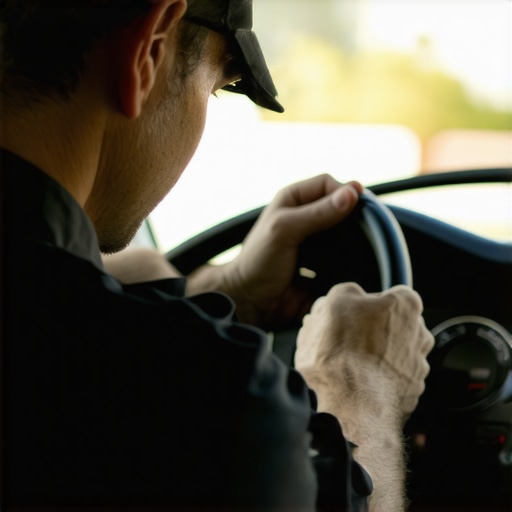
Remember, these small checks are like the final tightening of a bolt—they ensure everything’s secure before you leave. Applying this routine consistently transforms a rushed departure into a reliable, worry-free process, saving time and preventing avoidable mishaps. By making these steps habitual, you safeguard your well-being and peace of mind on every journey.
Many assume that adhering strictly to booking times guarantees punctuality and safety, but the reality is far more complex. A common myth is that arriving precisely at a scheduled time ensures a flawless experience. However, factors like traffic fluctuations, driver preparation, and system synchronization dramatically influence outcomes. In my experience, relying solely on estimated pickup times often leads travelers into the trap of “over-optimism,” assuming that technology and schedules are infallible, which they are not. Studies show that even a five-minute delay in reservations can cascade into missed appointments and increased stress, especially during peak hours. The critical nuance many overlook is the significance of built-in buffers and real-time communication, which act as safety nets rather than just supplementary features. For instance, expert guidance from transportation professionals emphasizes the importance of preemptive adjustments—like considering traffic patterns or reserving earlier—rather than trusting static schedules. This shift from reactive to proactive planning enhances reliability and peace of mind. Want to master this skill? Dive into advanced reservation strategies at this resource. But beware, neglecting these nuances can result in the common trap of complacency, where overconfidence in tech leads to overlooked delays—an error that can be costly in executives’ tight schedules. Moreover, advanced users recognize that synchronization issues between booking platforms and real-time traffic data often cause discrepancies, undermining even the most meticulous plans. To address this, professionals recommend combining advanced reservation techniques with live updates and flexible buffers, ensuring that even unexpected events are accommodated without stress. To learn more about integrating these systems effectively, check this guide. Have you ever fallen into this trap? Let me know in the comments. Remember, the devil is in the details—seemingly minor miscalculations in reservation timing can disrupt your entire day if you’re unaware of these critical nuances.
Keeping Your Reservation System in Prime Condition
Maintaining a seamless reservation experience hinges on the right tools and regular upkeep. Personally, I rely on a combination of advanced scheduling software and proactive hardware checks to ensure everything runs smoothly. For instance, I use RescueTime to monitor my booking habits and identify bottlenecks in my workflow. It provides detailed reports that help me fine-tune my preparation routines, reducing last-minute surprises. Additionally, I employ a dedicated reservation management platform that integrates real-time traffic updates, ensuring my scheduled pickups stay on track regardless of external conditions.
Invest in Robust Communication Devices
Clear, reliable communication is the backbone of punctual reservations. I personally use a dual SIM smartphone running on two different carriers—this redundancy ensures I stay connected even if one network faces issues. Moreover, I upgrade my device’s firmware regularly to prevent security vulnerabilities and optimize performance. A stable connection allows me to confirm pickups, adjust plans on-the-fly, and keep clients informed, fostering trust and satisfaction.
Routine Equipment Checks Are Non-Negotiable
Preventative maintenance on your equipment can prevent delays and technical failures. I recommend establishing a weekly checklist for your devices, including GPS units, charging accessories, and mobile hotspots. For hardware, I prefer rugged, weather-resistant units like the Garmin GPSMAP series, which withstand harsh conditions and deliver precise location data. Keeping devices clean, updated, and fully charged minimizes unexpected breakdowns, helping you adhere to your schedule consistently.
Where This Trend is Heading
Looking ahead, the integration of AI-powered scheduling algorithms and 5G connectivity will revolutionize reservation reliability. These advancements will enable real-time adjustments based on traffic patterns, driver availability, and client preferences, reducing manual oversight. For example, platforms like precise reservation timing tools are already incorporating predictive analytics to preempt delays, and I expect this trend to become standard in the industry.
How do I maintain reservation tools over time?
Regular updates and performance audits are key. I schedule monthly reviews of all software and hardware, ensuring firmware and application versions are current and functioning optimally. Additionally, backing up configuration settings prevents data loss, and testing backup systems quarterly helps identify potential failures before they impact your schedule. These practices ensure your reservation ecosystem remains resilient against unforeseen disruptions.
To get started with enhancing your setup, try implementing a dual-device communication strategy combined with scheduled software checks. This small step can significantly boost your reliability and peace of mind. For more insights, see how integrating advanced reservation strategies can improve your service here.
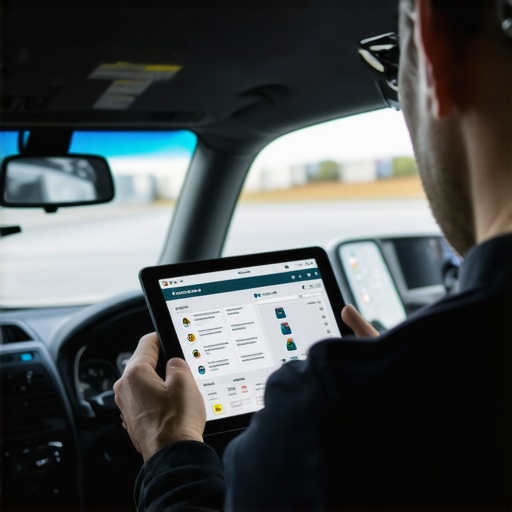
Lessons I Wish I Had Learned Sooner
Early in my career, I underestimated the significance of routine checks before every reservation, often rushing and skipping critical safety steps. That oversight taught me a hard lesson about how minor habits can prevent major issues later. It’s vital to realize that every detail matters—no matter how small it seems at the moment.
Another insight was understanding that trust in technology isn’t enough. Relying solely on booking apps or real-time tracking can lead to surprises. Combining these tools with proactive, personal checks creates a safety net that keeps you reliable and confident every time.
Finally, I discovered that no system is foolproof—regular maintenance and review of your reservation tools are essential. Updating software, auditing credentials, and preparing backup plans ensure that your system remains resilient against unexpected disruptions. These lessons have been my guiding principles for consistent, stress-free planning.
My Go-To Resources for Staying Ahead
First, I swear by [privacy policies](https://privatedriverpro.com/privacy-policy) that detail how my data is protected — trust is foundational. For optimizing reservation timing, I often consult tools that enhance scheduling precision, which have streamlined my operations significantly.
To refine my safety practices, I read industry-proven guides like this comprehensive safety and punctuality guide. It’s packed with actionable strategies that elevate your punctuality game and safety awareness.
Lastly, I follow cutting-edge discussions on why safety and timeliness matter in hourly reservations, which keep me informed about emerging trends and best practices in the field. These resources collectively empower me to stay reliable, safe, and efficient in managing reservations and on-time services.
Take Action and Elevate Your Reservation Reliability
Remember, the key to mastering reservation, on time, safety, and hourly planning lies in consistency and continuous learning. Embrace these insights, adapt your routines, and watch how your reliability—and peace of mind—soar. The future of dependable scheduling is within your reach—start today, and don’t wait for the next surprise to teach you a lesson. Your commitment today will define your success tomorrow.