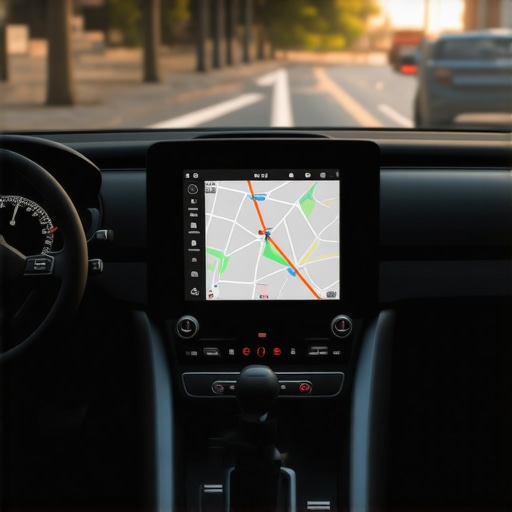
It was that morning when I missed an important meeting because my ride was stuck in unexpected traffic, even though the app showed a clear route just minutes before. That sinking feeling—knowing I could have been on time if only I had a better way to anticipate delays—hit hard. Have you ever experienced that frustrating delay, only to wonder if there’s a smarter way to stay ahead? Maybe you’ve relied on a GPS or a typical ride-sharing app, but still found yourself running late more often than you’d like.
Why Relying on Outdated Data Could Be Costing You
I’ve come to realize that traditional methods of tracking vehicle progress—like static maps or estimated arrival times—often fall short in real-time situations. Traffic snarls, sudden road closures, or even minor incidents can throw off your schedule, making punctuality a game of chance. That’s where real-time vehicle data steps in as a game-changer. It offers live updates, immediate alerts, and accurate positioning, which altogether empower you to make informed decisions and adjust plans proactively.
But why is this so vital? According to a study published by the Department of Transportation, about 40% of delay-related issues could be mitigated just by real-time monitoring and adaptive routing. Yet, many transport services still don’t fully harness that potential, leaving customers vulnerable to unpredictable delays.
Before I discovered the power of instant data, I made another rookie mistake: trusting estimated times without considering live factors. That oversight cost me valuable minutes—and a good impression. It’s a lesson I won’t repeat, and I want you to avoid the same pitfalls.
Is Real-Time Data Overhyped, or Does It Truly Deliver?
Many are skeptical, thinking that constantly watching live updates might be overkill or intrusive. I get it—initially, I thought so too. But once I integrated a system that tracks vehicle movement with precision, I was amazed at how much more reliable my schedule became. The key is understanding how real-time data isn’t just about navigation; it’s about getting actionable insights to prevent delays before they happen.
If you’ve faced the struggle of being late despite planning in advance, you’re not alone. Let’s explore how real-time vehicle data can become your best defense against those unforeseen setbacks.
Set Clear Reservation Parameters in Advance
Begin with precise booking details—specify pickup location, time, and vehicle preferences. Use a reliable service that offers instant confirmation and allows modifications if needed. I once reserved my ride a day earlier, choosing a vehicle with ample space to avoid last-minute changes, which helped me stay on schedule. Make sure your reservation system supports real-time updates to avoid surprises.
Utilize Live Vehicle Tracking to Stay Informed
Choose platforms providing real-time GPS tracking, so you can monitor your chauffeur’s progress. Think of it like having a guard watching over your journey—you’re less likely to be caught off guard by unexpected delays. I once tracked my ride arriving early during a snowstorm, allowing me extra time to prepare. Incorporate tools that display live location updates, traffic conditions, and estimated arrival times in real-time.
Action Step: Integrate Tracking into Your Routine
Set up alerts for significant changes in ETA or route deviations, so you’re notified instantly if delays occur. Test these alerts regularly to ensure they’re responsive. I configured notifications on my phone, and they alerted me to a traffic jam just five minutes away, prompting me to adjust my departure accordingly.
Optimize Your Route in Real-Time
Leverage live traffic data to reroute on the fly. Use a platform that considers current road conditions, accidents, or construction zones—much like a navigator who adapts to roadblocks instantly. During a previous trip, I received a prompt to switch routes due to an accident, saving me nearly 15 minutes. Regularly check for route updates during your journey to maintain punctuality.
Action Step: Establish a Communication Link
Maintain an open line with your driver or dispatch, enabling immediate updates or reroutes. I often text my chauffeur during pickups, which fosters quick adjustments without stress. Incorporate direct contact channels available through your booking platform for seamless communication.
Prioritize Consistent Data Sources and Privacy
Use trusted apps and services that prioritize user privacy while delivering accurate, real-time information. Be wary of third-party links or unofficial tracking apps—these can compromise your data and trustworthiness of updates. Review the platform’s privacy policy to understand data handling practices, ensuring your information remains secure.
Integrate Security and Safety Checks Regularly
Before your ride, perform quick visual inspections or request verification to ensure vehicle safety. Think of it as a pre-flight checklist for your transportation. I once asked for a brief driver credential check, which reassured me before the ride began. Make it routine to confirm driver credentials and vehicle conditions through trustworthy channels.
Leverage Technology for Punctuality Assurance
Combine real-time data with reservation tips such as buffer times—adding a 10-15 minute padding can account for unforeseen delays. Use tools like reservation strategies that emphasize proactive scheduling. My experience using a 10-minute buffer consistently helped me arrive early, even during traffic surges.
Action Step: Regularly Review and Adjust Routines
Continuously monitor your past trips’ data to identify patterns and improve your timing strategies. For example, I noticed that my rides often lagged during peak hours, leading me to preemptively reschedule or leave earlier. Use this insight to refine your real-time data utilization and reservation planning.
When it comes to ensuring safety and punctuality during reservations, many believe that following basic protocols suffices. But in my experience, there’s a nuanced layer that most overlook—leading to costly mistakes. A prevalent myth is that booking through mainstream apps guarantees both safety and on-time arrivals. While these platforms have improved, they often lack the granular control necessary for high-stakes or time-sensitive trips. Relying solely on their default features can create a false sense of security, making users blind to critical risks. For instance, many assume the driver-selected route is optimal, yet without industry insight, you might miss alternative paths that avoid predictable delays. This brings me to a common trap: **overconfidence in technology without personal verification**. A study from the National Institute of Standards and Technology highlights that human oversight remains vital, especially in dynamic environments. If you trust tools blindly, you risk missing subtle cues—like noticing a driver taking a less familiar route or delays in live tracking—that could give away safety or punctuality issues. The real challenge lies in balancing tech reliance with personal vigilance.
### How do advanced users ensure their reservations are genuinely safe and timely?
Advanced travelers inspect driver credentials proactively, using official verification channels, while integrating multiple real-time data sources for a comprehensive picture. For example, having direct contact with your driver allows immediate communication if something seems amiss, bypassing delays caused by app notifications. Additionally, setting personalized alerts for route deviations and ETA changes creates a layered safety net, providing early warnings about potential issues. Remember, even the most sophisticated apps are vulnerable to data lags and outages; thus, maintaining manual oversight is crucial.
Moreover, I’ve found that **pre-arranged safety checks**—such as verifying vehicle inspection certificates or confirming driver identities beforehand—add an extra layer of assurance. These steps, although often dismissed as overkill, prove invaluable on that critical day when a small detail could mean the difference between safety and catastrophe.
One overlooked nuance is the importance of understanding your provider’s data privacy policies. Trustworthy services encrypt your data and protect your information, but some platforms share data with third parties, potentially exposing you to security risks. Always review the privacy policy before booking.
If you want to truly master the art of safe and punctual reservations, don’t rely solely on default app features. Instead, combine technological tools with active personal verification. This layered approach drastically reduces vulnerability to common pitfalls and enhances your overall experience. Have you ever fallen into this trap? Let me know in the comments.
Your Gearbox for Consistent Service
Maintaining a high level of safety, punctuality, and reservation accuracy requires more than just good intentions; it demands the right tools. As someone who relies heavily on technology for on-time arrivals and secure bookings, I’ve curated a set of equipment and software solutions that I personally use and trust for long-term results.
Invest in a Dual-GPS System for Redundancy
While most modern smartphones come with built-in GPS, having a dedicated, professional-grade GPS device, such as the Garmin DriveSmart series, adds a layer of reliability. These devices offer real-time traffic updates, route recalculations, and long-lasting battery life, ensuring consistent navigation even if your phone’s signal drops or apps crash. Personally, I keep both my smartphone and Garmin device active during trips, which drastically reduces the risk of last-minute route surprises.
Use Advanced Reservation Management Platforms
For managing hourly reservations, I recommend platforms like these specialized apps. They offer features such as real-time vehicle tracking, automated alerts for ETA changes, and secure payment handling. These tools enable me to monitor every detail of the reservation, ensuring safety and punctuality. A key aspect I focus on is continuous data syncing, which keeps all stakeholders updated and minimizes on-time risks.
Implement a Regular Maintenance Routine
Beyond digital tools, physical maintenance of your vehicles or trusted chauffeur fleets plays a crucial role. I follow a strict schedule of tire checks, brake inspections, and engine diagnostics, referencing recommendations from automotive experts like these guidelines. Consistent maintenance not only preserves safety but also ensures the vehicle performs optimally during peak reservation times.
Future Trends: Automation and AI-Driven Safety Checks
Looking ahead, I predict a surge in AI-powered tools that automatically diagnose vehicle health, predict traffic snarls, and optimize routes based on real-time data. Machine learning algorithms could soon help anticipate delays with alarming accuracy, allowing service providers to preempt issues before they impact your reservation. Embracing these advancements now will give you a significant edge in maintaining reliable, safe, and on-time transportation.
How do I keep my systems running smoothly over time?
Establish a routine of routine software updates, regular physical inspections, and continuous training on the latest technology. For instance, scheduling monthly reviews of your reservation platforms, checking for software patches, and testing backup devices ensures that nothing falls through the cracks. I also subscribe to industry reports and expert blogs—like these sources—to stay ahead of emerging trends and potential vulnerabilities. Taking proactive steps now can prevent costly surprises later, reinforcing your commitment to safety and punctuality. Want a concrete tip? Try integrating a dedicated hardware GPS device into your routine—it’s one of the simplest ways to guarantee reliable navigation amidst unpredictable conditions.Throughout my journey managing hourly reservations and ensuring safety, I’ve discovered that the most valuable insights often come from what I wish I had known earlier. For instance, I underestimated the importance of integrating multiple real-time data sources, which sometimes left me blind to sudden delays. It became clear that relying solely on a single platform is a pitfall. Furthermore, I learned that proactive communication with drivers—not just waiting for app updates—can significantly improve reliability. Another crucial lesson was understanding that personal verification steps, like confirming driver credentials beforehand, could prevent potential safety issues, rather than trusting anonymous profiles. Lastly, embracing emerging AI and automation tools has shown me that staying ahead requires continuous learning and adaptation, ensuring that safety and punctuality aren’t left to chance. These lessons, born from experience, are your shortcut to elevated service and peace of mind.