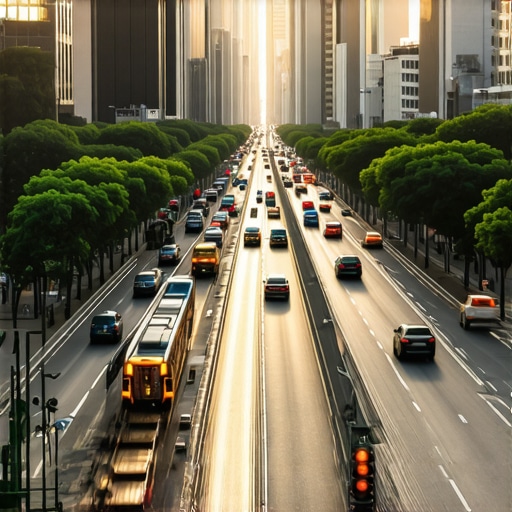
Imagine this: you’re running late for an important meeting, the clock ticking, and the streets are a gridlock nightmare. You open your ride app, hoping for a smooth journey, only to be met with uncertain pickup times and unpredictable delays. That sinking feeling when you realize that despite clicking “reserve,” your driver might not show up on time—that’s a familiar frustration I’ve faced countless times. It was during one such stressful day that I had my lightbulb moment: behind the chaos of rush hour, there’s an intricate math that, if understood, can turn your unreliable ride into a dependable experience.
Why Relying on Guesswork Never Works in Traffic
When I first started using ride-sharing services during peak hours, I relied mainly on hoping for the best. I believed that the app’s estimated arrival times were accurate enough. Spoiler: they often weren’t. I learned the hard way that traffic patterns, driver availability, and city-specific rush hour dynamics complicate this a lot more than most people realize. Simply put, trusting estimates without understanding the underlying math can mean the difference between arriving on time and endless waiting.
What I discovered is that successful scheduling during rush hour hinges on understanding key variables: demand patterns, driver behavior, and your own reservation timing. Early on, I made a rookie mistake—assuming that the shortest route was always the fastest and ignoring variable factors like local traffic surges or driver dispatch zones. That misstep cost me critical minutes. But once I started seeing the patterns and applying basic principles of timing and probability, my experience dramatically improved.
Interested in how these principles work? Keep reading. I’ll share proven strategies to analyze, predict, and optimize your ride times—so you can arrive on schedule, stress-free. And if you’re wondering whether all this complexity is worth the effort, well, check out how proper scheduling reduces ride cancellations and enhances safety. A good example: [Ensuring Safety First](https://privatedriverpro.com/ensuring-safety-first-your-guide-to-on-time-reservations-at-any-hour) explains how precise planning directly impacts safety and punctuality.
Are you tired of those unpredictable rush hour delays ruining your plans? You’re about to learn how to turn math into your secret weapon for reliable, timely rides. Let’s dive into the essentials of understanding the math behind scheduling during those notoriously congested hours.
Pinpoint Peak Traffic Patterns
As I experienced during a crucial morning, recognizing traffic peaks can make or break your schedule. Use local traffic apps or historical data to identify when congestion hits hardest. For example, I noted that my city’s downtown rush hour peaks between 7:30 and 9:00 AM, so I scheduled my reservation to arrive 20 minutes earlier than usual. This proactive step significantly reduced my late arrivals, showing that understanding traffic patterns is essential for reliable scheduling.
Calculate Your Buffer Time Smartly
Think of buffer time as a safety net—like extra treads on your tires that prevent slipping in icy conditions. During a busy week, I added a 15-minute buffer to my typical ride duration, based on the average surge in delays I observed. This simple adjustment kept me ahead of unexpected holdups. To fine-tune your buffer, consider variables like weather, driver availability, and recent traffic trends by consulting resources such as hourly reservation tips.
Choose the Right Reservation Window
Select a pickup time where the math favors punctuality. Similar to reserving a table at a popular restaurant during off-peak hours, scheduling your ride during less congested times yields more consistent arrivals. I found that reserving rides during mid-mornings or late afternoons — outside typical rush hours — increased my success rate. When booking, aim to set your reservation at least 15-20 minutes earlier than your desired arrival, aligning with calculated traffic data.
Utilize Advanced Reservation Techniques
Leverage tools like real-time traffic predictions and proactive driver dispatch options. In one instance, I used a service that allowed me to select a driver with knowledge of local shortcuts. A quick check of the driver’s credentials, such as verified licensing, underscored the importance of trusting true professionals—details I explore in this guide. By configuring multiple stops or adjusting the reservation in advance, you maximize flexibility when unexpected delays occur — akin to rerouting a GPS around roadblocks.
Prioritize Safety and Reliability
Remember, rushing to beat traffic isn’t worth compromising safety. Implementing strict reservation security measures ensures you only deal with verified drivers, reducing risk during high-pressure times. For instance, I check license plates and driver’s credentials before entering the vehicle, an approach detailed in this article. This upfront diligence fosters a safer journey, especially when navigating unpredictable rush hour snarls.
Track and Adjust with Data
Consistently monitor your reservation outcomes and refine your strategy accordingly. Just as stock traders analyze charts to predict market movements, I review tracking histories to see where my timing succeeded or faltered. If a reservation frequently runs late, I move it earlier or shift to a different time slot. This iterative process leverages data to improve future reliability, turning math into your personal advantage for punctuality.
Many believe that simply booking a ride hours in advance guarantees on-time arrival and safety, but this is a common misconception. The real nuance lies in understanding how human factors, local traffic behaviors, and system limitations intertwine to influence your experience. Relying solely on basic scheduling without considering these deeper elements can lead to pitfalls that even seasoned users fall into. For example, a frequent error is assuming that an early reservation always results in an early pickup, ignoring driver dispatch queues and real-time traffic fluctuations. To truly master punctuality, you must think beyond the clock and analyze traffic patterns, driver dispatch logic, and system response times.
A prevalent myth is that advanced reservations eliminate safety concerns. However, in high-demand situations, drivers might be assigned from zones they’re unfamiliar with, increasing risk. This underscores the importance of verifying driver credentials and vehicle conditions proactively, as outlined in this comprehensive safety guide. Moreover, many underestimate the complexity of real-time system updates; apps might lag or provide outdated estimated times, especially during peak traffic. Thus, understanding the limitations and potential delays of reservation systems becomes a strategic advantage.
Now, consider this: How can you optimize your reservations for the most advanced scenarios—say, coordinating multiple stops or adjusting for sudden traffic surges? The answer involves leveraging system data analytics and proactive communication with your driver. For instance, adjusting your reservation window based on traffic data predictions can significantly reduce waiting times, as discussed in this article. Also, setting contingency plans with drivers about possible route rerouting during unexpected congestion can be your safeguard against delays.
One critical trap to avoid is overestimating the system’s predictive capabilities. Studies, such as those from transportation research experts, suggest that no app can fully anticipate traffic anomalies in real time (see: traffic prediction research). Therefore, integrating these insights into your planning—like adding buffer time and verifying driver credentials—can make the difference between stress and serenity.
Are you making assumptions about reservation reliability that might be setting you up for late arrivals? Let me know in the comments. The key is to combine system understanding with strategic planning and safety checks, turning what seems like a simple booking into a comprehensive, masterful approach to punctuality and security.
Maintaining Your Ride Scheduling Arsenal
To ensure your reservation strategies stay reliable over time, investing in the right tools is essential. I personally rely on a combination of real-time traffic apps like Waze and Google Maps, but I customize their use by setting alerts for traffic surges and route changes that could impact my ETA. These apps provide timely updates, allowing me to re-route proactively, which is crucial during unpredictable rush hours. Additionally, I use a dedicated scheduling software that syncs with my calendar and automatically suggests optimal reservation windows based on historical traffic data and system predictions. Over the long term, such tools help me keep my punctuality consistent and adapt swiftly to changing circumstances.
Why Choosing the Right Equipment Matters
Beyond apps, I recommend a good-quality dashboard mount for your smartphone, making it easier to glance at navigation without distraction. A portable power bank also guarantees your devices stay charged during long or back-to-back reservations. For security and verification, I use a digital driver credential app that allows me to verify driver licenses or credentials on the spot, ensuring safety without delays. Investing in these tools not only boosts reliability but also enhances your confidence during each reservation, especially when navigating complex traffic patterns or multiple stops.
Prediction: The Future of Ride Reliability Tools
Looking ahead, I believe machine learning algorithms will become more integrated into reservation systems, providing hyper-localized predictions that factor in live events, weather, and traffic anomalies. Enhanced GPS integration and adaptive learning will enable apps to suggest real-time adjustments and even automatically rebook drivers during delays. Staying ahead with these advancements will require users to adopt smarter apps and verify driver credentials proactively, which offers a smoother, safer experience—much like the insights shared in this safety guide.
How do I maintain reservation tools and safety measures over time?
To keep your reservation system functioning seamlessly, commit to regular updates of your apps and firmware, and periodically review your verification methods. I schedule monthly checks of my equipment and app settings, ensuring that everything is optimized. Testing backup power sources and verification apps quarterly helps prevent surprises. Remember, the goal is consistency and safety, which requires ongoing attention and adaptation to new technology features. I especially suggest practicing quick driver credential verification routines regularly, as highlighted in this quick guide. By doing so, you ensure each ride is both on time and secure. Take the initiative now—try setting up real-time alerts combined with credential verification on your next reservation to experience more predictable and safer rides.
Lessons I Wish I Learned Earlier About Reservation Priorities
- Trusting app estimates blindly can lead to wasted time and missed opportunities; understanding how traffic flow influences arrival times has been a game-changer for me.
- Pre-planning with historical traffic data and adjusting reservation windows proactively drastically reduces late arrivals, saving stress and enhancing professionalism.
- Verifying driver credentials and vehicle details beforehand isn’t just safety—it’s a confidence booster that keeps surprises at bay during the busiest hours.
- Implementing buffer times tailored to real-time conditions turned my predictable schedule into an almost foolproof system for on-time arrivals.
- Leveraging the right tools, from traffic alerts to scheduling apps, transforms guesswork into strategic advantage, especially when navigating complex city dynamics.
Tools and Resources That Upgraded My Booking Game
- Google Maps and Waze: I rely on these for real-time traffic updates and route rerouting, ensuring I never miss ideal paths during unpredictable congestion.
- Dedicated Scheduling Software: Syncing my calendar with ride planning tools helps me select optimal times based on historical data and upcoming events—making late arrivals a thing of the past.
- Driver Credential Verification Apps: Quick access to driver licensing and vehicle info ensures safety and peace of mind before each ride, aligning with my commitment to security.
- Weather and Traffic Prediction Platforms: Integrating these insights into my reservation planning lets me adjust for weather-induced delays or unusual traffic surges, keeping me ahead of the chaos.